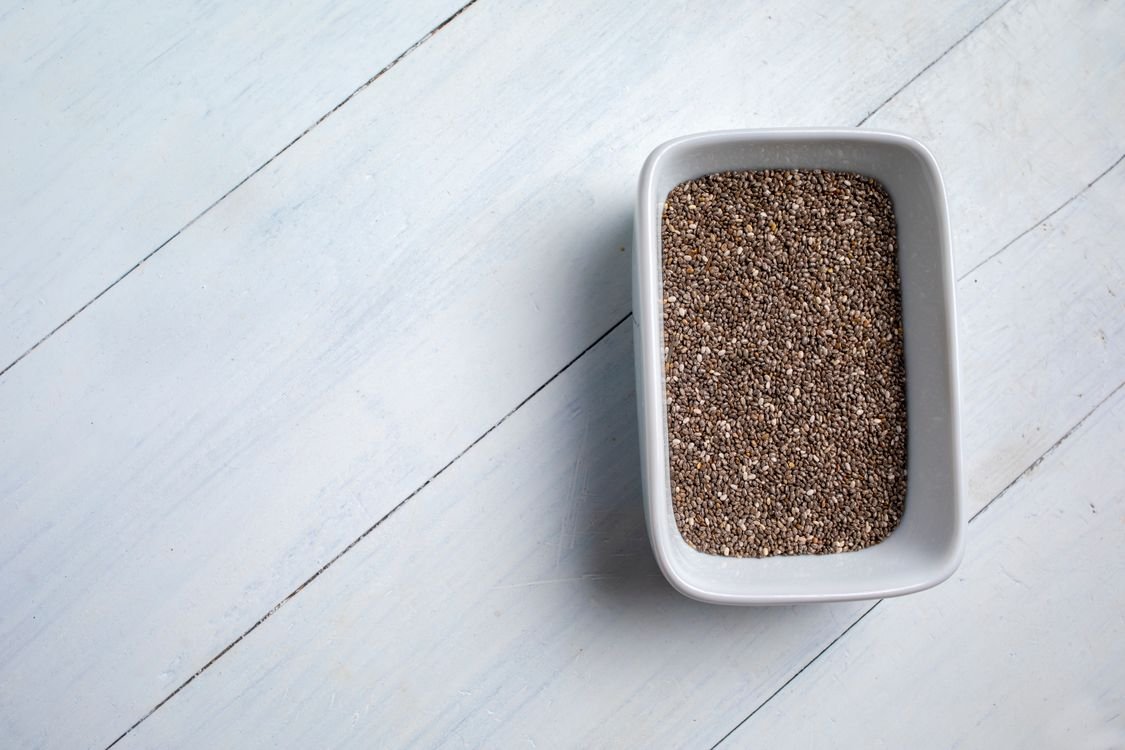
Chia seeds have moved from a little-known grain of the ancient Americas to one of the most talked-about foods in weight management, and the attention is easy to understand. A single small serving packs an unusual combination of fiber, plant protein, omega-3 fats, and minerals, and the seeds have a remarkable trick: stirred into liquid, they swell into a soft gel that keeps you feeling full for hours.
Chia seeds benefits for weight loss are real but modest, and they work best as part of an overall healthy eating pattern rather than as a miracle food on their own. No single food can melt body fat. What chia seeds can do is make a sensible diet easier to follow: they add filling fiber and protein to meals, they slow down digestion so energy lasts longer, and they help steady blood sugar after eating, which reduces the sudden hunger that leads to snacking.
What Chia Seeds Are and Why They Became Popular
Chia seeds come from Salvia hispanica, a flowering plant in the mint family that is native to Mexico and Guatemala. The seeds were a staple food of the Aztec and Maya civilisations, valued because they were easy to carry, kept well without refrigeration, and provided lasting energy on long journeys.
Part of chia’s popularity comes from how easy the seeds are to use. They have a mild, slightly nutty flavour that disappears into other foods, so they can be stirred into porridge, yoghurt, smoothies, salads, and baked goods without changing the taste.
The seeds are perhaps most famous for their ability to absorb liquid. When chia seeds meet water, milk, or juice, the soluble fiber on their surface forms a gel coating, and each seed can absorb many times its own weight in liquid. This is what makes chia pudding possible, and it is also the reason the seeds are so filling: the gel takes up space in the stomach and slows the movement of food through the digestive system. Mayo Clinic dietitians describe chia seeds as a complete protein that is high in fiber, omega-3 fatty acids, and antioxidants, and note that a typical serving of two tablespoons provides around 4 grams of protein, 10 grams of fiber, and about 140 calories, as explained at https://newsnetwork.mayoclinic.org/discussion/mayo-clinic-minute-chia-its-not-just-a-pet/
What Is Inside Chia Seeds
Chia seeds are small, but their nutritional profile is unusually dense. A one-ounce serving, about 28 grams or two and a half tablespoons, contains roughly 138 calories, 10 grams of fiber, 5 grams of protein, and 9 grams of fat, most of it the plant omega-3 fat alpha-linolenic acid, or ALA. The fiber is mostly insoluble, which adds bulk and supports regular bowel movements, with a smaller soluble fraction that forms the gel and slows digestion.
The protein in chia seeds is notable because it contains all nine essential amino acids, the building blocks the body cannot make for itself. Very few plant foods offer complete protein, and this makes chia seeds a useful addition to vegetarian and vegan diets. The seeds are also rich in minerals: the same one-ounce serving provides a useful amount of calcium, magnesium, phosphorus, and iron, along with smaller amounts of zinc and potassium.
Chia seeds also contain plant compounds called polyphenols, including quercetin, caffeic acid, and chlorogenic acid, which act as antioxidants and help protect the body’s cells from damage caused by unstable molecules called free radicals. The seeds are naturally gluten free, which makes them suitable for people with coeliac disease or gluten sensitivity, and they contain no sugar.
How Chia Seeds Support Weight Loss
Chia seeds benefits for weight loss come mainly from three mechanisms: fullness, slower digestion, and steadier blood sugar. The first and most important is satiety, the feeling of being full after eating. Foods that are high in fiber and protein keep people satisfied for longer than foods that are mostly refined carbohydrate, and chia seeds provide both. When chia seeds absorb liquid and form a gel in the stomach, they increase the volume of the meal without adding many calories, which helps the stomach’s stretch receptors signal fullness to the brain.
The second mechanism is the slowing of digestion. The soluble fiber in chia seeds forms a thick gel that slows the breakdown of food and the absorption of nutrients, including sugars. This means that a meal containing chia seeds releases its energy gradually instead of all at once, which helps avoid the sharp rise and fall in blood sugar that often follows a meal rich in refined carbohydrates.
The third mechanism is the replacement effect. Chia seeds work best when they replace something less nutritious rather than being added on top of an already large diet. Stirring chia seeds into porridge instead of adding sugar, using chia pudding as a dessert instead of ice cream, or thickening a smoothie with chia instead of syrup all swap empty calories for fiber, protein, and healthy fats.
It is important to be honest about the limits of the evidence. Human studies on chia seeds and weight loss are small and short, and they show modest effects rather than dramatic ones. Some trials have found that people who eat chia seeds daily feel fuller and eat slightly less, while others have found little change in body weight when nothing else in the diet changes. Chia seeds are a tool that makes weight management easier, not a treatment for obesity, and anyone with a medical condition related to weight should speak to a doctor or dietitian.
Chia Seeds and Appetite Control
Appetite control is where chia seeds are most useful, and understanding how appetite works explains why. Hunger is controlled by a mix of signals: the physical fullness of the stomach, hormones released by the gut, blood sugar levels, and habits and emotions. Foods that are rich in fiber and protein stay in the stomach longer, release energy slowly, and keep hunger hormones quieter for longer.
Chia seeds tick all of these boxes. Their fiber absorbs water and expands, which increases the volume of food in the stomach and activates the stretch receptors that tell the brain the stomach is full. Their protein adds to this effect, because protein is the most satiating of the three macronutrients, and the body spends more energy digesting it than it does digesting fat or carbohydrate. The gel that chia seeds form also slows the emptying of the stomach, so the feeling of fullness lasts longer after the meal is finished. A breakfast of porridge or yoghurt with two tablespoons of chia seeds tends to keep hunger away until lunch, which reduces the temptation to snack in the middle of the morning.
Chia Seeds, Blood Sugar and Steady Energy
One of the less obvious chia seeds benefits for weight loss is their effect on blood sugar. When a meal is rich in refined carbohydrate, blood sugar rises quickly, the body releases a large amount of insulin to bring it down, and blood sugar can then dip below its starting level, which triggers hunger, tiredness, and cravings for sweet food. Foods that slow down the absorption of sugar break this cycle by keeping blood sugar steadier, and chia seeds do this through their soluble fiber.
When chia seeds form a gel around the food they are eaten with, the gel slows the action of digestive enzymes and the movement of sugars from the gut into the bloodstream. The National Center for Complementary and Integrative Health explains that chia seeds are one of the plant foods that provide ALA, the plant form of omega-3, and describes how omega-3 fats are involved in the body’s health, at https://www.nccih.nih.gov/health/omega3-supplements-what-you-need-to-know
How to Use Chia Seeds for Weight Loss
Using chia seeds well is simple, and a few practical habits make them far more effective. The most important rule is to soak them or eat them with plenty of liquid. Dry chia seeds absorb water wherever they find it, and eating a spoonful of dry seeds followed by too little water can cause them to swell in the throat or stomach, which is uncomfortable and, in rare cases, can cause a blockage. Always stir chia seeds into water, milk, yoghurt, porridge, or a smoothie, and drink a glass of water with the meal.
A sensible daily amount for most healthy adults is one to two tablespoons, about 15 to 28 grams. This provides roughly 5 to 10 grams of fiber, which is a meaningful contribution to the daily target, without adding too many calories. Starting with one tablespoon a day is wise for people who are not used to a high-fiber diet, because a sudden large increase in fiber can cause bloating and gas. Increase the amount gradually over a week or two, and always drink enough water through the day, because fiber needs fluid to move comfortably through the gut.
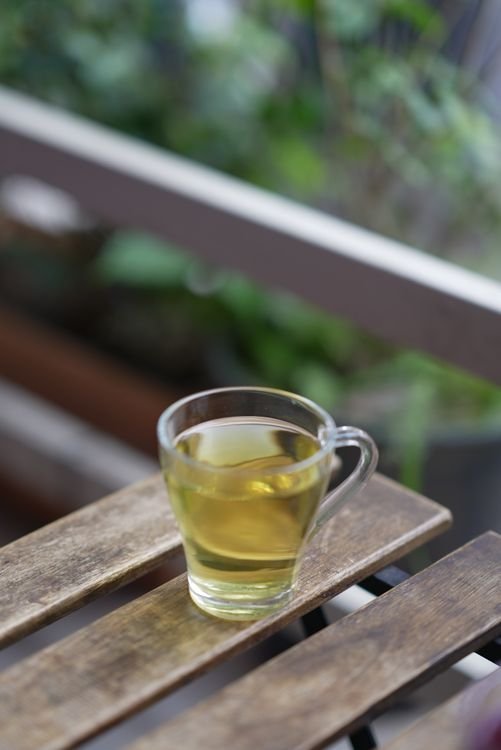
Chia seeds can be used in almost any meal. Stir a tablespoon into porridge or overnight oats, mix them into yoghurt with berries, blend them into a smoothie, or sprinkle them over a salad. Readers who want more ideas for weight management can also read our guide to apple cider vinegar for weight loss at https://99naturalhomeremedies.com/apple-cider-vinegar-benefits-for-weight-loss/ and our article on green tea for metabolism and weight loss at https://99naturalhomeremedies.com/green-tea-benefits-for-metabolism-and-weight-loss/
Chia Seed Pudding and Easy Recipes
Chia seed pudding is the most popular way to eat chia seeds, and it is also one of the easiest. The basic recipe needs only two ingredients: three tablespoons of chia seeds and one cup of milk, which can be dairy milk or a plant milk such as almond, oat, or coconut milk. Stir the seeds into the milk in a jar or bowl, wait five minutes, stir again to break up any clumps, then cover and leave it in the fridge for at least two hours, or overnight. The seeds absorb the milk and swell into a thick, creamy pudding that can be eaten on its own or topped with fruit, nuts, or a drizzle of honey.
The pudding is easy to adapt to different tastes. A vanilla version uses a splash of vanilla extract and a little honey, a chocolate version uses a tablespoon of cocoa powder, and a berry version uses mashed raspberries or blueberries stirred in before the pudding sets. A single serving made with milk, chia seeds, and berries provides fiber, protein, calcium, and antioxidants, and it keeps well in the fridge for three to four days, so a batch made on Sunday evening can cover breakfast for several mornings.
Chia Seeds Versus Flaxseeds for Weight Loss
Chia seeds and flaxseeds are often compared, because both are small seeds rich in fiber, protein, and plant omega-3 fats, and both are popular in weight management. The two seeds are more similar than different, and either one can be a useful addition to a healthy diet, but there are a few practical differences worth knowing.
Chia seeds contain slightly more fiber per serving than flaxseeds, and they absorb far more water, which makes them more filling and more useful for making puddings and gels. They also contain more calcium, and they can be eaten whole, which is more convenient. Flaxseeds contain slightly more ALA omega-3 per serving, but they must be ground before eating, because whole flaxseeds pass through the gut largely undigested. Ground flaxseeds also go rancid more quickly than chia seeds, so they need to be stored in the fridge and used within a few weeks, while chia seeds keep for months in a cool, dry cupboard.
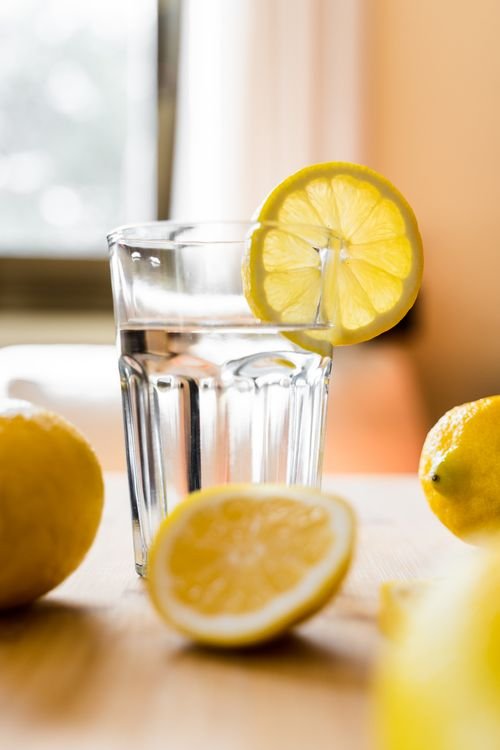
For weight loss, the practical choice often comes down to taste and convenience. People who like the texture of chia pudding and the ease of sprinkling whole seeds on food tend to stick with chia seeds, while people who prefer the mild, nutty flavour of ground flaxseed in baking may prefer flaxseeds. There is no need to choose only one: using both seeds in rotation gives a wider range of nutrients. Readers who want another simple morning drink for weight management can also read our guide to lemon water for weight loss and detox at https://99naturalhomeremedies.com/lemon-water-benefits-for-weight-loss-and-detox/
Precautions and Side Effects
Chia seeds are safe for most healthy adults when eaten in normal food amounts, but there are a few precautions worth knowing. The most common side effect is digestive discomfort, including bloating, gas, and stomach cramps, which usually happens when a person increases their fiber intake too quickly or eats chia seeds without drinking enough water. Starting with a small amount and increasing gradually, and drinking a glass of water with each serving, prevents most of these problems.
People who have difficulty swallowing should be careful with chia seeds, because dry seeds can swell in the throat. Always soak chia seeds before eating them, and never eat a spoonful of dry seeds on their own. People who take blood-thinning medication, such as warfarin, should speak to their doctor before eating large amounts of chia seeds regularly, because the omega-3 fats in chia seeds can have a mild blood-thinning effect.
Allergic reactions to chia seeds are uncommon but possible, especially in people who are allergic to sesame seeds or mustard seeds, which are related plants. Symptoms can include itching, swelling, or difficulty breathing, and anyone who experiences these after eating chia seeds should stop eating them and seek medical advice.
Choosing and Storing Chia Seeds
Good chia seeds are small, oval, and speckled black, white, or grey, with a smooth, shiny surface. Black and white chia seeds are nutritionally almost identical, so the colour is a matter of appearance rather than quality. When buying chia seeds, look for whole seeds with no dust, no broken pieces, and no stale or rancid smell.
Chia seeds should be stored in an airtight container in a cool, dry place, away from direct sunlight, where they will keep for up to two years. Ground chia seeds should be stored in the fridge and used within a few weeks. If chia seeds smell stale or taste bitter, they should be thrown away.
Frequently Asked Questions
Can chia seeds help you lose belly fat specifically? No food can target fat loss from one part of the body. Fat is lost across the whole body when a person eats fewer calories than they burn, and chia seeds help by making it easier to eat less. Readers who want a broader approach to reducing belly fat can read our article on natural remedies for belly fat reduction at https://99naturalhomeremedies.com/natural-remedies-for-belly-fat-reduction/
How many chia seeds should I eat a day for weight loss? One to two tablespoons a day is a sensible amount for most healthy adults. This provides useful fiber and protein without adding too many calories. Eating much more than this can add a lot of calories, because chia seeds are energy-dense, and it can also cause digestive discomfort.
Should chia seeds be soaked before eating? Soaking is recommended. Soaked chia seeds are easier to digest, the nutrients are more available, and soaking removes the risk of the seeds swelling in the throat. Stirring them into porridge, yoghurt, a smoothie, or water is enough, and fifteen minutes is usually sufficient for them to form a gel.
Can I eat chia seeds every day? Yes, most healthy adults can eat chia seeds every day in normal food amounts, as part of a varied diet. Variety is important, so it is a good idea to rotate chia seeds with other healthy foods, such as oats, nuts, and other seeds, rather than relying on any single food.
Do chia seeds have any side effects? The most common side effects are bloating and gas, which usually happen when fiber intake is increased too quickly or when too little water is drunk. Eating dry seeds without liquid can cause choking, so always soak them first. People who take blood-thinning medication or who have a seed allergy should speak to a doctor before eating chia seeds regularly.
A Simple Daily Routine With Chia Seeds
A simple routine makes chia seeds easy to keep up with, and consistency matters more than perfection. Start the day with overnight oats or yoghurt mixed with one tablespoon of chia seeds, a handful of berries, and a few nuts, which provides fiber, protein, and healthy fats and keeps hunger away until lunch. At lunch, sprinkle a tablespoon of chia seeds over a salad or stir them into soup. In the afternoon, if hunger strikes, reach for a small pot of chia pudding made the night before instead of a biscuit or a chocolate bar. Drink a glass of water with each meal, because fiber needs fluid to work well, and keep the total amount of chia seeds to one or two tablespoons a day.
Important Disclaimer
This article is for educational purposes only and is not medical advice. The information here is general in nature and is not a substitute for professional medical advice, diagnosis, or treatment. Chia seeds can support a healthy diet, but they are not a treatment for obesity, diabetes, heart disease, or any other medical condition, and they do not guarantee weight loss. Always consult a qualified healthcare professional before making significant changes to your diet, especially if you are pregnant, breastfeeding, taking medication, or living with a medical condition. If you experience any unusual symptoms after eating chia seeds, stop eating them and seek medical advice.