
Here is the problem with mouthwash: it works for about 20 minutes. You swish, you get that sharp minty blast, and then — often before you have even reached the meeting, date or job interview you were preparing for — the bad breath quietly returns. That is because mouthwash mostly perfumes the problem. Bad breath, known medically as halitosis, usually has a specific physical cause, and lasting freshness comes from addressing that cause, not covering it with mint.
The good news is that most causes of bad breath live right in the mouth, and the habits that fix them are simple, natural and inexpensive. This guide explains where bad breath actually comes from, the natural remedies that work at the source, a daily routine that keeps breath fresh, and the situations where bad breath is a signal to see a dentist or doctor instead.
What Actually Causes Bad Breath
Bacteria on the Tongue
The number one source of chronic bad breath is the back of the tongue. Your tongue’s surface is covered in tiny grooves and bumps where food particles, dead cells and bacteria collect — especially overnight. Certain bacteria break down proteins and release volatile sulfur compounds, the same family of chemicals that makes rotten eggs smell the way they do. Brushing your teeth does nothing for this coating; if your tongue is not part of your routine, that is very likely your answer.
Dry Mouth
Saliva is your mouth’s natural cleaning system: it rinses away food and bacteria and neutralizes acids. When your mouth is dry — during sleep (“morning breath”), from mouth-breathing, dehydration, many common medications, or alcohol — bacteria multiply quickly and odor builds up. Anything that keeps saliva flowing and your mouth hydrated works against bad breath at the root.
Food, Drink and Tobacco
Garlic, onions, coffee, alcohol and tobacco are the familiar culprits. Garlic and onion compounds enter the bloodstream and are exhaled through the lungs, which is why they linger even after brushing. Tobacco adds its own odor and dries the mouth, and over time it also drives the gum disease that causes persistent halitosis.
Problems Beyond Simple Hygiene
Sometimes the smell is a symptom, not the problem itself: gum disease and tooth decay, tonsil stones (small, smelly deposits that form in tonsil crevices), sinus infections with postnasal drip, and digestive issues. Acid reflux in particular can push sour-smelling stomach contents up toward the throat — if heartburn and bad breath arrive together, our guide to natural remedies for acid reflux and heartburn is worth reading alongside this one.
Natural Remedies That Address the Cause
Scrape or Brush Your Tongue — Daily
This single habit makes the biggest difference for most people. Each morning, gently scrape your tongue from back to front with a tongue scraper (inexpensive metal or plastic ones work well) or brush it with your toothbrush and a little toothpaste. You will see the coating come off. Rinse, repeat two or three times, and be gentle — you are removing a film, not scrubbing a floor.
Drink Water Throughout the Day
Staying hydrated keeps saliva flowing and constantly rinses the mouth. Keep a water bottle with you and sip regularly rather than waiting until you are thirsty. After meals and after coffee, a rinse or a glass of water helps wash away what bacteria feed on. If plain water feels like a chore, lightly flavored drinks such as lemon water can make the habit easier to keep.
Chew Fresh Herbs and Whole Spices
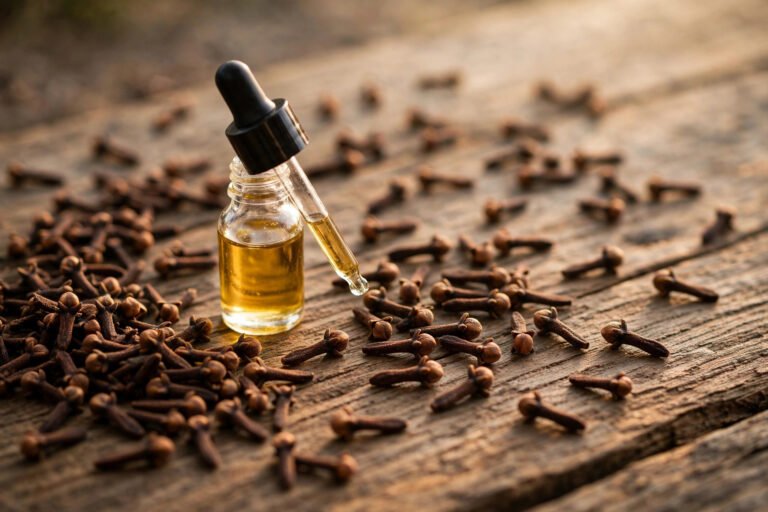
Parsley, fresh mint leaves, fennel seeds, cardamom and cloves have been used as breath fresheners for centuries, and they work two ways at once: chewing stimulates saliva, and the herbs’ aromatic oils provide natural freshness. Chewing a few fennel seeds or a sprig of parsley after a garlicky meal is a traditional practice in many cultures for good reason. Keep a small container of fennel seeds or sugar-free mints in your bag for after meals out.
Green Tea and Peppermint Tea
Unsweetened tea is a double win: the liquid fights dry mouth, and tea polyphenols have been shown to slow the growth of odor-producing mouth bacteria. A cup of green tea during the day or a cup of peppermint tea after meals is an easy, pleasant habit. Just skip the sugar — sweetened drinks feed the very bacteria you are trying to starve.
Crunchy Foods and Sugar-Free Gum
Crisp raw foods like apples, carrots and celery act almost like a gentle toothbrush, scrubbing the teeth and tongue while boosting saliva as you chew. Sugar-free gum after meals does the same saliva job when brushing is not possible; gum sweetened with xylitol is a particularly good choice, since xylitol does not feed oral bacteria the way sugar does.
Plain Yogurt and Probiotic Foods
There is modest but interesting research suggesting that regularly eating plain, unsweetened yogurt can reduce the level of smelly sulfur compounds in the mouth, likely by crowding out odor-producing bacteria. One small study found lower hydrogen sulfide levels after six weeks of daily yogurt. It is not a magic fix, and sweetened yogurt defeats the purpose, but plain yogurt or kefir as a regular habit can support overall oral and digestive balance.
A Daily Routine for Genuinely Fresh Breath
- Morning: Brush for two minutes, clean your tongue, and drink a full glass of water before coffee to reverse overnight dryness.
- After breakfast: Floss (or use interdental brushes) — trapped food between teeth is a hidden odor factory, and brushing alone misses it.
- During the day: Sip water regularly; chew sugar-free gum or fennel seeds after meals; choose unsweetened tea over soda.
- Evening: Brush and floss before bed without fail. The eight hours of sleep are when your mouth is driest and bacteria are busiest, so the state of your mouth at bedtime matters most.
- Weekly habits: Replace your toothbrush every 3–4 months, clean any dentures or retainers daily if you wear them, and check your tonsils in the mirror if you suspect tonsil stones.
What to Cut Back On
- Alcohol-based mouthwash. Ironically, strong mouthwashes can make chronic bad breath worse over time by drying the mouth. If you use mouthwash, choose an alcohol-free one — and treat it as an extra, never a substitute for tongue cleaning and flossing.
- Sugary mints and sweet drinks. A sugary mint freshens for a minute and then feeds bacteria for an hour. Soda and sweetened coffee drinks do the same at larger scale.
- Tobacco. Any form of it. The odor is only part of the problem; gum disease is the bigger one.
- Skipping water on busy days. Dehydration is one of the most common and most fixable causes of afternoon bad breath.
A note on crash diets: very low-carb and fasting diets can produce a sweet, acetone-like “keto breath” as the body burns fat. It usually settles as the body adapts, and extra water, good hygiene and sugar-free gum help meanwhile.
See a Dentist or Doctor If…
- Bad breath persists for more than two or three weeks despite consistent tongue cleaning, flossing and hydration — a dentist should check for gum disease, decay or a failing filling first.
- Your gums bleed, feel sore, or are pulling away from your teeth.
- You have a bad taste that will not go away, a dry mouth that never improves, or white patches or sores in your mouth.
- Bad breath comes with chronic sinus congestion, frequent heartburn, or a feeling of something stuck in your throat (possible tonsil stones).
- You notice a sudden fruity or sweet odor to the breath along with increased thirst and urination — discuss this with a doctor promptly, as it can be a sign of uncontrolled blood sugar.
Medical Disclaimer
Disclaimer: The information in this article is for general educational purposes only and is not medical or dental advice. Natural remedies can help with everyday bad breath, but persistent halitosis can be a sign of gum disease or another health condition. If you are concerned, consult a dentist or another qualified health professional for an in-person evaluation.
Frequently Asked Questions
Why does my breath smell bad even right after I brush?
Brushing cleans your teeth, but most mouth odor comes from bacteria coating the back of the tongue and from debris trapped between teeth. Add daily tongue cleaning and flossing, and the difference is usually dramatic within a week. If it is not, gum disease is the next likely suspect.
Does mouthwash actually help bad breath?
Temporarily, yes — it reduces bacteria for a short while and masks odor with flavoring. But it does not remove the tongue coating or the causes of dry mouth, and alcohol-based versions can worsen dryness over time. Use it as a supplement to real hygiene, ideally an alcohol-free formula.
How can I check my own breath honestly?
You cannot smell your own breath by cupping your hands — you are too used to it. Better tests: lick the inside of your wrist, let it dry for a few seconds, then sniff; or smell dental floss after flossing your back teeth. For a truly honest answer, ask someone you trust.
Can bad breath come from the stomach?
Less often than people think — the large majority of cases start in the mouth. But it is possible: acid reflux, certain digestive conditions and tonsil stones (which sit at the back of the throat) can all contribute. If your mouth hygiene is excellent and the odor persists, a doctor can help you work through the other possibilities.
Do probiotics help with bad breath?
There is early, modest evidence that plain yogurt and certain oral probiotics can reduce odor-causing bacteria and sulfur compounds. Think of them as a supportive habit rather than a standalone fix — tongue cleaning, flossing and hydration still do the heavy lifting.