Natural Remedies for Acid Reflux and Heartburn
Heartburn after a meal, a sour taste in the mouth, and a burning feeling rising in the chest are familiar experiences for many people in the United States and the United Kingdom. These sensations are often linked with acid reflux, a common digestive issue in which stomach acid moves upward into the food pipe. For some people it happens only now and then after a large or rich meal. For others it appears more often and can affect sleep, appetite, and comfort during the day. Natural Remedies for Acid Reflux focus on gentle, everyday habits and soothing foods that may help calm irritation, support digestion, and reduce the frequency of uncomfortable episodes. They are not a replacement for medical care, and they do not promise a cure. They offer a practical starting point for people who want to look after their digestion in a calm and steady way.
This article explores Natural Remedies for Acid Reflux in detail, from understanding the condition to food choices, drinks, meal timing, sleep, stress, and daily routines. The aim is to help readers notice patterns, make small changes that fit their lifestyle, and know when professional support is the right next step. Every body responds differently, so gentle experimentation, patience, and careful observation matter more than quick fixes.
Understanding Acid Reflux and Heartburn
Acid reflux happens when the ring of muscle at the lower end of the food pipe does not close fully after food passes into the stomach. Stomach acid can then flow back upward and irritate the lining of the food pipe. Heartburn is the burning discomfort that often follows, usually felt behind the breastbone. It may rise toward the throat, especially after eating, when bending forward, or when lying down.
Some people also notice regurgitation, a sour or bitter taste, burping, bloating, a feeling of fullness, or mild throat irritation. Symptoms may be worse after large meals, spicy or fatty foods, citrus fruits, tomato-based dishes, chocolate, coffee, fizzy drinks, or alcohol. Eating late at night, lying down soon after a meal, wearing tight clothing around the waist, and carrying extra weight around the abdomen may also add pressure on the stomach and make reflux more likely.
It can help to keep a simple food and symptom diary for a few weeks. Note what was eaten, the size of the meal, the time of eating, and when symptoms appeared. Patterns often become clearer over time. One person may find that coffee in the morning is a trigger, while another may notice discomfort mainly after late evening meals. A diary makes it easier to focus on personal triggers rather than following a long list of restrictions that may not be needed.
Reliable information is also important. The NHS provides clear guidance on heartburn and acid reflux, including common causes, self-care ideas, and signs that suggest seeing a doctor. The National Institute of Diabetes and Digestive and Kidney Diseases also offers detailed information for adults. Reading trusted sources can help readers separate helpful habits from unproven claims.
Natural Remedies for Acid Reflux and Daily Habits
Natural Remedies for Acid Reflux often work best as part of a daily routine rather than as a single remedy used once. Small habits, repeated consistently, may gradually support more comfortable digestion. Eating slowly is one of the simplest places to start. Chewing food well, putting the fork down between bites, and taking time over a meal may help the stomach manage food more easily and may reduce swallowed air, which can add to bloating and pressure.
Staying upright after eating is another gentle habit. Sitting or standing for a while after a meal may allow gravity to help keep stomach contents in place. A short, slow walk after eating may also support digestion for some people, although vigorous exercise straight after a large meal may feel uncomfortable. Loose, comfortable clothing around the waist may reduce pressure on the abdomen, especially after meals.
Drinking enough water through the day may support general digestion, and sipping water between meals is often more comfortable than drinking large amounts during a meal. Keeping meals calm and regular may also help. Skipping meals and then eating a very large meal later can put extra strain on the stomach, so regular, moderate meals are often a kinder approach. Stress and tiredness may also affect eating habits, sleep, and sensitivity to discomfort, so regular sleep, short breaks, fresh air, and unhurried meals may support both digestion and general wellbeing.
Ginger for Acid Reflux Relief
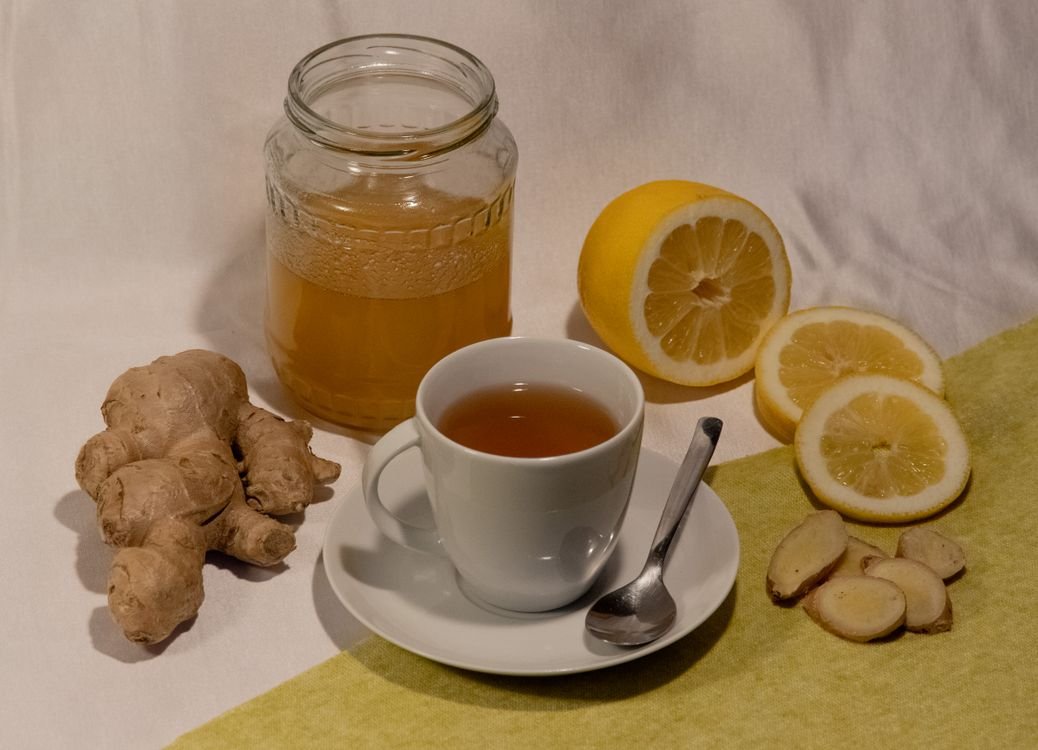
Ginger has a long history of use in home kitchens for digestion, nausea, and bloating. Many people find its warm, soothing flavour comforting, and it is often used in teas, soups, and simple cooking. Ginger may help support digestion by encouraging the stomach to empty more steadily, which could reduce the feeling of fullness and pressure that sometimes follows a meal. Evidence is still developing, and ginger may not suit everyone, especially in large amounts, so gentle use is sensible.
A simple ginger tea can be made by simmering a few thin slices of fresh ginger in hot water for several minutes, then straining and sipping slowly. Some people prefer a weaker brew, using less ginger or a shorter steeping time. Ginger can also be added to vegetable soups, stir-fries, rice dishes, and warm porridge. Fresh ginger, dried ground ginger, and ginger tea all offer slightly different flavours, so readers can choose the form that feels most pleasant.
For readers who want to explore ginger further, the earlier article Ginger Benefits for Digestion and Bloating Relief looks at ginger in more detail and includes ideas for using it in everyday meals. As with any food remedy, moderation matters. People who take medication, are pregnant, or have a medical condition may want to check with a healthcare professional before using ginger regularly in larger amounts.
Natural Remedies for Acid Reflux Using Food Choices
Food choices play a central role in Natural Remedies for Acid Reflux. Certain foods may feel soothing, while others may trigger discomfort in some people. Oatmeal is a popular gentle breakfast choice. It is filling, mild in flavour, and easy to combine with banana, cooked apple, or a small spoonful of nut butter. Rice, potatoes, plain pasta, and wholemeal bread may also feel comfortable for many people, especially when served in moderate portions with vegetables and lean protein.
Lean protein such as chicken, turkey, fish, eggs, tofu, and lentils may be easier on digestion than very fatty meats or heavily fried foods. Cooking methods matter too. Grilling, baking, steaming, and poaching tend to feel lighter than deep frying. Vegetables such as green beans, broccoli, cauliflower, courgette, carrots, peas, and leafy greens are often well tolerated, especially when cooked until tender. Bananas and melon are often described as low-acid fruits that some people find comfortable, while citrus fruits and pineapple may feel sharp for others. Tolerance varies, so personal observation matters more than a fixed list.
Keeping portions moderate can make a real difference. A very large meal stretches the stomach and may increase pressure on the valve at the top of the stomach. Smaller, more frequent meals may feel easier for some people, although others prefer three regular meals. Trying a smaller evening meal, in particular, may help reduce nighttime symptoms.
Soothing Drinks and Herbal Teas for Acid Reflux
Drinks can either calm or irritate the digestive system. Water remains the simplest and most reliable choice. Herbal teas may also feel soothing, especially when sipped slowly. Chamomile tea is often chosen in the evening because of its gentle, calming flavour. Some people find it relaxing before bed, which may support better sleep. Fennel tea may also feel comforting after a meal, and some people enjoy it for bloating and fullness. Liquorice root tea is another traditional choice, although it is not suitable for everyone, especially people with high blood pressure or those taking certain medicines, so professional advice is wise before using it regularly.
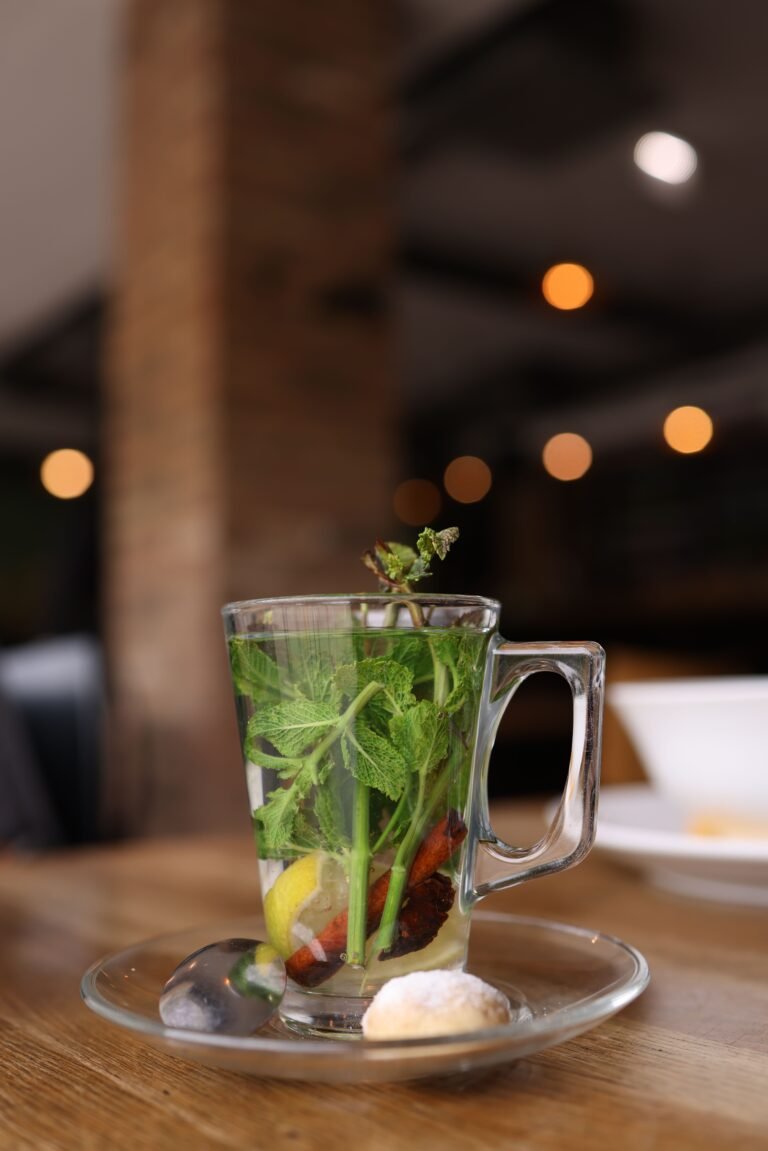
Peppermint tea, by contrast, may relax the valve at the top of the stomach and could make reflux worse for some people, so it is worth noticing personal responses rather than assuming all herbal teas help. Drinks that may trigger symptoms for some people include coffee, strong black tea, fizzy drinks, citrus juice, tomato juice, and alcohol. This does not mean everyone must avoid them completely. Some people find that a smaller cup of coffee earlier in the day feels fine, while coffee on an empty stomach or late in the evening feels uncomfortable. Reducing fizzy drinks, drinking them slowly, or choosing still water instead may help. Alcohol may relax the stomach valve and increase acid production, so limiting alcohol, especially in the evening, may support more comfortable nights.
Natural Remedies for Acid Reflux and Meal Timing
Meal timing is a key part of Natural Remedies for Acid Reflux. Eating late at night is a common trigger because lying down soon after a meal makes it easier for stomach acid to move upward. Allowing two to three hours between the last meal or snack and bedtime may help many people. This does not need to be rigid every night, but as a regular habit it may reduce nighttime heartburn.
Breakfast timing may also matter. Some people feel better when they eat a light breakfast soon after waking rather than waiting until mid-morning and then eating a large meal. Regular meal times may help the digestive system settle into a rhythm, and avoiding long gaps followed by very large meals may reduce pressure on the stomach. Snacking habits deserve attention too. A large snack close to bedtime, especially one that is rich, spicy, or fatty, may trigger symptoms during the night. If a bedtime snack is needed, a small, plain option such as a banana, a few oatcakes, or a small bowl of oatmeal may feel gentler. Eating slowly, even for snacks, and avoiding eating while rushing, working, or watching a screen may help the body register fullness and reduce overeating.
Sleeping Position and Nighttime Heartburn Relief
Nighttime heartburn can disturb sleep and leave people feeling tired the next day. Sleeping position may make a difference. Lying flat may allow stomach acid to flow more easily into the food pipe. Raising the head of the bed by a few inches may help gravity keep acid lower in the stomach. This can be done with bed risers under the legs at the head end, or with a wedge-shaped pillow that raises the upper body gradually. Using extra pillows under the head alone may bend the neck and feel uncomfortable, so a gradual slope is often more effective.
Sleeping on the left side may also help some people, as this position may keep the stomach below the food pipe. Sleeping on the right side or on the stomach may feel less comfortable for others. Trying the left side for a few nights and noting any change in symptoms may be a simple experiment. A calm bedtime routine may support better sleep overall. Avoiding large meals, alcohol, and caffeine in the evening, keeping the bedroom cool and dark, and allowing time to unwind may all help. If heartburn regularly wakes a person at night, or if sleep is often disturbed, it is worth discussing with a healthcare professional rather than relying only on home remedies.
Foods That May Trigger Heartburn and Gentle Alternatives
Identifying personal triggers is one of the most useful steps in managing acid reflux naturally. Common triggers reported by many people include spicy foods, fatty or fried foods, citrus fruits and juices, tomato sauces, onions, garlic, chocolate, coffee, fizzy drinks, and alcohol. Mint, including peppermint and spearmint, may also be a trigger for some people. These foods do not affect everyone in the same way, so a short trial of reducing one food at a time may be more helpful than cutting out many foods at once.
Gentle alternatives can make meals enjoyable without relying on triggers. Instead of a rich tomato sauce, a light vegetable sauce with olive oil, herbs, and cooked vegetables may feel kinder. Instead of fried foods, grilled or baked versions with herbs may offer flavour without heaviness. Instead of chocolate dessert, a baked apple with cinnamon, a banana with a little yoghurt, or a small bowl of berries may feel lighter. Mild herbs such as basil, parsley, oregano, thyme, and rosemary may add flavour without the heat of chilli. Cooking at home makes it easier to control ingredients, portion sizes, and cooking methods.
It is important not to become overly restrictive. Cutting out whole food groups without a clear reason may lead to a limited diet and unnecessary stress. If a food seems to cause symptoms, try reducing it for a couple of weeks, note any change, and then reintroduce a small amount to see how the body responds. If symptoms persist despite dietary changes, professional advice may help identify other causes.
Natural Remedies for Acid Reflux and Pregnancy Considerations
Heartburn is common during pregnancy, especially in later months, as the growing baby puts pressure on the stomach and hormonal changes may relax the stomach valve. Natural Remedies for Acid Reflux during pregnancy need extra care, because many herbal products, supplements, and medicines are not suitable in pregnancy. Gentle habits are usually the safest starting point.
Eating smaller, more frequent meals, avoiding large meals late in the evening, staying upright after eating, and wearing loose clothing may help. Sleeping with the upper body slightly raised may also bring comfort. Food triggers may be similar to those outside pregnancy, although tolerance can change during pregnancy, so noticing personal patterns is important. Ginger tea in small amounts is often used for nausea in pregnancy, but amounts and frequency should be discussed with a midwife or doctor. Herbal teas, aloe vera juice, liquorice, and supplements should not be used without professional advice during pregnancy. Any severe, persistent, or new symptoms in pregnancy should be discussed promptly with a healthcare professional. This section is educational information only and is not a substitute for antenatal care.
Seeking Medical Support for Persistent Heartburn
Natural remedies may help mild and occasional heartburn, but persistent or severe symptoms deserve medical attention. It is important to seek support if heartburn happens most days, lasts for several weeks, does not improve with self-care, or keeps returning after treatment. Difficulty swallowing, pain when swallowing, unexplained weight loss, persistent vomiting, blood in vomit or stools, black stools, chest pain, or shortness of breath are signs that need prompt medical care.
A doctor may ask about symptoms, diet, medicines, and medical history. Some medicines, including certain pain relievers and supplements, may contribute to reflux. A doctor can review medicines and suggest changes where appropriate. Tests may sometimes be needed to check for inflammation, narrowing of the food pipe, or other conditions. Treatment options may include medicines that reduce stomach acid or protect the lining of the food pipe. These should only be used as advised by a healthcare professional. People who already take medicine for reflux should not stop it suddenly without medical advice, even if they start using natural remedies.
A Note on Safety and Responsible Use
This article is for educational information only and is not medical advice. Natural Remedies for Acid Reflux discussed here are general ideas that may suit some people and may not suit others. Readers should consult a healthcare professional before starting a new remedy, especially if symptoms are severe, persistent, or new, if they are pregnant or breastfeeding, if they take regular medication, or if they have a known digestive condition, heart condition, or other medical condition. Do not ignore persistent heartburn or try to treat severe symptoms at home without professional support. If symptoms change, worsen, or include warning signs such as difficulty swallowing, unexplained weight loss, vomiting, chest pain, or shortness of breath, seek medical care promptly. A healthcare professional can offer personalised advice based on individual health history and needs.
Final Thoughts on Natural Remedies for Acid Reflux
Natural Remedies for Acid Reflux offer a gentle, practical approach to easing heartburn and supporting digestion. Eating slowly, choosing moderate portions, noticing personal triggers, allowing time between meals and bedtime, raising the head of the bed, staying hydrated, and managing stress may all contribute to greater comfort. Soothing foods such as oatmeal, bananas, cooked vegetables, lean protein, and ginger tea may help many people feel more at ease after meals. There is no single remedy that works for everyone, and no natural approach can guarantee freedom from heartburn. Progress is often gradual, with small improvements adding up over weeks. Keeping a simple diary, trying one change at a time, and noticing what helps may lead to a routine that feels sustainable and kind to the body. With patience, observation, and professional support when needed, many people can find a calmer and more comfortable way to live with acid reflux.