Peppermint Tea Benefits for Digestion and IBS Relief
Peppermint tea has long been a familiar drink at the end of a meal, in a quiet moment before bed, and on days when the stomach feels unsettled. Its cool, fresh flavour comes from peppermint leaves, a plant in the mint family that has been used in food, drink and home remedies for many generations. Peppermint Tea Benefits for Digestion are often described in simple, everyday terms: a warm cup may feel soothing, it may help the stomach settle after eating, and it may offer gentle comfort when bloating or fullness makes the day less pleasant. This article looks at those ideas in a calm and balanced way, with practical brewing guidance, daily use suggestions, and clear notes on limits and safety. It is written for readers in the United States and the United Kingdom who want reliable, easy to understand information, and it keeps a careful tone throughout. Peppermint tea is not a treatment, and it is not presented here as a cure for any condition. For many people, however, it can be a pleasant and low cost addition to a wider routine that also includes regular meals, enough water, gentle movement, stress management and, where needed, advice from a healthcare professional.
Peppermint Tea Benefits for Digestion and Everyday Comfort
Peppermint Tea Benefits for Digestion are often noticed first in small, everyday moments rather than in dramatic changes. A cup after lunch may feel warming and refreshing at the same time, and the simple act of sitting down with a hot drink can encourage a slower pace after eating. Peppermint contains menthol, the compound that gives the plant its cooling taste and scent, and many people associate that freshness with a feeling of lightness. Some people find that the aroma alone helps them pause and relax, which can matter because tension and hurried eating are often linked with discomfort after meals. A warm drink may also support the habit of drinking enough fluid during the day, and staying hydrated is part of general digestive comfort for many people. Peppermint tea is naturally caffeine free when it is made from pure peppermint leaves, so it can be enjoyed in the evening without the stimulating effect of black tea or coffee. The flavour is strong enough to feel satisfying on its own, so many people drink it without sugar, honey or milk, although a small amount of honey is a personal choice for some. The overall picture is modest and practical: peppermint tea may offer comfort, warmth, hydration and a pleasant ritual, and those simple qualities are often enough to make it a regular part of a balanced daily routine.
Peppermint Tea Benefits for Digestion After Meals
Peppermint Tea Benefits for Digestion after meals are a common reason people reach for this drink, especially after a larger lunch or dinner. Eating quickly, eating while distracted, or eating a rich meal can leave some people feeling full, sluggish or gassy, and a warm cup of peppermint tea may feel like a gentle way to mark the end of the meal. Some people find that sipping slowly helps them avoid gulping air, which can add to a feeling of fullness, and the warmth of the drink may feel relaxing to the stomach area. Peppermint has traditionally been used after meals in many cultures, and that long history is part of why it remains popular today, even though modern research on peppermint tea itself is limited and results can vary from person to person. It may help to think of peppermint tea as one small part of after meal comfort rather than a single solution. Eating at a steady pace, chewing food well, taking a short gentle walk after eating, and avoiding very large late night meals may also support comfort for some people. A cup of peppermint tea can fit naturally beside those habits. If discomfort after meals is frequent, severe or new, it is worth speaking with a healthcare professional rather than relying on any single drink.
The Gentle Flavour and Warmth of Peppermint Tea
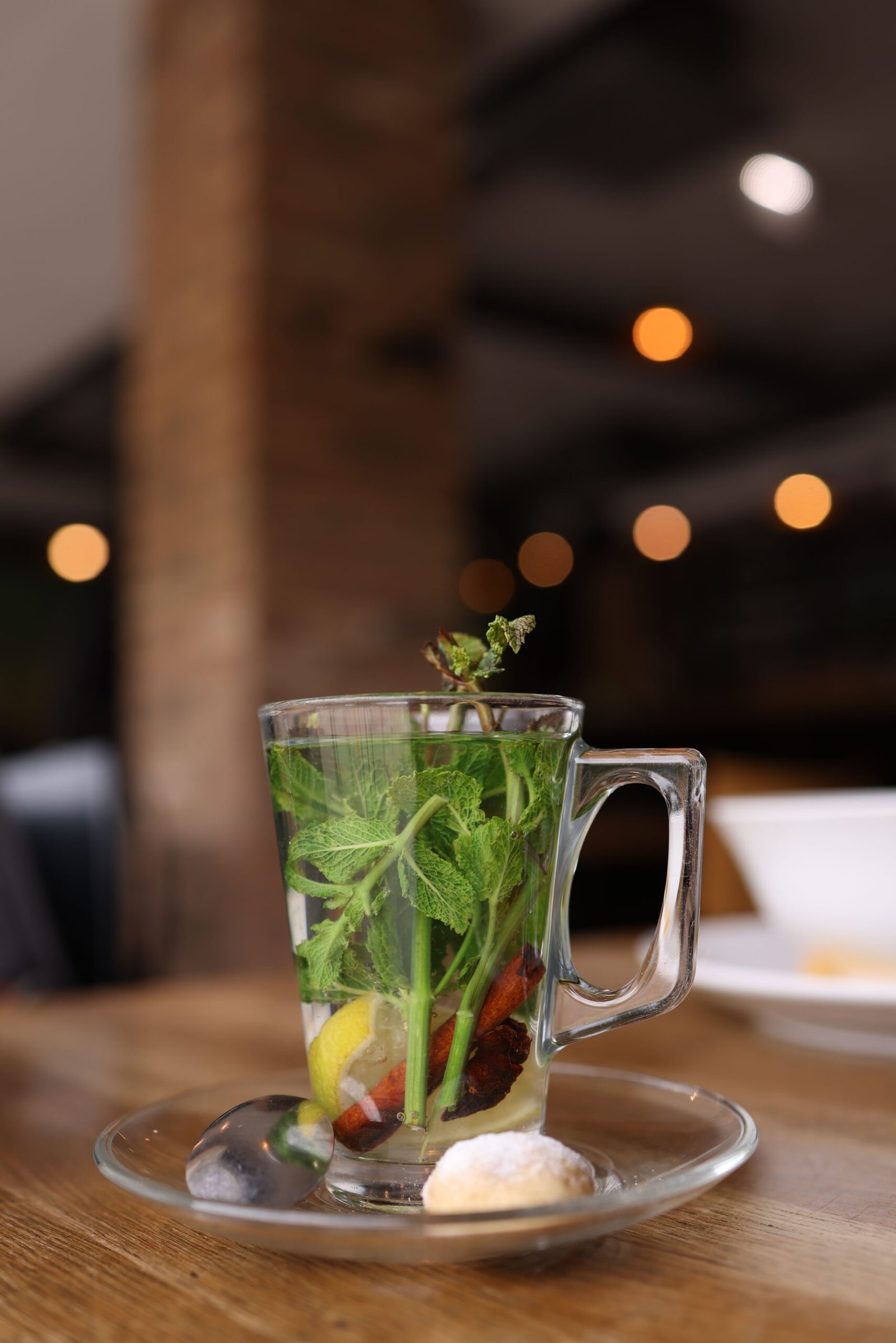
Peppermint tea is made by steeping dried or fresh peppermint leaves in hot water, and the result is a clear, pale golden drink with a bright mint flavour. The taste is cooler and sharper than spearmint, and it leaves a light, clean feeling in the mouth. That freshness is one reason people enjoy it after garlic, onion, cheese or other strong flavoured foods. The warmth of the cup in the hands and the steam rising from the surface can also feel calming, especially in cold weather or at the end of a long day. Some people drink peppermint tea plain, while others add a slice of lemon, a small piece of fresh ginger, or a little honey. Lemon may add brightness, and ginger is another traditional ingredient that some people enjoy for digestive comfort. Readers who want more on ginger can read the related article Ginger Benefits for Digestion and Bloating Relief for a separate look at that ingredient. When adding other ingredients, it is best to keep the drink simple and to notice how the stomach responds. Very hot drinks can irritate the mouth and throat, so allowing the tea to cool to a comfortable sipping temperature is a sensible step. Fresh leaves can be used when they are available, and dried leaves or tea bags offer a convenient option for daily use. Storing dried peppermint in a cool, dry place in a sealed container may help keep its flavour fresher for longer.
Peppermint Tea Benefits for Digestion and Bloating Support
Peppermint Tea Benefits for Digestion and bloating support are among the most talked about reasons for drinking this tea. Bloating can feel uncomfortable and distracting, and it may follow a large meal, a change in diet, swallowing air while eating quickly, or a period of stress. Some people find that a warm cup of peppermint tea feels soothing when the stomach feels tight or full, and the menthol flavour may give a sense of freshness that makes the discomfort feel less heavy. Peppermint oil in capsule form has been studied more than peppermint tea, and those studies do not directly prove the same effect for a cup of tea, so it is important to keep expectations realistic. A cup of tea contains a much smaller amount of peppermint compounds than a concentrated oil capsule, and the experience may be gentler and more variable. That does not mean the tea has no place in a daily routine. For some people, the combination of warmth, hydration, a slower pace and a pleasant flavour may be enough to make bloating feel more manageable on an ordinary day. Keeping a simple food and symptom note for a short period may help some readers see patterns, and that note can be useful to share with a healthcare professional if symptoms continue. Peppermint tea should not replace medical advice, and persistent bloating, pain, or changes in bowel habits deserve proper attention.
Peppermint Tea Benefits for Digestion and IBS Comfort
Peppermint Tea Benefits for Digestion and IBS comfort are often discussed by people living with irritable bowel syndrome, a common condition that can involve abdominal pain, bloating, gas, and changes in bowel habits. IBS can affect daily life in many ways, and people living with it often look for gentle, low cost habits that may help them feel more comfortable. Some people with IBS find that peppermint tea feels soothing, especially during mild discomfort, and they enjoy it as part of a calm routine. It is important to be clear that peppermint tea is not a treatment for IBS, and it may not suit everyone with the condition. Some people with IBS also live with reflux or heartburn, and peppermint may make those symptoms feel worse for some individuals. That is why personal experience matters, and why starting with a small amount and noticing the response is a sensible approach. Reliable information about IBS can be found from the National Health Service and from the National Institute of Diabetes and Digestive and Kidney Diseases, and both sources describe symptoms, possible triggers and general management ideas in clear language. Peppermint tea can sit beside those steps as a comforting drink for some people, but it should not be used as a replacement for a diagnosis, a care plan, or prescribed treatment. If IBS symptoms change, become severe, or include signs such as unexplained weight loss, blood in the stool, or persistent pain, medical advice should be sought promptly.
Brewing Peppermint Tea for Gentle Daily Use
Brewing peppermint tea well is simple, and a little care with temperature and time may make the flavour smoother and more pleasant. Start with fresh water and bring it to a boil, then pour it over one tea bag or about one teaspoon of dried peppermint leaves in a cup or teapot. Cover the cup if possible, and allow the tea to steep for about three to five minutes. A shorter steep may give a lighter flavour, while a longer steep may give a stronger taste that some people find too sharp. Fresh leaves may need a slightly longer steep, and gently crushing them before adding hot water may help release more flavour. Once the tea has steeped, remove the bag or strain the leaves, and allow the drink to cool for a minute or two before sipping. Drinking it warm rather than very hot is more comfortable and may feel gentler on the throat and stomach. Some people enjoy peppermint tea on its own, while others add a small amount of honey or a slice of lemon. If honey is used, adding it after the tea has cooled slightly may help preserve its flavour. Iced peppermint tea is another option in warm weather, made by brewing a stronger cup, allowing it to cool, and serving it over ice with fresh mint leaves. Keeping the recipe simple is usually best, especially when trying peppermint tea for the first time, because it makes it easier to notice how the body responds without other ingredients confusing the picture.
Daily Use, Timing and Sensible Amounts
Many people drink one to three cups of peppermint tea a day, often after meals or in the evening, and that amount is a common and sensible pattern for a caffeine free herbal drink. There is no single amount that suits everyone, so personal comfort, other drinks during the day, and any health conditions should guide the choice. A cup after lunch or dinner is a popular time, and a cup in the evening may suit readers who want a warm drink without caffeine before bed. Some people prefer a cup mid morning as a refreshing break, while others save it for days when they feel bloated or heavy after eating. Drinking peppermint tea with or after food, rather than on a very empty stomach, may feel gentler for some people. It may also help to spread cups through the day instead of drinking several cups in a short period, and to keep total fluid intake balanced with plain water. Readers who take medication, who are pregnant or breastfeeding, or who live with a long term digestive condition should check with a healthcare professional before making peppermint tea a daily habit, because individual advice matters more than a general suggestion. Keeping a short note about timing and comfort for a week or two may help readers decide whether peppermint tea feels helpful for them, and whether a smaller or larger amount feels better. The goal is a calm, enjoyable routine, not a strict rule.
Peppermint Tea, Gas and Everyday Fullness
Gas and a feeling of fullness are common and often uncomfortable, and they can follow eating too quickly, talking while eating, drinking fizzy drinks, or eating foods that are harder to digest. Some people find that a warm cup of peppermint tea feels comforting when gas or fullness is present, and the slow act of sipping may help them relax and eat more slowly at the next meal. The cooling flavour may also make the stomach feel fresher after a rich or heavy meal. It is important to keep this in perspective, because peppermint tea does not remove gas or change digestion in a guaranteed way, and the effect, if any, may be mild and different for each person. Habits that may help alongside tea include chewing food thoroughly, putting cutlery down between bites, avoiding very large portions late at night, and taking a short gentle walk after eating. Some people notice that carbonated drinks, chewing gum, or drinking through a straw add to a feeling of fullness, and reducing those habits for a short time may help them see whether comfort improves. If gas or fullness is frequent, painful, or linked with other symptoms such as diarrhoea, constipation, or weight loss, it is worth seeking medical advice. Peppermint tea can be a pleasant companion on ordinary days, but it is not a substitute for understanding the cause of persistent symptoms.
Peppermint Tea and Relaxation After Eating
Relaxation is often overlooked when people think about digestion, yet stress and rushing can make the stomach feel more sensitive for many people. A cup of peppermint tea may support a calmer moment after eating, because making tea, waiting for it to steep, and sipping it slowly creates a natural pause in the day. That pause may help people step away from screens, work, or chores for a few minutes, and that break alone can feel restorative. Some people enjoy peppermint tea as part of an evening wind down routine, with a book, gentle music, or a short period of quiet. Others drink it after a walk or after preparing a meal, as a way to mark the shift from cooking and eating to rest. The scent of peppermint may also feel refreshing and clear, and many people associate it with cleanliness and calm. These are soft, personal benefits rather than medical effects, and they may matter most on busy days when the stomach feels tense. Combining peppermint tea with other gentle habits, such as regular sleep, light movement, and time outdoors, may support general wellbeing more than any single drink on its own. Readers should choose a routine that feels realistic and enjoyable, rather than adding pressure to follow a perfect plan.
Possible Limits, Side Effects and Cautions
Peppermint tea is generally enjoyed by many people, but it does not suit everyone, and knowing the limits may help readers use it wisely. Some people with reflux, heartburn, or a hiatus hernia find that peppermint makes their symptoms feel worse, and for those readers a different herbal drink may be more comfortable. Peppermint may also interact with certain medicines, and people who take regular medication should ask a pharmacist or healthcare professional before drinking it every day. Pregnant and breastfeeding readers should also seek personal advice, because guidance can vary and individual circumstances matter. Allergic reactions to mint are uncommon, but anyone who notices a rash, itching, swelling, or breathing difficulty after drinking peppermint tea should stop drinking it and seek medical help. Very strong peppermint tea, or drinking large amounts in a short time, may feel too intense for some people, so starting with one mild cup and noticing the response is a sensible first step. Children should only drink herbal tea with guidance from a parent and, where needed, a healthcare professional, and the tea should be served at a safe temperature. Peppermint tea should not be used to delay medical care, and it should not replace prescribed treatment for IBS, reflux, or any other condition. A balanced view means enjoying the drink when it feels helpful, and setting it aside when it does not.
A Calm Daily Routine With Peppermint Tea
A simple daily routine may help readers enjoy peppermint tea without making it complicated. A cup after lunch can be a refreshing break, a cup after dinner may mark the end of the evening meal, and a cup before bed may suit readers who want a caffeine free warm drink. Keeping peppermint tea bags or dried leaves in the kitchen makes the habit easy, and a favourite cup or teapot may make the moment feel more special. Some people like to pair tea with a short walk, a few minutes of stretching, or a quiet break from screens. Others enjoy it while planning the next day or catching up with family. The routine does not need to be the same every day, and missing a cup does not matter. What matters is finding a pattern that feels pleasant and sustainable, and that fits with meals, sleep, and other daily habits. Readers who are trying peppermint tea for IBS related comfort may find it helpful to keep the routine steady for a short period, notice any changes in comfort, and share those notes with a healthcare professional if they are seeking advice. Peppermint tea works best as one small, enjoyable part of a wider approach to digestive comfort, alongside balanced meals, enough water, gentle movement, rest, and personalised medical guidance where needed.
Important Disclaimer
This article is for educational information only and is not medical advice. It does not diagnose, treat, cure, or prevent any disease, and it should not be used as a substitute for advice from a qualified healthcare professional. Readers should consult a healthcare professional before using peppermint tea regularly, especially if they live with IBS, are pregnant or breastfeeding, take medication, have reflux or another digestive condition, or have persistent, severe, or changing symptoms. If symptoms are new, worrying, or do not improve, medical advice should be sought promptly. Individual responses to peppermint tea can vary, and what feels soothing for one person may not suit another, so personal experience and professional guidance should always come first.