Natural Remedies for Dandruff and Itchy Scalp
Natural Remedies for Dandruff offer a gentle starting point for people who want to calm an itchy, flaky scalp without harsh products. Dandruff is common in the United States and the United Kingdom, and it can affect adults of all ages. White or yellowish flakes on the hair and shoulders, an itchy scalp, and a feeling of dryness or oiliness can be uncomfortable and can affect confidence. This guide explains Natural Remedies for Dandruff in plain, careful language, describes how gentle ingredients are generally used, and offers a realistic weekly routine that places scalp comfort first. It does not promise a cure, because dandruff has several possible causes and some scalp conditions need medical care. Instead, it helps readers understand what natural remedies may support, how to use them safely, and when professional advice is the better choice.
Many people try natural remedies first because they want a low-cost, simple routine they can maintain at home. A gentle shampoo, a soothing oil, a diluted rinse, and careful hair handling can make a real difference to how the scalp feels day to day. Natural remedies work best as part of a broader routine that includes regular washing, gentle handling, balanced nutrition, enough sleep, and stress management. They are not a replacement for medical treatment when dandruff is severe, persistent, or accompanied by redness, pain, scaling, or hair loss. A calm, patient approach usually works better than trying many strong treatments at once. This article keeps expectations realistic and focuses on comfort, consistency, and safe use.
Understanding Dandruff and Itchy Scalp
Dandruff is a common scalp condition in which flakes of skin shed from the scalp more quickly than usual. The scalp naturally sheds skin cells, but in dandruff this process speeds up and the flakes become visible. An itchy scalp often goes with dandruff, and scratching can make irritation worse. Some people have a dry scalp, while others have an oily scalp, and both can be linked to flaking. Dry indoor air, cold weather, infrequent washing, product buildup, and harsh shampoos can all make the scalp feel less comfortable. A yeast-like fungus that lives naturally on the scalp is also linked to dandruff in many people, and sensitivity to it can lead to faster skin shedding and itching. Stress, illness, and changes in routine can make symptoms flare for a time. Dandruff is not caused by poor hygiene alone, and it is not contagious. It can be frustrating, but it is common and it can often be managed with gentle care. Understanding the scalp is the first step, because a remedy that suits a dry scalp may not suit an oily scalp. Readers should observe whether their scalp feels dry, oily, tight, sore, or simply itchy, and choose gentle care that matches that feeling. If flakes are thick, yellow, crusty, or painful, or if the scalp is very red, that may suggest a different scalp condition that needs professional assessment.
Natural Remedies for Dandruff and Common Causes
Natural Remedies for Dandruff are usually aimed at calming the scalp, reducing flaking, and supporting a healthier scalp environment. Common causes include a dry scalp, excess oil, product buildup, sensitivity to hair products, and a natural yeast on the scalp. Cold weather and dry indoor heating can dry the scalp, while infrequent washing can allow oil and dead skin to build up. Harsh shampoos, strong styling products, and frequent heat styling can also irritate the scalp. Some people notice that stress, lack of sleep, or a change in diet seems to make flaking worse, although these factors affect people differently. Natural remedies may help by gently cleansing the scalp, adding moisture where it is needed, and soothing itching. Aloe vera may feel cooling, coconut oil may add moisture, tea tree oil may help with scalp freshness when used in a very diluted form, and a diluted apple cider vinegar rinse may help remove buildup. These ingredients describe general properties rather than proven medical effects, and readers should view them as possible support rather than guaranteed results. It is also important to keep expectations realistic, because dandruff often needs ongoing care rather than a single treatment. A remedy that helps one person may not help another, and a gentle routine that is repeated regularly is usually more useful than a strong treatment used once.
Natural Remedies for Dandruff With Gentle Scalp Care
Natural Remedies for Dandruff start with gentle scalp care. Choose a mild shampoo that suits the hair type, wash with lukewarm water, and avoid scrubbing the scalp with nails. Rinse thoroughly, because shampoo and conditioner left on the scalp can add to buildup and itching. Washing frequency depends on hair type and lifestyle, but most people benefit from washing when the scalp feels oily or dirty rather than following a rigid schedule. Over-washing can dry the scalp, while under-washing can allow oil and flakes to accumulate. A gentle scalp massage with fingertips during washing may help loosen flakes and distribute shampoo evenly. Keep the massage light and slow, and avoid scratching, because scratching can break the skin and make irritation worse. After washing, pat hair dry with a soft towel rather than rubbing vigorously, because hair is more fragile when wet. A wide-tooth comb can help detangle wet hair without pulling. Heat styling should be used sparingly, and a heat protectant may help when heat is used. Tight hairstyles can pull on roots and may add discomfort, so looser styles may feel better on an itchy scalp. Readers should also rinse hair after swimming, because chlorine and salt water can dry the scalp. Gentle care alone may reduce flaking for some people, and it creates a calm base for any natural remedy that follows.
Natural Remedies for Dandruff With Tea Tree Oil and Aloe Vera
Natural Remedies for Dandruff often include tea tree oil, which is valued for its fresh scent and its traditional use in scalp care. Tea tree oil should never be applied undiluted to the scalp, because it can cause irritation, redness, and itching. A common gentle approach is to add a very small amount, such as two or three drops, to a tablespoon of a carrier oil such as coconut oil or almond oil, or to a small amount of mild shampoo. Apply the diluted mixture to the scalp, leave it for a short time, and rinse thoroughly. First-time users should start with a weaker dilution and a short application time. Aloe vera is a gentler option that many people find soothing. Fresh aloe vera gel or a plain, fragrance-free aloe vera gel can be applied to the scalp and left for fifteen to twenty minutes before washing. It feels cooling, adds moisture, and may help calm itching. Aloe vera can be used on its own or mixed with a small amount of carrier oil. Readers should introduce only one new ingredient at a time, so that any reaction can be traced to a specific ingredient. If tea tree oil causes burning, strong redness, or increased itching, stop using it and rinse the scalp with lukewarm water. Aloe vera is usually well tolerated, but a patch test is still sensible. These ingredients may help the scalp feel calmer and fresher, although results vary and they do not replace medical treatment for severe scalp conditions.
Natural Remedies for Dandruff With Coconut Oil and Apple Cider Vinegar
Natural Remedies for Dandruff also include coconut oil, which may help add moisture to a dry scalp and may make flakes easier to remove during washing. Warm a small amount of coconut oil until it is liquid but not hot, apply it lightly to the scalp with clean fingertips, and massage gently for two to three minutes. Leave it for twenty to thirty minutes, then wash with a mild shampoo. People with very oily scalps may prefer a lighter application or a shorter time, because too much oil can leave hair feeling heavy. Coconut oil should not be left on overnight without a patch test and careful washing, because prolonged oil on the scalp can trap buildup for some people. Apple cider vinegar is another popular remedy, used as a diluted rinse rather than a direct application. Mix one part apple cider vinegar with four parts water, pour it gently over the scalp after shampooing, leave it for two to three minutes, and rinse thoroughly with lukewarm water. The rinse may help remove buildup and may leave hair feeling smoother. It should always be diluted, because undiluted vinegar can sting and dry the scalp. People with cuts, sores, or a very sensitive scalp should avoid vinegar rinses until the skin has healed. Coconut oil and apple cider vinegar can be used on different days rather than together, which makes it easier to see which one suits the scalp. Both are simple, low-cost options that fit well into a weekly routine.
A Calming Weekly Routine With Natural Remedies for Dandruff
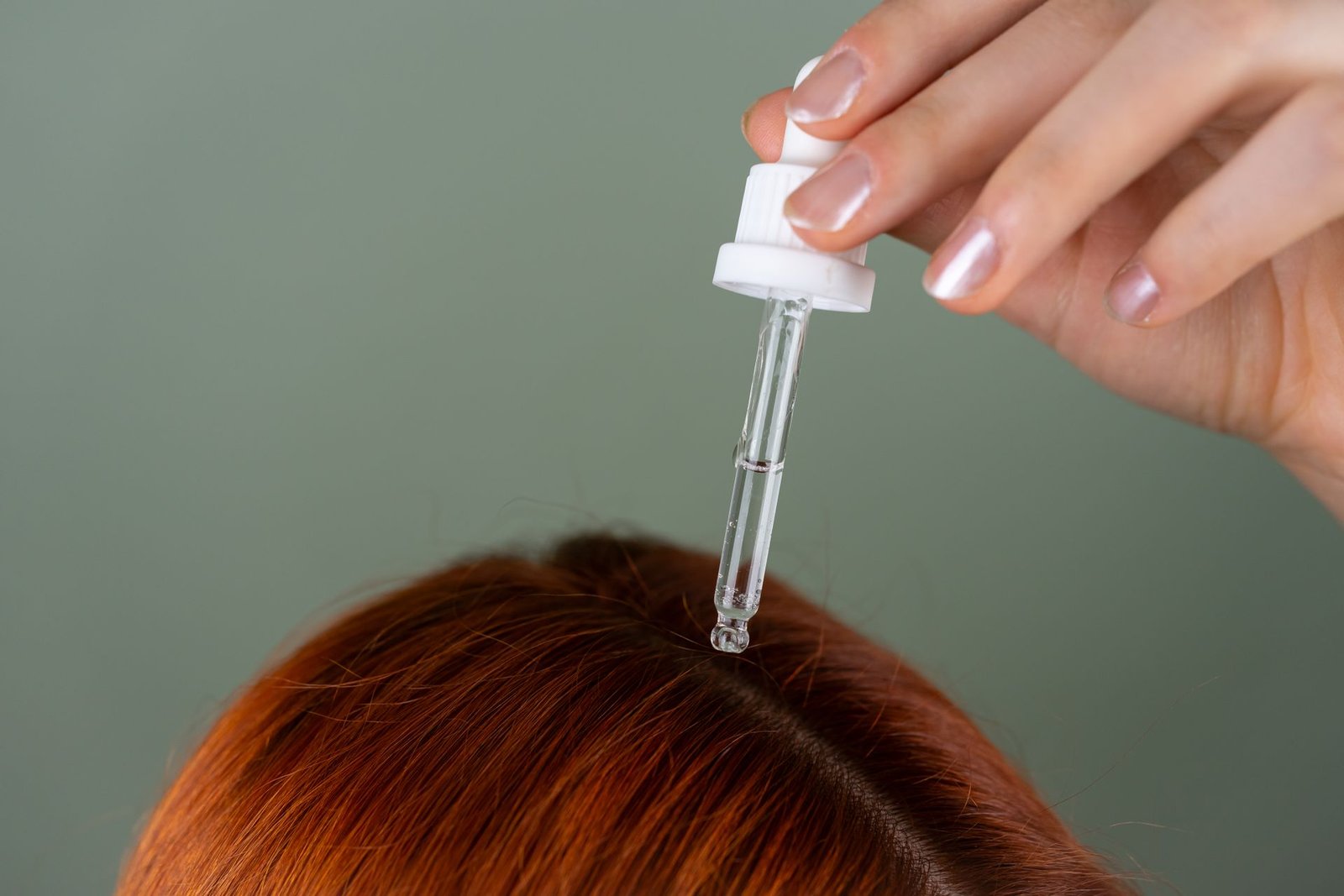
A calming weekly routine with Natural Remedies for Dandruff begins with choosing two treatment days, with at least two or three days between them. On a treatment day, start with a patch test if a new ingredient is being used, then apply the chosen remedy to the scalp in sections. Part the hair gently, apply a small amount to the exposed scalp, move to the next section, and continue until the scalp is lightly covered. Massage gently with fingertips for two to three minutes, then leave the remedy for fifteen to thirty minutes. A shower cap or a clean towel can help keep the treatment in place. Avoid leaving treatments on overnight, because prolonged contact increases the risk of irritation. After the waiting period, wash with a mild shampoo and lukewarm water, rinse thoroughly, and use conditioner mainly on the lengths and ends. On non-treatment days, keep the routine simple: gentle washing when needed, careful detangling, and loose hairstyles. A diluted apple cider vinegar rinse can be used once a week after shampooing if the scalp tolerates it. Keeping notes about flaking, itching, and scalp comfort can help readers see gradual change over several weeks. Hair and scalp care is slow, and a remedy should be judged over a few weeks rather than after one use. If irritation appears, pause the routine and allow the scalp to recover. Readers who also want support for thinning hair may find Natural Remedies for Hair Fall and Thicker Hair useful, and onion juice is discussed in Onion Juice Benefits for Hair Growth.
Mistakes to Avoid When Using Natural Remedies for Dandruff
One common mistake is using a remedy too often or leaving it on for too long. Daily use of a strong oil, undiluted tea tree oil, or undiluted vinegar can irritate the scalp and may make flaking worse. The scalp needs time to rest between treatments, and more frequent use does not necessarily mean more benefit. A weekly routine with short applications is a safer starting point. Another mistake is scratching the scalp to remove flakes. Scratching can break the skin, increase redness, and raise the risk of infection. Gentle washing and a light massage are safer ways to loosen flakes. A further mistake is trying many new ingredients at once. If several products are started on the same day and irritation appears, it is hard to know which one caused it. Introduce one ingredient at a time and allow a few days between new additions. Using dirty tools, sharing combs and brushes, or applying a remedy to a scalp with cuts or sores can also cause problems. Readers should also avoid harsh shampoos, strong styling products, and excessive heat while the scalp is irritated. It is a mistake to expect immediate results, because dandruff often needs ongoing care and gradual improvement. Comparing progress with others can also be misleading, because scalps differ. A balanced approach, with gentle care and healthy habits, is more likely to support a calmer scalp over time than a search for a single quick solution.
Patch Testing and Safe Use of Natural Remedies for Dandruff
A patch test is an important step before using any new natural remedy on the full scalp, especially for people with sensitive skin, allergies, or a history of skin reactions. To do a patch test, apply a small amount of the diluted remedy to a small area of skin, such as behind the ear or on the inner forearm, and leave it for fifteen to twenty minutes before rinsing. Observe the area for twenty-four hours. If there is no redness, itching, swelling, or discomfort, the remedy may be suitable for a gentle scalp application. If any reaction appears, the remedy should not be used on the scalp, and the skin should be rinsed and allowed to settle. Safe use also means avoiding contact with the eyes, because oils, vinegar, and tea tree oil can sting. Apply remedies carefully, keep the head tilted slightly forward during application, and wash hands afterwards. If a remedy enters the eyes, rinse with clean, lukewarm water for several minutes and seek medical advice if irritation continues. People who are pregnant, breastfeeding, taking medication, or managing a scalp condition should consult a healthcare professional before using a new remedy regularly. Children should not use tea tree oil or vinegar rinses on the scalp without guidance from a healthcare professional. Readers with an allergy to any ingredient should not use it at all. People with eczema, psoriasis, seborrhoeic dermatitis, or another scalp condition should be cautious, because even natural ingredients may irritate already sensitive skin. In these cases, a dermatologist can suggest gentler options.
Signs That Suggest a Visit to a Dermatologist
Certain signs suggest that a dermatologist or doctor should be consulted rather than relying on home remedies alone. Thick, yellow, crusty flakes, severe redness, swelling, pain, oozing, or bleeding on the scalp are all reasons to seek professional advice. Dandruff that does not improve after several weeks of gentle care, dandruff that spreads to the eyebrows, ears, or face, and flaking accompanied by hair loss may also need assessment. A professional can examine the scalp, ask about medical history, and, if needed, arrange further checks. A dermatologist can also help distinguish between dandruff, seborrhoeic dermatitis, psoriasis, and fungal infections, which can look similar but may need different care. Using a home remedy on an undiagnosed scalp condition could irritate the skin or delay appropriate treatment. Professional advice is especially important for people who are pregnant, who have an immune condition, who are taking medication that affects the skin, or who have a history of skin reactions. Readers should not feel embarrassed about seeking help for dandruff. It is common, and dermatologists see these concerns regularly. Early assessment can sometimes identify a treatable cause and can prevent further irritation. General information about scalp conditions is available from trusted sources such as the American Academy of Dermatology and the National Health Service. Home remedies can still be part of a routine, but they work best when they are used alongside professional guidance rather than instead of it.
Closing Thoughts on Natural Remedies for Dandruff
Natural Remedies for Dandruff are best understood as part of a gentle, patient approach to scalp care. A mild shampoo, careful washing, a soothing oil or aloe vera treatment, and a diluted rinse may help support a calmer, more comfortable scalp and may reduce the appearance of flakes over time. Results vary, and no home remedy can guarantee a complete end to dandruff. Careful dilution, patch testing, short application times, and thorough rinsing are the habits that make natural remedies safer and more comfortable to use. Readers who try these remedies should start slowly, observe how their scalp responds, and stop if irritation appears. They should also look at the wider routine, including gentle handling, balanced nutrition, sleep, and stress management, because these factors influence scalp health. Lifestyle habits that support the scalp include drinking enough water, eating a balanced diet with enough protein, iron, zinc, and vitamins, sleeping regularly, and finding ways to manage stress. Small, sustainable changes are more useful than strict rules that are hard to maintain. If dandruff is severe, persistent, or accompanied by scalp pain, redness, or hair loss, professional advice should be sought without delay. With realistic expectations, a calm routine, and attention to scalp comfort, Natural Remedies for Dandruff may be a useful addition to natural hair care for many people.
Disclaimer: This content is educational information only and is not medical advice. Natural remedies may cause irritation or an allergic reaction in some people, and they are not suitable for everyone. Readers should consult a healthcare professional or dermatologist before using a new remedy regularly, especially if they have a severe scalp condition, are pregnant or breastfeeding, have allergies, or take medication that may affect the skin or hair. If irritation, pain, swelling, or worsening flaking or hair loss occurs, stop use and seek professional advice promptly.