Natural Remedies for Sinus Congestion Relief
Sinus congestion can make an ordinary day feel heavy. Pressure around the forehead, cheeks and nose, a blocked or runny nose, reduced sense of smell and a dull headache are common when the sinuses become irritated. Many people look for gentle ways to feel more comfortable while the body recovers, and Natural Remedies for Sinus Congestion offer a calm, practical starting point. These remedies are not presented as a cure and do not replace medical care. They are simple home measures that may help ease pressure, support clear breathing and soothe stuffiness while you rest.
The sinuses are small air-filled spaces around the nose, cheeks and forehead, lined with a thin layer of mucus that helps trap dust and other particles. When that lining swells, often during a cold, flu or allergy flare, mucus may drain less freely. Gentle home care focuses on keeping the nasal passages moist, helping mucus thin and drain, reducing irritation from dry air and supporting rest. Small, consistent steps often feel more helpful than trying many strong measures at once. This guide covers warm steam, saline rinses, fluids, rest, warm compresses, kitchen ingredients, essential oils, indoor air and daily routines, and it explains when professional advice is needed.
Understanding Sinus Congestion and Natural Remedies for Sinus Congestion
Sinus congestion usually develops when the tissues inside the nose and sinuses swell. A cold or flu virus, an allergy, smoke, strong fumes, dry indoor air and sudden temperature changes can all play a part. In many cases the congestion is short-lived and improves gradually as the irritation settles. In other cases it may linger, return often or feel worse at night and in the morning.
Pressure is often felt across the forehead, between the eyes or along the cheekbones. Some people notice a blocked nose on one side, then the other, or a feeling that mucus is dripping down the back of the throat. This drip can cause throat irritation, a need to clear the throat and a mild cough, especially when lying down. A reduced sense of smell and taste is also common while the passages are swollen, and it usually returns as the swelling eases.
Natural Remedies for Sinus Congestion work best when used gently and regularly rather than forcefully. The goal is not to force the sinuses open, but to create conditions that may help them drain more easily. Warmth and moisture may help thin mucus, fluids may help keep mucus from becoming thick, and rest may support recovery. Avoiding smoke, strong scents and very dry air can reduce further irritation. Authoritative information about sinusitis is available from the NHS and from Mayo Clinic.
Natural Remedies for Sinus Congestion Using Warm Steam and Humidity
Warm steam is one of the most widely used Natural Remedies for Sinus Congestion, and many people find it soothing. Steam adds moisture to the airways, and that moisture may help loosen mucus and ease dryness or tightness in the nose. A warm shower can be a simple way to use steam. Standing in warm water for several minutes and breathing normally through the nose may help the passages feel more open.
A bowl of hot water can also be used for steam inhalation. Fill a large bowl with hot, not boiling, water and place it on a stable surface. Lean over it at a comfortable distance, drape a towel loosely over your head and the bowl, and breathe slowly through your nose for a few minutes. Keep your face far enough away to avoid discomfort or burns, and stop if the heat feels too strong. Never use boiling water, and never leave a child unsupervised near hot water.
A humidifier can add moisture to indoor air, which may help when heating or air conditioning makes the air very dry. A clean humidifier in the bedroom may help some people breathe more comfortably overnight. Keep the device clean according to the maker instructions, using clean water and emptying the tank regularly. Short, regular steam sessions may feel more comfortable than long exposure to very hot steam. People with asthma or other breathing conditions should be cautious with steam and speak with a healthcare professional before trying new inhalation methods.
Saline Rinses as Natural Remedies for Sinus Congestion
Saline rinses are among the most practical Natural Remedies for Sinus Congestion. A saline solution is a gentle mix of salt and water that may help wash away mucus, dust and allergens and keep the lining moist. Many people find that a saline rinse brings a feeling of clearer breathing for a while, especially before bed or after being outdoors.
Ready-made saline sprays and rinses are available from pharmacies and are a convenient option. A simple saline spray can be used a few times a day as directed on the label. A squeeze bottle or neti pot can be used for a more thorough rinse. If you use a rinse device, follow the instructions carefully, use only sterile, distilled or previously boiled and cooled water, and clean the device after each use. Tap water should not be used directly in the nose.
To use a rinse, tilt your head slightly to one side over a sink, pour or squeeze the solution gently into the upper nostril, and allow it to flow out of the lower nostril or mouth. Breathe through your mouth during the rinse and blow your nose very gently afterwards. If a rinse causes pain, bleeding or a feeling of water trapped in the ear, stop and seek advice. If you have a blocked ear or a recent ear or sinus procedure, speak with a healthcare professional before using a rinse.
Hydration and Warm Fluids in Natural Remedies for Sinus Congestion
Staying hydrated is a simple and often overlooked part of Natural Remedies for Sinus Congestion. When the body has enough fluid, mucus tends to stay thinner and may drain more easily. Drinking water regularly through the day is a good foundation. Sipping rather than drinking large amounts at once may feel more comfortable, especially when the throat feels irritated.
Warm fluids can feel particularly soothing. Herbal tea, warm water with lemon, clear broth and warm milk with honey may help some people feel more comfortable, although preferences vary. The warmth may help relax the throat and create a gentle feeling of openness in the nose. Caffeine and alcohol can be dehydrating for some people, so water and caffeine-free drinks are often a better choice while congested.
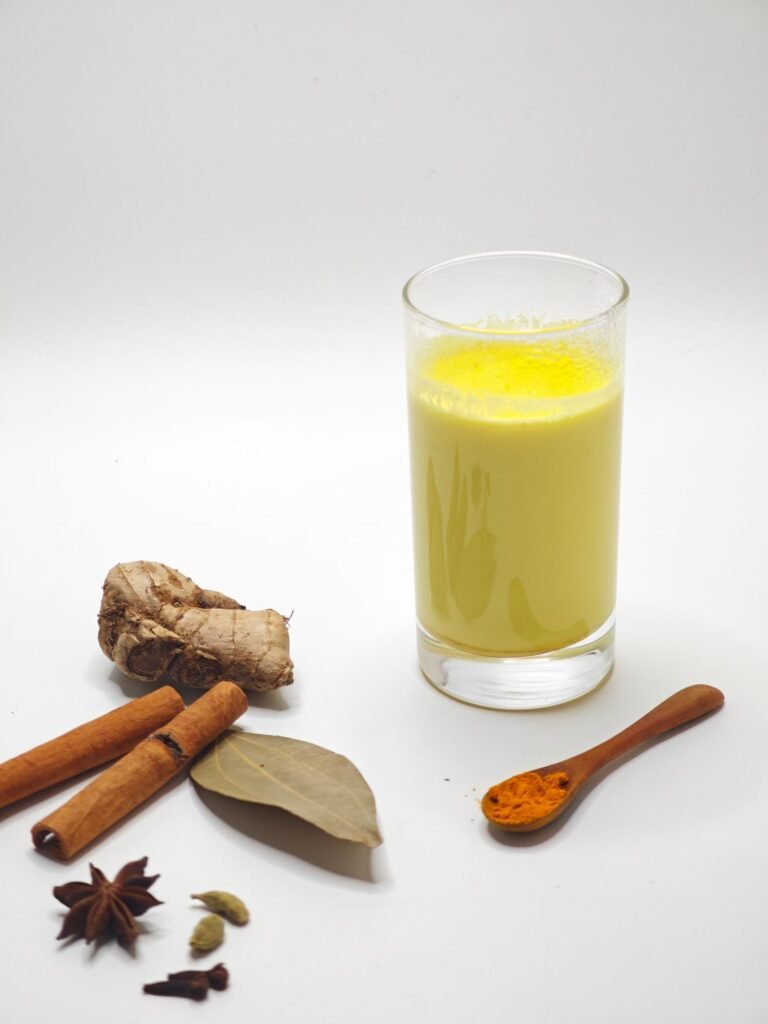
Soups can be a helpful part of sinus care, especially when appetite is low. A light vegetable soup, chicken soup or lentil soup provides fluid, warmth and nutrients in an easy form. Some people find that a mildly spiced soup with ginger or turmeric feels warming, while others prefer a plain soup. Fluid needs vary, and if you have a condition that limits fluid intake, follow the advice of your healthcare professional rather than trying to drink large amounts.
Rest, Sleep Position and Gentle Comfort Measures
Rest is an essential part of recovery, and it is often the remedy people skip first. When the body is fighting a cold, flu or allergy flare, energy is needed for healing. Taking time to rest, even for short periods during the day, may help you feel less drained. A short nap or a quiet hour with a book may be more helpful than pushing through fatigue.
Sleep position can make a difference to how congestion feels at night. Lying flat can sometimes make stuffiness feel worse, because mucus may pool and pressure may increase. Raising the head slightly with an extra pillow may help some people breathe more easily. The aim is comfort, not a steep angle that strains the neck. Some people find that sleeping on one side helps one nostril feel clearer.
Warm Compresses and Facial Massage for Sinus Pressure
A warm compress can be a simple way to ease facial pressure. Soak a clean cloth in warm water, wring it out so it is damp but not dripping, and place it gently over the forehead, nose or cheeks for several minutes. The warmth may help relax the muscles around the sinuses and create a feeling of comfort. Re-warm the cloth when it cools, and repeat as needed. Make sure the water is warm, not hot, and test it on the inside of your wrist before placing it on your face.
Gentle facial massage may also help some people feel less tense. Using clean hands, place your fingertips on the sides of the nose and make small, slow circles. Move gently across the cheekbones and up towards the forehead, using light pressure. Avoid pressing hard on tender areas, and stop if massage causes pain. Combining a warm compress with slow breathing can be calming. Sit comfortably, close your eyes and breathe in slowly through your nose and out through your mouth for a few minutes.
Natural Remedies for Sinus Congestion Through Diet and Kitchen Ingredients
Food cannot cure sinus congestion, but a balanced diet may support general health and comfort while you recover. Fresh fruits, vegetables, whole grains, legumes, nuts and seeds provide vitamins, minerals and fibre that support the body. Vitamin C rich foods such as oranges, lemons, bell peppers, broccoli and strawberries are often included in a healthy diet, although no single food should be relied on as a remedy.
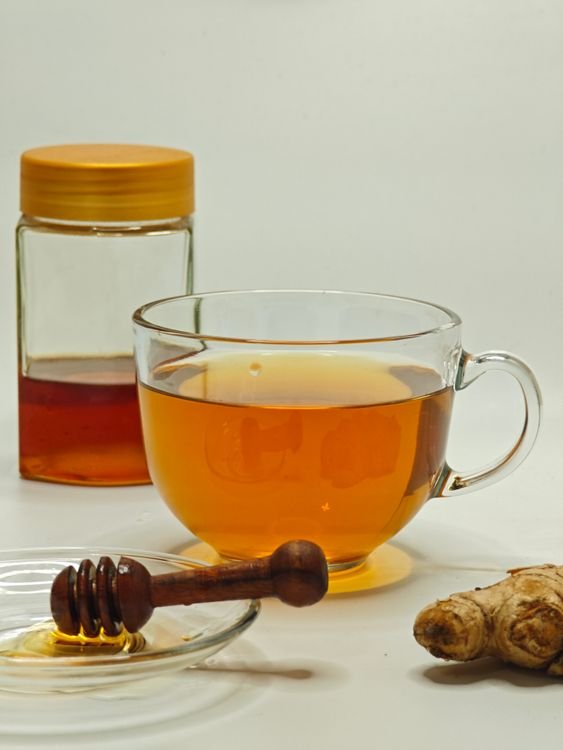
Ginger is a kitchen ingredient many people use for comfort during colds and congestion. Fresh ginger tea, made by simmering sliced ginger in hot water, has a warm, spicy flavour that some people find soothing. It can be enjoyed plain or with a little honey and lemon. If you take blood-thinning medication or have a stomach condition, speak with a healthcare professional before using ginger regularly in large amounts.
Honey is often used in home remedies, especially for throat comfort. A spoonful of honey in warm tea or warm water may help soothe a sore or irritated throat, which can be a companion to sinus congestion and postnasal drip. Honey should not be given to children under one year of age. A related guide on the same site, Honey and Ginger Remedies for Cough and Sore Throat, explores how honey and ginger can be used gently for throat comfort. Avoiding foods that seem to worsen your symptoms can also help, although it is important not to cut out whole food groups without good reason.
Essential Oils and Aromatherapy for Sinus Comfort
Essential oils are often used for sinus comfort, and they can add a pleasant scent to steam or a room. Eucalyptus, peppermint, tea tree and lavender are among the oils people commonly choose. A few drops in a bowl of hot water for steam inhalation, or in a diffuser, may create a feeling of openness for some people. The scent can feel refreshing, and the ritual itself can be calming.
Essential oils are strong and need to be used with care. Never apply undiluted essential oil directly to the skin or inside the nose, and never swallow essential oils. If you use an oil in a diffuser, use only a few drops, keep the room ventilated and stop if the scent feels too strong or causes coughing, headache or irritation. People with asthma, allergies, epilepsy or other health conditions should be cautious, and some oils are not suitable during pregnancy or for young children.
Indoor Air Quality and Everyday Habits That Support Clear Breathing
The air you breathe at home can affect how your sinuses feel. Dust, smoke, strong cleaning products, air fresheners and perfumes can irritate the nasal lining and make congestion feel worse. Keeping living spaces clean and well ventilated may help reduce irritation. Regular dusting, vacuuming and washing bedding can reduce dust and allergens, although it is best to avoid stirring up large amounts of dust at once.
Smoke is a strong irritant for the sinuses. Avoiding cigarette smoke, wood smoke and other fumes can make a noticeable difference for some people. If you smoke, reducing or stopping may help your sinuses over time, and a healthcare professional can offer support. Strong scents can also be a trigger, so choosing unscented or lightly scented products and keeping rooms ventilated when using cleaning products may help.
Outdoor air can also play a part, especially during high pollen seasons. Checking local pollen information and keeping windows closed on high pollen days may help some people with allergies. If allergies are a regular cause of congestion, a healthcare professional can help identify triggers and discuss suitable options.
Natural Remedies for Sinus Congestion During Cold and Flu Season
Cold and flu season often brings a rise in sinus congestion, because colds and flu commonly cause swelling in the nose and sinuses. During this time, gentle home care can be especially helpful. Starting steam, saline rinses and hydration early, when symptoms first appear, may help some people feel more comfortable than waiting until congestion is severe. Keeping a simple kit at home, with saline spray, herbal tea, honey, ginger and clean cloths for compresses, can make it easier to start care promptly.
When a cold does arrive, rest is important. Trying to work through a cold without rest can prolong fatigue and make congestion feel worse. If possible, take time to recover at home, drink fluids and eat light nourishing meals. It is also helpful to be patient, because a cold usually improves gradually over several days, and sinus congestion may take a little longer to settle fully.
Building a Gentle Daily Routine for Sinus Comfort
A simple daily routine can make sinus care feel manageable rather than overwhelming. It does not need to be long or complicated, and it can be built from a few measures that fit your day. The aim is consistency, not intensity, and the routine can be adjusted as symptoms change.
A morning routine might start with a warm shower or a short steam session, followed by a saline rinse and a glass of water. A warm breakfast, such as porridge with fruit or a light soup, can add warmth and fluid. If you use a warm compress, a few minutes in the morning may help ease overnight pressure. Opening a window briefly for fresh air can also help the day start with cleaner air.
An evening routine might include another saline rinse, a warm drink, a warm compress and a calm wind-down before bed. Raising the head slightly with an extra pillow, keeping the bedroom cool and using a humidifier if the air is dry may help sleep feel more comfortable. Keeping a short note of what you try and how you feel afterwards can help you choose the measures that suit you best. If a measure does not help, or if it causes discomfort, there is no need to continue it.
Signs That Need Professional Medical Attention
Home remedies can help with mild sinus congestion, but some signs need professional medical attention. Severe facial pain, swelling around the eyes, vision changes, a high fever, a stiff neck, confusion or a severe headache are reasons to seek care promptly. Congestion that lasts longer than expected, keeps returning or is joined by green or bloody mucus, a strong smell or a loss of smell that does not improve should also be checked.
People with long-term conditions such as asthma, diabetes, immune conditions or heart disease should seek advice sooner rather than later. Pregnant people, older adults and young children also need extra care. If you are taking medication, including blood thinners or medication for blood pressure, check with a healthcare professional or pharmacist before trying new remedies, especially herbal teas, supplements or essential oils.
It is also important to seek care if home remedies make symptoms worse, or if you develop new symptoms such as ear pain, tooth pain, dizziness or shortness of breath. A healthcare professional can examine the nose and sinuses and decide whether further tests or treatment are needed. Trustworthy information can help you decide when to seek care. The NHS guide to sinusitis explains common symptoms and when to seek help, and the Mayo Clinic page on acute sinusitis provides clear information about causes and symptoms.
A Calm Approach to Sinus Congestion Relief
Sinus congestion can be frustrating, especially when it affects sleep, work and daily comfort. A calm, gentle approach often feels more helpful than trying to force quick relief. Natural Remedies for Sinus Congestion, used patiently and regularly, may help ease pressure, support clear breathing and soothe stuffiness. Warm steam, saline rinses, fluids, rest, warm compresses, kitchen ingredients, clean indoor air and a simple daily routine can all play a part.
Choose a few measures that suit you and use them consistently for several days. Notice what brings comfort, and adjust the routine as needed. Avoid strong measures that cause irritation, and be cautious with essential oils, herbal products and supplements, especially if you are pregnant, taking medication or living with a health condition. Recovery is often gradual, and some days may feel better than others. If symptoms persist, worsen or are joined by severe signs, seek professional advice promptly.
Disclaimer: This article is educational information only and is not medical advice. It does not diagnose, treat or cure any condition. The remedies described here may help some people feel more comfortable, but they are not suitable for everyone and they are not a substitute for professional care. Readers should consult a healthcare professional before trying new remedies, especially for severe pain, high fever, vision changes, persistent congestion, pregnancy, or medication use. Seek prompt medical attention if symptoms are severe, worsening or concerning, or if you are unsure whether a remedy is safe for you.