Garlic Benefits for Immunity and Cold Prevention
Garlic has been a familiar presence in kitchens around the world for a very long time. It is valued for its strong flavour and its place in traditional home care. In the cold season, many people turn back to simple foods they trust, and garlic is often near the top of that list. Garlic Benefits for Immunity are discussed widely in home remedy traditions and in everyday conversation. The interest is easy to understand, because garlic is affordable, widely available and easy to store. It is also simple to add to meals that families already enjoy. Garlic brings warmth and depth to soups, stews, roasted vegetables, sauces and marinades. This article looks at Garlic Benefits for Immunity in a calm and balanced way. It explains what garlic is, how people commonly use it, and where sensible limits apply. It does not promise that garlic will prevent a cold or cure an illness, because no single food can do that. Instead, it offers practical ideas for using garlic as part of a varied diet, alongside sleep, hydration and other daily habits.
Garlic as a Kitchen Staple with a Long History of Use
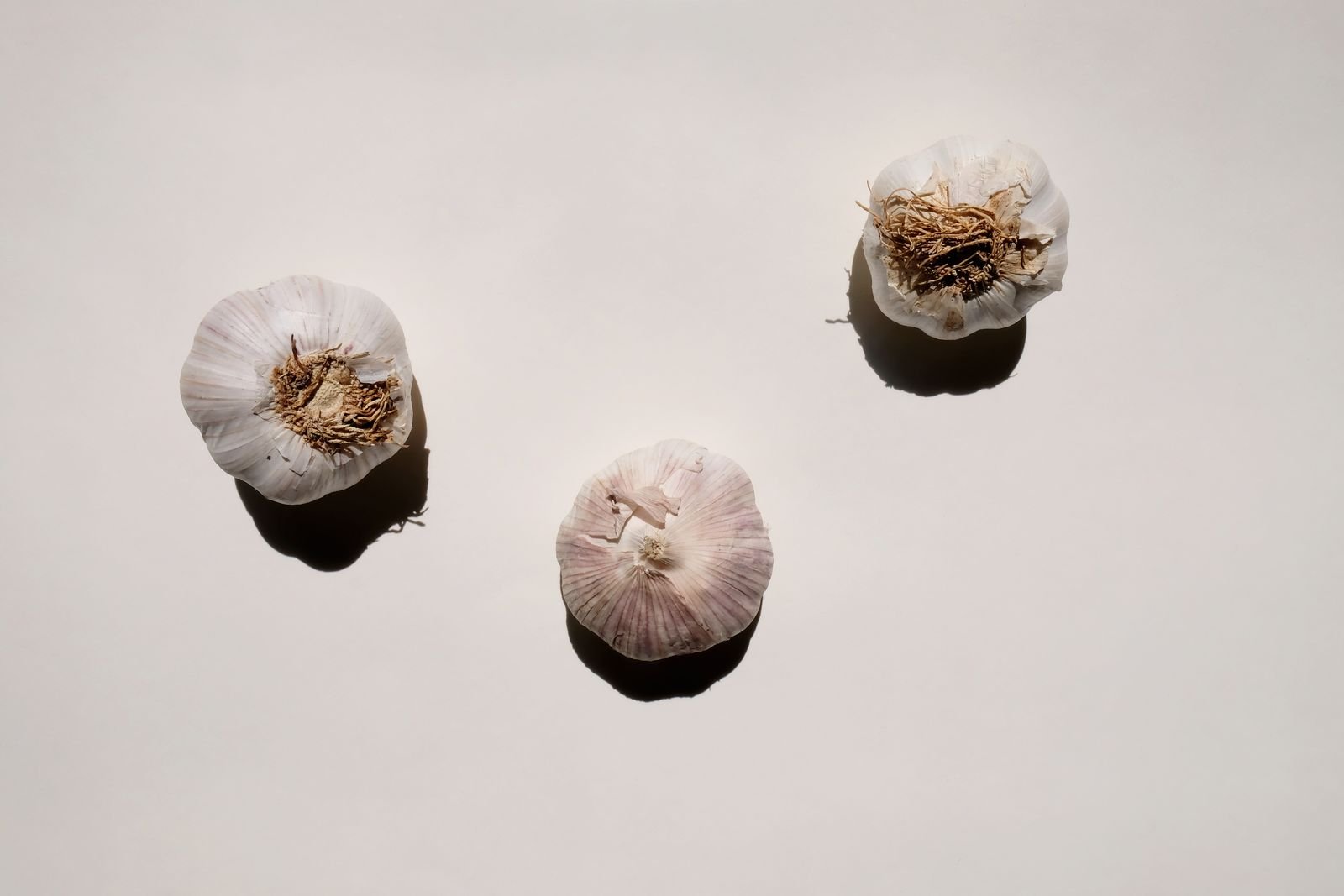
Garlic belongs to the same plant family as onions, leeks and chives. It has been grown and eaten in many parts of the world for centuries. A head of garlic is made up of individual cloves wrapped in a thin papery skin. Each clove carries a strong aroma that becomes familiar as soon as it is cut or crushed. In traditional cooking, garlic was used to flavour food and to add warmth to meals during colder months. In home care traditions, it was also used in teas, warm milk, soups and infused oils. It was often combined with honey, ginger or lemon in those preparations. Today garlic remains a staple in many cuisines, from Mediterranean and South Asian cooking to Middle Eastern and European dishes. Its long history does not prove that it works in a particular way for every person. It does explain why so many people feel comfortable reaching for it when the weather turns cold. Garlic is also practical, keeping well in a cool dry place and costing very little compared with many health foods.
Active Compounds in Garlic in General Terms
When a clove of garlic is cut, crushed or chewed, its aroma changes quickly and becomes much stronger. This happens because compounds inside the clove react with each other once the cell walls are broken. These reactions create new substances that give garlic its distinctive smell and taste. The best known of these is allicin, a sulphur containing compound that forms when garlic is crushed and left to rest for a short time. Garlic also contains other sulphur compounds, along with small amounts of vitamins and minerals. It is important to keep this in perspective, because garlic is usually eaten in small quantities as a flavouring. It is therefore not a major source of any single vitamin or mineral in the diet. Its interest for immunity comes mainly from the idea that its natural compounds may support the body in small ways. Cooking changes garlic as well, since heat can soften its flavour and reduce some of its pungency. This article does not claim that any one compound guarantees a particular result. It simply notes that garlic contains natural plant compounds that have attracted interest for general immune support.
Garlic Benefits for Immunity and Everyday Immune Support
Garlic Benefits for Immunity are most often described in general and supportive terms. Many people use garlic regularly because they believe it may help the body stay resilient. A healthy immune system depends on many factors, including nutrition, rest, physical activity, hydration and management of stress. No single food can replace those foundations. Garlic may support general wellbeing as one small part of a broader pattern of eating well. In everyday cooking, garlic often appears alongside other foods that support a balanced diet. These include vegetables, legumes, whole grains, olive oil, herbs and citrus fruit. A meal with garlic, onions, carrots, leafy greens, beans and a source of protein provides a wide range of nutrients, fibre and plant compounds. Garlic adds flavour that makes those meals more enjoyable. Some people also find that the warmth and aroma of garlic in a soup or stew feels comforting when they are tired or run down. Eating garlic a few times a week in normal food amounts is a reasonable and traditional approach for most healthy adults. It fits easily into meals without special products or complicated routines.
Garlic Benefits for Immunity During the Cold Season
The cold season brings shorter days, colder air and more time spent indoors. People also spend more time in enclosed spaces with other people. These conditions make coughs and colds more common, and many families look for simple ways to feel prepared. Garlic Benefits for Immunity are often mentioned at this time of year. Garlic fits naturally into the warm foods people already crave in autumn and winter. A bowl of vegetable soup with garlic can feel nourishing on a cold evening. Some people also use garlic in warm drinks or in honey infusions during the cold season, following family traditions. These preparations are best seen as comforting foods rather than medicines. They may help a person feel warm, hydrated and cared for. Garlic does not guarantee that a person will avoid a cold. It should not replace hand washing, fresh air, adequate sleep, or medical care when symptoms are severe or prolonged. Thinking of garlic as one ingredient in a seasonal pattern keeps expectations realistic and helps people enjoy it without disappointment.
Raw Garlic and Cooked Garlic Compared
Raw garlic and cooked garlic taste quite different, and many people wonder which form is better to use. Raw garlic is sharp, pungent and strong. A single clove can dominate a dish if it is not balanced with other ingredients. Cooked garlic is milder, sweeter and softer, especially when it is roasted slowly or simmered gently in a soup or sauce. Crushing raw garlic and letting it rest for a few minutes before eating or cooking is a common traditional practice. Cooking for a long time at high heat may reduce some of those compounds. There is no single correct choice for every person or every meal. Raw garlic may suit people who enjoy strong flavours and who tolerate it well in small amounts. It can be finely grated into a salad dressing, mixed into yoghurt, or spread thinly on toast with olive oil. Cooked garlic may suit people with a sensitive stomach, people who dislike strong flavours, and families cooking for children or older relatives. The best approach is to use the form you enjoy and tolerate, in normal food amounts, and to vary the preparation across the week.
Simple Ways to Add Garlic to Food and Drinks
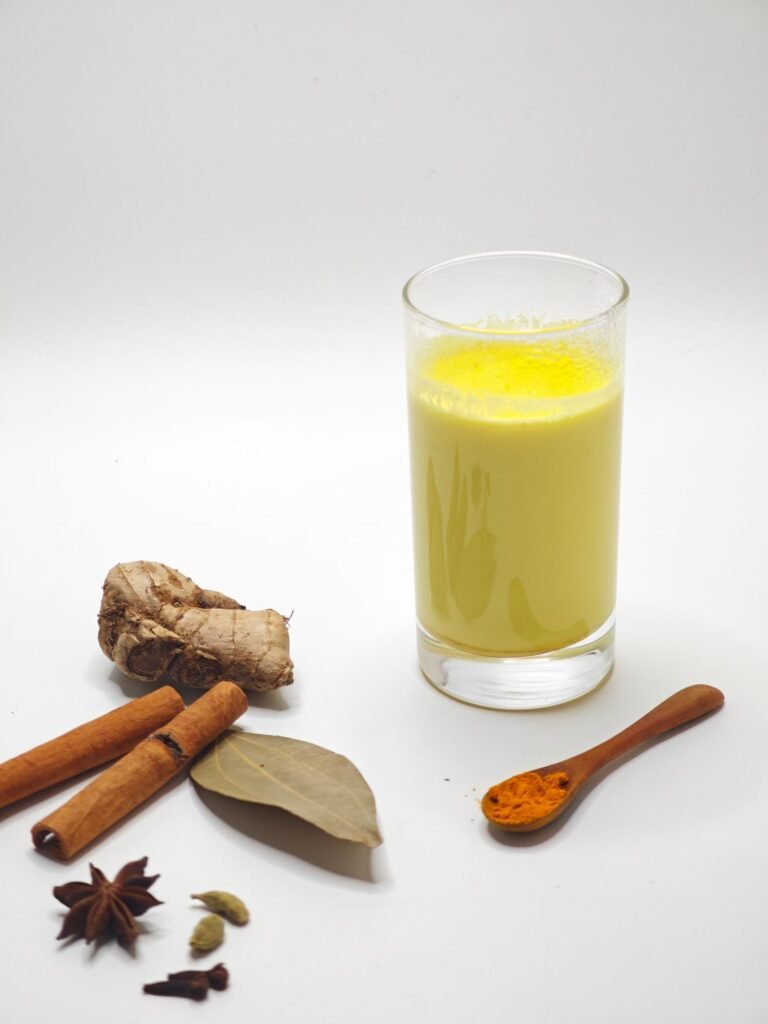
Adding garlic to everyday meals does not require special recipes or expensive ingredients. A simple starting point is to add one or two crushed cloves to a soup, stew or curry during the last part of cooking. This keeps the flavour fresh without becoming harsh. Garlic also works well in a basic dressing made from olive oil, lemon juice, salt and finely grated garlic. For a warming drink, some people stir a small amount of crushed garlic into warm water with lemon and honey. A gentler option is to add garlic to warm milk or to a broth based soup, where other flavours soften its sharpness. Garlic butter is made by mixing soft butter with crushed garlic and herbs. It can be spread on bread or melted over vegetables. When cooking for a family, it helps to start with a small amount and taste as you go. Add more only if the flavour remains balanced. Garlic burns easily in hot oil and turns bitter, so cook it over medium heat and add it after onions have softened. For another warming option, see Turmeric Milk Benefits for Immunity and Cold Relief, which pairs well with a garlic rich meal.
Garlic Supplements in General Terms
Garlic is also sold in supplement form, including capsules, tablets, oils and aged garlic extracts. These products are marketed for general immune support. Supplements vary widely in strength, ingredients and quality. They are not regulated in the same way as medicines in many countries. Some products contain garlic powder, some contain aged garlic extract, and some contain garlic oil. This article does not recommend a particular brand, dose or product. It does not suggest that supplements are necessary for most people. Fresh garlic in food is usually sufficient for those who want to include garlic in their diet. People who are considering a garlic supplement should be especially careful if they take medication or have a medical condition. Extra care is also needed if they are pregnant or breastfeeding, or if they are preparing for surgery. Garlic in concentrated form may interact with certain medicines and may affect blood clotting. It is sensible to speak with a healthcare professional or pharmacist before starting any supplement. For general health information, see NHS and Cleveland Clinic.
Combining Garlic with Honey, Ginger and Lemon
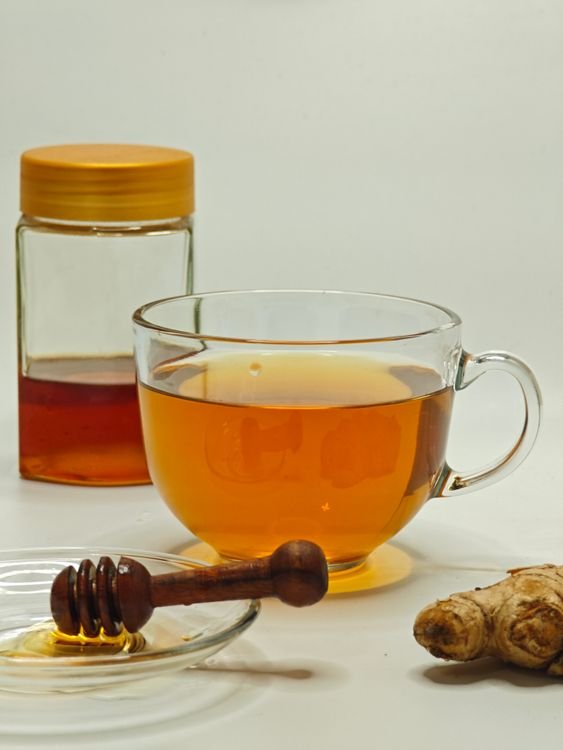
Garlic is rarely used alone in traditional home care. It is often combined with honey, ginger and lemon, three ingredients that are also familiar in cold season cooking. Honey adds sweetness and a soothing texture. It is commonly stirred into warm drinks or used to coat garlic in an infusion. Ginger adds warmth and a gentle spice, and it pairs well with garlic in soups, teas and stir fries. Lemon adds freshness and vitamin C, and its juice can balance the strong flavour of garlic in dressings and drinks. A common traditional preparation is to crush garlic and leave it in honey for a period of time. Another option is to make a warm drink with grated ginger, lemon juice, honey and a small amount of garlic, sipped slowly. These combinations are best seen as comforting foods and drinks, not as cures. They may help a person feel soothed, hydrated and warm. They also encourage the intake of fluids and rest. For more ideas, see Honey and Ginger Remedies for Cough and Sore Throat. When combining ingredients, keep amounts modest, taste as you go, and avoid very strong mixtures that irritate the throat or stomach.
Safety, Side Effects and Sensible Use
Garlic is generally considered safe for most healthy adults when eaten in normal food amounts. It can cause side effects, especially when eaten raw or in large quantities. The most common effects are bad breath, a strong body odour, heartburn, stomach discomfort, bloating and nausea. Garlic may also cause allergic reactions in some people, including skin rashes, itching, swelling or breathing difficulties, although this is uncommon. Anyone who notices a rash, swelling, difficulty breathing or severe stomach pain after eating garlic should stop using it and seek medical advice promptly. Garlic may also interact with certain medicines, including blood thinning medicines, and it may affect blood clotting. People who take such medicines should speak with a healthcare professional before using garlic in larger than food amounts or in supplement form. Garlic should be stored correctly, in a cool dry place, and any garlic that looks mouldy, soft or sprouted excessively should be discarded. Sensible use means small amounts in food, attention to how the body responds, and a willingness to reduce the amount or stop if discomfort appears.
People Who Should Be Cautious with Garlic
Most healthy adults can enjoy garlic in food without difficulty, but some groups should be more cautious. Pregnant and breastfeeding readers should use garlic in normal food amounts. They should speak with a healthcare professional before using garlic supplements, garlic oil or large amounts of raw garlic as a remedy. People who take blood thinning medication, who have a bleeding disorder, or who are preparing for surgery or dental treatment should also seek advice, because garlic may affect clotting. People with stomach conditions, including reflux, gastritis or ulcers, may find that garlic worsens heartburn or stomach pain. People with allergies to garlic, onions or related plants should avoid garlic and should read labels carefully. Parents and carers should be careful with garlic remedies for children, using only mild food amounts and avoiding strong raw garlic drinks. Older adults who take several medicines should also check with a pharmacist or doctor before adding a supplement. This caution does not mean that garlic is dangerous for everyone. It means that individual circumstances matter, and that a remedy that suits one person may not suit another. When in doubt, ask a healthcare professional and start with a very small amount in food.
Daily Habits That Support Immunity Alongside Garlic
Garlic works best as part of a wider pattern of daily habits that support general health. Eating a varied diet is the foundation, including plenty of vegetables, fruit, whole grains, legumes, nuts, seeds and sources of protein. Garlic and other herbs add flavour to those meals. Drinking enough water through the day helps the body stay hydrated. Sleep is also important, and most adults benefit from a regular sleep routine and a cool dark bedroom. Gentle physical activity, such as walking outdoors, stretching or light exercise, supports circulation and mood. Managing stress through rest, conversation, time outdoors or quiet activities may also support general wellbeing. Fresh air and ventilation matter in the cold season, even when it is cold outside, because opening a window briefly can refresh indoor air. Hand washing, covering coughs and sneezes, and staying home when unwell help protect others as well as oneself. Garlic can be woven into these habits naturally, for example by cooking a garlic rich soup on a cold evening or by adding garlic to a shared family meal. The habit does not need to be perfect every day, and a steady pattern is more sustainable than a strict routine.
Common Mistakes to Avoid When Using Garlic
Several common mistakes can make garlic less enjoyable or less sensible to use. One mistake is eating a large amount of raw garlic at once, especially on an empty stomach. This can cause heartburn, nausea and stomach pain. Another is expecting garlic alone to prevent a cold, and then neglecting sleep, hydration, hand washing and medical advice. A third mistake is using garlic as a replacement for medical care when symptoms are severe, prolonged or worsening. Garlic should never delay a visit to a healthcare professional when such symptoms appear. Another mistake is applying raw garlic directly to the skin, to a wound or inside the ear or nose. This can cause irritation or injury and should be avoided. Some buy a supplement and take more than the label suggests, hoping for a stronger effect, which increases the risk of side effects and interactions. It is also a mistake to assume that all garlic products are the same, since fresh garlic, roasted garlic, powder and supplements differ in flavour and composition. The safest approach is to use fresh garlic in normal food amounts, to cook it gently, and to treat supplements with extra care. Keeping expectations realistic will help people enjoy garlic as a flavourful part of a balanced diet.
A Balanced View of Garlic Benefits for Immunity
Garlic Benefits for Immunity are best understood as part of a balanced and realistic approach to cold season health. Garlic is a flavourful, affordable and traditional food that may support general wellbeing when used as part of a varied diet. Garlic can make home cooked meals more enjoyable, and it can add warmth to soups and stews. It does not guarantee protection from colds, and it does not replace medical care. It is not suitable in large amounts or in supplement form for everyone. People who are pregnant, taking medication, living with a medical condition or caring for a child should seek professional advice before using garlic as a regular remedy beyond normal food amounts. For most healthy adults, a few cloves a week in cooked meals is a sensible and traditional way to include garlic in the diet. Readers who want other gentle cold season options may find Natural Remedies for Sinus Congestion Relief helpful. Garlic can be a welcome part of that routine, bringing flavour, tradition and comfort to the table.
Disclaimer: This article is for educational information only and is not medical advice. It does not diagnose, treat, cure or prevent any disease. Garlic may not be suitable for everyone, and individual needs vary. Readers should consult a qualified healthcare professional before using garlic in large amounts, in supplement form, or as a regular remedy, especially if pregnant, breastfeeding, taking medication, including blood thinning medication, living with a medical condition, preparing for surgery, or caring for a child. Seek prompt medical care if symptoms are severe, prolonged or worsening, or if an allergic reaction occurs.