Aloe Vera Benefits for Skin Healing and Hydration
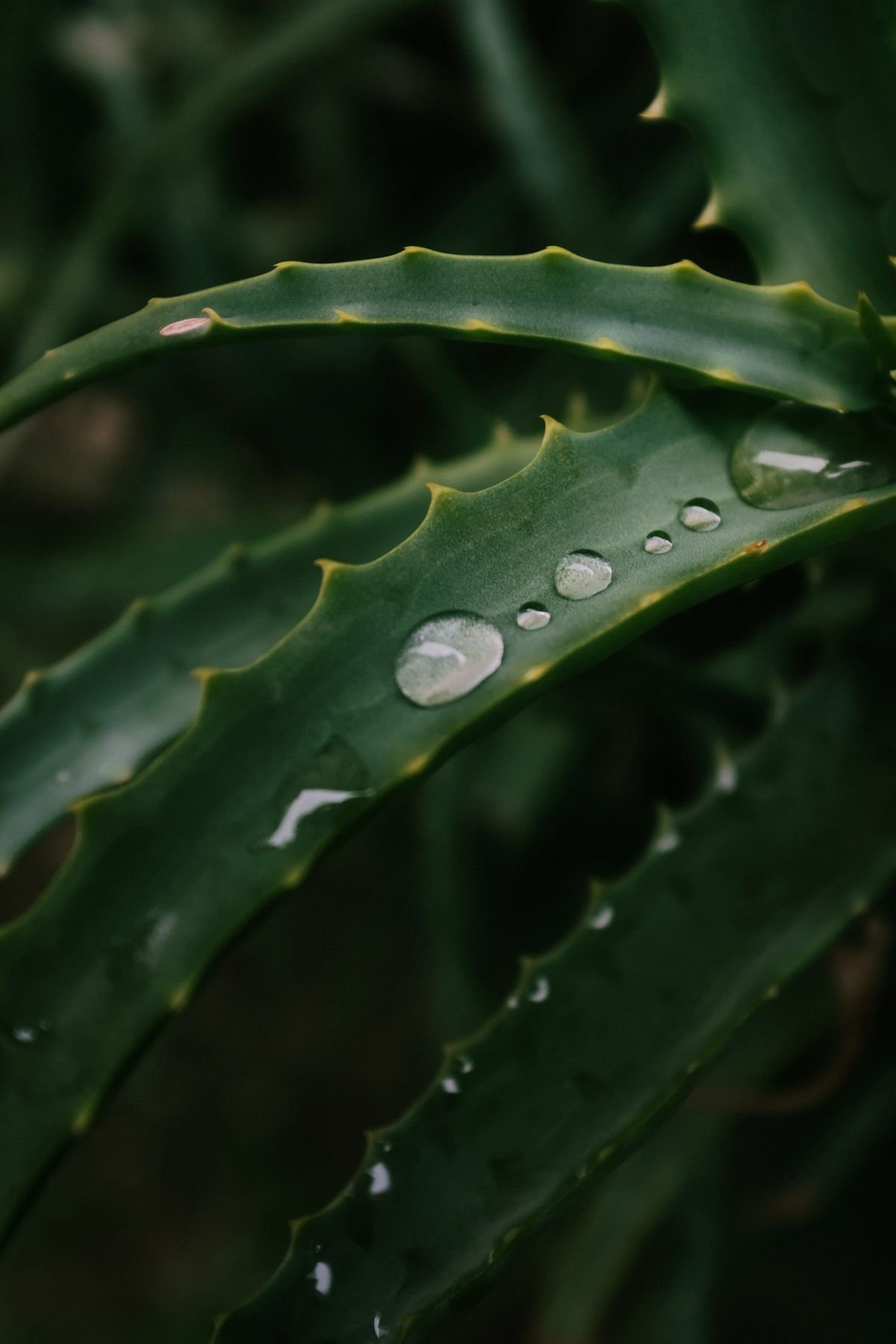
Aloe Vera Benefits for Skin have made this familiar green plant a lasting favourite in home skin care, and many people keep a tube of aloe vera gel at home for days when the skin feels dry, tight, warm, or irritated. Aloe vera is a succulent plant with thick, fleshy leaves filled with a clear gel, and that gel has been used in traditional skin care for a very long time. Modern skin care has kept the plant in creams, gels, and after-sun products because it feels light, cooling, and easy to use. This guide looks at Aloe Vera Benefits for Skin in practical terms, covering healing support, hydration, safe use, and daily routines, with steady, gentle care as the aim.
Skin works every day as a barrier against dryness, dust, sunlight, and small everyday damage, and when that barrier is supported with moisture, rest, and gentle handling, the skin often looks and feels more comfortable. Aloe vera gel is mostly water, with a small amount of natural plant compounds, and it spreads easily without leaving a heavy or greasy feeling. That light texture is one reason people with many different skin types reach for it. Aloe vera does not replace medical treatment for a skin condition, and it does not rebuild damaged skin overnight. It may support comfort and hydration as part of a wider routine that includes sun protection, adequate water intake, sleep, and gentle cleansing. Readers who want a broader approach to clear skin may also read our guide to Natural Remedies for Acne and Clear Skin.
Understanding Aloe Vera Benefits for Skin
Understanding Aloe Vera Benefits for Skin starts with the gel itself. The clear gel inside an aloe vera leaf is made largely of water, held in a light, slippery structure that feels cool on contact. That water content helps explain why the gel feels hydrating on the surface of the skin. When applied in a thin layer, it may help the outer layer of the skin feel softer and less tight, and it dries without the heavy residue left by some thicker creams. The gel also contains natural plant compounds in small amounts, including polysaccharides, vitamins, minerals, and enzymes, which are often described in general terms as supporting skin comfort, although their effects in a home product are gentle and gradual rather than dramatic.
One useful way to think about aloe vera is as a supporting ingredient rather than a treatment on its own. It may help the skin feel calmer and more hydrated while other parts of a routine do the longer work of protection and repair. For example, a gentle cleanser removes dirt and excess oil, a moisturiser helps hold water in the skin, and sunscreen helps protect the skin from further damage from sunlight. Aloe vera gel may sit comfortably in that routine as a light hydrating layer, used after cleansing and before a richer moisturiser if extra moisture is needed. In warm weather, many people prefer aloe vera gel on its own because it feels fresh and absorbs quickly, while in colder weather the same gel may work better under a cream, since gel alone may not provide enough lasting moisture for very dry skin.
Aloe Vera Benefits for Skin Healing in Everyday Care
Aloe Vera Benefits for Skin Healing in Everyday Care are often described in terms of comfort and support for the skin surface after minor everyday stress. Small nicks from shaving, mild friction, dry patches, and skin that feels warm after time in the sun are common examples where people reach for aloe vera gel. The cool, moist feeling of the gel may help the area feel soothed, and the light layer may help reduce the feeling of tightness while the skin recovers at its own pace. Aloe vera is not a substitute for proper wound care. A cut that is deep, bleeding heavily, or showing signs of infection needs proper first aid and, when needed, medical attention.
The idea of healing support is best understood as creating conditions that allow the skin to recover comfortably. Clean skin, adequate moisture, protection from further irritation, and time are the main factors, and aloe vera may contribute by adding surface moisture and by feeling soothing on application. Some people also use it after shaving, where the skin may feel warm or slightly tender, and a thin layer applied after rinsing and patting the skin dry may help the area feel cooler. It is important to avoid applying any product, including aloe vera, to broken skin that is raw or open unless a health professional has advised it, and to keep hands and applicators clean to reduce the chance of introducing dirt or bacteria.
Aloe Vera Benefits for Skin Hydration and Moisture Balance
Aloe Vera Benefits for Skin Hydration and Moisture Balance are among the most widely recognised reasons people use this plant. The gel is rich in water, and when it is applied to the skin it may help the surface feel hydrated and supple. Hydration in skin care means water in the outer layer of the skin, and that water helps the skin look smoother and feel less tight. Dry skin often feels rough, flaky, or itchy, and a light hydrating layer may ease those feelings for a time. Aloe vera gel absorbs quickly and does not leave a greasy film, which makes it suitable for people who dislike heavy creams, and for use in warm or humid weather when a thick moisturiser may feel uncomfortable.
Moisture balance, however, involves more than adding water. The skin also needs to hold that water in place, and a gel alone may not seal moisture in as effectively as a cream or lotion that contains oils or other emollients. For that reason, many people use aloe vera gel as a first hydrating layer and then apply a moisturiser on top, especially if their skin is dry or if the air is cold and dry. This layering approach may help the skin stay comfortable for longer. A simple routine might be cleansing with lukewarm water and a gentle cleanser, patting the skin until it is slightly damp, applying a thin layer of aloe vera gel, and then applying a plain moisturiser, with sunscreen during the day to help protect the skin from damage that may worsen dryness over time.
Aloe Vera Benefits for Skin After Sun Exposure and Calm
Aloe Vera Benefits for Skin After Sun Exposure are one of the most common reasons people keep this gel at home. After time in strong sunlight, the skin may feel warm, tight, dry, or tender, and a cool layer of aloe vera gel may help it feel more comfortable. The gel adds surface moisture and gives a cooling sensation on contact, which many people find soothing. Keeping the gel in a refrigerator may increase that cooling feeling, although it should not be applied ice cold to very tender skin. A thin layer, reapplied as needed after the skin has been gently cleansed with cool or lukewarm water, may help the area feel less dry while it recovers. Aloe vera does not repair sunburn, does not reverse sun damage, and does not replace sunscreen.
Sun protection remains the most important step. A broad-spectrum sunscreen, protective clothing, a hat, and shade during the strongest hours of sunlight help reduce the risk of sunburn and long-term skin damage. Aloe vera gel is an after-care product, not a sunscreen, and it should never be used as a substitute for sunscreen before going outdoors. The same gentle, calming feeling may also help skin that feels irritated after cleansing, shaving, or time in wind or dry air. In those cases, a simple gel with a short ingredient list is often a better choice than one with added fragrance, alcohol, or menthol, which may feel cool at first and then cause dryness or stinging, especially on sensitive skin. The NHS provides public guidance on sunburn and skin care, and readers may consult it for general information on when sunburn needs medical care.
Choosing Pure Aloe Vera Gel and Safe Use
Choosing Pure Aloe Vera Gel and Safe Use starts with reading the label, because products with similar names may contain very different amounts of aloe vera. A product labelled as aloe vera gel may list aloe vera as the first ingredient, which usually means it makes up the largest share of the product, or it may list water first and aloe vera much lower down, which suggests a smaller amount. A short ingredient list is often a good sign for a simple gel, and the absence of added fragrance, colour, and drying alcohol may suit sensitive skin better. Some gels also contain thickeners and preservatives that help the product stay fresh and spread evenly, and those additives are not always a problem, although readers who prefer a minimal product may look for one with as few extras as possible.
Safe use also begins with a simple patch test, especially for first-time use or for use on the face. A small amount of gel may be applied to the inner forearm or behind the ear, left in place, and checked after twenty-four hours for redness, itching, swelling, or discomfort. If no reaction appears, the gel may then be used on a larger area. People with a known allergy to plants in the lily family, including garlic, onions, and tulips, should be extra cautious, because aloe vera belongs to a related plant group and cross-reaction is possible for some people. Aloe vera gel is for external use on the skin, and it should not be eaten. Fresh gel from a leaf should be used promptly, with care to avoid the yellow latex near the leaf edge, which may irritate the skin for some people.
Aloe Vera Benefits for Skin in a Morning Routine
Aloe Vera Benefits for Skin in a Morning Routine come from its light texture and quick absorption, which make it easy to use before sunscreen and makeup. A morning routine does not need to be long. Cleansing with lukewarm water and a gentle cleanser, or rinsing with water alone if the skin feels clean and comfortable, may be enough to start the day. After patting the skin dry, a thin layer of aloe vera gel may be applied to the face and neck, allowed to absorb for a minute or two, and then followed by a moisturiser if the skin needs extra moisture. Sunscreen is the final daytime step, and it should be applied as directed, even on cloudy days, because ultraviolet light reaches the skin through cloud cover.
In warm weather, aloe vera gel alone may provide enough light hydration for the morning, especially for people with oily or combination skin who find creams too heavy. In cooler weather, a moisturiser on top of the gel may help the skin stay comfortable through the day. The gel may also be used on the hands, arms, or other areas that feel dry in the morning, and it absorbs quickly without leaving a sticky feeling on clothing. Readers who shave in the morning may apply a thin layer after rinsing, once the skin has been patted dry, to help the area feel cooler. A small amount is usually enough, and waiting a short time before applying sunscreen or makeup may help the layers sit more evenly.
Aloe Vera Benefits for Skin in an Evening Routine
Aloe Vera Benefits for Skin in an Evening Routine relate to overnight recovery, when the skin is not exposed to sunlight, wind, or makeup, and has time to rest. An evening routine often starts with removing sunscreen, makeup, and the dirt of the day with a gentle cleanser. Lukewarm water and a soft touch are kinder than hot water and vigorous scrubbing. After cleansing and patting the skin dry, a thin layer of aloe vera gel may be applied as a hydrating step, followed by a moisturiser to help hold moisture in place overnight. This layering may help the skin feel softer by morning, especially in dry indoor air or during colder months when heating may dry the skin.
Evening is also a good time to notice how the skin has felt through the day. If the skin felt tight, dry, or irritated, a slightly richer moisturiser on top of the gel may help. If the skin felt oily or congested, a lighter moisturiser, or gel alone, may be enough. Aloe vera gel does not need to be used twice a day by everyone. Some people use it only in the morning, some only in the evening, and some use it after sun exposure or shaving when needed. The right frequency depends on skin type, climate, and personal preference. Using it once a day for a week or two, and then adjusting, is a practical way to find a comfortable pattern. If a prescribed skin treatment is in use, a doctor or pharmacist may advise on where aloe vera gel fits.
Combining Aloe Vera With Other Gentle Ingredients
Combining Aloe Vera With Other Gentle Ingredients may help readers build a routine that feels balanced and comfortable. Aloe vera gel mixes well in general terms with simple moisturisers, plain oils in small amounts, and gentle ingredients such as glycerin or hyaluronic acid in commercial products. For example, a thin layer of aloe vera gel under a plain moisturiser may give light hydration plus a longer-lasting moisture barrier. A small amount of a plain, fragrance-free oil, such as a few drops smoothed over the gel, may help very dry skin feel more comfortable, although oils do not suit everyone and may feel heavy for oily skin. Readers should introduce one combination at a time, and watch how the skin responds over several days before adding another ingredient.
Common Mistakes to Avoid and Skin Types
Common Mistakes to Avoid With Aloe Vera are often simple, and avoiding them may help readers get a better result. One common mistake is using too much gel. A thick layer does not hydrate the skin more effectively, and it may dry with a sticky or tight feeling, while a thin, even layer is usually enough. Another mistake is applying gel to dirty skin, or with unwashed hands, which may transfer dirt or bacteria to the face. Cleansing first, and using clean hands, helps the gel work on clean skin. A third mistake is using aloe vera as a sunscreen. Aloe vera gel does not provide sun protection, and relying on it outdoors may lead to sunburn and long-term skin damage. Sunscreen should always be used for sun protection.
Aloe Vera Benefits for Skin Across Different Skin Types vary, because each skin type has different needs. For oily skin, the light, water-based texture of aloe vera gel is often appealing, because it hydrates without adding a greasy feeling. For combination skin, aloe vera gel may be used on the whole face, with a richer moisturiser applied only to drier areas such as the cheeks. For dry skin, aloe vera gel alone may not provide enough lasting moisture, and it often works better as a first hydrating layer under a cream that helps seal moisture in place. For sensitive skin, a simple, fragrance-free aloe vera gel may be a gentle option, but a patch test remains important. People with a diagnosed skin condition, such as eczema, psoriasis, rosacea, or acne, should seek professional advice before using aloe vera as part of their care.
When to See a Dermatologist and Building a Consistent Routine
When to See a Dermatologist About Skin Concerns is an important part of safe home care, because some skin problems need professional assessment rather than a home remedy. A dermatologist should be consulted if a rash, sore, or patch of skin does not improve within a few weeks, if it spreads, becomes more painful, blisters, bleeds, or shows signs of infection such as increasing redness, warmth, swelling, or pus. A new mole that changes in size, shape, or colour, a sore that does not heal, or a spot that bleeds should also be checked promptly. These signs do not always mean a serious problem, and many are simple to treat, but early professional advice gives the best chance of a clear diagnosis and the right treatment.
Building a Consistent Skin Care Routine With Aloe Vera is best done slowly, with a few reliable steps that may be repeated every day. A simple routine might include gentle cleansing, a thin layer of aloe vera gel, a moisturiser suited to the skin type, and sunscreen during the day. In the evening, the same cleansing and hydrating steps may be repeated, with a moisturiser to support overnight comfort. This routine may be kept the same for two to four weeks before judging its effect, because skin needs time to adjust. The American Academy of Dermatology offers general guidance on skin care, and readers may find its public information helpful when learning more about safe skin practices. A routine that feels comfortable, is easy to repeat, and respects the limits of home care is more likely to be maintained, and maintenance over time is what gives skin care its best chance to help.
Disclaimer: This content is educational information only and is not medical advice. Aloe vera and other home remedies may help support general skin comfort and hydration, but they do not diagnose, treat, cure, or prevent any disease or skin condition. Results vary from person to person, and a product that suits one person may not suit another. Readers should consult a healthcare professional or dermatologist before starting a new skin care product, especially for severe skin conditions, pregnancy, breastfeeding, allergies, sensitive skin, or when taking medication or using a prescribed skin treatment. Stop use and seek medical advice if irritation, rash, swelling, pain, or any concerning symptom appears. Always follow product label instructions and seek professional care promptly for any severe, persistent, or worsening skin concern.