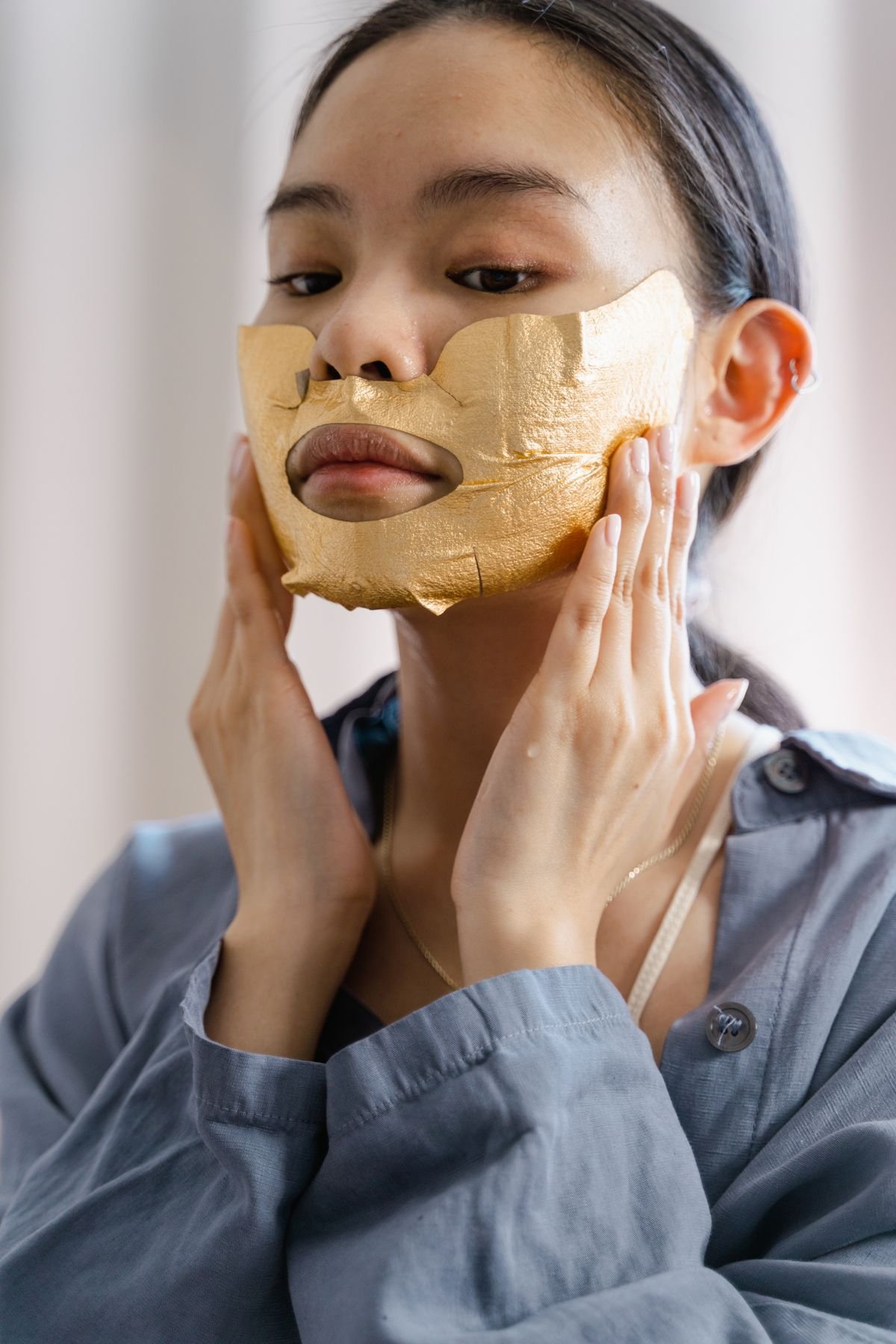
Turmeric Face Mask Benefits for Glowing Skin
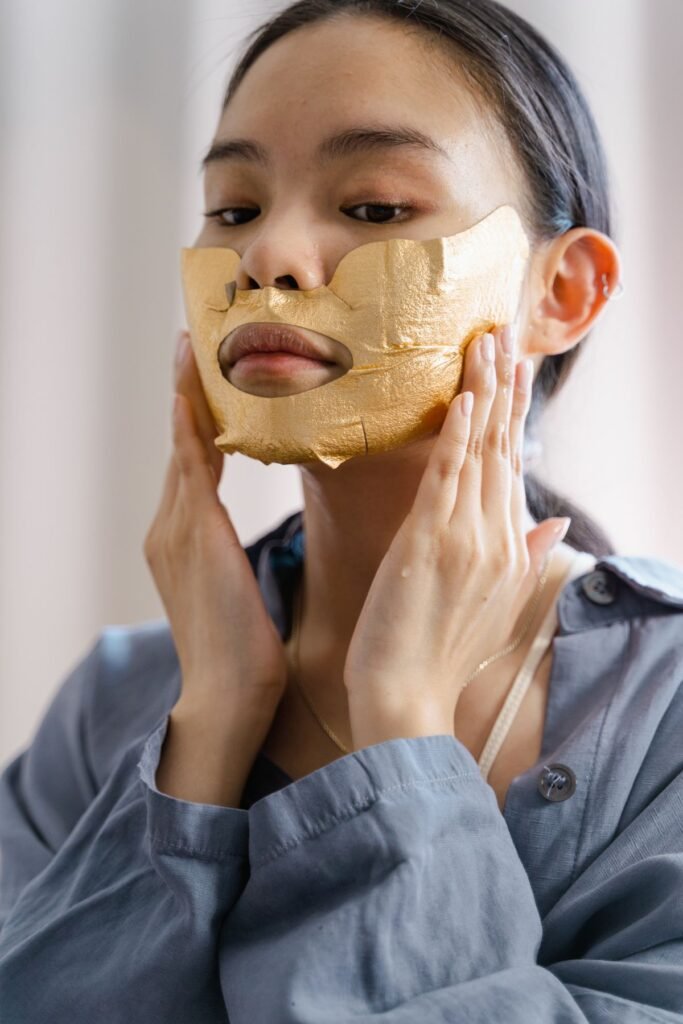
Turmeric Face Mask Benefits for glowing skin have made this golden spice a favourite in home skin care routines around the world. Turmeric has been used for centuries in traditional skin care, cooking, and wellness practices, and its warm colour and earthy scent are now familiar in many modern bathrooms. A turmeric face mask is simple to prepare, uses only a small number of ingredients, and fits easily into a weekly routine. Many people turn to this mask when their skin looks dull, tired, or uneven, and they want a gentle, natural way to support a brighter and healthier-looking complexion.
In this guide, you will find a clear and practical look at Turmeric Face Mask Benefits, the ways turmeric is used in skin care, and the recipes that suit different skin types. You will also learn how to apply a mask safely, how often to use it, and the common mistakes that can stain skin or cause irritation. The focus stays on realistic expectations, gentle methods, and simple ingredients that are easy to find. Turmeric is not a replacement for medical treatment, and it cannot transform skin overnight, yet when it is used with care, it can become a useful part of a balanced skin care routine.
Glowing skin is usually a sign of skin that is clean, hydrated, and cared for in a consistent way. A face mask alone cannot create that glow, and the best results come from a combination of gentle cleansing, sun protection, enough sleep, balanced food, and regular hydration. A turmeric face mask can support that routine by helping the skin look fresher, smoother, and more even in tone. This article explains each benefit in plain language, gives step-by-step recipes, and shares safety tips so that you can try turmeric with confidence and enjoy the process as a small act of self-care.
Turmeric Face Mask Benefits for Radiant Skin
Turmeric Face Mask Benefits begin with the way turmeric supports the appearance of radiance. The main active compound in turmeric is curcumin, a natural pigment that gives turmeric its bright yellow colour. Curcumin is known for its antioxidant properties, which means it can help protect the skin from the visible effects of everyday environmental stress, including pollution and sunlight. When skin is exposed to these factors day after day, it can start to look dull and tired. A turmeric face mask offers a simple way to add an antioxidant-rich ingredient to a skin care routine without the need for expensive products or complicated steps.
Many people notice that their skin looks brighter and more awake after using a turmeric face mask for a few weeks. The mask can help the skin appear more even in tone, especially when it is used regularly and combined with gentle cleansing and moisturising. Turmeric also has a warming, comforting quality that makes the masking ritual itself feel relaxing. Taking ten to fifteen minutes to apply a mask, rest, and rinse it away can support a calmer approach to skin care, and that calm, consistent routine is often what helps skin look its best over time.
Radiant skin does not mean perfect skin, and it does not mean skin without texture, pores, or natural variation. Healthy, radiant skin can still show fine lines, freckles, and the marks of a life well lived. The goal of a turmeric face mask is to support the skin you already have, helping it look fresher, smoother, and more cared for. When you approach turmeric with that mindset, you are more likely to enjoy the routine, stay consistent, and notice gradual changes in the way your skin looks and feels.
What Makes Turmeric a Popular Choice for Skin Care
Turmeric comes from the root of the Curcuma longa plant, a member of the ginger family. The root is dried and ground into a fine golden powder, which is used in cooking and in traditional skin care across South Asia and other parts of the world. In many homes, turmeric has been mixed with water, milk, honey, or yoghurt for generations to make a simple paste for the face and body. That long history of use is one reason turmeric remains popular today, even as new skin care products appear every year.
The interest in turmeric is also supported by modern research into its main compounds. Curcumin is the best-known of these compounds, and it is studied for its antioxidant and soothing properties. Antioxidants help the skin manage the effects of free radicals, which are unstable molecules that can form when skin is exposed to sunlight, pollution, and other everyday stressors. Over time, that stress can contribute to dullness, uneven tone, and the visible signs of ageing. A turmeric face mask does not remove those stressors, yet it can add a gentle, antioxidant-rich step to a routine that already includes cleansing, moisturising, and sun protection.
Turmeric powder is easy to store, affordable, and simple to mix, which makes it practical for home use. A small amount goes a long way, and a single packet can last for many masks. That simplicity matters, because a skin care routine is easier to maintain when it does not require rare ingredients or complicated preparation. Turmeric also blends well with other familiar ingredients, including honey, yoghurt, aloe vera, milk, and oatmeal, so you can adapt a basic recipe to suit your skin type and the ingredients you already have at home. The National Center for Complementary and Integrative Health provides useful background on turmeric and its traditional uses, and readers who want more information can review its turmeric page at https://www.nccih.nih.gov/health/turmeric.
Turmeric Face Mask Benefits for a Brighter Complexion
One of the most talked-about Turmeric Face Mask Benefits is its support for a brighter complexion. Dull skin can result from a build-up of dead skin cells, dehydration, lack of sleep, or exposure to pollution. A turmeric mask, especially when it is combined with a gentle ingredient such as yoghurt or milk, can help the skin look fresher by supporting gentle exfoliation and hydration. Yoghurt contains lactic acid, a mild exfoliant that can help loosen the surface layer of dead skin cells, while honey and aloe vera add moisture that helps the skin look softer and more luminous.
Brightness is not the same as lightening the skin, and turmeric does not change your natural skin colour. Instead, it can help the skin appear more even and more awake, which many people describe as a healthy glow. The effect is usually gradual, and it depends on regular use, good sun protection, and a routine that suits your skin. A single mask may leave the skin feeling smooth and looking a little fresher, and repeated use over several weeks is more likely to support a lasting improvement in the way the skin looks.
To support brightness, it helps to use a turmeric mask once or twice a week and to keep the rest of your routine simple. Cleanse the skin gently, apply the mask for ten to fifteen minutes, rinse with lukewarm water, and follow with a moisturiser that suits your skin type. Sunscreen during the day is also important, because sun exposure can undo the work of a brightening routine and can contribute to uneven tone. With that combination, a turmeric mask becomes one useful step in a wider routine, rather than a single product that is expected to do everything on its own.
Turmeric Face Mask Benefits for Skin Tone and Texture
Turmeric Face Mask Benefits also extend to skin tone and texture. Uneven tone can appear as darker patches, redness, or areas that look different from the rest of the face. These changes often build up slowly, and they can be linked to sun exposure, acne marks, or irritation. Turmeric is often used in home care with the aim of supporting a more even-looking tone, and many people find that a regular mask routine helps their skin look more balanced over time. The mask works best when it is part of a routine that also protects the skin from further sun damage.
Texture is another part of how skin looks and feels. Rough, flaky, or uneven texture can make the skin look dull, even when its colour is even. A turmeric mask that includes a softening ingredient, such as yoghurt, honey, or mashed banana, can help the skin feel smoother after rinsing. The gentle exfoliating effect of yoghurt or milk can help remove the surface build-up that makes skin feel rough, while the moisturising ingredients help the skin feel soft and comfortable. Over time, smoother-feeling skin often looks more radiant, because light reflects more evenly from its surface.
It is important to avoid harsh scrubbing or strong exfoliants when you are trying to improve texture. Scrubbing too hard can irritate the skin and make redness and uneven tone worse. A turmeric mask should be applied gently, left to sit, and rinsed away with lukewarm water and soft fingertips. If you want extra exfoliation, choose a mild ingredient and use it only once a week. Patience is more useful than pressure, and a calm approach usually supports better-looking skin than an aggressive one.
Turmeric Face Mask Benefits for Blemishes and Breakouts
Turmeric Face Mask Benefits for blemishes are a common reason people try this mask. Acne and breakouts can leave marks that remain long after the spot itself has healed, and those marks can affect the way the skin looks and the way a person feels about their skin. Turmeric is traditionally used to help calm the appearance of redness and to support skin that is prone to breakouts. Its soothing properties may help the skin look less irritated, and its antioxidant content may support the skin while it recovers.
For readers who want a fuller guide to acne care, this site also offers a companion article, Natural Remedies for Acne and Clear Skin, which covers gentle home approaches for clearer-looking skin. Reading that guide alongside this one can help you build a routine that addresses both breakouts and overall glow, without overloading the skin with too many new products at once.
A turmeric mask is not a treatment for acne, and it should not replace advice or treatment from a healthcare professional when breakouts are severe, painful, or persistent. Severe acne can lead to scarring, and early professional advice can help reduce that risk. For mild, occasional breakouts, a turmeric and honey mask used once a week may help the skin look calmer and feel cleaner. Honey is a natural humectant, which means it helps the skin hold moisture, and it also gives the mask a smooth texture that is easy to spread. Keep the mask away from broken skin, and stop using it if it causes stinging, burning, or increased redness.
Turmeric Face Mask Benefits for Dry and Dull Skin
Dry skin often looks dull, because it lacks the moisture that helps it reflect light and feel soft. Turmeric Face Mask Benefits for dry skin come mainly from the way the mask is prepared, rather than from turmeric alone. When turmeric is mixed with honey, milk, yoghurt, or a small amount of a plant oil, the mask can help the skin feel more hydrated and comfortable. Those ingredients add moisture and help prevent the mask from drying out too quickly on the face.
If your skin is dry, choose a recipe that includes a moisturising ingredient and avoid masks that contain lemon juice or other drying ingredients. Lemon juice can irritate the skin and make it more sensitive to sunlight, so it is best left out of a turmeric mask. After rinsing a mask, apply a moisturiser while the skin is still slightly damp, so that the moisture is held in. Drinking enough water and using a gentle cleanser also help dry skin look healthier, and a turmeric mask can support those habits by adding a weekly moment of focused hydration.
Dull skin can also be linked to tiredness, dehydration, and a lack of regular skin care. A mask routine can help by creating a regular moment in the week when you pay attention to your skin. That attention often leads to better habits, such as removing makeup before bed, using sunscreen, and choosing products that suit your skin type. In that way, the benefit of a turmeric mask is partly the mask itself and partly the routine it encourages.
Turmeric Face Mask Benefits for Sensitive Skin
Sensitive skin needs extra care, and Turmeric Face Mask Benefits for sensitive skin depend on using a gentle recipe and a small amount of turmeric. A mask made with turmeric, honey, and aloe vera can feel soothing when it is prepared in the right proportions, because honey and aloe vera are known for their calming and moisturising qualities. People with sensitive skin should use only half a teaspoon of turmeric, keep the mask on for no more than ten minutes, and rinse it away at the first sign of discomfort.
Patch testing is especially important for sensitive skin. Apply a small amount of the mask to the inside of your wrist or behind your ear, wait twenty-four hours, and check for redness, itching, or irritation before using it on your face. If your skin reacts, do not use the mask again. If you have a known skin condition, such as eczema or rosacea, speak with a healthcare professional before trying a new home remedy, and follow the general skin care guidance offered by the American Academy of Dermatology at https://www.aad.org/public/everyday-care/skin-care-basics.
Simple Turmeric Face Mask Recipes for Glowing Skin
The recipes below use simple ingredients and small amounts of turmeric. Always start with clean hands and a clean bowl, and mix only enough mask for one use, because a fresh mask is more pleasant to use and easier to store safely. A basic rule is to use no more than one teaspoon of turmeric per mask, and less for sensitive skin. If a mask stains your skin slightly, a gentle cleanser and a small amount of oil on a cotton pad can help remove the colour, and the stain usually fades within a day.
Classic Turmeric and Honey Face Mask
Mix one teaspoon of turmeric powder with one tablespoon of honey and one teaspoon of plain yoghurt or milk to form a smooth paste. Apply a thin, even layer to clean, dry skin, avoiding the eye area and the lips. Leave the mask on for ten to fifteen minutes, then rinse with lukewarm water and pat the skin dry with a soft towel. Follow with a gentle moisturiser. This classic recipe suits most skin types, and it is a good place to start if you are new to turmeric masks.
Turmeric and Yogurt Face Mask for Gentle Exfoliation
Mix half a teaspoon of turmeric with two tablespoons of plain yoghurt and one teaspoon of honey. Apply the mixture to clean skin, leave it for ten minutes, and rinse with lukewarm water. Yoghurt supports gentle exfoliation, while honey adds moisture, so this recipe suits skin that looks dull or feels rough. Use it once a week, and follow with a moisturiser.
Turmeric and Aloe Vera Face Mask for Soothing Care
Mix half a teaspoon of turmeric with two tablespoons of pure aloe vera gel and one teaspoon of honey. This light, cooling mask suits sensitive or easily irritated skin. Apply a thin layer, leave it for ten minutes, and rinse gently. Aloe vera helps the skin feel calm and hydrated, and the small amount of turmeric keeps the risk of staining low.
Turmeric Face Mask Application Steps for Best Results
Start with clean skin, tie your hair back, and wear an old top, because turmeric can stain fabric. Apply the mask with clean fingers or a soft brush, using a thin and even layer. Relax for ten to fifteen minutes, then rinse with lukewarm water, using gentle circular movements. Pat the skin dry, apply moisturiser, and use sunscreen if you go outside. Use a mask once or twice a week for steady, gradual support.
Common Mistakes to Avoid With Turmeric Face Masks
Common mistakes include using too much turmeric, leaving the mask on for too long, and using it every day. Too much turmeric increases staining and irritation, while daily use can dry or sensitise the skin. Avoid adding lemon juice, strong essential oils, or harsh scrubs, and never apply a mask to broken or sunburned skin. Keep the mask away from the eyes, and stop using it if your skin feels sore or looks more irritated after use.
Turmeric Face Mask Safety Tips and Realistic Expectations
Always patch test a new recipe, use a small amount of turmeric, and store turmeric powder in a cool, dry place. Turmeric Face Mask Benefits build gradually, and most people who use a mask regularly notice fresher-looking skin over several weeks, rather than after one use. A turmeric face mask can support a brighter, smoother-looking complexion as part of a gentle routine that includes cleansing, moisturising, and sun protection, yet it cannot guarantee a particular result, and results will vary from person to person.
Final Thoughts on Turmeric Face Mask Benefits for Glowing Skin
Turmeric Face Mask Benefits for glowing skin come from a simple, affordable, and enjoyable routine that supports brightness, even tone, and smoother-feeling skin. Choose a recipe that suits your skin type, use it once or twice a week, and pair it with gentle cleansing, hydration, and sun protection. With patience, careful patch testing, and realistic expectations, a turmeric face mask can become a small and pleasant part of your regular skin care routine.
Disclaimer: This content is for educational purposes only and is not medical advice. It is not intended to diagnose, treat, or prevent any condition. Please consult a healthcare professional before trying a new skin care remedy, especially if you have a skin condition, an allergy, or sensitive skin.


One Comment