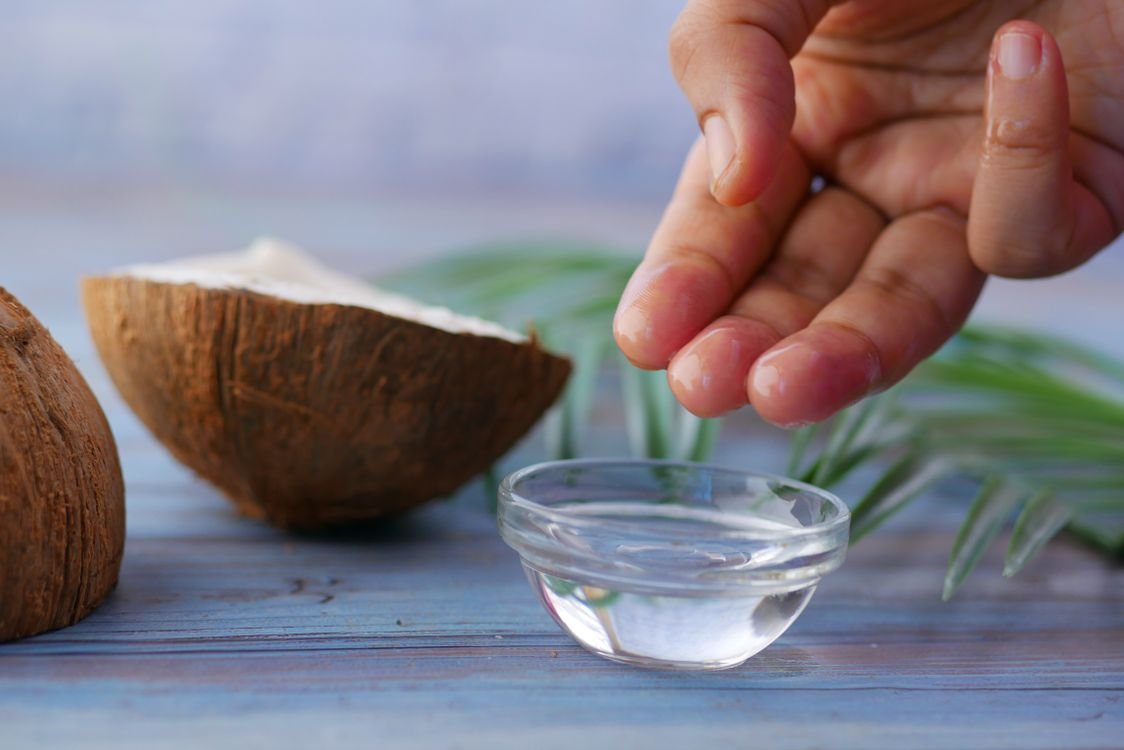
Coconut Oil Benefits for Dry Skin and Eczema Relief
Coconut Oil Benefits for Dry Skin are often discussed by people who want a simple, natural way to care for skin that feels tight, rough or easily irritated. Dry skin can make everyday life uncomfortable, and eczema can add itching, redness and flaking that comes and goes over time. Coconut oil is a familiar kitchen and bathroom staple in many homes, and its rich, smooth texture makes it an appealing option for moisturising. This article looks at the subject in a calm and practical way, explaining what coconut oil may offer, where it fits into a gentle skin care routine, and where caution is still important. It is written as general educational information, not as a treatment plan, and it does not promise a cure for eczema or any other skin condition.
Many people first try coconut oil because it feels nourishing as soon as it touches the skin. It melts on contact with warmth, spreads easily, and leaves a soft layer that can reduce the feeling of dryness for several hours. That immediate comfort is one reason it has remained popular, even as newer creams and lotions have arrived on the market. At the same time, skin is personal. What feels soothing for one person may feel heavy, greasy or irritating for another, especially when the skin barrier is already damaged. A thoughtful approach therefore matters more than the product itself. Choosing the right type of oil, testing it carefully, using a small amount, and paying attention to how the skin responds over days and weeks are all part of using it well.
This guide covers the basics of dry skin and eczema, the general ways coconut oil may support the skin, safe use and patch testing, daily routines, common mistakes, and the signs that suggest professional advice is needed. It also explains how coconut oil can sit alongside other moisturisers and prescribed treatments, rather than replacing them. Readers who are also interested in other gentle skin care topics may find Natural Remedies for Acne and Clear Skin useful, although acne-prone skin needs different care from very dry skin, and the two routines should not be mixed without thought. The aim throughout is steady, realistic care that respects the skin and supports comfort over time.
Understanding Dry Skin and Eczema
Dry skin develops when the outer layer of the skin loses moisture faster than it can replace it. That outer layer works like a protective wall, holding water inside the skin and keeping irritants outside. When the wall is weakened by cold weather, low humidity, hot showers, harsh soaps, frequent washing, ageing or certain skin conditions, water escapes more easily and the skin can feel tight, rough or flaky. Fine lines may look more visible, and the skin may itch or sting when it comes into contact with fragranced products, laundry detergent residue or rough fabrics. For many people, dryness is worse in winter, after long hot baths, or after using strong cleansers that strip away natural oils.
Eczema is a broader term for a group of conditions that cause inflammation of the skin. Atopic dermatitis is the most common form, and it often appears in childhood, although it can begin or continue in adult life. People with eczema may notice patches of dry, itchy, red or darker skin, sometimes with small bumps, cracking or weeping during flare-ups. The skin barrier in eczema tends to be more fragile, which means moisture is lost more easily and irritants can enter more readily. Triggers vary widely and may include dry air, stress, sweating, certain fabrics, soaps, fragrances, dust or changes in temperature. Because triggers and severity differ so much from person to person, a routine that helps one person may need adjustment for another.
Coconut Oil Benefits for Dry Skin in Everyday Care
Coconut Oil Benefits for Dry Skin are most often linked to its moisturising and softening qualities. Coconut oil contains fatty acids, including lauric acid, that give it a smooth texture and help it sit comfortably on the skin. When applied in a thin layer, it can reduce the rough feeling of dry patches and make the skin look and feel more supple. Many people notice that elbows, knees, shins and hands feel softer after regular use, particularly when the oil is applied soon after washing, while the skin is still slightly damp. This simple habit can make a noticeable difference to comfort, especially in colder months when indoor heating and cold outdoor air both draw moisture from the skin.
Another benefit people value is the way coconut oil can support the feeling of the skin barrier. The skin barrier depends on lipids, or fats, to stay flexible and protective, and applying a plant oil can add a temporary lipid layer on the surface. This layer may help slow water loss and reduce the tight, papery feeling that often follows a hot shower. For people with mild dryness, this may be enough to keep the skin comfortable between washes. For people with eczema, the same layer may help the skin feel less exposed, although it should be seen as a supporting step, not as a replacement for prescribed creams or medical advice.
Coconut Oil Benefits for Dry Skin and the Skin Barrier
Coconut Oil Benefits for Dry Skin are closely connected to the idea of the skin barrier, the outer layer that protects the body from the outside world. A healthy barrier keeps moisture in and keeps irritants, allergens and microbes out. When the barrier is weakened, the skin becomes more vulnerable to dryness, itching and flare-ups. Research and clinical experience have long supported the use of moisturisers to help maintain this barrier, and oils have been part of traditional skin care in many cultures for a long time. Coconut oil fits into this tradition because it is rich, easy to spread, and forms a thin protective film that may reduce moisture loss.
That film works best as part of a wider routine. Gentle washing, lukewarm water, short showers, mild cleansers and patting the skin dry instead of rubbing it all help protect the barrier. Applying coconut oil or another moisturiser within a few minutes of bathing, while the skin is still damp, can help trap some of that moisture. Wearing soft, breathable clothing, avoiding rough wool against irritated skin, and keeping the home at a comfortable humidity level can also support the barrier. No single product can do all of this alone, and people who focus only on the oil while continuing to use very hot water and harsh soaps may be disappointed with the results.
Choosing Coconut Oil for Dry Skin and Eczema Relief
Not all coconut oil is the same, and the label can tell a reader a great deal. Virgin or unrefined coconut oil is made from fresh coconut meat and usually keeps a light coconut scent and a white, solid appearance at room temperature. Refined coconut oil has been processed to remove scent and flavour, and it is often chosen by people who prefer a neutral product. Both types can moisturise the skin, and the choice often comes down to personal preference, sensitivity to fragrance, and availability. What matters more than the exact type is that the product is pure coconut oil, without added fragrance, colouring, essential oils or other ingredients that could irritate sensitive skin.
Readers should check the ingredient list before buying. A product labelled as coconut oil should list only coconut oil, or Cocos nucifera oil, as its ingredient. If the list includes perfume, alcohol, preservatives or a long list of other oils, it is a different product, and its effects on dry or eczema-prone skin may be different too. Cold-pressed and organic options are available, and some people prefer them, although these labels do not guarantee that a product will suit every skin type. Price is also not a reliable guide to suitability. A simple, affordable jar of pure coconut oil may work just as well as a more expensive branded version, provided it is stored correctly and used with care.
Coconut Oil Benefits for Dry Skin: Safe Use and Patch Testing
Coconut Oil Benefits for Dry Skin are best explored safely, and patch testing is the simplest way to do that. A patch test means trying a small amount of oil on a small area of intact skin before using it more widely. A good place to test is the inner forearm or behind the ear, where the skin is relatively sensitive but the area is small and easy to watch. Apply a thin layer once or twice a day for two or three days, and look for redness, itching, swelling, bumps or increased dryness. If the skin stays calm, the oil is more likely to be tolerated on a larger area. If any irritation appears, stop using it and wash the area gently.
Patch testing is especially important for people with eczema, because their skin is more reactive and a product that seems gentle can still cause a flare-up. It is also important for children, for people with sensitive skin, and for anyone trying coconut oil for the first time. A patch test does not guarantee that a product will be suitable forever, because skin can change with the seasons, with illness, or during a flare-up, but it does reduce the risk of a widespread reaction. It also helps a person feel more confident about the product they are using, which makes it easier to use it regularly and notice real changes.
A Gentle Daily Routine for Dry Skin
A gentle daily routine makes Coconut Oil Benefits for Dry Skin easier to notice, because the oil works best when the rest of the routine is also kind to the skin. A typical routine can start in the morning with a lukewarm shower or a gentle wash, using a mild, fragrance-free cleanser only where it is needed, such as the underarms and feet, rather than over the whole body every day. Water that is too hot can strip natural oils from the skin, so keeping showers short and comfortably warm is a useful habit. After washing, the skin should be patted dry with a soft towel, leaving it slightly damp, and coconut oil or another moisturiser applied within a few minutes.
During the day, hands often need extra attention, because they are washed many times and exposed to cold air, cleaning products and water. A small container of coconut oil or a fragrance-free hand cream kept near the sink can remind a person to moisturise after washing. Wearing gloves for cleaning and for cold weather can also protect the hands and reduce the need for frequent reapplication. For the body, loose, soft clothing made from cotton or other gentle fabrics can reduce friction, while rough wool or scratchy labels can irritate dry skin and make itching worse.
Coconut Oil Benefits for Dry Skin During Eczema Flare-Ups
Coconut Oil Benefits for Dry Skin may feel most relevant during an eczema flare-up, when itching and dryness are at their worst, but this is also the time when the most care is needed. During a flare-up, the skin is inflamed, sensitive and often broken, and even gentle products can sting. The first priority should always be the advice of a doctor or dermatologist, and any prescribed treatment should be used as directed. Coconut oil should not be used to delay medical care, and it should not be applied to areas that are infected, blistered or weeping without professional guidance.
Between flare-ups, when the skin is calmer but still dry, coconut oil may be used as a regular moisturiser to help maintain softness and reduce the feeling of tightness. This maintenance phase is often the best time to build a routine, because the skin is less reactive and it is easier to see whether a product suits it. Regular moisturising during calm periods is widely recommended in eczema care, because it may help the skin stay more resilient and may reduce the discomfort that can trigger scratching. Scratching can further damage the barrier and prolong a flare-up, so anything that reduces itching in a gentle way is valuable.
When to See a Dermatologist or Doctor
Most mild dry skin can be managed at home with gentle care and regular moisturising, but there are times when professional advice is important. A doctor or dermatologist should be consulted if eczema is severe, widespread, painful, infected, or not improving with regular care. Signs of infection can include increasing redness, warmth, swelling, yellow crusts, pus, blisters, or a fever, and these need prompt medical attention. Severe itching that disturbs sleep, cracking that bleeds, or skin that is weeping or very painful should also be checked, rather than managed with home remedies alone.
It is also worth seeking advice if a product causes a reaction, if dryness appears suddenly without a clear cause, or if it is accompanied by other symptoms such as hair loss, weight changes, or extreme thirst. These changes can sometimes be linked to other health conditions, and a doctor can help identify the cause. People who are pregnant, breastfeeding, taking medication, or living with a long-term health condition should also talk to a healthcare professional before starting a new skin care routine, even one that uses a natural product. Natural does not always mean safe for everyone, and professional guidance can help avoid avoidable problems.
For reliable general guidance on eczema and dry skin care, readers can consult the American Academy of Dermatology and the NHS, which both publish plain-language information on skin care and when to seek medical advice.
Coconut Oil Benefits for Dry Skin in a Simple Long-Term Routine
Coconut Oil Benefits for Dry Skin are most likely to be noticed when the routine around them stays simple and steady over time. Rather than searching for a single perfect product, it helps to focus on a few reliable habits: washing with lukewarm water, patting the skin dry instead of rubbing it, moisturising while the skin is still slightly damp, protecting the hands with gloves for cleaning and cold weather, and choosing mild, fragrance-free products where possible. These habits support the skin barrier every day, and they make any moisturiser, including coconut oil, more likely to help. Keeping the oil in a visible, convenient place, such as beside the shower or on a bedside table, can also turn moisturising into a regular habit instead of an extra task that is easy to forget.
Seasonal changes deserve attention too, because the skin often needs more care in winter, when cold air and indoor heating draw moisture away, than in summer, when humidity is higher. A person may use coconut oil once a day in warmer months and twice a day on very dry areas in colder months, adjusting the amount to how the skin feels rather than following a rigid rule. Lifestyle habits also play a part, including enough sleep, regular gentle exercise, a varied diet, and finding calm ways to manage stress, which is often linked to eczema flare-ups. Used carefully, patch tested first, and combined with gentle daily habits and professional advice when needed, coconut oil can be a useful and pleasant part of caring for dry skin and supporting comfort in everyday eczema care.
Disclaimer: This article is for educational information only and is not medical advice. Coconut oil may help some people with dry skin, but it is not a cure for eczema or any other skin condition, and it may not suit everyone. If you have severe eczema, broken or infected skin, an allergy to coconut, or another skin condition, please speak to a healthcare professional or dermatologist before using a new product, especially during pregnancy, while breastfeeding, or when taking medication. Stop using coconut oil and seek medical advice if you notice increased redness, itching, swelling, pain, or any sign of infection.