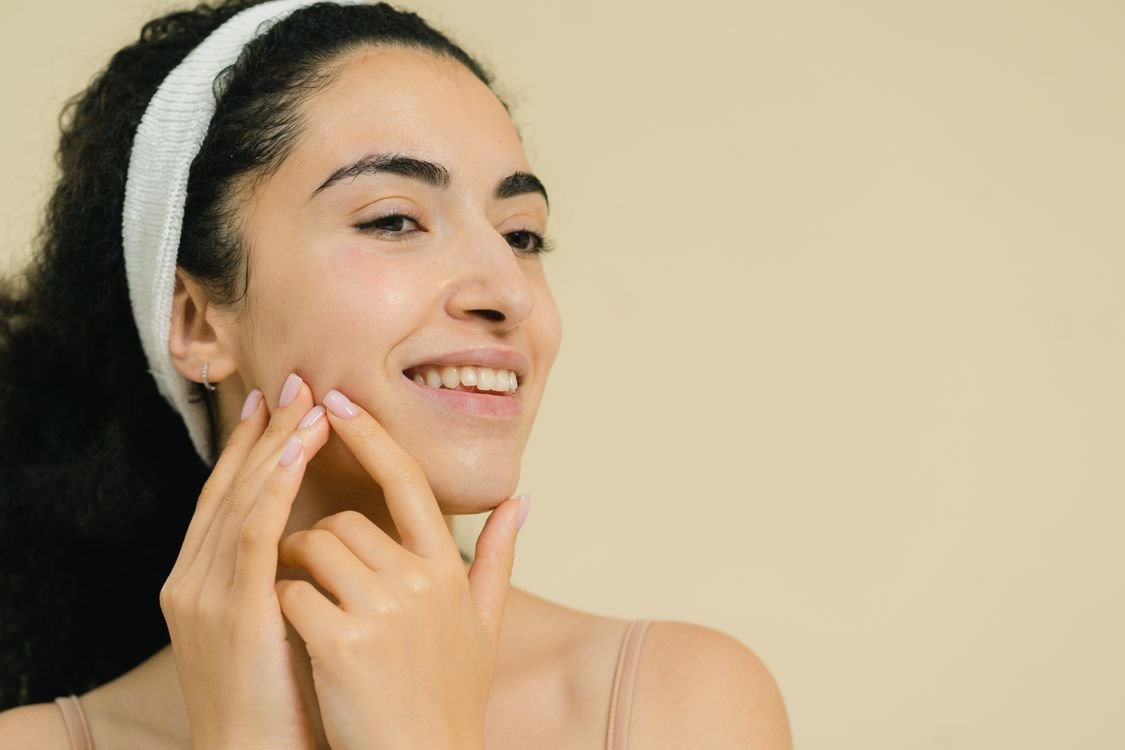
Natural Remedies for Acne and Clear Skin
Natural Remedies for Acne can offer gentle support for skin that feels irritated, oily, or prone to breakouts. Many people prefer a calm, simple approach to skincare, especially when strong products leave the skin feeling dry, tight, or sensitive. Natural ingredients such as tea tree oil, aloe vera, honey, turmeric, and green tea have been used in home skincare for a long time, and they can form part of a balanced routine that respects the skin barrier. This guide explains how Natural Remedies for Acne may help, how to use them safely, and how daily habits can support clearer-looking skin over time.
Table of Contents
Acne does not appear for one single reason, and it does not clear overnight. It develops when oil, dead skin cells, and bacteria build up inside pores, and it can be influenced by hormones, stress, sleep, diet, and the products used on the skin. A natural approach works best when it is patient and consistent. Instead of trying many new products at once, it helps to introduce one remedy at a time, watch how the skin responds, and keep the rest of the routine simple. That way, it becomes easier to notice what suits the skin and what causes irritation.
This article shares practical, original guidance for adults and teenagers who want to care for acne-prone skin at home. It covers well-known natural ingredients, a simple daily routine, common mistakes to avoid, and clear signs that professional advice is the safer next step. The information here is educational and is not a replacement for medical advice. Natural does not always mean risk-free, so patch testing, gentle dilution, and attention to the skin are essential parts of using Natural Remedies for Acne safely.
Understanding Acne and Its Common Causes
Acne forms when pores become blocked. The skin naturally produces oil, called sebum, which helps protect and moisturise the surface. When too much oil mixes with dead skin cells, the pore can become clogged. Bacteria that live on the skin can then multiply in the blocked pore, and the area may become red, swollen, or tender. Blackheads, whiteheads, small red spots, and deeper painful lumps are all different forms of acne, and they can appear on the face, neck, chest, shoulders, and back.
Hormonal changes are a common influence on acne. Puberty, menstrual cycles, pregnancy, and periods of stress can all affect oil production. Stress does not directly cause acne on its own, but it can increase oil production and make existing breakouts feel worse. Lack of sleep can also leave the skin looking tired and may slow the way the skin recovers after a breakout. Diet does not cause acne in a simple, direct way for everyone, yet some people notice that certain foods seem linked to more breakouts, and keeping a simple food and skin diary can help them notice patterns without making drastic changes.
Skincare habits also play a role. Heavy, oily products can block pores, while harsh scrubs and strong cleansers can strip the skin and trigger more oil production. Touching the face during the day, resting the chin on the hands, and using unwashed pillowcases or phone screens can transfer oil and dirt to the skin. Squeezing spots can push inflammation deeper, increase redness, and raise the chance of marks or scarring. Understanding these causes helps explain why Natural Remedies for Acne work best as part of a gentle routine, rather than as a quick fix applied alone.
Choosing Natural Remedies for Acne for Your Skin Type
Before choosing a remedy, it helps to notice the skin type. Oily skin often looks shiny by midday and may have larger-looking pores. Combination skin may be oily across the forehead, nose, and chin, while the cheeks feel normal or dry. Dry skin can feel tight after washing, and sensitive skin may react quickly to new products with redness or stinging. Acne can appear with any skin type, so the goal is to choose remedies that support balance rather than dryness.
For oily skin, light ingredients such as green tea and diluted tea tree oil may feel more comfortable than thick oils or heavy creams. For dry or sensitive skin, soothing ingredients such as aloe vera and honey may feel more supportive, because they add moisture while the skin calms. For combination skin, different areas may need different care, and a light moisturiser on dry areas can help the skin feel comfortable. Patch testing remains important for every skin type. A small amount of a diluted remedy can be applied to a small area, such as behind the ear or along the jawline, and left for a day to check for a reaction before wider use.
Natural Remedies for Acne should be introduced slowly. Using one new ingredient at a time for at least one or two weeks gives the skin time to adjust and makes it easier to identify the cause when irritation appears. Keeping a short note of what was used, how often, and how the skin felt can support good decisions. If a remedy causes burning, strong redness, swelling, or a rash, it should be washed off with lukewarm water and stopped. Gentle care, sun protection, and patience are more helpful than aggressive treatment, especially for skin that is already inflamed.
Tea Tree Oil for Acne
Tea tree oil is one of the most widely used Natural Remedies for Acne. It comes from the leaves of the tea tree plant, and it has natural cleansing properties that may help reduce the bacteria associated with breakouts. Many people use it as a spot treatment, rather than applying it across the whole face. When used in a diluted form, it can feel refreshing and may help a spot look less red over time, while the surrounding skin stays calm.
Tea tree oil should never be applied undiluted to the skin. A safe approach is to mix one drop of tea tree oil with a teaspoon of a light carrier oil, such as jojoba oil, or with a plain, fragrance-free moisturiser. A clean cotton bud can then be used to place a small amount directly on the spot. This can be done once a day at first, and only increased to twice a day if the skin tolerates it well. Washing the hands before and after application helps keep the area clean.
Some people find tea tree oil drying, especially when it is used too often or in a strong mix. If the skin feels tight, flaky, or irritated, the remedy should be used less often or stopped for a few days while the skin recovers with a gentle moisturiser. Tea tree oil is for external use only, and it should be kept away from the eyes and mouth. People with very sensitive skin, eczema, or a known allergy to tea tree oil should avoid it or seek advice from a healthcare professional before use. A patch test before the first full use is a sensible step for everyone.
Aloe Vera for Skin Healing and Hydration
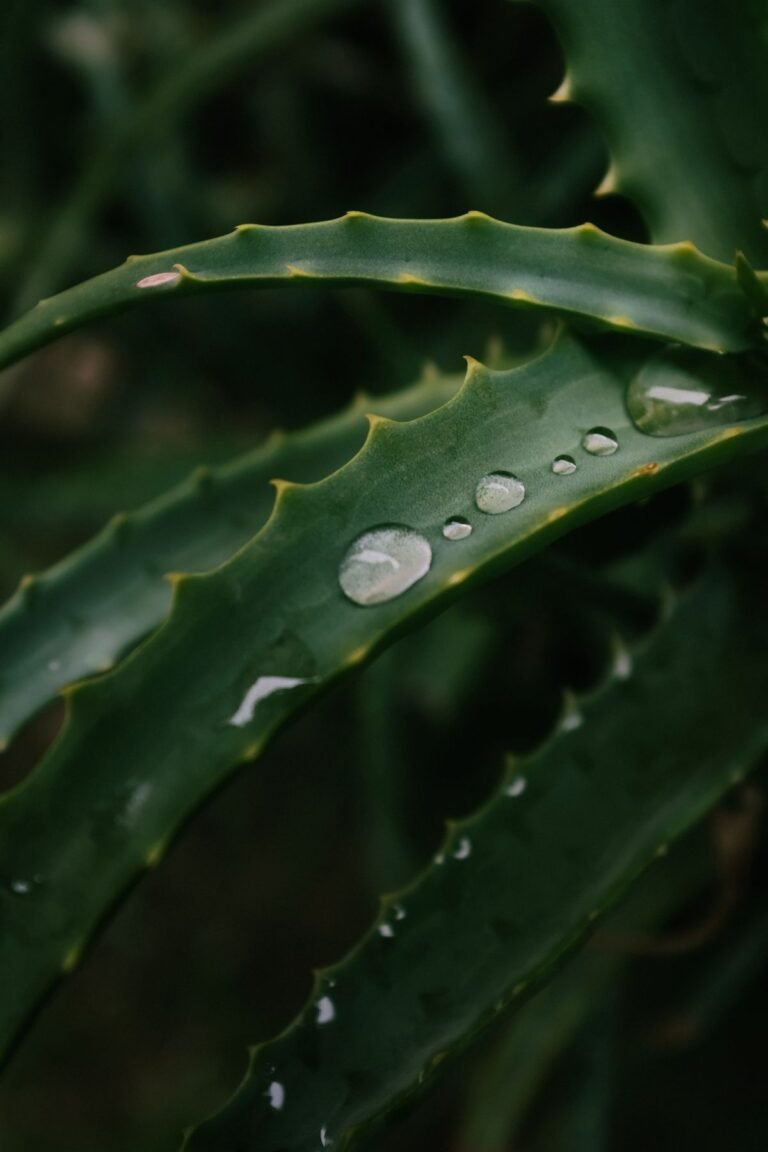
Aloe vera is a gentle, cooling ingredient that many people use for skin healing and hydration. The clear gel inside the leaf feels light on the skin and can help calm redness after a breakout. It also adds moisture without a heavy, greasy feeling, which makes it useful for acne-prone skin that still needs hydration. When the skin is well hydrated, it often looks smoother and feels more comfortable, and the barrier that protects the skin can recover more easily.
Pure aloe vera gel can be applied in a thin layer after cleansing, either on the whole face or on areas that feel irritated. It can also be used as a light moisturiser in the morning or evening. People who grow aloe vera at home can use fresh gel from a clean leaf, while others may choose a shop-bought gel with a short ingredient list and no added fragrance. A patch test is still wise, because even gentle plant ingredients can cause a reaction for some people, and a product with added colour or perfume may irritate sensitive skin.
Honey for Acne-Prone Skin
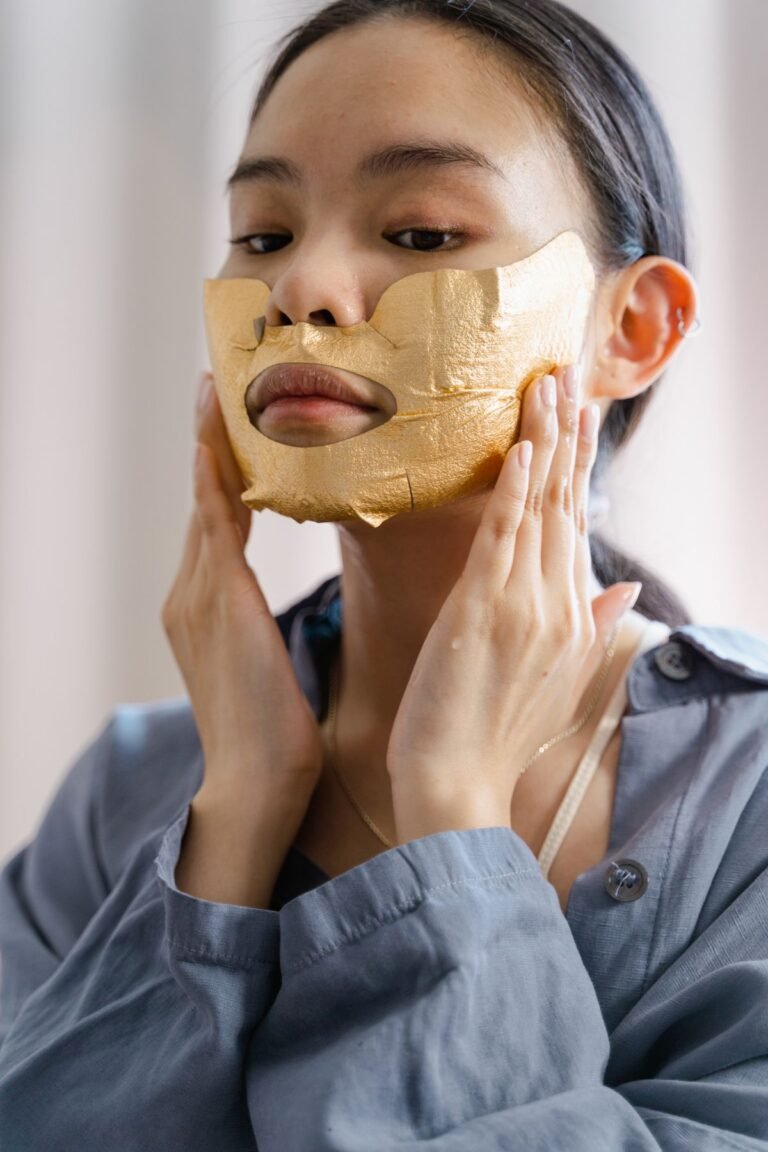
Honey is a soft, natural ingredient that can support acne-prone skin in a gentle way. Raw honey has a thick texture that helps it stay on the skin, and it can help the skin feel moisturised while it calms the look of redness. Many people use honey as a short face mask, because it feels soothing and can be washed off easily with lukewarm water. It is a simple option within Natural Remedies for Acne, and it works well for people who want a remedy that does not dry the skin.
To use honey as a mask, a thin layer can be spread over clean, slightly damp skin and left for about ten to fifteen minutes, then rinsed off with lukewarm water and patted dry. It can also be applied as a spot treatment and left for a shorter time. Honey should not be used by anyone with a known allergy to honey or bee products. It should also be kept away from broken skin that is bleeding, and hands and applicators should be clean to avoid adding bacteria to the face.
Turmeric for Acne and Inflammation
Turmeric is a bright yellow spice that is often used in home skincare for its calming properties. It may help skin that looks red or inflamed after a breakout, and it can be used in a very small amount as part of a face mask. A simple mask can be made by mixing a small pinch of turmeric with a spoonful of plain yoghurt or honey to form a smooth paste. The paste can be applied in a thin layer, left for about ten minutes, and then rinsed off with lukewarm water.
Turmeric can stain the skin and clothing with a yellow tint, especially when too much is used, so a small amount is enough and old towels should be used when rinsing. It should be patch tested first, and it should not be used on broken or very irritated skin. People with an allergy to turmeric should avoid it. As with other Natural Remedies for Acne, turmeric is best used once or twice a week at most, and the skin should be moisturised gently afterwards.
Green Tea for Clear Skin
Green tea is a light, refreshing option for clear skin, and it can be used both as a drink and as a skin rinse. It contains natural compounds that may help calm the skin and reduce the look of oiliness. A cooled cup of green tea can be used as a gentle toner after cleansing, applied with clean hands or a soft cotton pad. It feels light on the skin and does not leave a heavy layer behind, which makes it suitable for daily use for many people.
To make a green tea rinse, brew a cup of plain green tea, allow it to cool fully, and store it in a clean container in the fridge for up to two days. The tea should be unsweetened and free from added flavouring. It can also be frozen in a clean ice cube tray and used to cool a warm, irritated area, wrapped in a clean cloth first. Green tea should not replace cleansing or moisturising, but it can be a calm extra step that supports a simple routine for acne-prone skin.
Apple Cider Vinegar for Acne
Apple cider vinegar is a strong ingredient that needs careful dilution before it touches the skin. It is sometimes used as a toner because it may help the skin feel clean and balanced, yet undiluted vinegar can burn, sting, and damage the skin barrier. For that reason, dilution is not optional. A very weak mix can be made with one part apple cider vinegar to at least eight parts cool water, and it should be used only as a short, occasional step, never as a daily strong treatment.
The diluted mix can be applied with a cotton pad to a small area first, left for a few minutes, and then rinsed off with water. It should be stopped at once if the skin stings, turns very red, or feels sore. Apple cider vinegar should never be used on broken skin, open spots, or skin that is already peeling or sunburnt. People with sensitive skin, eczema, or rosacea should avoid it, and anyone who is unsure should seek advice from a healthcare professional. Among Natural Remedies for Acne, this is one of the ingredients that calls for the most caution.
Diet and Lifestyle for Clear Skin
Diet and lifestyle support clear skin from the inside, and they work alongside the remedies used on the surface. A balanced diet with plenty of vegetables, fruit, whole grains, and water can help the body feel well, and it supports skin that looks fresh. Some people notice that very sugary foods and drinks, or a diet high in processed foods, seem linked to more breakouts, so choosing whole foods most of the time can be a helpful step. Drinking enough water during the day also helps the skin stay hydrated, while regular sleep gives the skin time to recover.
Stress management is another part of care for acne-prone skin. Gentle exercise, time outdoors, regular sleep, and calm daily habits can help the body manage stress, and that may support steadier skin over time. Changing pillowcases often, cleaning phone screens, and keeping hair away from the face can reduce the transfer of oil and dirt to the skin. Readers who want trusted, general information about acne can read the NHS guidance on acne, which explains causes, self-care, and treatment options in clear language.
Daily Skincare Routine for Acne-Prone Skin
A simple daily routine is easier to keep than a long list of products, and it gives Natural Remedies for Acne a steady base. The routine below can be followed morning and evening, with sun protection during the day.
- Cleanse with a gentle, fragrance-free cleanser and lukewarm water, using clean hands.
- Pat the skin dry with a clean towel, rather than rubbing it.
- Apply a light, suitable natural remedy, such as aloe vera gel or a diluted spot treatment, only where needed.
- Moisturise with a light, non-comedogenic moisturiser that suits the skin type.
- Use a broad-spectrum sunscreen during the day, especially after using any ingredient that may increase sun sensitivity.
- Remove makeup fully before bed and wash pillowcases regularly.
Common Mistakes to Avoid
- Using many new remedies at once, which makes it hard to know what helps or harms the skin.
- Applying undiluted essential oils or apple cider vinegar directly to the skin.
- Scrubbing the skin harshly or washing the face too often, which can increase dryness and irritation.
- Squeezing or picking spots, which can spread inflammation and increase the chance of marks.
- Skipping moisturiser or sunscreen, even when the skin feels oily.
- Expecting overnight results and stopping a gentle routine too soon.
Avoiding these mistakes can help the skin stay calmer and can reduce the chance of new breakouts. Slow, gentle care is often the most effective path, and it protects the skin barrier that keeps moisture in and irritants out. When a product or remedy causes pain, swelling, or a spreading rash, it should be stopped and the skin should be rinsed with lukewarm water.
When to See a Dermatologist
Natural Remedies for Acne can support mild breakouts, but professional advice is important when acne is severe, painful, or does not improve. A dermatologist should be consulted when spots are large, deep, or cystic, when acne leaves scars or dark marks, when it affects mood or confidence, or when home care has not helped after several weeks of gentle, consistent use. People who are pregnant, who have allergies, or who take medication should also seek professional advice before trying new remedies, because some natural ingredients may not suit them.
The American Academy of Dermatology provides clear information about acne, its causes, and the treatments that dermatologists may recommend. A dermatologist can assess the skin type, the type of acne, and any other skin conditions, and can suggest a plan that may include prescription treatment alongside gentle skincare. Seeking help early can reduce the chance of scarring and can give the skin the best chance to recover.
A Gentle Path to Clear Skin
Clear skin is supported by calm, consistent care rather than harsh treatment. Natural Remedies for Acne, used gently and patiently, can help the skin feel cleaner, calmer, and more balanced, especially when they are combined with a simple routine, balanced food, enough sleep, and sun protection. Choosing one remedy at a time, patch testing, and listening to the skin are the habits that make natural care safer and more useful. With time, many people find a routine that suits their skin and helps them feel more confident.
Disclaimer: This content is for educational information only and is not medical advice. It does not diagnose, treat, or cure any condition. Please consult a healthcare professional before trying a new remedy, especially for severe acne, during pregnancy, or if you have allergies or take medication. Stop using any remedy that causes irritation and seek medical advice if symptoms worsen.
Natural Remedies for Acne work best when chosen for the skin type, diluted properly, and used consistently. With gentle cleansing, moisturising, and sun protection, Natural Remedies for Acne can support calmer skin, and more ideas are in the Skin Care Remedies category for readers following Natural Remedies for Acne patiently.

5 Comments