
Every winter, the same advice floods in: this tea will “boost” your immunity, that supplement will make you untouchable, some superfood will shield you from every cold going around the office. The truth is less dramatic but far more useful. Your immune system is not a battery you charge with a single ingredient — it is a complex network that works best when the basics of your life are in order: sleep, food, movement, and a few unglamorous hygiene habits.
This guide covers the natural, realistic ways to support your immune system through the winter season. No miracles, no megadoses — just what the evidence actually supports, and a clear note on what does not work.
How Your Immune System Actually Works
A quick, honest primer helps cut through the marketing. Your immune system has two broad layers: the innate system (fast, general defenses like skin, mucus and white blood cells that attack anything unfamiliar) and the adaptive system (slower, specific defenses that learn from infections and vaccinations and remember them). Both layers are influenced by sleep, nutrition, stress and age — but they are influenced gradually, by overall patterns, not switched on by a single drink or pill.
That framing matters because it changes what “supporting immunity” really means. You cannot boost a healthy immune system far above normal — and you would not want to, since an overactive immune system is essentially what allergies and autoimmune conditions are. What you can do is avoid the things that drag it down: chronic sleep loss, poor diet, heavy drinking, smoking, and inactivity. Most of winter immunity is really about removing handicaps.
Sleep: The Single Biggest Lever
If you fix only one thing this winter, make it sleep. During sleep your body produces and distributes key immune cells and signaling proteins, and studies consistently show that people who sleep six hours or less per night are significantly more likely to catch a cold after exposure than people who sleep seven or more. One well-known experiment found short sleepers were about four times as likely to develop a cold. That is a bigger effect than any supplement on the market can claim.
Our guide to natural remedies for better sleep walks through building a realistic wind-down routine. In winter, two details matter especially: keep a consistent wake time even on dark mornings (light exposure soon after waking anchors your body clock), and resist the seasonal slide toward very late nights, which quietly erodes sleep totals week after week.
Food That Supports Immune Function
Cover the Key Nutrients
A few nutrients genuinely matter for immune cells, and winter diets often run low on them:
- Vitamin C: citrus fruits, bell peppers, kiwi, broccoli and frozen berries. Vitamin C does not prevent colds in the general population, but adequate intake supports normal immune function, and regular intake may slightly shorten colds.
- Vitamin D: the winter problem nutrient in the northern US, where sunlight is too weak for skin to make it for months. Fatty fish, fortified dairy and eggs help a little, but many adults run low regardless. Because vitamin D status is testable and dosing is individual, this is one case where a blood test and a doctor’s advice beat guessing with high-dose supplements.
- Zinc: oysters, beef, pumpkin seeds, chickpeas and lentils. Zinc supports immune cell development; severe deficiency genuinely impairs immunity, though more zinc beyond sufficiency is not better.
- Protein: antibodies and immune cells are built from protein. Older adults especially often under-eat it; include a real protein source at each meal.
Feed Your Gut, Too
A large share of your immune tissue sits in and around your gut, and the gut microbes that ferment fiber and populate fermented foods appear to help train and regulate it. Our guide to probiotic foods for gut health covers practical options like yogurt, kefir and sauerkraut. Pairing those with fiber-rich vegetables and legumes gives the microbes both reinforcements and food.
Hydration and Comfort Care
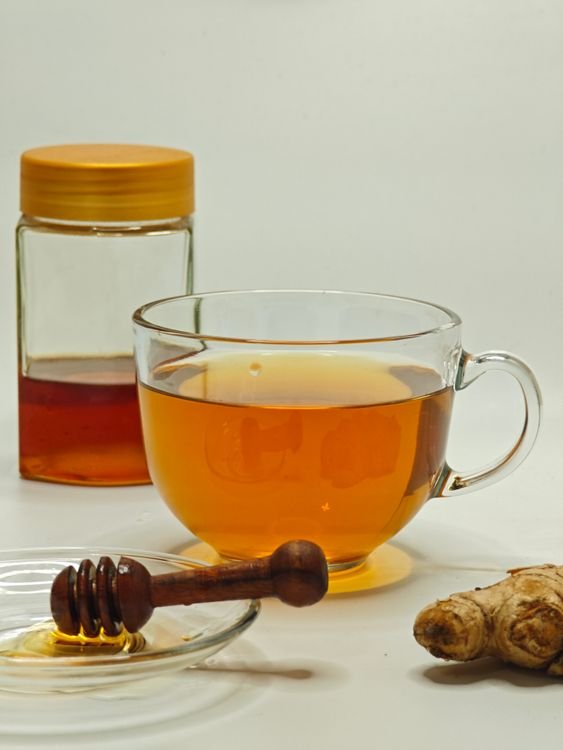
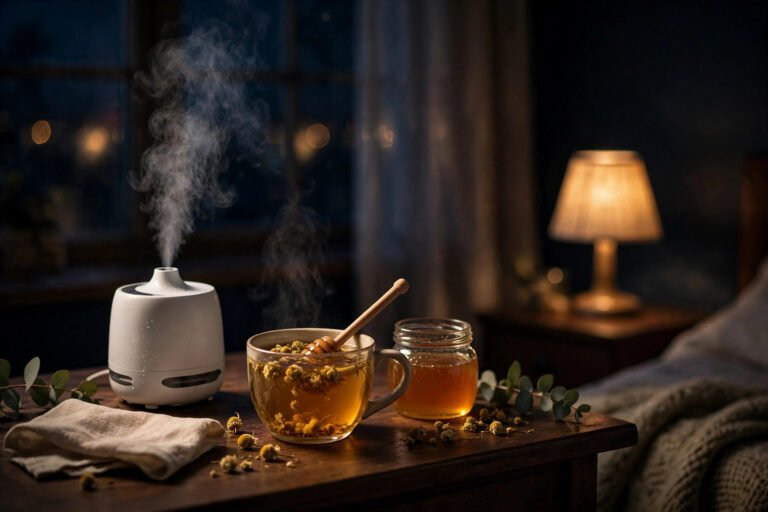
Staying hydrated keeps the mucus membranes in your nose and throat moist, and moist membranes trap and clear viruses better than dry, cracked ones. Heated indoor air dries those membranes out all winter, so warm drinks through the day pull double duty: hydration plus comfort. Herbal teas, warm water with lemon, and simple broths all count.
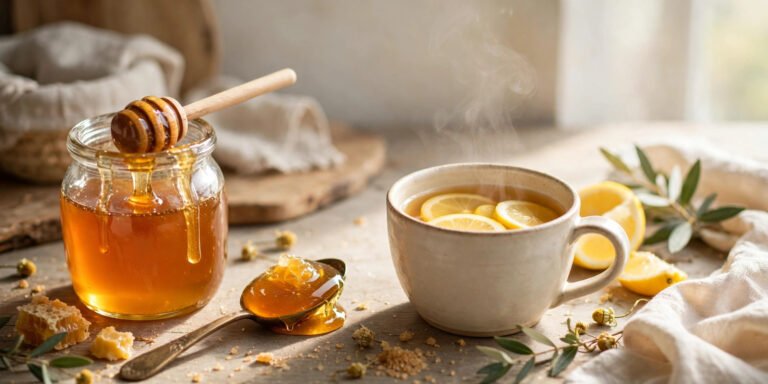
And when a cold does arrive — as it will for most people some winters — comfort care is about easing symptoms while your immune system does its slow work. Honey for cough is one of the better-supported examples: a spoonful in warm water or tea genuinely soothes coughs in adults and children over one year old. Supporting immunity and treating symptoms are different jobs; honest guides should not blur them.
Movement, Fresh Air and Daylight
Moderate regular exercise — brisk walking counts — is consistently associated with fewer upper respiratory infections. The winter trap is going fully sedentary for three months. Aim for a daily walk, ideally outdoors in the middle of the day: you get movement, daylight for your body clock and vitamin D where latitude allows, and a break from recirculated indoor air in one habit.
Two cautions. Very intense training loads without recovery can temporarily work in the opposite direction, so build up gradually. And if you are actively sick with fever or chest symptoms, rest beats exercise; the old rule of “above the neck, gentle movement is okay; below the neck or fever, rest” is a reasonable guide.
The Hygiene Basics That Outperform Every Superfood
- Hand washing. Twenty seconds with soap, especially after being out and before eating, remains the single most effective cold-prevention habit ever measured.
- Keep hands off your face. Most cold viruses enter through the nose and eyes, delivered by your own fingers.
- Ventilate. Opening windows for even 10 minutes a day dilutes the virus-laden air indoors, where most winter transmission actually happens. A bedroom humidifier also helps, since dry air lets respiratory viruses travel and survive more easily.
- Rest when you are sick. Pushing through illness prolongs it and spreads it. One or two early rest days often shorten the whole episode.
- Vaccination. It is not a “natural remedy,” but honesty requires saying it: the annual flu shot is the most effective single step against influenza specifically, and it works precisely by training the adaptive immune system described above.
What Does Not Work (Save Your Money)
- Megadose supplements in healthy people. Once you have enough vitamin C or zinc, extra amounts are mostly excreted — and high-dose zinc can cause nausea and interfere with copper absorption.
- “Detox” products. Your liver and kidneys detox you continuously, for free. No tea flushes viruses or toxins in any meaningful sense.
- Miracle claims. Any product promising to prevent all illness, or cure colds in 24 hours, is selling marketing, not medicine.
- Antibiotics for colds. Colds and flu are viral; antibiotics do nothing for them and carry their own harms when misused.
See a Doctor If…
- You have a fever above 101.3°F that lasts more than three days, or a fever that returns after improving.
- You have difficulty breathing, chest pain, confusion, or severe headache.
- Cold symptoms last more than 10 days without improvement, or improve and then suddenly worsen.
- You catch infections unusually often, or infections are unusually severe — recurrent infections deserve a proper immune workup.
- You have a weakened immune system, are pregnant, or care for an infant under three months who develops a fever — seek advice early rather than home-treating.
Medical Disclaimer
Disclaimer: The information in this article is for general educational purposes only and is not medical advice. Home remedies and lifestyle habits support general health but cannot prevent or cure infections, and they are not a substitute for vaccination, professional diagnosis or treatment. Talk to your doctor about recurrent infections, persistent symptoms, or before starting supplements, especially vitamin D.
Frequently Asked Questions
Can I really “boost” my immune system naturally?
Not in the way ads suggest. A healthy immune system is already strong; lifestyle habits like sleep, balanced food and exercise keep it from being dragged down, which is the realistic and evidence-backed goal. Anything promising to raise immunity above normal with a single product is overstating what is known.
Does vitamin C prevent winter colds?
For the general population, regular vitamin C does not reduce how often colds happen, though it may shorten them slightly and reduce severity a little. It is worth getting enough from food — citrus, peppers, kiwi, broccoli — but megadose supplements do not add protection for most people.
Should I take vitamin D in winter?
Many adults in northern states do run low in winter, and correcting a genuine deficiency is sensible. The right approach is a blood test and a doctor-guided dose rather than guessing with high-strength supplements, because more is not always better with vitamin D.
How much sleep do I need for my immune system?
Most adults need 7–9 hours. Studies linking short sleep to catching colds used roughly six hours or less as the danger zone. Consistency matters too — a regular sleep and wake time supports immune function better than the same total hours at erratic times.
What is the most effective natural way to avoid getting sick this winter?
The unglamorous combination: wash your hands well and often, keep your hands away from your face, sleep enough, ventilate indoor spaces, and rest early when you feel something coming on. Those habits, done consistently, outperform any single food or supplement.