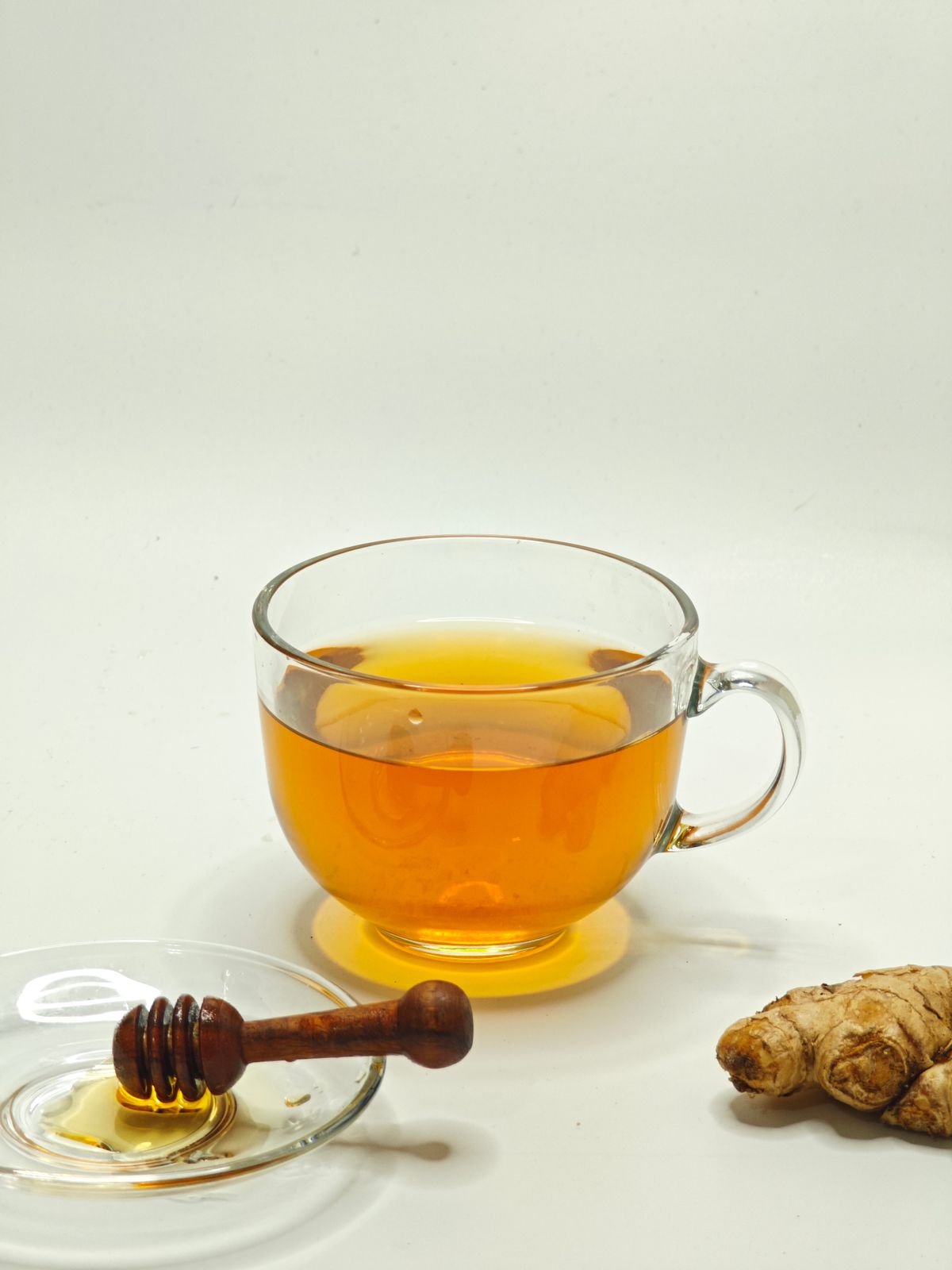
Ginger Tea Benefits for Muscle Pain and Inflammation
Muscle pain is a familiar part of everyday life for many people in the United States and the United Kingdom. It may follow a long walk, a heavy day at work, a new exercise routine, gardening, or sitting in one position for too long. Sometimes it feels like a dull ache, sometimes like stiffness when getting out of bed, and sometimes like tenderness after physical effort. Mild muscle pain is often a normal response to use, strain, or tiredness, and it usually eases with rest, gentle movement, and time. Many people also look for simple, warming home comforts that may support general comfort while the body recovers, and ginger tea is one of the most popular choices.
Ginger Tea Benefits for Muscle Pain have attracted interest because ginger has been used for centuries in kitchens and in traditional home care across many cultures. Fresh ginger root has a warm, slightly spicy flavour, and a cup of ginger tea can feel comforting on a cold morning, after a long day, or during a quiet evening at home. The tea is easy to prepare, it uses a familiar ingredient, and it can be enjoyed plain or with lemon, honey, or turmeric. For many people, the simple ritual of making and drinking a warm cup is itself soothing, offering a pause in a busy day and a moment to slow down.
Understanding Muscle Pain and Inflammation in Everyday Life
Muscle pain can affect almost any muscle in the body. It may appear in the neck and shoulders after working at a desk, in the lower back after lifting, in the legs after walking or running, or in the arms after carrying heavy items. The pain may be mild and short-lived, or it may linger for a day or two after unusual effort. In many everyday cases, the cause is simple: muscles have been used more than usual, held in one position for too long, or worked without enough warm-up or rest.
Inflammation is the body’s natural response to strain, minor injury, or overuse. It is part of how the body protects and repairs itself. In general terms, inflammation may be linked with feelings of tenderness, warmth, swelling, or stiffness in the affected area. Short-term inflammation after exercise or minor strain is usually a normal part of recovery. When discomfort lasts for a long time, keeps coming back, or is joined by other symptoms such as weakness, numbness, fever, or a visible injury, it is sensible to seek advice from a healthcare professional rather than relying on home remedies alone.
Ginger Tea Benefits for Muscle Pain and the Role of Gingerol
Ginger is the root of the plant Zingiber officinale, and it has been used as a spice and as a traditional home remedy for a very long time. Fresh ginger is firm, pale yellow inside, and aromatic when cut or grated. Dried ginger powder, ginger tea bags, and crystallised ginger are also widely available, but fresh ginger is often preferred for tea because it gives a bright, clean flavour and a gentle heat.
One of the natural compounds in ginger is gingerol. Gingerol is found in fresh ginger and is partly responsible for its pungent taste and warming sensation. When ginger is dried or cooked for a long time, some gingerol may change into other compounds, such as shogaol, which also have a warm, spicy character. Researchers have studied ginger and gingerol in general terms, and ginger is often described in traditional and modern sources as a plant with warming and soothing qualities. Some laboratory and small-scale studies have explored whether ginger may support the body’s normal response to inflammation and discomfort, but results vary, and more research is needed before firm conclusions can be drawn. General guidance is available at NHS and NCCIH
Fresh Ginger Tea for Muscle Comfort
Fresh ginger tea is the simplest version of this drink, and it is a good place to start. It needs only fresh ginger root and water, and it takes only a few minutes to prepare. The flavour is warm, slightly spicy, and refreshing, without being overpowering when made with a modest amount of ginger.
To make one cup, start with a small piece of fresh ginger, about the size of a thumb, roughly two to three centimetres long. Peel the skin with a spoon or a small knife, then slice the ginger thinly or grate it coarsely. Place the ginger in a mug or a small saucepan, add about one cup of freshly boiled water, and cover the mug or pan. Let the tea steep for five to ten minutes. A longer steeping time will give a stronger flavour and more warmth, while a shorter time will give a milder cup. Strain the tea if you used grated ginger, or leave the slices in the mug if you prefer a stronger taste as you drink.
Ginger Tea Benefits for Muscle Pain With Lemon
To prepare ginger tea with lemon, make fresh ginger tea as described above, using sliced or grated ginger and hot water. After steeping for five to ten minutes, add a squeeze of fresh lemon juice, about one teaspoon, or a thin slice of lemon. Stir gently and taste before adding more. Lemon juice is acidic, so it is best to add it after the tea has steeped, rather than boiling the lemon with the ginger, to keep the flavour fresh and bright.
Ginger Tea Benefits for Muscle Pain With Lemon are often described in the same cautious terms as plain ginger tea. The combination may offer warmth, hydration, and a pleasant flavour, and the vitamin C in lemon is part of a healthy diet in general terms. The drink may feel especially comforting during colder months, or after time spent outdoors. Some people also enjoy it as a lighter alternative to sweetened drinks, since lemon adds flavour without adding sugar.
Ginger Tea With Honey for Soothing Warmth
Ginger tea with honey is another popular variation, valued for its gentle sweetness and soothing warmth. Honey softens the sharpness of ginger and makes the tea feel more comforting, especially in the evening or when the throat feels dry. For many people, this is the most enjoyable version of ginger tea, and enjoyment matters, because a drink that tastes good is more likely to become a regular, relaxing habit.
To make ginger tea with honey, prepare fresh ginger tea and let it steep for five to ten minutes. Allow the tea to cool slightly, until it is warm rather than very hot, then stir in one teaspoon of honey. Adding honey to very hot water may reduce some of its delicate flavour, so waiting a minute or two can help. Taste the tea before adding more honey, since a small amount is usually enough. A teaspoon of honey adds sweetness without making the drink overly sweet.
Ginger Tea With Turmeric for Extra Support
Ginger and turmeric are often used together in cooking and in traditional home care, and their flavours complement each other well. Turmeric has a warm, earthy taste and a golden colour, and it is widely used in curries, soups, and teas. Combining ginger tea with turmeric creates a rich, golden drink that many people find comforting and satisfying.
To make ginger tea with turmeric, prepare fresh ginger tea as usual, then add a small pinch of ground turmeric, about a quarter of a teaspoon per cup, or a small piece of fresh turmeric root, peeled and sliced, if available. Stir well, since ground turmeric may settle at the bottom of the cup. Some people also add a pinch of black pepper, which is traditionally used with turmeric in cooking, although this is optional and may make the drink spicier. Let the tea steep for five to ten minutes, strain if needed, and drink while warm. A squeeze of lemon or a teaspoon of honey may be added for flavour. A related article is Turmeric Benefits for Joint Pain and Inflammation
Iced Ginger Tea for Warm Weather Relief
Ginger tea does not have to be served hot. Iced ginger tea is a refreshing option for warm weather, after exercise on a hot day, or for people who simply prefer cold drinks. It offers the same familiar ginger flavour in a cooler, lighter form, and it can be a pleasant way to stay hydrated.
To make iced ginger tea, prepare a stronger batch of fresh ginger tea, using a little more ginger than usual, since the flavour will be diluted by ice. Use about two thumb-sized pieces of ginger for two cups of water, steep for ten minutes, then strain and allow the tea to cool to room temperature. Pour the cooled tea over ice in a tall glass, and add a squeeze of lemon, a few mint leaves, or a thin slice of cucumber for extra freshness. A small amount of honey may be stirred in while the tea is still warm, if sweetness is wanted, but many people enjoy iced ginger tea unsweetened.
Building a Daily Ginger Tea Routine
A daily ginger tea routine does not need to be complicated. In fact, simple routines are often the easiest to maintain. The aim is to make ginger tea a pleasant, regular habit that fits naturally into the day, rather than a chore or a treatment to be followed strictly. One or two cups a day is a common amount for many adults who enjoy ginger tea, although individual tolerance varies, and some people prefer a cup only a few times a week.
A morning cup may be a warming start to the day, especially in colder months. Drinking ginger tea after breakfast, rather than on an empty stomach, may feel gentler for people with sensitive stomachs. An afternoon cup may offer a pause during a busy workday, a moment to stretch, breathe, and drink something warm. An evening cup, made with plain ginger or ginger with honey, may be a calming part of a wind-down routine, since plain ginger tea is naturally caffeine-free and will not interfere with sleep in the way that coffee or strong black tea might.
Combining Ginger Tea With Gentle Movement and Rest
Ginger tea may feel most helpful when it is part of a wider approach that includes gentle movement and adequate rest. Muscles often feel better when they are moved gently and regularly, rather than kept completely still for long periods. At the same time, overdoing exercise or lifting too much too soon may make soreness worse. A balanced approach, with light activity and proper rest, is usually the most sensible path.
Gentle movement may include short walks, light stretching, slow yoga, or simple movements at home, such as shoulder rolls, neck stretches, and gentle leg movements. These activities may help maintain flexibility and circulation, and they may ease feelings of stiffness. It is best to start slowly, move within a comfortable range, and stop if a movement causes sharp pain. Warming up before exercise and cooling down afterwards may also help muscles feel more comfortable. A related article on warm baths is Epsom Salt Bath Benefits for Muscle Pain Relief
Safety and Possible Side Effects of Ginger Tea
The most common side effects are mild digestive effects, such as heartburn, an upset stomach, bloating, or a feeling of warmth in the chest. Some people may notice a mild burning sensation in the mouth or throat, especially if the tea is very strong. Drinking ginger tea with food, making it weaker, or reducing the number of cups per day may help if these effects occur. If discomfort continues, it is sensible to stop drinking ginger tea and choose a different warm drink.
Ginger may also affect blood clotting in general terms, and it is often listed among foods and herbs that may interact with blood-thinning medication. This does not mean that a single cup of ginger tea is dangerous for everyone, but it does mean that people who take such medication should be cautious and should ask a doctor or pharmacist before drinking ginger tea regularly or in large amounts. Ginger may also affect blood sugar levels in some contexts, so people with diabetes should be aware and should seek advice if they plan to use ginger regularly. Allergic reactions to ginger are uncommon, but they can occur, and anyone who notices a rash, itching, swelling, or difficulty breathing after drinking ginger tea should stop and seek medical help promptly.
People Who Should Be Cautious With Ginger Tea
Pregnant people are often advised to be cautious with herbal drinks, including ginger tea. Ginger is sometimes used in traditional care for morning sickness, but amounts, timing, and individual circumstances matter, and professional guidance is important during pregnancy. Anyone who is pregnant, trying to become pregnant, or breastfeeding should ask a healthcare professional before drinking ginger tea regularly or in larger amounts.
People who take medication should also be cautious. This includes blood-thinning medicines, diabetes medicines, and blood pressure medicines, as ginger may interact with these in some cases. People who are about to have surgery, or who have a bleeding disorder, should also seek advice, since ginger may affect clotting. People with gallstones, liver concerns, or a history of stomach ulcers should be careful too, as ginger may not suit everyone with these conditions. Children may enjoy weak ginger tea in small amounts, but strong ginger tea is not usually suitable for young children, and parents should seek advice from a healthcare professional before offering herbal teas regularly. When in doubt, the safest step is to ask a professional, to start with a small amount, and to stop if any discomfort occurs.
Common Mistakes When Making Ginger Tea
Ginger tea is simple to make, but a few common mistakes can affect its flavour, comfort, or safety. Avoiding these mistakes can help readers enjoy a better cup and use ginger tea more sensibly.
Another mistake is adding too much honey or sugar. While a little sweetness can improve the flavour, a large amount may make the drink overly sweet and may add unnecessary sugar to the diet. Using one teaspoon of honey, or none at all, is usually enough. Boiling lemon juice with the ginger, rather than adding it after steeping, may also reduce the fresh flavour of the lemon. Some people make the mistake of drinking ginger tea on an empty stomach when they have a sensitive stomach, which may increase discomfort. Drinking it after a meal or a snack may feel gentler. Others drink many cups a day, hoping for faster relief, but more is not always better. One or two cups a day is a reasonable amount for most adults, and drinking large quantities may increase the chance of side effects.
Choosing Quality Ginger for the Best Results
The quality of the ginger used can make a noticeable difference to the flavour of the tea. Fresh ginger should feel firm and heavy for its size, with smooth, thin skin that is easy to peel. Avoid ginger that feels soft, wrinkled, or light, or that has dark spots, mould, or a sour smell. Fresh ginger is usually available in supermarkets and grocery stores in the United States and the United Kingdom throughout the year.
Store fresh ginger in the fridge, ideally in a paper bag or loosely wrapped, and use it within one to two weeks. Ginger can also be frozen, either whole or sliced, and used directly from frozen for tea, although the texture may change. Dried ginger powder should be stored in a cool, dry place, away from direct sunlight, and used before its best-before date. Ginger tea bags should also be stored in a dry place and used within their shelf life.
Ginger Tea Benefits for Muscle Pain as Part of a Balanced Approach
Ginger Tea Benefits for Muscle Pain are best understood as part of a balanced, everyday approach to muscle comfort, rather than as a single remedy. A warm cup of ginger tea may offer gentle warmth, hydration, and a calming pause in the day. It may support relaxation, and it may help some people feel more comfortable after physical effort or during periods of stiffness. Combined with gentle movement, adequate rest, good sleep, and a balanced diet, it can be a pleasant and sensible part of a healthy routine. A related article is Natural Remedies for Headache and Migraine Relief
Disclaimer: This article is for educational information only and is not medical advice. Ginger tea may help some people feel more comfortable, but it does not diagnose, treat, cure, or prevent any disease. If you are pregnant, breastfeeding, taking medication, or have a medical condition, please consult a qualified healthcare professional before drinking ginger tea regularly or in larger amounts. Seek prompt medical advice if muscle pain is severe, lasts for more than a few days, is linked to an injury, or is joined by weakness, numbness, fever, swelling, or other worrying symptoms.
In closing, Ginger Tea Benefits for Muscle Pain offer a simple, warming, and enjoyable way to support everyday comfort. A cup of fresh ginger tea, prepared with care and enjoyed slowly, can be a small act of self-care in a busy day. Used sensibly, alongside rest, gentle movement, and professional advice when needed, ginger tea may help many people feel a little more relaxed and comfortable, one warm cup at a time.