Turmeric Benefits for Joint Pain and Inflammation
Turmeric Benefits for Joint Pain begin with a simple idea that many households already know well. Turmeric is a warm golden spice, long used in cooking and traditional home care, and it has become a familiar part of everyday wellness routines in the United States, the United Kingdom and many other countries. People who live with stiff knees, aching hands or sore shoulders often look for gentle, natural ways to support comfort alongside the care they already receive. Turmeric offers one such option, not as a cure and not as a replacement for medical treatment, but as a traditional food and home remedy that may support the body in a calm and steady way.
This article explains Turmeric Benefits for Joint Pain in plain language, with practical home uses, sensible safety notes and realistic expectations. The aim is to help readers understand what turmeric is, how it is commonly used, and how it may fit into a balanced daily routine that also includes movement, rest, nourishing food and professional guidance when needed.
Turmeric Benefits for Joint Pain and Everyday Movement
Turmeric Benefits for Joint Pain are often discussed in the context of everyday movement, because comfort while walking, climbing stairs, gardening or getting out of a chair matters a great deal to quality of life. When joints feel stiff or tender, even small tasks can feel tiring, and many people begin to move less in order to avoid discomfort. Gentle support that may ease that feeling of stiffness can therefore make a meaningful difference, not by changing the joint overnight, but by helping a person feel more at ease as they go about ordinary activities.
Turmeric is valued in this setting because it is a food based option that can be used regularly in small amounts. Many people describe a sense of warmth and comfort after a cup of turmeric milk or turmeric tea, and that simple ritual itself can encourage a calmer approach to the day. Expectations should stay realistic and patient, because natural home remedies usually work gradually, if they help at all, and their effect may vary from person to person. Turmeric may support comfort, yet it does not rebuild cartilage or remove the underlying cause of long term joint trouble. Its place is as a supportive part of a wider routine, used with care and consistency, while any persistent, worsening or severe joint pain is checked by a healthcare professional.
Understanding Joint Pain and Inflammation in General Terms
Joint pain can arise for many different reasons, and inflammation is often part of the picture. In general terms, inflammation is the way the body responds to irritation, strain, injury or long term wear, and it may bring warmth, swelling, tenderness or stiffness around a joint. Some people notice it after a busy day, after cold or damp weather, after sitting for a long time, or after an activity that placed extra load on the knees, hips, hands or back. Others live with ongoing joint sensitivity linked to age related change, past injury, repetitive work or a diagnosed condition that needs medical care.
Turmeric and Curcumin in General Terms
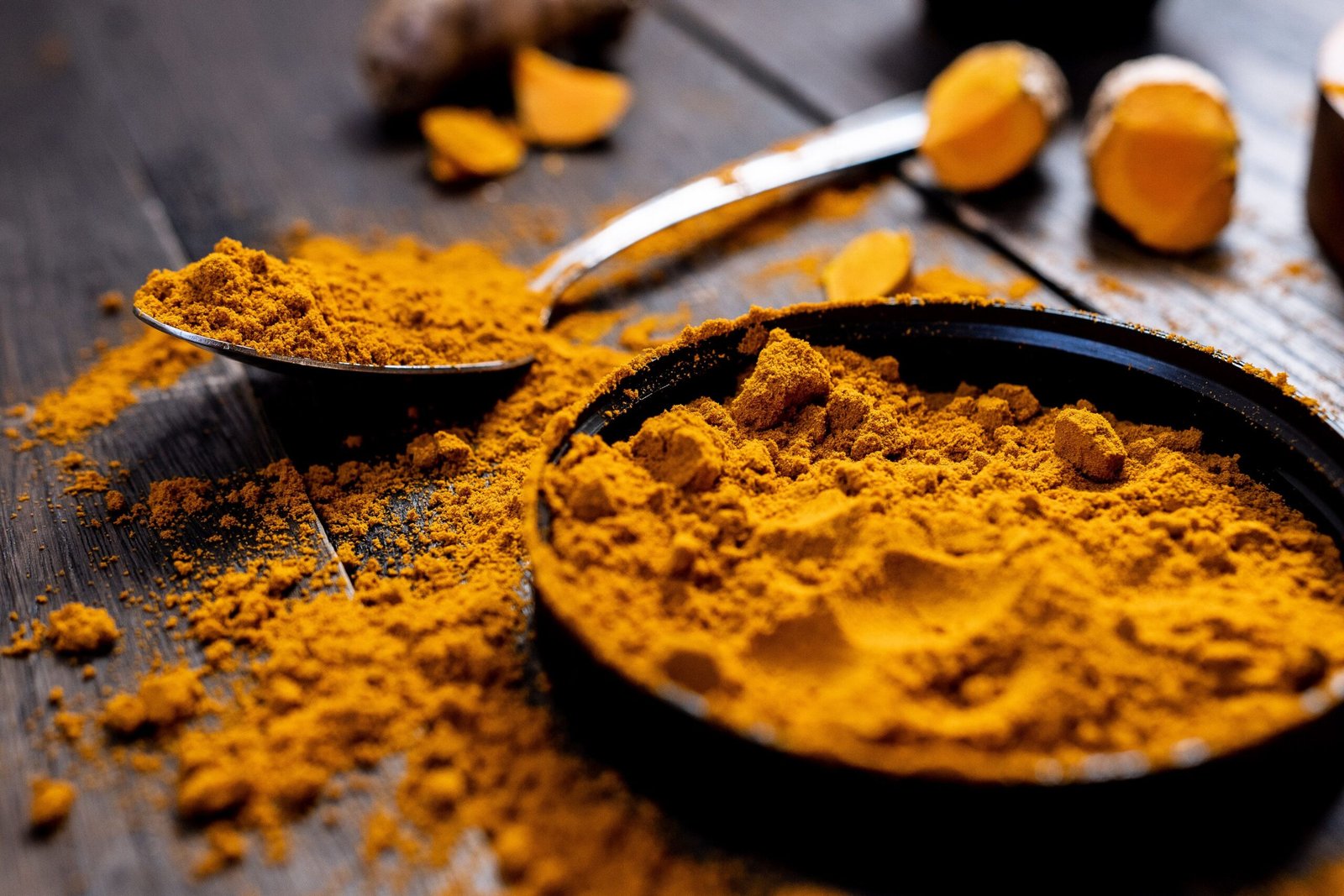
Turmeric comes from the root of a plant related to ginger, and it is dried and ground into the bright yellow powder used in curries, soups, rice dishes and drinks. Its colour comes mainly from natural compounds called curcuminoids, and curcumin is the best known of these compounds. Much of the modern interest in turmeric centres on curcumin, because laboratory and traditional accounts suggest that it may support the body in relation to inflammation, although research in people is still developing and results are mixed.
Turmeric as a whole spice also contains other natural plant compounds and aromatic oils, and many traditional uses rely on the whole root or powder rather than on a single isolated compound. This distinction matters, because eating turmeric in food is different from taking a concentrated supplement, and the two should not be treated as the same thing. In food, turmeric is usually used in modest amounts and combined with other ingredients, which is the form most people know best. Supplements may contain much higher amounts of curcumin and may interact with medicines, so they need separate care and professional advice. For this article, the focus is on ordinary culinary and home uses of turmeric. Readers who want a broader, reliable overview can find general information at NCCIH and general health guidance at NHS.
Turmeric Benefits for Joint Pain Through Turmeric Milk
Turmeric Benefits for Joint Pain are often explored through turmeric milk, a warm and comforting drink that has been part of home routines for generations. Turmeric milk is usually made by warming milk, or a plant based milk, and stirring in a small amount of turmeric powder until it is smooth and golden. Some people add a pinch of black pepper, a little cinnamon, a small piece of fresh ginger, or a spoonful of honey for taste, although honey should be used in moderation and avoided for very young children.
The warmth of the drink, the gentle flavour and the quiet moment it creates can be soothing in the evening, when joints often feel stiff after a long day. Many people find that a regular evening drink helps them slow down, relax and prepare for rest, and good rest itself may support joint comfort the next day. Turmeric milk is not a medicine, and it should not be expected to remove pain in a single night, but as a regular, gentle habit it may support a feeling of ease. People who are sensitive to dairy can try a plant based milk, and those who dislike the taste can start with a very small amount of turmeric and increase it slowly. For readers who enjoy warm drinks for muscle comfort, a related home option is described in the article on Ginger Tea Benefits for Muscle Pain and Inflammation.
Making and Using Turmeric Paste at Home
Turmeric paste is another traditional preparation, and it offers a simple way to keep turmeric ready for drinks, cooking and other home uses. A basic paste can be made by gently warming turmeric powder with a little water in a small pan, stirring until it forms a thick, smooth paste, then allowing it to cool before storing it in a clean jar in the refrigerator. Some people stir in a little oil and a pinch of black pepper while the paste is still warm, because these additions are traditionally used with turmeric in food.
Turmeric Benefits for Joint Pain With Black Pepper and Healthy Fats
Turmeric Benefits for Joint Pain are often linked to the way turmeric is combined with black pepper and healthy fats, because these companions are traditionally paired with turmeric in cooking. Black pepper contains a natural compound that is widely discussed in relation to turmeric, and many home recipes add only a small pinch, enough to season the dish without making it hot or harsh. Healthy fats, such as olive oil, coconut oil, ghee or the natural fat in milk, are also common partners, because curcumin is fat soluble in general terms, which means it dissolves more readily in fat than in water alone.
Adding Turmeric to Everyday Food
Adding turmeric to everyday food is one of the easiest and most sustainable ways to use it, because it does not require a special routine or extra time. A small amount can be stirred into soups, lentils, beans, rice, roasted vegetables, scrambled eggs, marinades, salad dressings and smoothies, where its warm colour and mild earthy flavour blend naturally with other ingredients. In many kitchens, turmeric is added early in cooking with a little oil, onion, garlic and ginger, which creates a gentle base for the dish and helps the spice soften into the food.
Turmeric Tea as a Warm Daily Ritual
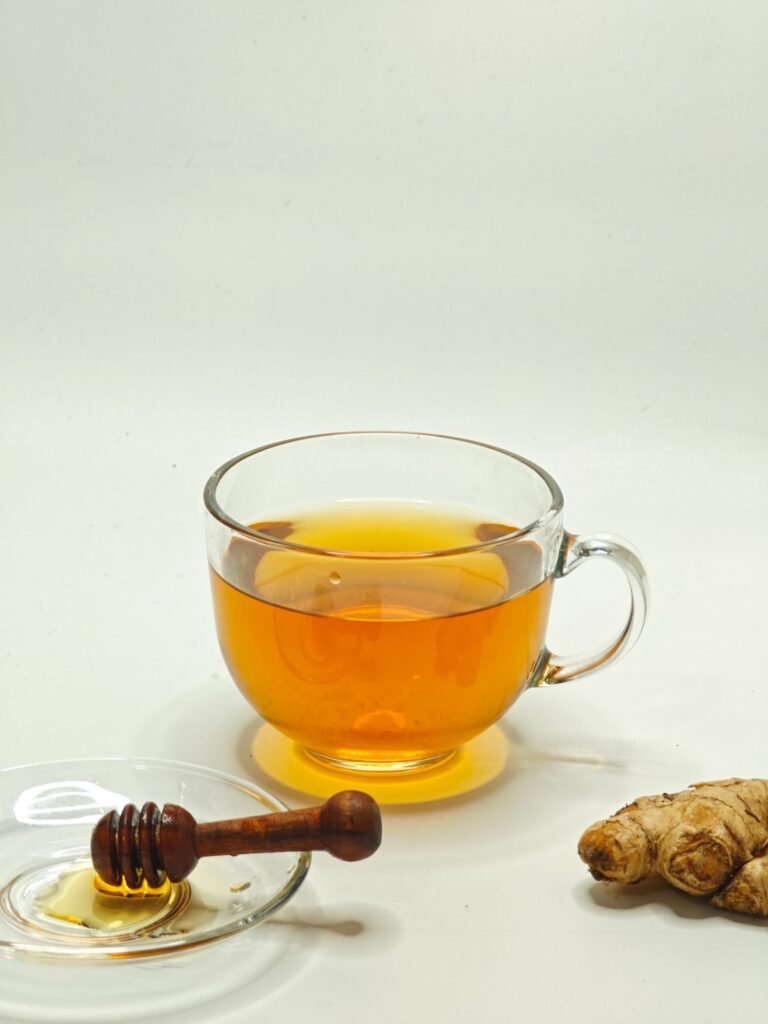
Turmeric tea offers a light and warming alternative for people who prefer a simple drink without milk. It can be made by simmering a small amount of turmeric powder or a few thin slices of fresh turmeric root in hot water, then straining the liquid and allowing it to cool enough to drink. Some people add lemon, ginger, cinnamon or a little honey for flavour, while others prefer it plain and mild. The tea can be enjoyed in the morning as a gentle start to the day, or in the afternoon as a calm pause, and its warmth may feel comforting for stiff hands and joints, especially in colder weather.
Topical Use of Turmeric for Joints
Topical use of turmeric means applying it to the skin over a joint, rather than eating or drinking it, and this is another traditional home practice. A simple preparation may involve mixing a small amount of turmeric powder with a little warm water, oil or aloe gel to form a smooth paste, then spreading a thin layer over the area, leaving it for a short time, and washing it off with warm water and mild soap. Some people find the warmth and gentle massage involved in applying the paste soothing, and the ritual can encourage attention to a stiff knee, wrist or shoulder.
Building a Simple Daily Routine Around Turmeric
Building a simple daily routine around turmeric helps turn a good intention into a steady habit, and steadiness matters more than intensity. A routine might begin with a small amount of turmeric in breakfast, such as in scrambled eggs or a smoothie, followed by turmeric in a soup or main meal at lunch or dinner, and a warm turmeric drink in the evening. Some people prefer one turmeric moment a day, such as a single cup of tea or milk, and that is perfectly acceptable if it feels sustainable.
Safety, Side Effects and Sensible Use
Safety is an essential part of any discussion of turmeric, even though it is a familiar food spice. In normal culinary amounts, turmeric is generally considered suitable for many adults, yet larger amounts, concentrated powders and supplements may cause side effects in some people. Possible effects include stomach discomfort, nausea, heartburn or a feeling of fullness, especially when turmeric is taken in large amounts or on an empty stomach. Skin irritation may occur with topical use, and allergic reactions, although uncommon, are possible.
Turmeric may also interact with certain medicines, including blood thinning medicines, medicines for diabetes, medicines for blood pressure and medicines that affect the liver, so professional advice is important before using turmeric regularly in larger amounts or as a supplement. People should buy turmeric from a reputable source, store it properly, and avoid products that make bold cure claims or promise rapid results. Quality matters, and a plain, well stored powder from a trusted supplier is a better choice than an unknown product with unclear labelling. Anyone who notices unusual bruising, bleeding, severe stomach pain, a rash, swelling of the lips or tongue, or difficulty breathing after using turmeric should seek medical help promptly. Sensible use means small amounts, attention to the body, and a willingness to stop if something does not feel right.
People Who Should Be Cautious With Turmeric
Some people should be especially cautious with turmeric, and they should seek professional advice before using it regularly beyond normal food amounts. This includes people who are pregnant or breastfeeding, people who take blood thinning medicine, people with gallbladder problems, liver problems, kidney stones, diabetes, low blood pressure or a bleeding disorder, and people who are due to have surgery. Children should not be given turmeric supplements, and turmeric drinks or pastes for children should only be used with professional guidance and in amounts suitable for their age.
People with an allergy to turmeric, ginger or related plants should avoid it, and anyone who has had a reaction to turmeric in the past should not try it again without advice. Older adults who take several medicines should be particularly careful, because interactions become more likely as the number of medicines increases. This caution does not mean that turmeric in ordinary cooking is automatically unsafe for these groups, but it does mean that a regular, deliberate turmeric routine or a supplement needs a conversation with a doctor or pharmacist first. A healthcare professional can consider the full medical history, current medicines and planned treatment, and can give advice that fits the individual. Readers should also tell their doctor about any supplements or herbal products they use, because that information helps the doctor provide safe and complete care.
Combining Turmeric With Movement, Rest and Diet
Combining turmeric with movement, rest and diet gives it the best chance of being useful, because joint comfort depends on many factors working together. Gentle movement, such as walking, stretching, swimming, cycling at a comfortable pace, or guided exercises recommended by a healthcare professional, may help keep joints flexible and muscles supportive, while too much rest can sometimes make stiffness worse. Movement should be gradual and pain aware, which means starting gently, warming up, avoiding sudden strain, and resting when pain increases sharply.
Rest is also important, because sleep allows the body to recover, and a regular sleep routine, a comfortable mattress and a calm evening may support joint comfort the next day. Diet plays a part as well, with a varied pattern that includes vegetables, fruit, whole grains, beans, nuts, seeds and healthy oils, and with enough water through the day. Limiting very processed foods, excess salt, excess sugar and alcohol may also support general health, although changes should be realistic and enjoyable rather than strict or punishing. Stress can add to tension and discomfort, so calm breathing, gentle stretching, time outdoors and supportive social contact may help. Turmeric fits into this wider pattern as a warming food and drink, not as a standalone answer. For readers who enjoy a warm bath as part of rest and recovery, a related home option is described in the article on Epsom Salt Bath Benefits for Muscle Pain Relief.
Common Mistakes When Using Turmeric for Joint Pain
Common mistakes when using turmeric for joint pain often come from expecting too much too soon, or from using it in a way that does not suit the body. One common mistake is taking a very large amount in the hope of a faster result, which may upset the stomach without bringing extra benefit. Another is using turmeric alone while ignoring movement, sleep, diet and medical care, which limits the chance of real improvement. Some people buy a poor quality powder, store it badly, or use a product that has lost its colour and aroma, and then conclude that turmeric does not work, when the preparation itself was weak.
Others forget to combine turmeric with food, pepper or a little fat, and then find the taste harsh or the effect disappointing. Staining is another practical issue, because turmeric can mark clothes, towels, worktops and skin, so careless handling can cause frustration. Some people also continue with turmeric even when it causes heartburn, stomach pain or a rash, rather than pausing and seeking advice. A further mistake is stopping prescribed medicine in favour of turmeric, which can be unsafe and should never be done without medical guidance. The most helpful approach is modest, patient and observant, with turmeric used as one part of a balanced routine, and with professional care sought when pain persists, worsens or interferes with daily life.
A Balanced Closing Perspective on Turmeric Benefits for Joint Pain
Turmeric Benefits for Joint Pain are best understood in a balanced and hopeful way, as part of a gentle, food based approach to everyday comfort. Turmeric is a familiar spice with a long history in cooking and home care, and it may support a feeling of ease, warmth and movement for some people when used regularly in small amounts. Turmeric milk, turmeric tea, turmeric paste and turmeric in everyday food all offer simple ways to include it, and combining it with black pepper, healthy fats, gentle movement, rest and a varied diet may help it fit naturally into daily life.
This content is educational information only and is not medical advice. It is intended for general information and should not be used to diagnose, treat or manage any health condition. Readers should consult a qualified healthcare professional before using turmeric regularly in larger amounts or as a supplement, especially if pregnant, breastfeeding, taking medication, living with a medical condition, or planning surgery. If joint pain is severe, persistent, worsening, or accompanied by swelling, redness, heat, loss of movement or other concerning symptoms, seek medical advice promptly. A healthcare professional can provide personalised guidance based on individual health needs.


3 Comments