Epsom Salt Bath Benefits for Muscle Pain Relief
Muscle pain after a long day, a hard workout, gardening, or sitting in one position for too long is familiar to many adults. The ache may feel dull and heavy, muscles may feel tight and stiff, and simple movements may feel less comfortable than usual. A warm bath with Epsom salt is a widely used home remedy, and Epsom Salt Bath Benefits are often described in terms of relaxation, comfort, and a sense of recovery after physical effort.
This article looks at Epsom Salt Bath Benefits for muscle pain relief in general terms. It explains what Epsom salt is, how to prepare a bath, how a simple routine may support relaxation, and how a soak may be combined with gentle stretching, rest, and sleep. It also covers foot soaks, safety, skin care, common mistakes, and situations needing extra caution. A warm bath may help muscles feel more relaxed, but it does not replace medical care or treatment for an injury. Pain that is severe, sudden, or persistent, or linked to swelling, numbness, weakness, fever, or injury, needs professional attention.
Epsom Salt Bath Benefits After Physical Activity
After activity, muscles may feel tired, tender, or tight. This is normal when the body has worked harder than usual, after exercise, lifting, long walks, running, or manual work. Rest, fluids, balanced food, and gentle movement all help recovery, and a warm bath may add comfort at the end of the day.
Epsom Salt Bath Benefits after activity are often linked to warmth and relaxation. Warm water may help the body feel calmer and may support a sense of loosening in tight muscles. Many people find that stepping into warm water helps them breathe more slowly and let tension ease. The bath creates a quiet pause away from screens and chores, and that pause may be as valuable as the soak itself. Some people use it as a ritual after exercise, showering first, soaking briefly, then resting. Soreness after new or intense activity usually settles with rest over a few days. A bath may make that period more comfortable, but it should not be used to push through pain or ignore a strain.
Understanding Epsom Salt and Its Mineral Content
Epsom salt is not the same as ordinary table salt, although it looks similar. Its chemical name is magnesium sulfate, a mineral compound that dissolves in water. It has been used in baths and foot soaks for many years and is widely available in pharmacies and supermarkets in the United States and the United Kingdom.
When added to warm water, Epsom salt dissolves and creates a mineral-rich soak. People often describe the water as soft and soothing. The salt has no strong scent, which suits people who prefer a plain bath. Unscented Epsom salt is a good starting point, especially for sensitive skin. Some bath salts contain colours or strong fragrances, so plain Epsom salt is usually the clearest choice, as it avoids additives that may irritate the skin. Always check the label and follow the packet instructions.
Magnesium is a mineral the body needs for normal muscle and nerve function, found in leafy greens, nuts, seeds, whole grains, and beans. A balanced diet is the main source for most people. A bath is not a substitute for food or medical treatment, and claims about large amounts of magnesium being absorbed through the skin should be treated with caution. For many people, the value lies in warm water, rest, and a relaxing routine together.
Preparing an Epsom Salt Bath for Muscle Comfort
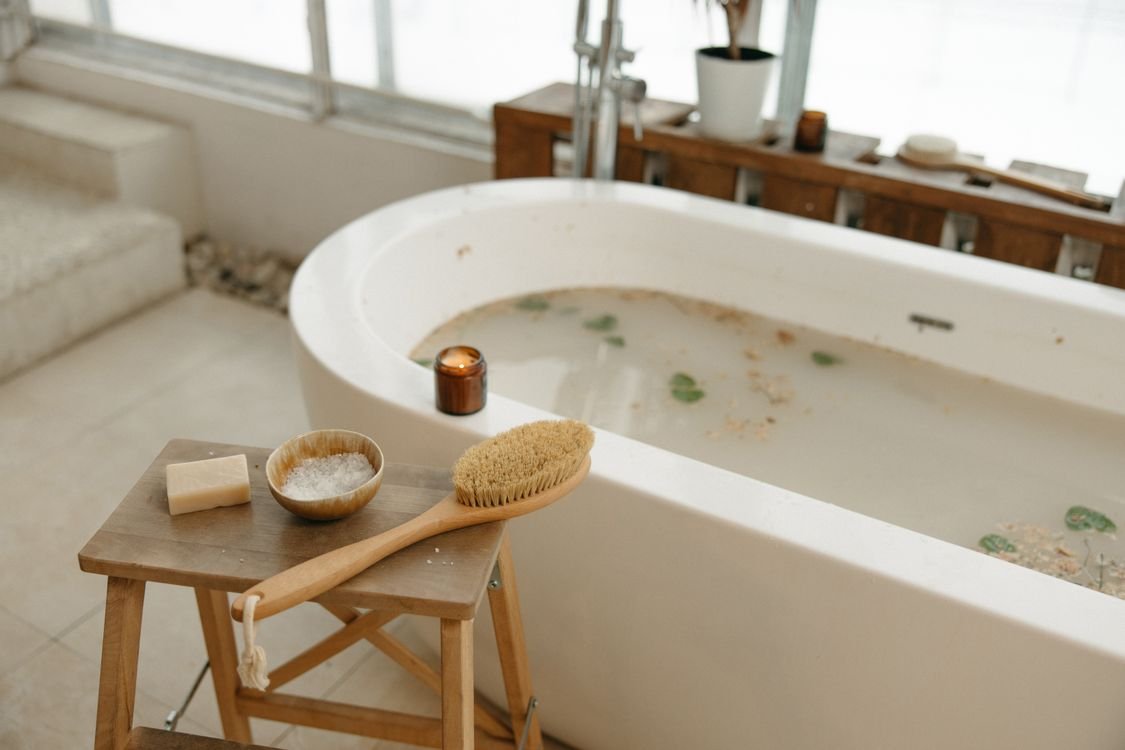
Preparation matters, because a calm bath starts before the water is run. Start with a clean bath, a dry floor outside it, and a towel or bath mat ready for stepping out safely. Gather the Epsom salt, a towel, drinking water, and comfortable clothes in advance. Keeping water nearby is sensible, as warm baths may make some people thirsty or light-headed.
Fill the bath with warm water, not hot water. It should feel comfortable on a hand or forearm and should not cause redness or discomfort. Very hot water may irritate the skin, increase tiredness, and be unsafe for some people. Add the salt while the bath is filling so it dissolves evenly. Use a moderate amount for a standard bath, following the packet guidance. More salt does not necessarily help more. Stir gently to help the crystals dissolve before stepping in.
Keep the room warm enough to avoid a chill afterwards, keep the door easy to open if help is needed, and avoid electrical devices near water. People who feel dizzy, unwell, or very tired should not take a long bath alone and should consider a shorter soak or a shower instead.
A Simple Step-by-Step Epsom Salt Bath Routine
A simple routine helps without making the bath complicated. First, take a quick shower if the skin is sweaty or dirty after exercise, so the bath water stays cleaner. Then prepare the bath with warm water and a moderate amount of Epsom salt.
Next, step in carefully, using a handrail or the side of the tub for support. Sit down slowly and let the body adjust to the warmth. The water should cover sore muscles where possible, whether the legs, lower back, shoulders, or whole body. Keep the head and chest above the water, then settle in for a short soak. Many people find fifteen to twenty minutes comfortable, while some prefer ten minutes. There is no need to stay in for a very long time.
Afterwards, stand up slowly, as warm water may cause brief light-headedness. Step out carefully onto a dry towel or mat, pat the skin dry gently, and apply a plain moisturiser if the skin feels dry. Drink water, put on comfortable clothes, and rest briefly. Repeat a few times a week if it helps, but daily long soaks are not needed. If skin feels dry or irritated, shorten the soak, use less salt, or take a break.
Epsom Salt Foot Soak for Tired Feet and Legs
A foot soak is a simpler option when there is no time for a full bath. It may bring comfort for tired feet and legs after standing, walking, or working on the feet all day. Use a basin filled with warm water, not hot water, add a smaller amount of Epsom salt, and stir until it dissolves. Sit comfortably, place the feet in the basin, and rest for about fifteen minutes.
Epsom Salt Bath Benefits for the feet are often described simply. Warm water may help tired feet feel more relaxed and may support relief after long standing. Some people combine a foot soak with reading, music, or resting with the feet raised afterwards. A towel under the basin protects the floor.
Afterwards, dry the feet carefully, especially between the toes, and moisturise the heels and soles if dry. People with diabetes, poor circulation, loss of feeling in the feet, open wounds, or skin infections should be careful with foot soaks and seek advice from a clinician first. Warm water that feels comfortable to the hands may still be too warm for feet with reduced sensation, so test the temperature carefully.
Combining Epsom Salt Bath Benefits With Gentle Stretching
A warm bath may help muscles feel more relaxed, and gentle stretching afterwards may support flexibility and comfort. The two work well together when kept light and slow, without forcing the body into painful positions.
After a bath, muscles may feel warmer and less stiff, making gentle movement easier. Simple stretches such as slow neck rolls, shoulder rolls, gentle side bends, seated hamstring stretches, or calf stretches against a wall may help. Hold each stretch briefly, breathe slowly, and never cause sharp pain. If a stretch hurts, ease off or stop.
Avoid aggressive stretching, bouncing, or deep stretches straight after a bath, especially if muscles are already sore. The aim is comfort, not intensity. People with an injury, joint problems, or a medical condition should follow a healthcare professional or physical therapist about safe stretches. Stretching also helps on days without a bath. A short daily routine of gentle movement and walking may support comfort over time, and standing and stretching each hour may reduce stiffness for people who sit for long periods.
For more ideas, readers may find it useful to read about ginger tea benefits for muscle pain and inflammation and turmeric benefits for joint pain and inflammation. These articles cover other home remedies in general terms.
Combining Epsom Salt Bath Benefits With Rest and Sleep
Rest and sleep are central to muscle recovery, and a warm bath in the evening may support both. Many people find a bath one or two hours before bed helps them feel calmer and more ready for sleep, especially after a demanding day.
Epsom Salt Bath Benefits may be most noticeable as part of a wider evening routine. After the soak, the body may feel relaxed and the mind quieter, making the move to bed smoother. A cool, dark, quiet bedroom, fewer bright screens late in the evening, and a regular bedtime may all support better sleep.
Avoid a very hot bath close to bedtime, as overheating may make sleep harder. A warm soak followed by a short rest in comfortable clothes is gentler. Drinking water afterwards and avoiding heavy meals, caffeine, or alcohol late in the evening may also help. During sleep, the body rests and restores energy, and poor sleep may make soreness feel worse the next day. A bath alone cannot fix poor sleep, but a calm evening routine may make winding down easier. People on night shifts or with irregular schedules can adapt the timing to suit their rest period.
Epsom Salt Bath Benefits for Everyday Muscle Tension
Muscle tension is not only linked to exercise. Long hours at a desk, driving, carrying bags, poor posture, stress, or sleeping awkwardly may leave muscles tight. The neck, shoulders, upper back, and lower back are common areas.
A warm Epsom salt bath may offer a simple way to pause and reset. Warmth may help the shoulders drop, the jaw relax, and breathing slow down. Some people find the bath gives them time to notice where they hold tension and let it go a little. Stress often causes people to tense muscles without realising it.
For everyday tension, a shorter soak may be enough. Ten to fifteen minutes in warm water, with eyes closed and arms resting, may feel calming. A bath pillow or rolled towel behind the neck may add comfort. It also helps to address the causes of tension. A supportive chair, a desk at the right height, regular breaks from sitting, gentle movement, and stress management may reduce tension over time. A bath supports comfort in the short term, but works best alongside these habits.
Safety and Skin Care During an Epsom Salt Bath
Safety and skin care should come first with any bath remedy. Warm water and Epsom salt are generally well tolerated by healthy adults in moderation, but simple precautions help avoid irritation.
Use warm water, not hot water, and keep the soak moderate in length. Very hot water may dry the skin, cause redness, and make some people feel dizzy or unwell. If skin becomes red, itchy, or uncomfortable, get out, rinse with plain water, and pat the skin dry.
After the bath, rinse with plain warm water if the skin feels sticky or dry, and apply a plain, fragrance-free moisturiser while the skin is slightly damp. This may keep skin soft and reduce dryness, especially in cold weather. Avoid harsh soaps, scrubs, or strong fragranced products straight after a soak, as skin may be more sensitive then.
Keep the bath area safe with a non-slip mat if needed, hold a support when stepping in and out, and never leave a child unattended near a bath. People who feel unwell, have a fever, or have just eaten a large meal may prefer to wait. Check the label too. Some Epsom salt products are sold for other purposes and are not suitable for bathing. Only use products clearly labelled for bath use.
For reliable general information, readers may consult the NHS and the Mayo Clinic. These sources provide general health information and may help readers decide when professional care is needed.
People Who Should Be Cautious With Epsom Salt Baths
Most healthy adults may use an Epsom salt bath without difficulty, but some people should be more cautious or seek advice from a clinician first. This includes people with open wounds, cuts, burns, or skin conditions such as eczema, psoriasis, or skin infections, as soaking may irritate the skin or delay healing.
People with diabetes should be careful with warm baths and foot soaks, especially with reduced feeling in the feet or poor circulation. They should test water temperature carefully, keep soaks short, check the feet afterwards, and seek advice before starting a regular routine.
People with heart conditions, low or high blood pressure, kidney problems, or other long-term conditions should also seek advice before using Epsom salt baths regularly. Warm water may affect blood pressure and circulation and may not suit everyone. Pregnant people should ask a clinician about warm baths, temperature, and soak length.
Children, older adults, and people who feel unsteady should take extra care. A shorter soak, a shower instead, or a foot soak with support nearby may be safer. Anyone on regular medication, who has recently had surgery, or who has a medical device should check with a clinician if unsure. Seek care promptly if pain is severe, follows an injury, or is linked to swelling, bruising, numbness, tingling, weakness, or loss of movement.
Common Mistakes to Avoid With Epsom Salt Baths
A few common mistakes may reduce the benefit of a soak or cause discomfort. One is using water that is too hot. Very hot water may feel relaxing at first, but it may dry the skin, cause dizziness, and leave the body feeling tired rather than refreshed. Warm water is safer and more comfortable.
Another mistake is staying in too long. A very long soak may dry the skin, increase thirst, and cause light-headedness. Fifteen to twenty minutes is usually enough, and a shorter soak may suit beginners better.
Using too much Epsom salt is another error. More salt does not necessarily mean more benefit, and a very strong solution may irritate the skin. Follow the packet instructions and use a moderate amount for a bath or a smaller amount for a foot soak.
Some people add strong fragrances, bath oils, or several products at once, which may irritate sensitive skin. Keeping the bath simple, with plain Epsom salt and warm water, is often best. Try any new product in a small amount first and stop it if irritation occurs. Finally, relying on baths alone while ignoring persistent pain is a mistake. A bath may support comfort, but it does not treat an injury or medical condition. If pain keeps returning or limits daily life, professional advice is needed.
Making Epsom Salt Bath Benefits Part of a Balanced Recovery Routine
Epsom Salt Bath Benefits are best understood as part of a balanced approach to muscle care, rather than a single solution. A warm soak may help the body relax, may support comfort after activity, and may make an evening routine calmer. Combined with gentle stretching, rest, sleep, hydration, balanced food, and regular movement, it may contribute to a general feeling of recovery.
A balanced routine need not be complicated. It may include a short walk each day, gentle stretching, regular breaks from sitting, a warm bath or foot soak a few times a week, and a consistent sleep schedule. Attention to posture, footwear, and work habits also helps, especially for people who stand or sit for long periods. Notice what works for you. Some people feel best after an evening bath, others prefer a foot soak after work, and others find gentle movement matters most.
Muscle pain has many causes, and home remedies have limits. A bath may ease everyday soreness and tension, but it cannot diagnose a problem or replace care for an injury or long-term condition. Using home remedies with care, and seeking professional advice when needed, is the safest approach.
Disclaimer: This article is for educational information only and is not medical advice. It does not diagnose, treat, cure, or prevent any condition. Always consult a qualified healthcare professional before starting a new home remedy, especially if you have a medical condition, take medication, are pregnant, or have open wounds, skin conditions, diabetes, or heart or kidney issues. Seek prompt medical care for severe, sudden, or persistent pain, or for pain linked to swelling, numbness, weakness, fever, or injury.
In closing, Epsom Salt Bath Benefits for muscle pain relief lie in the simple combination of warm water, rest, and a calm routine. A well-prepared soak, used with care and in moderation, may help tired muscles feel more relaxed, may support recovery after activity, and may make the end of the day feel more peaceful. Used thoughtfully, alongside good sleep, gentle movement, and professional care when needed, an Epsom salt bath may become a small and pleasant habit that supports everyday comfort.