Natural Remedies for Headache and Migraine Relief
A headache can quietly take over an ordinary day. It may start as a dull pressure behind the eyes, a tight band around the head, or a throbbing ache that makes light and sound feel too strong. For many people, headaches come and go, while for others migraine episodes bring a deeper level of discomfort that calls for rest, darkness, and patience. Natural Remedies for Headache relief focus on gentle, everyday care rather than quick fixes. They support the body with hydration, rest, calm, warmth, coolness, and simple habits that may help ease tension and support comfort over time. This guide brings those ideas together in practical terms. It does not promise a cure, and it does not replace medical advice.
Common Headache Triggers in Everyday Life
Headaches often have more than one cause, and triggers can be different from one person to another. Stress is one of the most common contributors, because tension can build in the neck, jaw, shoulders, and scalp without a person noticing it. Long hours at a desk, poor posture, and clenching the jaw can add to that tension. Skipping meals, eating irregularly, or going for long stretches without food may also leave some people more prone to head discomfort. Strong smells, bright lights, loud noise, and sudden changes in weather or routine can play a role for sensitive people. Some people notice headaches after a poor night of sleep, after too much caffeine, or after a sudden change in caffeine intake. Others notice a link with dehydration, especially on warm days or after physical activity. Hormonal changes, tired eyes, and long periods of screen use are also commonly mentioned. These triggers are simply signals that the body may need rest, water, food, fresh air, or a change of pace. Noticing personal patterns is a useful part of Natural Remedies for Headache care.
Natural Remedies for Headache Relief Through Hydration
Water is one of the simplest and most overlooked forms of support for head comfort. The body needs fluid throughout the day, and even mild dehydration may contribute to a dull headache for some people. A glass of water at the first sign of discomfort is a calm, sensible first step. Sipping water slowly through the day may help more than drinking a large amount all at once. Some people find that herbal tea, diluted fruit juice, or water with a slice of lemon or cucumber feels more pleasant and encourages them to drink more. Keeping a bottle of water nearby during work, travel, or study may help drinking become a habit. Natural Remedies for Headache care often begin with this basic step because it is safe, simple, and easy to repeat. Hydration alone may not resolve every headache, but it supports the body in a steady way and pairs well with rest and quiet.
Natural Remedies for Headache Relief With Rest and Sleep
Rest is a powerful and often undervalued remedy. When a headache begins, lying down in a quiet, dark room may help the body settle. Closing the eyes for a short while, even without falling asleep, can reduce stimulation from light, sound, and screens. A short nap may help some people, while others prefer simply resting with a cool cloth over the eyes. Sleep itself plays a central role in head comfort. Irregular sleep, late nights, and early mornings can leave the body tired and more sensitive to discomfort. A regular sleep routine, with similar bedtimes and wake times, may support steadier energy and fewer headaches over time. A comfortable pillow, a cool dark bedroom, and a calm wind-down routine may all help. Natural Remedies for Headache relief include this kind of everyday sleep care, because the body repairs and resets during rest.
Cold and Warm Compresses as Natural Remedies for Headache
A compress is a simple home measure that many people find comforting during a headache. A cold compress, made with a cloth wrapped around ice or a bag of frozen peas, can feel soothing when placed on the forehead, temples, or back of the neck. The cool sensation may help ease a throbbing feeling and encourage relaxation. A warm compress, made with a warm damp towel or a heated pad, may help when tension sits in the neck and shoulders. A compress should never be too hot or too cold, and a thin cloth between the compress and the skin helps protect the skin. This approach is one of the most accessible Natural Remedies for Headache care, because it needs no special equipment. It works best alongside quiet, water, and rest.
Peppermint and Lavender as Natural Remedies for Headache
Scent and gentle plant-based care have long been part of home comfort for headaches. Peppermint oil is known for its cool, fresh scent, and many people find that diluted peppermint oil rubbed gently on the temples or forehead feels refreshing. It should always be diluted in a carrier oil, such as coconut oil or olive oil, and it should never be used undiluted on the skin or near the eyes. A small amount is enough, and the cool tingle may help distract from tension and encourage relaxation. Lavender is known for its soft, calming scent, and it is often used to support rest and relaxation. A few drops in a diffuser or diluted on the wrists may help create a calm atmosphere. People with allergies, asthma, or sensitivity to strong smells should use these oils with care and stop if they feel worse. Used gently, peppermint and lavender offer a pleasant sensory layer to Natural Remedies for Headache care.
Ginger as a Natural Remedy for Headache Support
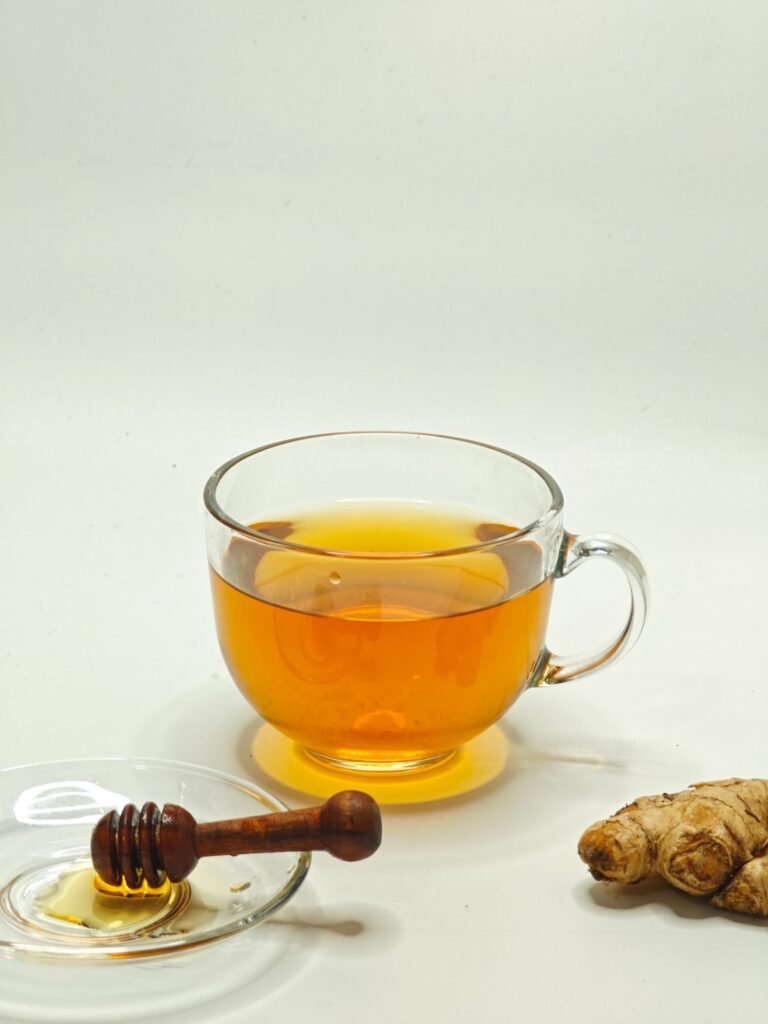
Ginger has a long history in home kitchens and traditional care, and it is often used to support comfort during headaches and migraine episodes, especially when nausea is present. Fresh ginger can be sliced and steeped in hot water to make a warming tea, with honey or lemon added for taste. Ginger powder can also be used in tea or in warm food. Some people chew a small piece of fresh ginger or sip ginger tea slowly when discomfort begins. Ginger may offer a warming, settling feeling that some people find helpful during a headache. People who take blood-thinning medication or who have a medical condition should check with a healthcare professional before using ginger in large amounts. As part of Natural Remedies for Headache care, ginger is valued not as a cure but as a simple option that may support comfort and calm.
Natural Remedies for Headache Relief From Magnesium-Rich Foods
Magnesium is a mineral found in many everyday foods, and it plays a role in muscle function, nerve function, and relaxation. Some people with frequent headaches may have lower magnesium intake, although this is only one possible factor among many. Eating magnesium-rich foods as part of a balanced diet may support general wellbeing and may help some people feel steadier over time. Good food sources include leafy green vegetables, nuts, seeds, whole grains, beans, lentils, bananas, and dark chocolate in modest amounts. A regular eating pattern may also help avoid the dips in energy that sometimes precede a headache. Magnesium supplements should only be taken after advice from a healthcare professional. Including magnesium-rich foods in daily meals is a practical part of Natural Remedies for Headache care.
Relaxation and Breathing as Natural Remedies for Headache
Tension and stress can tighten the muscles around the head, neck, and shoulders, and relaxation may help soften that tension. Slow, deep breathing is one of the simplest relaxation tools. Sitting comfortably, breathing in slowly through the nose, and breathing out slowly through the mouth may help calm the body. Some people count gently while breathing, while others simply focus on the feeling of air moving in and out. Gentle stretching of the neck and shoulders may also help, especially after long hours at a desk, and should be done carefully, without forcing any movement. Meditation, quiet prayer, listening to soft music, or spending a few minutes in fresh air may also support calm. Even a few minutes of quiet breathing may help. Relaxation is a central part of Natural Remedies for Headache care because it addresses the tension that often sits behind everyday headaches.
Screen Breaks and Posture as Natural Remedies for Headache
Modern life involves long hours looking at screens, and this can strain the eyes, neck, and shoulders. Taking regular breaks from screens may help reduce eye strain and head discomfort. A simple habit is to look away from the screen every so often, focusing on something in the distance, blinking gently, and stretching the neck and shoulders. Adjusting screen brightness, reducing glare, and keeping the screen at a comfortable distance and height may also help. Good posture matters as well. Sitting upright with the shoulders relaxed and the screen at eye level may reduce strain on the neck. Gentle movement during the day may help prevent stiffness from building up. These habits are practical Natural Remedies for Headache care for people who work, study, or spend leisure time on screens.
Keeping a Simple Headache Diary
A headache diary is a simple notebook or phone note where a person records when headaches happen, how long they last, and what may have contributed. It does not need to be detailed or time-consuming. A few lines each time are enough. Useful notes include the date and time, the type of discomfort, possible triggers such as poor sleep, missed meals, stress, weather changes, or screen use, and what helped, such as water, rest, a compress, or fresh air. Over time, patterns may become clearer. A person may notice that headaches often follow late nights, long workdays, or skipped meals, or that they improve with rest and hydration. This information can be helpful when speaking with a healthcare professional, because it gives a clear picture of frequency and possible triggers. A diary also helps a person notice what works. If a particular remedy, such as a cold compress or a short rest, often brings relief, that knowledge can guide future care. Keeping a diary is a quiet, thoughtful part of Natural Remedies for Headache care. It turns scattered experiences into useful information, supports better choices, and encourages a person to listen to their own body with patience rather than frustration. For people who experience migraine episodes, a diary may also help track how often episodes occur and whether home care is helping over time.
Migraine Care at Home With Natural Remedies for Headache
Migraine episodes can be more intense than an ordinary headache, often bringing throbbing pain, sensitivity to light and sound, nausea, and a need for rest in a dark, quiet room. Home care during a migraine focuses on comfort, calm, and early response. At the first sign of an episode, resting in a dark, quiet room may help. A cold compress on the forehead or neck, sips of water, and ginger tea may offer gentle support. Some people find that a small amount of caffeine early in an episode feels helpful, while others find that caffeine makes things worse, so personal experience matters. Avoiding strong smells, bright lights, and loud noise during an episode is usually wise. Eating a small, light snack may help if hunger is a factor, although nausea may make eating difficult. Gentle breathing and relaxation may help the body settle, even if pain remains. It is important to follow any plan already given by a healthcare professional, including prescribed medication if it has been provided. Natural care does not replace medical treatment for migraine, and frequent or severe migraine episodes should be discussed with a doctor. People who experience migraine with aura, vision changes, weakness, or confusion should seek medical advice promptly. Home measures within Natural Remedies for Headache care can support comfort during an episode, although they are best used as part of a wider plan that includes medical guidance, trigger awareness, and rest.
Common Mistakes With Natural Remedies for Headache
Even with good intentions, some habits can make headaches harder to manage. One common mistake is waiting too long to respond. Ignoring early signs and continuing to work through discomfort may allow a headache to grow stronger. Responding early with water, rest, and quiet may help more than waiting. Another mistake is overusing pain relief medication, which can sometimes lead to more frequent headaches if used too often. Medication should be used as directed, and frequent use should be discussed with a healthcare professional. Skipping meals, relying heavily on caffeine, or using caffeine late in the day may also contribute to discomfort for some people. Using essential oils undiluted, or using too much at once, can irritate the skin or worsen sensitivity. Another mistake is trying many remedies at once and not knowing which one helped. Introducing one gentle measure at a time makes it easier to notice what works. Finally, some people ignore warning signs that need medical care. A sudden severe headache, a headache after a head injury, or a headache with fever, vision changes, weakness, or confusion needs urgent medical attention. These signs should never be treated at home alone. Avoiding these mistakes helps Natural Remedies for Headache care stay safe, gentle, and realistic. The goal is steady support, not a quick fix, and knowing when to seek help is part of good care.
Closing Thoughts on Natural Remedies for Headache
Headaches and migraine episodes can be tiring, frustrating, and disruptive, although gentle home care may help many people feel more supported. Natural Remedies for Headache care bring together simple habits that support the body in everyday life. Hydration, rest, sleep, compresses, ginger, magnesium-rich foods, relaxation, screen breaks, good posture, and a simple diary all work together as a calm, practical approach. No single remedy suits everyone, and what helps one person may feel less helpful for another. That is why listening to the body, noticing patterns, and responding early matter so much. Small changes, repeated with patience, may support fewer headaches and gentler recovery over time. It may also help to share experiences with a healthcare professional, especially when headaches are frequent, severe, or changing in pattern. Home care and medical care can work together, with each supporting the other. For readers who enjoy learning about other gentle home remedies, related articles on this site explore Turmeric Benefits for Joint Pain and Inflammation and Ginger Tea Benefits for Muscle Pain and Inflammation. For general information about headaches and migraine, readers may also find the trusted health information at NHS and Mayo Clinic helpful. Natural Remedies for Headache relief are not about perfection or instant results. They are about steady, kind care, a quieter environment, and habits that support comfort day after day.
Seek urgent medical care for a sudden severe headache, a headache after a head injury, or a headache with fever, vision changes, weakness, or confusion. These symptoms may need prompt medical assessment and should not be managed at home alone.
Disclaimer: This content is educational information only and is not medical advice. It does not diagnose, treat, or cure any condition. Readers should consult a qualified healthcare professional before trying a new remedy, especially if they are pregnant, have a medical condition, take medication, or experience frequent, severe, or changing headaches. Always seek professional guidance for personal health decisions.