
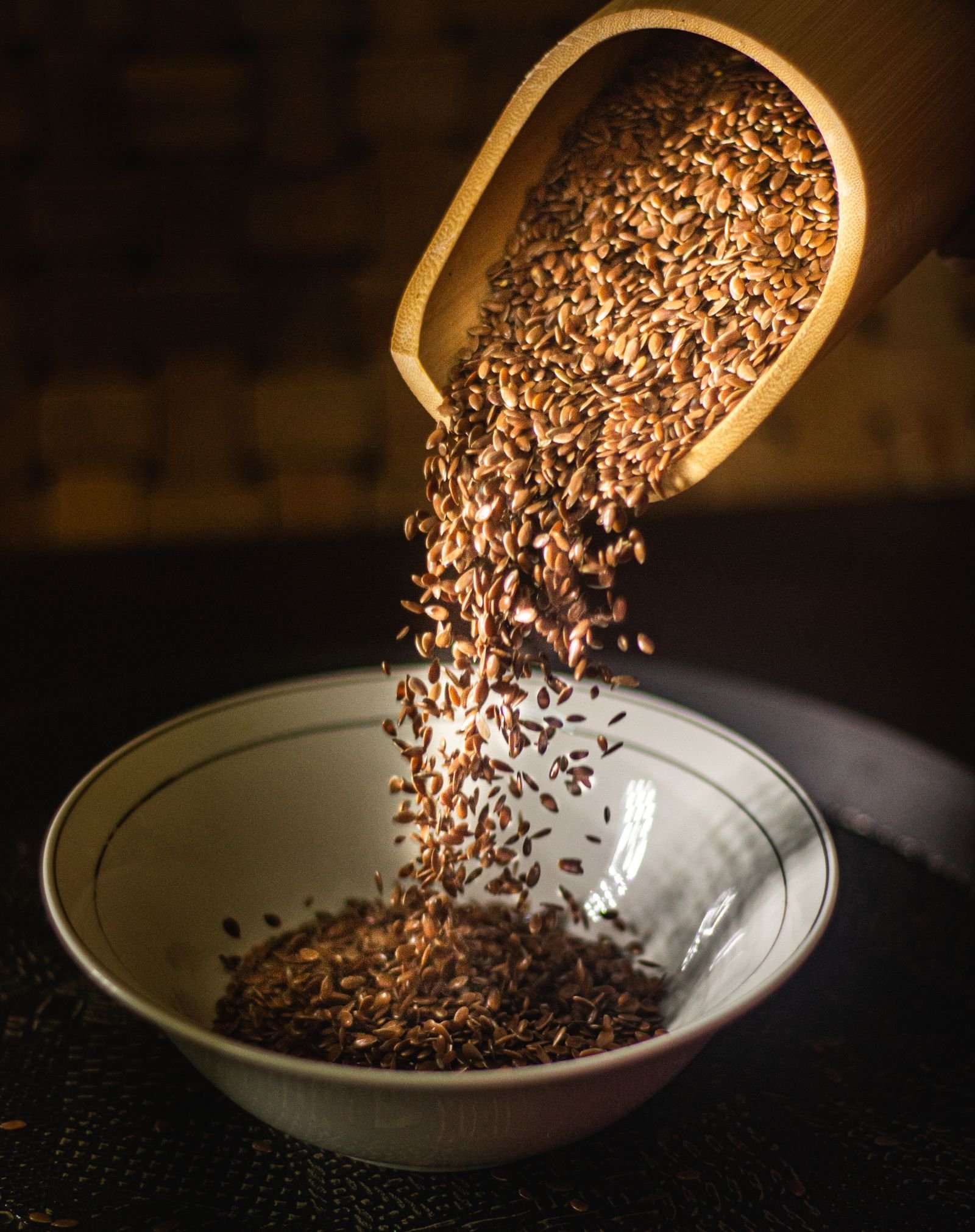
Flaxseed is one of the oldest cultivated plants in the world, grown for thousands of years for its fibre and its oil-rich seeds. Small, brown or golden, and almost tasteless on their own, flaxseeds pack an unusual combination of soluble fibre, plant omega-3 fats, and natural plant compounds called lignans. That combination is the reason nutritionists often mention flaxseed when they talk about feeling full for longer, steady energy, and a healthier digestive system — all of which matter when you are trying to manage your weight.
It is important to be honest about what flaxseed can and cannot do. No single food causes weight loss on its own, and flaxseed is not a fat burner. Weight changes when the balance between the energy you take in and the energy you use shifts over time, and no seed can override that. What flaxseed can do is make a healthy eating pattern easier to follow: its fibre slows digestion and helps you feel satisfied after a meal, its healthy fats add richness without large amounts of calories, and its versatility means it can be stirred into foods you already eat. Used as part of a balanced diet and regular movement, ground flaxseed is a simple, inexpensive addition that supports the habits behind lasting weight control.
This article explores the Flaxseed Benefits for Weight Loss and appetite control, explains how the seed works in the body, shows practical ways to use it every day, and sets out the precautions that matter — especially around dosage, hydration, and who should check with a doctor first.
What Flaxseed Is and Where It Comes From
Flaxseed comes from the flax plant, Linum usitatissimum, a slender annual with delicate blue flowers that has been grown since ancient times in the Middle East and Egypt, and later across Europe, Asia, and North America. The plant gives two useful products: long fibres from the stem, traditionally woven into linen, and small, flat, oval seeds from the seed pods.
Inside each tiny seed is a dense package of nutrients. A tablespoon of ground flaxseed, about 10 grams, provides roughly 2 grams of fibre, around 1.6 grams of alpha-linolenic acid (ALA), a plant form of omega-3 fat, about 1.3 grams of protein, and small amounts of magnesium, phosphorus, and thiamine. It also contains lignans, a group of polyphenols found in particularly high amounts in flaxseed — far more than in most other plant foods.
Flaxseed is sold in three main forms. Whole seeds are the least processed and keep longest, but they can pass through the digestive system largely intact, which means your body may absorb little of their nutrients. Ground flaxseed, also called flaxseed meal, is the most useful form for nutrition because grinding breaks the hard seed coat and releases the oils and fibre. Flaxseed oil contains the omega-3 fats but almost none of the fibre or lignans, so it is a different product with different uses. For weight management, ground flaxseed is generally the best choice because it delivers the full combination of fibre, fats, and lignans.
How Flaxseed May Support Weight Loss
The case for flaxseed in weight management rests on three well-understood effects: satiety, blood sugar steadiness, and digestive health. None of these is dramatic on its own, but together they make it easier to eat a little less without feeling deprived.
The first and most important effect is satiety. Flaxseed is rich in soluble fibre, the kind that absorbs water and forms a gel in the stomach. That gel slows the emptying of the stomach, so food stays there longer and the feeling of fullness lasts. Studies of high-fibre foods consistently show that people who eat more fibre tend to feel satisfied with fewer calories. A tablespoon or two of ground flaxseed stirred into breakfast can make the difference between feeling hungry again at 10 in the morning and comfortably reaching lunchtime.
The second effect is steadier blood sugar. When fibre slows digestion, it also slows the release of glucose into the bloodstream. Sharp rises and falls in blood sugar are often followed by cravings, especially for sweet or starchy foods. By smoothing those peaks, flaxseed can help reduce the sudden hunger that leads to unplanned snacking. This is one reason flaxseed pairs well with carbohydrate foods like oatmeal or smoothies: the fibre moderates the meal as a whole.
The third effect is digestive. The fibre in flaxseed feeds the beneficial bacteria in the gut and adds bulk to the stool, supporting regular bowel movements. A healthy, regular digestive system is not the same as weight loss, but bloating and constipation can make weight management feel harder and can mask progress on the scales. Many people who add flaxseed to their diet report feeling less bloated within a week or two, provided they also drink enough water.
Research on flaxseed and weight is encouraging but modest. Small clinical studies have found that people who added flaxseed to their diet tended to lose slightly more weight and reduce their waist measurements compared with control groups, particularly when the flaxseed was part of an overall reduced-calorie diet. The effects are small — typically a kilogram or two over several weeks — and the studies are not large enough to call flaxseed a proven weight loss treatment. The US National Center for Complementary and Integrative Health (NCCIH) notes that flaxseed has been studied for several conditions and that evidence for most uses remains limited. More information is available from the NCCIH (https://www.nccih.nih.gov/health/flaxseed). The honest summary is this: flaxseed supports the habits that lead to weight loss, but it is the overall diet, not the seed alone, that produces the result.
Ground Flaxseed Versus Whole Seeds and Oil
Choosing the right form of flaxseed makes a real difference to the benefit you get. Whole flaxseeds look attractive and keep well in the cupboard, but their hard outer coat is designed by nature to resist digestion. If you eat them whole, many seeds pass through unchanged, and the fibre and fats inside them are never released. You still get some benefit from the fibre on the surface, but much less than from ground seeds.
Ground flaxseed is the most practical choice for weight management. Grinding breaks the coat and makes the nutrients available. You can buy it ready ground or grind whole seeds yourself in a coffee grinder or small blender, a few days’ worth at a time. Freshly ground flaxseed is best because the oils in it can turn rancid once exposed to air. If you buy ground flaxseed, keep it in an airtight container in the fridge and use it within a few weeks. A simple test is smell: fresh ground flaxseed smells mild and nutty, while rancid flaxseed smells sharp, paint-like, or bitter.
Flaxseed oil is a different product. It provides ALA omega-3 fats but contains almost no fibre and very few lignans, so it does not offer the satiety benefit that makes flaxseed useful for appetite control. It also cannot be heated, because high temperatures damage the delicate oils. Oil has its place, for example drizzled over salads, but for weight management the ground seed is the better tool.
How to Use Flaxseed for Weight Loss
The simplest rule is to start small and build up. Begin with one teaspoon of ground flaxseed a day for a few days, then increase to one tablespoon, and later to two tablespoons if you wish. A sudden jump to a large amount of fibre can cause bloating and gas, especially if you are not used to a high-fibre diet, so a gradual start avoids discomfort. Most studies use one to two tablespoons a day, and there is no benefit in taking much more than that — extra fibre beyond a reasonable amount adds calories without adding fullness.
Always drink enough water with flaxseed. Soluble fibre needs water to form its gel, and without enough fluid it can have the opposite of the intended effect, causing constipation rather than relieving it. A glass of water with a flaxseed meal, and normal hydration through the day, is part of the routine.
Here are practical ways to add ground flaxseed to meals you already eat. A breakfast smoothie is the easiest starting point: blend a tablespoon of ground flaxseed with fruit, yoghurt or milk, and a handful of spinach or oats. It works well alongside other weight-friendly ingredients, and you can read more about a similar approach in our article on Chia Seeds Benefits for Weight Loss and Appetite Control (https://99naturalhomeremedies.com/chia-seeds-benefits-for-weight-loss-and-appetite-control/).
Stirred into oatmeal or porridge, ground flaxseed adds a nutty flavour and thickens the bowl. Add it after cooking, or in the last minute, so the heat does not damage the oils. A spoonful of flaxseed with cinnamon makes a warming breakfast; cinnamon has its own place in weight management, as covered in Cinnamon Benefits for Weight Loss and Metabolism (https://99naturalhomeremedies.com/cinnamon-benefits-for-weight-loss-and-metabolism/).
Mixed into yoghurt, flaxseed turns a light snack into something that lasts. In baking, ground flaxseed can replace part of the flour in muffins, pancakes, and bread, or replace an egg in vegan baking — one tablespoon of ground flaxseed mixed with three tablespoons of water and left for a few minutes forms a gel that binds ingredients.
A simple flaxseed drink is also popular: stir a tablespoon of ground flaxseed into a large glass of water or lemon water, let it sit for a few minutes until it thickens slightly, and drink it before a meal. Lemon water is itself a popular weight management drink, as discussed in Lemon Water Benefits for Weight Loss and Detox (https://99naturalhomeremedies.com/lemon-water-benefits-for-weight-loss-and-detox/).
Whatever method you choose, consistency matters more than the exact recipe. Flaxseed works through daily fibre intake over weeks, not through a single dramatic dose, so the best method is the one you will actually repeat.
Flaxseed and Digestion
Weight management and digestion are closely linked, and flaxseed supports both. Its fibre is partly soluble and partly insoluble. Soluble fibre feeds gut bacteria, which ferment it into short-chain fatty acids that nourish the lining of the colon. Insoluble fibre adds bulk and helps food move through the digestive system at a healthy pace.
Many people who start flaxseed notice more regular bowel movements within a week. That regularity matters for comfort and for honest feedback from the scales: constipation can add a kilogram or more of retained waste and water, which can hide real progress. Flaxseed is not a laxative, and it should not be used as one, but as part of a fibre-rich diet it supports the normal rhythm of digestion.
For people with sensitive digestion, the gradual approach is especially important. Start with a teaspoon, drink water, and increase slowly. If bloating persists beyond the first week, reduce the amount or try a different time of day. People with irritable bowel syndrome should be cautious, because high-fibre foods can trigger symptoms in some cases, and a doctor or dietitian can advise on the right amount. Flaxseed also pairs well with other digestive remedies, as described in our article on Papaya Benefits for Digestion and Gut Health (https://99naturalhomeremedies.com/papaya-benefits-for-digestion-and-gut-health/).
Choosing, Storing, and Buying Flaxseed
Good flaxseed is simple to choose. Whole seeds should look clean, dry, and uniform in colour, with no musty smell. Ground flaxseed should smell mild and nutty. Buy from a shop with good turnover, because freshness matters more with ground flaxseed than with whole seeds.
Storage is straightforward but important. Whole seeds keep for a year or more in a cool, dry cupboard in an airtight container. Ground flaxseed should be kept in the fridge in a sealed container and used within six to eight weeks — it smells sharp or paint-like when it has gone rancid. Flaxseed oil must always be refrigerated, kept away from light, and used quickly. If you grind your own, grind only a few days’ supply at a time in a coffee grinder, and store the rest of the whole seeds. Ground flaxseed can also be frozen in a sealed bag for months.
Price is one of flaxseed’s advantages. It is far cheaper than most weight loss supplements, and a bag that costs a few dollars can last several weeks at one to two tablespoons a day. There is no need for expensive branded products; plain ground flaxseed from a supermarket or health food shop is the same food.
Precautions and Who Should Be Careful
Flaxseed is a food, not a medicine, and for most healthy adults one to two tablespoons a day is safe. The most common side effects are digestive: bloating, gas, and mild stomach discomfort, usually when the amount is increased too quickly or when water intake is low. Starting slowly and drinking enough water prevents most of this.
Flaxseed contains compounds called cyanogenic glycosides, which can release small amounts of cyanide. At normal food amounts — one to two tablespoons a day — this is not a concern. Very large amounts, far beyond normal use, should be avoided, and flaxseed supplements in concentrated doses are a different matter from the whole food.
People who take blood-thinning medication should talk to their doctor before adding large amounts of flaxseed, because omega-3 fats can have a mild blood-thinning effect. The same applies to people with diabetes who take medication to lower blood sugar, and to people with hormone-sensitive conditions, because lignans have weak oestrogen-like activity, although the evidence at normal food amounts is reassuring.
Pregnant and breastfeeding women should keep to normal food amounts and avoid concentrated flaxseed supplements. Children can eat flaxseed in food, in small amounts appropriate to their age, but supplements are not recommended without medical advice. Anyone with a known allergy to flaxseed should avoid it, and anyone who has difficulty swallowing or a narrowing of the digestive tract should discuss it with a doctor.
The Mayo Clinic notes that ground flaxseed is generally safe for most people in food amounts and that the fibre and omega-3 fats may support heart health, while also advising caution with large doses and with certain medications. More information is available from the Mayo Clinic (https://www.mayoclinic.org/healthy-lifestyle/nutrition-and-healthy-eating/expert-answers/flaxseed/faq-20058354).
Flaxseed and Green Tea: A Simple Daily Combination
One practical way to use flaxseed is to pair it with green tea, another well-known weight management drink. A cup of green tea with a flaxseed breakfast — for example, oatmeal with a tablespoon of ground flaxseed — combines the satiety of fibre with the gentle lift of tea. You can read more in Green Tea Benefits for Metabolism and Weight Loss (https://99naturalhomeremedies.com/green-tea-benefits-for-metabolism-and-weight-loss/). This kind of pairing is a good reminder that weight management works best as a pattern, not a single ingredient.
Frequently Asked Questions
How much flaxseed should I eat a day for weight loss?
One to two tablespoons of ground flaxseed a day is the amount most often used in studies and the amount most dietitians suggest. Start with one teaspoon and build up over a week. More than two or three tablespoons a day adds little benefit and can cause bloating.
Is ground flaxseed better than whole flaxseed?
Yes, for nutrition. Whole seeds often pass through the body undigested, so you absorb little of their omega-3 fats and lignans. Ground flaxseed releases the nutrients, which is why it is the recommended form for weight management.
Can I eat flaxseed every day?
Yes, daily use in food amounts is fine for most healthy adults. Consistency is part of the benefit, because the fibre works through regular intake rather than occasional large doses.
Does flaxseed burn belly fat?
No food burns belly fat directly. Flaxseed can help you feel full and eat less overall, and a sustained calorie deficit over time reduces body fat, including belly fat. Claims that flaxseed targets belly fat specifically are not supported by evidence.
Can flaxseed replace a meal?
No. Flaxseed is a supplement to meals, not a meal replacement. It adds fibre and healthy fats to a meal, but it does not provide enough protein, energy, or variety on its own. Skipping meals to rely on flaxseed is not a healthy weight loss strategy.
A Simple Seven-Day Plan to Start With
Start gently: days one and two, one teaspoon of ground flaxseed in breakfast with a glass of water. Days three and four, one tablespoon in breakfast. Days five to seven, one tablespoon at breakfast and one teaspoon in an afternoon snack such as yoghurt, if you feel comfortable. Keep a short note each day about hunger, energy, and digestion. If anything feels uncomfortable, stay at the previous amount for a few more days before increasing. After the first week, one to two tablespoons a day in whichever meals you enjoy is a sustainable long-term habit.
Final Thoughts
Flaxseed is a modest food with a genuine, if modest, role in weight management. Its fibre helps you feel full, its omega-3 fats and lignans add nutritional value, and its versatility makes it easy to use every day. It is cheap, widely available, and backed by a long history of use and a growing body of small studies. It is not a cure, not a fat burner, and not a substitute for a balanced diet and regular movement — and anyone who promises otherwise is overselling it.
Used honestly, as part of a healthy pattern, ground flaxseed is one of the simplest additions you can make to support appetite control and steady progress toward a healthier weight. Start small, drink water, choose ground over whole, and give it a few weeks.
Disclaimer: This article is for educational purposes only and is not medical advice. The information provided here is general in nature and is not intended to diagnose, treat, cure, or prevent any disease. Always consult a qualified healthcare professional before making changes to your diet, especially if you are pregnant, breastfeeding, taking medication, or managing a health condition.