Hair that grows slowly, sheds more than it used to, or starts turning grey earlier than expected can be frustrating, and many people look for gentle, plant-based ways to support it. Hibiscus is one of the most popular traditional hair remedies for exactly these concerns. Its large, bright flowers have been used for centuries in Ayurvedic and traditional hair care, usually as an oil, a paste, or a rinse, and they remain a staple of natural hair care across South Asia and the Middle East. This article explores the Hibiscus Benefits for Hair Growth and premature greying, explains what the plant can and cannot do, and gives practical, safe ways to use it at home. The evidence is still limited, and hibiscus is a supportive home remedy, not a cure — but used consistently, it can be a useful part of a healthy hair routine.
What Hibiscus Is and Why It Is Used for Hair
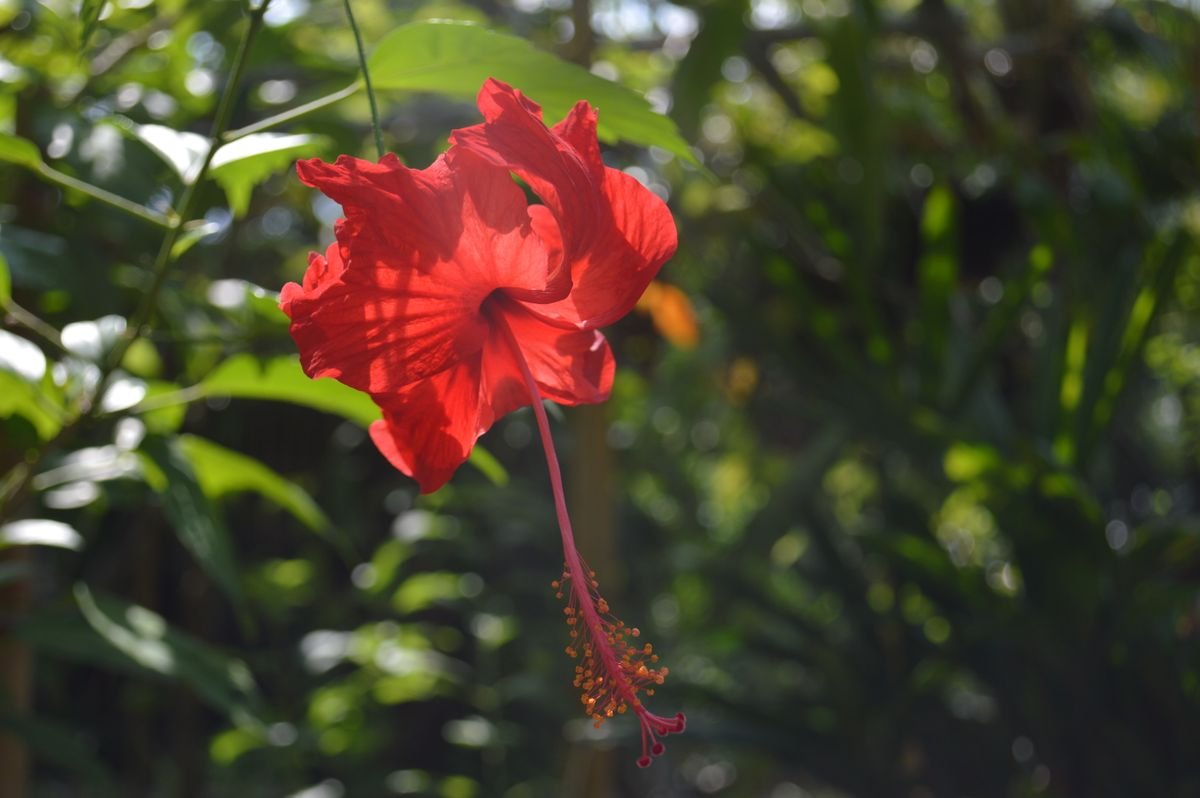
Hibiscus is a genus of flowering plants in the mallow family, and the species most often used for hair care is Hibiscus rosa-sinensis, the tropical hibiscus with large red, pink, or white flowers. In South Asia it is known as gudhal or jaswand, and in Ayurvedic tradition as japa pushpa.
In Ayurvedic practice, hibiscus flowers were soaked or boiled in coconut oil to make a hair oil, ground with water into a paste for a hair mask, or steeped as a rinse for the scalp. The plant was considered cooling and nourishing, and it was used for hair fall, slow growth, dandruff, and early greying.
The modern interest in hibiscus for hair comes from its chemistry. Its flowers and leaves contain mucilage, a gel-like substance that coats and conditions the hair shaft, along with flavonoids, anthocyanins, amino acids, and vitamin C, which give the plant antioxidant properties. The US National Center for Complementary and Integrative Health (NCCIH) notes that hibiscus has been studied mainly for blood pressure and that there is limited evidence for most of its traditional uses. More information is available from the NCCIH (https://www.nccih.nih.gov/health/hibiscus). That caution applies to hair care too: large, well-designed human studies on hair growth are still missing.
Hibiscus Benefits for Hair Growth
The hibiscus benefits for hair growth are the reason most people reach for this flower, so it is worth looking closely at what is actually known. Hair grows from follicles in the scalp, and each follicle cycles through a growth phase, a resting phase, and a shedding phase. Anything that supports a healthy scalp, good blood flow, and strong hair shafts can help hair look fuller and grow better, though the evidence varies in strength.
One often-cited piece of research is an animal study in which hibiscus leaf extract was applied to the skin of rats. The researchers reported faster hair regrowth, comparable in timing to a standard hair-growth treatment used in the study. This is interesting, but it is a single animal study, and results in rats do not automatically transfer to people. No large human trial has confirmed that hibiscus grows hair in people, so any claim stronger than “promising early evidence” would be misleading.
There are also practical reasons hibiscus may support healthier-looking hair. Its mucilage acts as a natural conditioner, smoothing the hair cuticle and reducing breakage, so hair keeps more of its length — which can look like faster growth even when the growth rate has not changed. The flowers also contain amino acids, the building blocks of keratin, the protein hair is made from. Hibiscus oil massages may improve blood circulation in the scalp, helping deliver nutrients to the follicles.
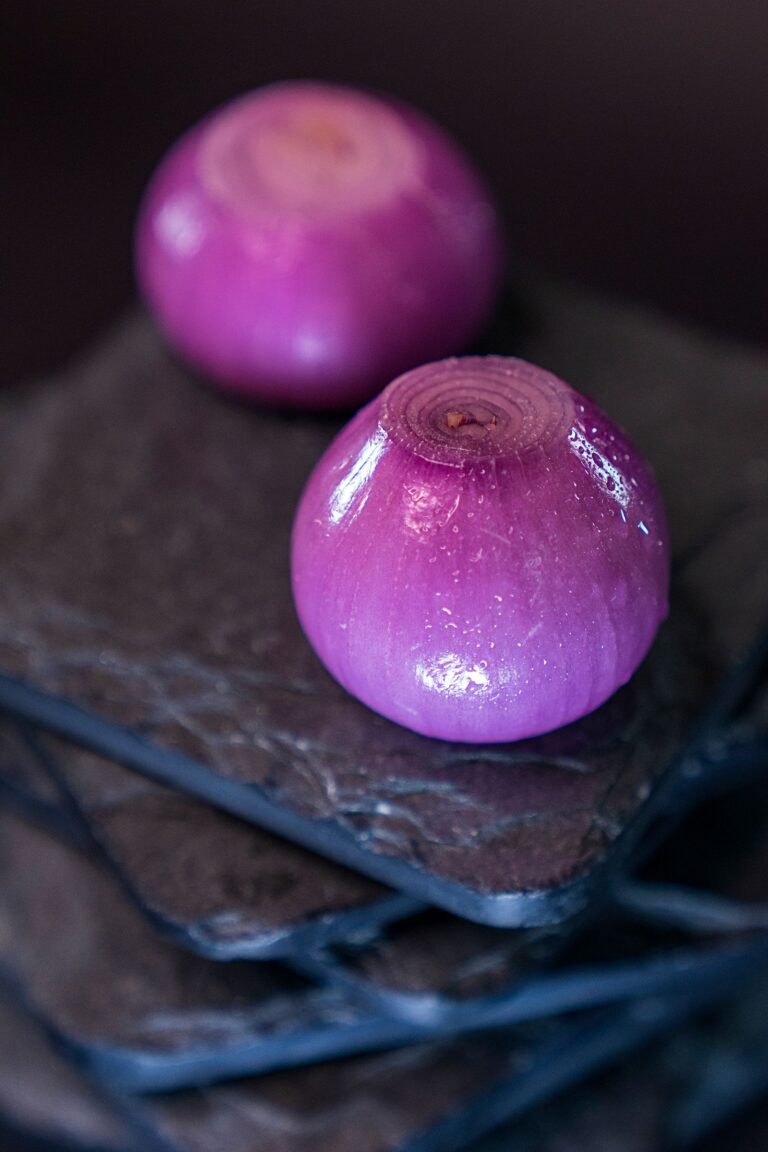
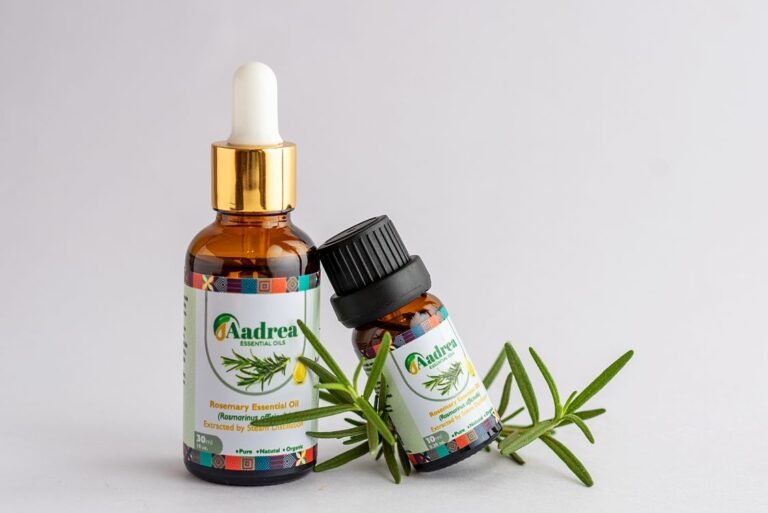
It helps to compare hibiscus with other natural hair remedies on this site. Rosemary oil is another traditional remedy often used for hair growth — see rosemary oil benefits for hair growth and scalp health (https://99naturalhomeremedies.com/rosemary-oil-benefits-for-hair-growth-and-scalp-health/). Onion juice is a stronger-smelling but widely used option, covered in our article on onion juice benefits for hair growth (https://99naturalhomeremedies.com/onion-juice-benefits-for-hair-growth/). Hibiscus sits comfortably alongside these: it is gentler, smells pleasant, and doubles as a conditioner, which makes it a good choice for people with sensitive scalps or dry, damaged hair.
How Hibiscus May Help with Premature Greying
Premature greying — grey hair appearing well before the usual age — has many causes, and hibiscus cannot reverse it. Hair colour comes from melanin, made by cells called melanocytes in the follicle. As we age, melanocytes gradually produce less melanin, and hair turns grey or white. Genetics is the biggest factor: if your parents went grey early, you are more likely to do the same. Stress, smoking, vitamin B12 deficiency, and certain medical conditions can also contribute.
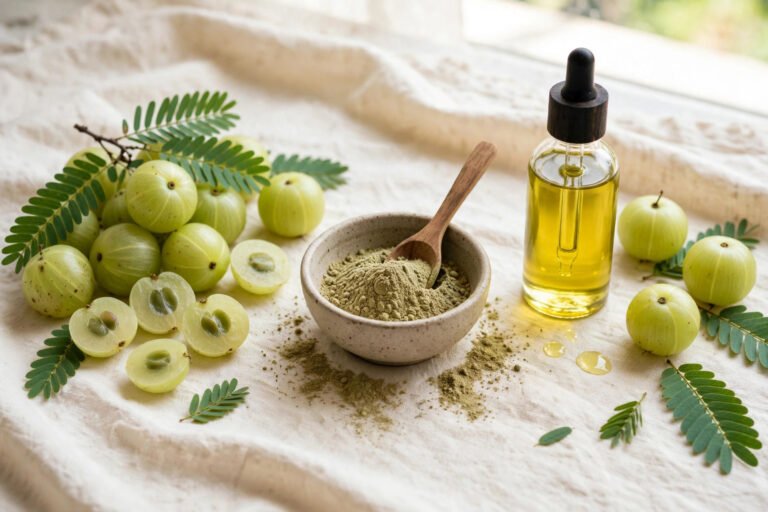
So where does hibiscus fit in? In traditional practice, hibiscus is believed to help maintain natural hair colour, and there are two plausible mechanisms, both modest. First, the antioxidants in hibiscus — particularly the anthocyanins that give red flowers their colour — may help protect melanocytes and follicles from oxidative stress, one of the factors linked to early greying. Second, hibiscus is often used with other darkening ingredients, such as amla or curry leaves, in oils that stain the hair shaft slightly and make existing grey hairs look less noticeable — a cosmetic effect that washes out over time.
There is no reliable evidence that hibiscus can turn grey hair back to its original colour or stop greying permanently. Anyone promising that is overselling the remedy. What hibiscus can reasonably do is support overall hair health, add shine and softness, and — when used as a dark rinse or oil with other ingredients — temporarily deepen the appearance of hair colour. If greying is sudden, patchy, or accompanied by other symptoms, it is worth speaking to a doctor, because it can occasionally signal a vitamin deficiency or a thyroid issue.
Hibiscus Oil: How to Make and Use It
Hibiscus oil is the most popular way to use this flower for hair, and it is easy to make at home. There are two common methods: a warm infusion and a slow sun infusion; the warm method is faster and more reliable.
For the warm infusion, you will need a handful of fresh hibiscus flowers and leaves, or two to three tablespoons of dried hibiscus powder, and about one cup of a carrier oil such as coconut oil or sesame oil. Coconut oil is the traditional choice and penetrates the hair shaft well; sesame oil is lighter and suits people who find coconut oil too heavy. Wash the flowers and leaves, pat them dry, and roughly chop them. Warm the oil in a pan on a low heat — never let it smoke or boil — and add the flowers and leaves. Keep the heat low for ten to fifteen minutes, stirring gently, until the oil takes on a reddish tint and the flowers look wilted. Remove from the heat, let it cool completely, strain through a fine cloth, and store in a clean, dry glass bottle away from direct sunlight. It keeps for two to three weeks at room temperature, or longer in the fridge.
To use the oil, warm a small amount between your palms and massage it into the scalp with your fingertips for five to ten minutes, using small circular movements. Work the remaining oil through the lengths of your hair, focusing on the ends. Leave it on for at least thirty minutes, or overnight if you prefer, covering your hair with a shower cap or an old towel. Wash it out with a mild shampoo; you may need to shampoo twice. Use it two to three times a week for at least eight to twelve weeks before judging the results, because hair grows slowly — about one centimetre a month.
A simpler alternative is to buy ready-made hibiscus oil or dried hibiscus powder from a reputable supplier. If you buy powder, check that the ingredient list says only hibiscus (Hibiscus rosa-sinensis), with no added colour or fragrance.
Hibiscus Hair Mask Recipes for Stronger Hair
A hibiscus hair mask is a thicker treatment that sits on the hair and scalp for twenty to thirty minutes. Three simple recipes cover most needs.
The first is a basic hibiscus and yoghurt mask, good for dry or dull hair. Mix three tablespoons of hibiscus powder with four tablespoons of plain yoghurt into a smooth paste (or grind five or six fresh petals with a little water). Apply to the scalp and through the hair, leave for thirty minutes, then rinse and shampoo. Yoghurt adds lactic acid, which gently cleanses the scalp, and protein that helps hair feel stronger.
The second is a hibiscus and coconut milk mask, suited to very dry or damaged hair. Blend three tablespoons of hibiscus powder with half a cup of coconut milk and one teaspoon of honey. Coconut milk coats and softens the hair, while honey draws in moisture. Apply, cover with a shower cap, leave for thirty minutes, then rinse thoroughly. People with fine hair may prefer the yoghurt version.
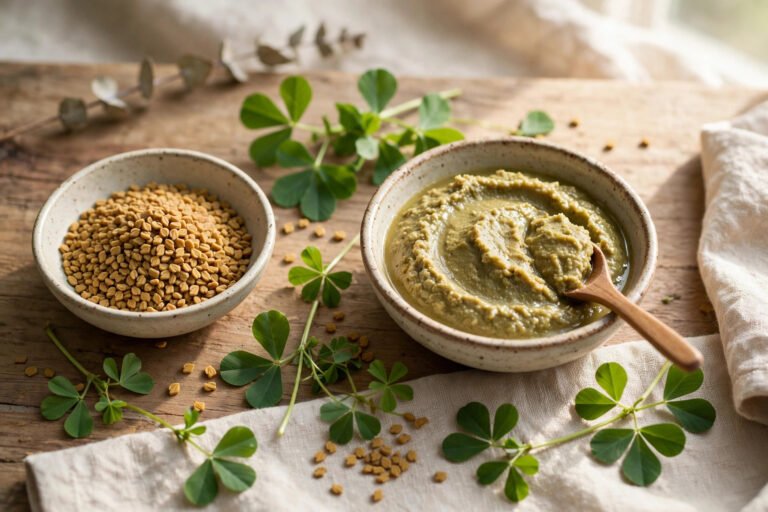
The third is a hibiscus and fenugreek mask, aimed at hair fall and scalp health. Soak two tablespoons of fenugreek seeds overnight, grind them into a paste, and mix with three tablespoons of hibiscus powder and enough water to make a spreadable paste. Apply to the scalp, leave for thirty minutes, and rinse well with lukewarm water — fenugreek paste can be stubborn to wash out.
Whichever mask you choose, do a patch test first and use it once a week. Keep it away from light-coloured clothing and towels, because hibiscus can stain fabric, and note that red hibiscus can leave a faint pinkish tint on very light blonde or white hair; a white variety or shorter application time reduces this.
Hibiscus Rinse and Tea for Shine and Scalp Health
A hibiscus rinse is the lightest way to use the flower, and it is excellent for shine and scalp comfort. Steep a handful of fresh flowers or two tablespoons of dried hibiscus in two cups of hot water for fifteen to twenty minutes, then strain and let it cool. After shampooing, pour the rinse slowly over your hair and scalp, massage it in gently, and leave it for two to three minutes before a final rinse — or leave it in if your hair is dry. Used once or twice a week, it can leave hair noticeably shinier and softer, and its mild acidity helps smooth the hair cuticle.
Hibiscus tea is also drunk as a beverage, and many people ask whether drinking it helps hair. It is rich in vitamin C and antioxidants and is caffeine-free; vitamin C supports collagen production and helps the body absorb iron, both of which matter for hair health. But drinking it is not a direct hair-growth treatment, and it carries cautions: hibiscus can lower blood pressure, it may interact with some medicines, and it is not recommended during pregnancy. Keep it to one cup a day, and check with a doctor first if you take blood pressure or diabetes medicine or any regular prescription. For hair, the external uses above are the more direct route.
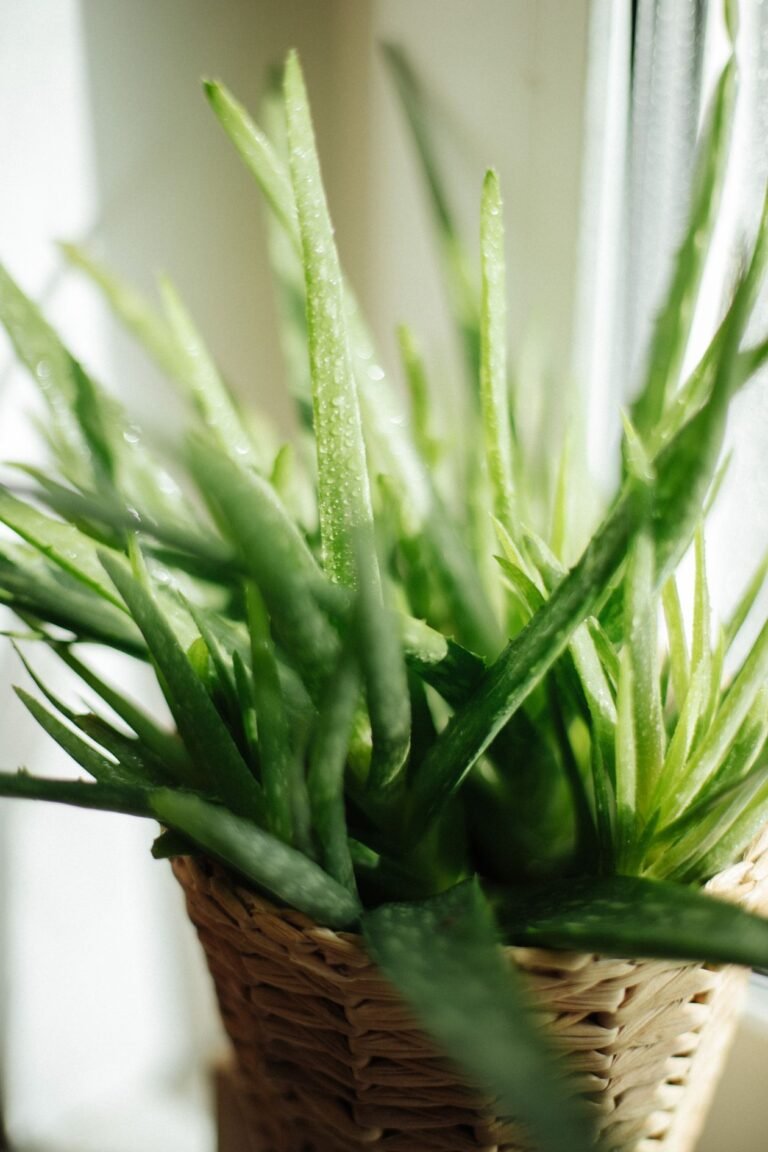
For readers dealing with scalp irritation or dandruff alongside slow growth, a hibiscus rinse pairs well with other gentle remedies. Aloe vera is another soothing option for the scalp — see aloe vera benefits for hair growth and scalp health (https://99naturalhomeremedies.com/aloe-vera-benefits-for-hair-growth-and-scalp-health/) — and castor oil is a thicker option for people focused on thickness, described in our guide to castor oil benefits for hair growth and thickness (https://99naturalhomeremedies.com/castor-oil-benefits-for-hair-growth-and-thickness/).
How Often to Use Hibiscus and What Results to Expect
Consistency matters more than intensity. A realistic routine is: hibiscus oil two to three times a week, a hair mask once a week, and a rinse once or twice a week after shampooing. There is no benefit in using it every day, and overdoing masks can leave residue that weighs hair down.
In the first two to three weeks, the most likely change is softer, shinier hair with less breakage, because the conditioning effect is immediate. Reduced shedding from breakage may follow in the next few weeks. Any change in growth rate or new growth takes at least two to three months to judge, because hair grows slowly. Greying will not reverse, though hair may look darker and glossier from the conditioning and the slight tint of red hibiscus. If you see no improvement after three months of regular use, hibiscus is probably not the right remedy for your hair concern, and it is worth considering other causes — diet, stress, hormonal changes, or a medical condition — with a doctor or dermatologist.
Photograph your hair in the same light once a month and note shedding and breakage rather than relying on memory.
Safety, Side Effects and Who Should Be Careful
Hibiscus is generally considered safe for external use, but a few precautions are worth knowing. Always do a patch test before the first full application: apply a small amount to the inside of your forearm, wait twenty-four hours, and check for redness, itching, or irritation.
Hibiscus can stain: red hibiscus will tint light hair, white towels, pillowcases, and clothing, so use old towels and dark colours when applying masks or oils, and wash your hands after handling the flowers or powder.
Avoid getting hibiscus preparations in the eyes; if it happens, rinse with plenty of clean water. Do not apply hibiscus to broken, infected, or sunburned skin on the scalp, and stop using it if you notice increased itching, redness, or flaking. Pregnant or breastfeeding women should avoid drinking hibiscus tea and check with a doctor before using concentrated hibiscus products. Children can use mild hibiscus rinses, but keep preparations simple.
If hair loss is sudden, severe, or in patches, or comes with scalp pain, scarring, or other symptoms, see a doctor or dermatologist rather than relying on home remedies. Conditions such as alopecia areata, thyroid disorders, and iron deficiency need medical diagnosis, and early treatment matters.
Choosing and Storing Hibiscus Flowers and Powder
Good results start with good material. If you grow hibiscus at home, pick fresh flowers in the morning, use them the same day, and avoid flowers sprayed with pesticides or insecticides. Only use flowers you are sure are Hibiscus rosa-sinensis; ornamental varieties may have been treated with chemicals. Wash flowers gently before use.
If you buy dried hibiscus, choose a food-grade or cosmetic-grade supplier, and check that the ingredient is only hibiscus flowers or leaves, with no added colour, fragrance, or fillers. Dried flowers should be deep red and smell faintly tart and floral; faded, brown, or musty material is old and less effective. Store dried hibiscus in an airtight container away from light and moisture, where it keeps for six to twelve months. Home-made hibiscus oil keeps for two to three weeks at room temperature, so make small, fresh batches.
Frequently Asked Questions
Does hibiscus really grow hair?
There is promising early evidence from a small animal study, but no large human trial has proven that hibiscus grows hair in people. What is well supported is that hibiscus conditions hair, reduces breakage, and supports a healthy scalp, which can make hair look fuller and longer over time. Treat it as a supportive remedy, not a guaranteed cure.
Can hibiscus reverse grey hair?
No. Hibiscus cannot restore melanin production or turn grey hair permanently back to its original colour. It may temporarily deepen the appearance of hair colour through its natural tint, but greying itself is mainly driven by genetics and age.
How long does it take to see results from hibiscus for hair?
Softness and shine can appear within two to three weeks. Reduced breakage usually takes a month or more. Any change in growth or fullness needs at least two to three months of regular use, because hair grows about one centimetre per month.
Can I use hibiscus oil every day?
You can, but there is no added benefit, and daily oiling can leave residue and weigh hair down. Two to three times a week is enough; if your scalp is oily, once or twice a week may suit you better.
Is hibiscus safe for coloured or chemically treated hair?
Hibiscus is generally gentle, but red hibiscus can add a pinkish tint to light or bleached hair and may slightly alter the tone of coloured hair. Do a strand test first, and use white hibiscus or a shorter application time to avoid tinting. Wait at least a week after a chemical treatment before using strong masks or oils.
Which is better for hair growth, hibiscus or rosemary oil?
Both are traditional remedies with early supportive evidence, and they work differently: rosemary oil is often used as a stimulating scalp treatment, while hibiscus also conditions and softens the hair. Many people use both — rosemary oil for the scalp and hibiscus for conditioning. Choose based on your hair type and give either remedy at least two to three months before judging it.
The Bottom Line
Hibiscus is a gentle, pleasant, and genuinely useful traditional hair remedy. Its real strengths are conditioning, shine, reduced breakage, and scalp comfort, with promising but unproven potential for supporting growth and making hair look darker and healthier. Its limits are equally clear: it cannot cure hair loss, reverse greying, or replace medical care. Used two to three times a week as an oil, with a weekly mask or rinse, hibiscus earns its place in a natural hair care routine.
Disclaimer
This article is for educational purposes only and is not medical advice. The information provided here is general in nature and is not a substitute for professional medical advice, diagnosis, or treatment. Always consult a qualified healthcare professional before starting any new remedy, especially if you are pregnant, breastfeeding, taking medication, or have a medical condition. Individual results may vary. If you experience irritation, an allergic reaction, or worsening symptoms, stop use and seek medical advice.