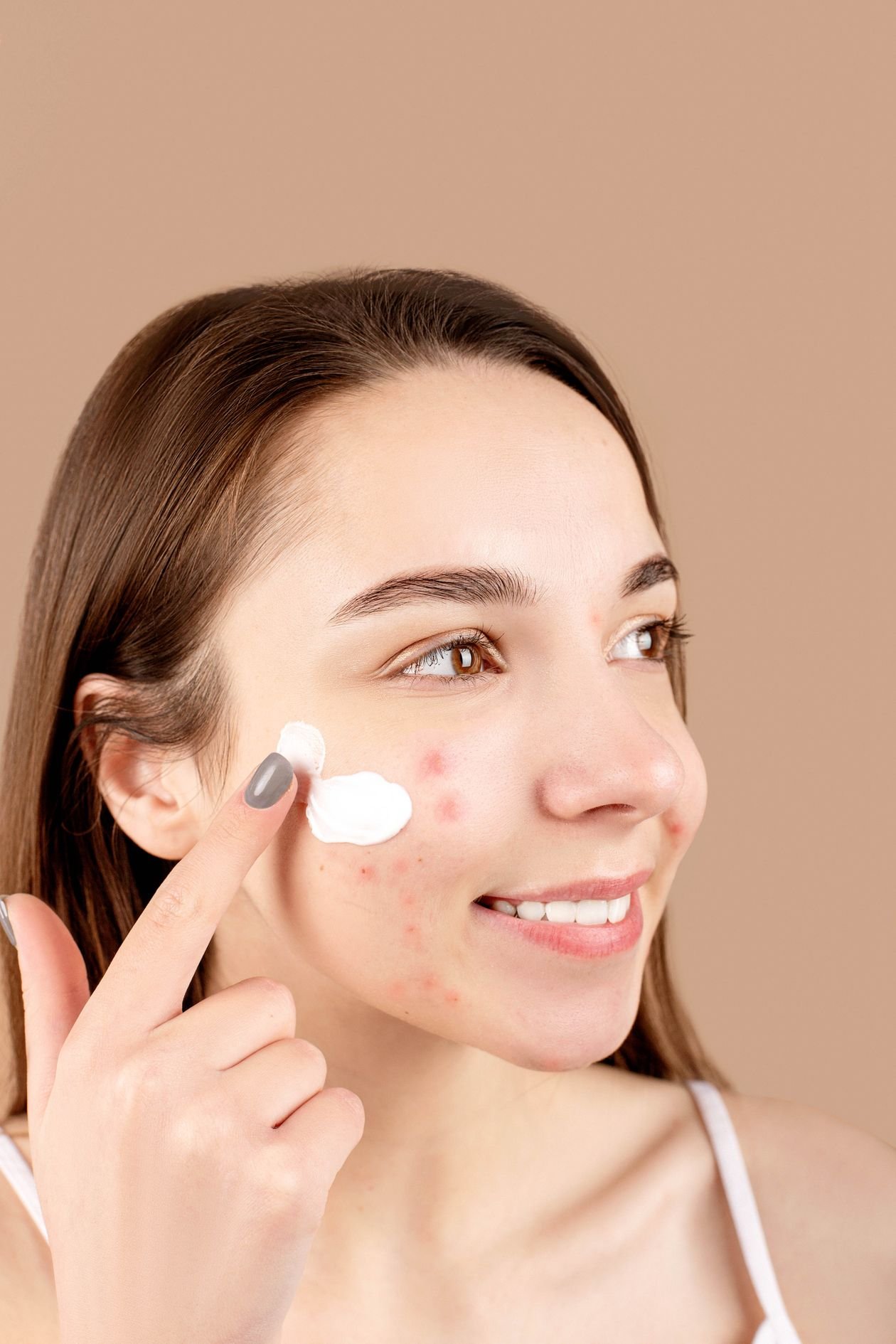
Acne is one of the most common skin concerns, and it does not belong only to teenagers. Adults in their twenties, thirties and beyond deal with breakouts too, and the frustration is the same at any age: a spot appears before an important day, a patch of redness refuses to fade, and every product on the shelf promises a miracle that never quite arrives. Natural remedies for acne and breakouts offer a gentler path, one that works with the skin instead of stripping it, and many of them have been used for generations long before modern skincare existed.
It is important to be honest from the start. Natural remedies can calm inflammation, reduce bacteria, control oil and support healing, but they are not a cure for acne, and they work slowly. Most people need four to six weeks of steady use before they see a real change, and severe or cystic acne usually needs a doctor or dermatologist.
What Causes Acne and Breakouts
Acne begins inside the skin’s pores, the tiny openings through which oil reaches the surface. The skin produces an oil called sebum, which is normal and healthy in the right amount. Problems start when the pores produce too much sebum, when dead skin cells stick together instead of shedding, and when a common skin bacterium called Cutibacterium acnes multiplies inside the blocked pore. The result is inflammation: a red bump, a whitehead, a blackhead or, in deeper cases, a painful cyst under the skin.
Several factors make this process more likely. Hormones are the biggest driver, which is why acne flares during puberty, around monthly periods, during pregnancy and at times of stress. The NHS explains that acne is very common in teenagers and young adults, and that it is caused by the oil glands becoming overactive, with the skin’s pores becoming blocked and infected, as described at https://www.nhs.uk/conditions/acne/
Genetics also play a role, and certain medicines and heavy skin or hair products can trigger or worsen breakouts. Diet does not cause acne on its own, but some studies suggest that high-glycaemic foods and dairy may worsen breakouts in people who are already prone to them.
How Natural Remedies Help Acne
Natural remedies help acne through four main actions. First, some ingredients are antibacterial, which means they reduce the number of acne-causing bacteria on the skin. Tea tree oil is the best-known example. Second, some remedies are anti-inflammatory, which means they calm the redness and swelling that make a spot look and feel worse. Aloe vera and green tea work in this way.
Third, some ingredients help the skin shed dead cells gently, which keeps pores from clogging. Fourth, some remedies support the skin barrier, the outer layer that keeps moisture in and irritants out. When the barrier is damaged by harsh scrubs and strong cleansers, the skin produces even more oil to compensate, which makes acne worse.
Tea Tree Oil for Acne
Tea tree oil is the most studied natural remedy for acne, and for good reason. It comes from the leaves of Melaleuca alternifolia, a tree native to Australia, and it has strong antibacterial and anti-inflammatory properties. Research has found that a gel containing five percent tea tree oil can reduce acne lesions, and that it works more slowly than benzoyl peroxide but causes less dryness, redness and peeling.
Tea tree oil should never be applied to the skin undiluted, because pure essential oil can irritate the skin and even cause burns. Dilute one or two drops in a teaspoon of a carrier oil, such as jojoba or sweet almond oil, or in a tablespoon of aloe vera gel, and apply only to the spots with a clean cotton bud, once or twice a day. A patch test on the inside of the wrist, left for twenty-four hours, is a sensible first step before using it on the face.
The National Center for Complementary and Integrative Health notes that tea tree oil has been studied for acne and other skin conditions, and that it can cause skin irritation and allergic reactions in some people, so it should be used with care and kept away from the eyes, as explained at https://www.nccih.nih.gov/health/tea-tree-oil
People who use tea tree oil regularly often find that spots shrink faster and that new ones are smaller and less painful. It is most useful for the red, inflamed spots that appear singly or in small clusters, rather than for deep cystic acne, which needs medical treatment.
Aloe Vera for Acne-Prone Skin
Aloe vera is one of the gentlest and most versatile remedies for acne-prone skin. The clear gel inside the thick leaves is cooling, soothing and mildly antibacterial, and it contains compounds that reduce inflammation and support wound healing. For skin that is red and irritated from breakouts, aloe vera feels like immediate relief.
The simplest way to use it is to apply a thin layer of pure aloe vera gel to clean skin, morning and night, and let it absorb. It works well on its own as a light moisturiser for oily skin, because it hydrates without adding oil, and it also works as a base for other remedies: a drop of diluted tea tree oil mixed into aloe vera gel is easier to spread and less irritating than oil alone. Readers who want to know more about this plant can read our detailed guide to aloe vera for skin healing and hydration at https://99naturalhomeremedies.com/aloe-vera-benefits-for-skin-healing-and-hydration/
Honey Masks for Breakouts
Honey has been used on wounds for thousands of years, and modern research has confirmed why: it is naturally antibacterial, it draws moisture out of bacteria, and it creates a gentle environment in which skin can heal. Raw honey, and especially manuka honey, contains compounds that slow the growth of the bacteria linked to acne, and its thick texture makes it an excellent face mask.
A simple honey mask needs only one ingredient. Spread a thin layer of raw honey over clean, slightly damp skin, leave it for fifteen to twenty minutes, then rinse with lukewarm water and pat the skin dry. The skin usually feels softer and calmer afterwards, and redness often looks reduced.
Apple Cider Vinegar Toner for Acne
Apple cider vinegar is a popular home remedy for acne because it contains acetic acid, which has antibacterial properties, and because it is mildly acidic, which can help restore the skin’s natural pH after cleansing. Some people find that a diluted apple cider vinegar toner reduces the number of new breakouts and fades the marks left behind by old ones.
Dilution is essential. Undiluted vinegar is far too strong for facial skin and can cause burns, especially on skin that is already broken or irritated. A safe starting mixture is one part apple cider vinegar to three parts water, applied with a cotton pad to the face after cleansing, avoiding the eye area. The toner should be used once a day at first, and only increased to twice a day if there is no stinging, redness or dryness.
This remedy is not suitable for everyone. People with very sensitive skin, eczema or rosacea should skip it, because the acid can trigger a flare, and it should never be used on open wounds or freshly picked spots.
Green Tea for Acne
Green tea is better known as a drink than as a skincare ingredient, but it deserves a place in an acne routine. It is rich in polyphenols, plant compounds that reduce inflammation and protect skin cells from damage, and it contains a compound called epigallocatechin gallate, which research suggests can reduce sebum production and calm the bacteria involved in acne.
The easiest way to use green tea on the skin is to brew a strong cup, let it cool completely, and use it as a face rinse after cleansing, or soak a cotton pad in it and wipe it over the face. Drinking green tea also helps, in a small way: it supports general health and replaces sugary drinks that may worsen breakouts.
Clay Masks for Oily Skin
For skin that is oily and prone to clogged pores, a clay mask once or twice a week can make a visible difference. Clay absorbs excess oil from the surface of the skin and from inside the pores, and as it dries it gently lifts out dirt and dead skin cells. Bentonite clay and kaolin clay are the two most popular choices: bentonite is stronger and better for very oily skin, while kaolin is milder and suits combination or sensitive skin.
A basic clay mask is simple to make. Mix a tablespoon of clay powder with enough water, rose water or cooled green tea to form a smooth paste, spread it over the face avoiding the eyes and lips, and leave it for ten to fifteen minutes, until it is mostly dry but not cracking. Rinse with lukewarm water and follow with a light moisturiser, because clay can leave the skin feeling tight if it is left on too long or used too often. Once a week is enough for most people. Rose water makes a pleasant liquid for a clay mask, because it is soothing and adds a light, fresh scent; readers can learn more in our guide to rose water for skin toning and freshness at https://99naturalhomeremedies.com/rose-water-benefits-for-skin-toning-and-freshness/
A Gentle Daily Routine for Acne-Prone Skin
Remedies work best inside a routine, and the routine itself matters more than any single ingredient. A good acne routine has four steps and takes less than ten minutes a day. The first step is cleansing, twice a day, with lukewarm water and a gentle, fragrance-free cleanser. Hot water strips the skin and triggers more oil, and harsh cleansers damage the barrier, so mild is better. The face should be washed after sweating, for example after exercise, because sweat mixed with oil can block pores.
The second step is treatment, which means applying one active remedy, such as diluted tea tree oil on spots or a thin layer of aloe vera gel over the whole face. Using several strong treatments at once is a common mistake: it irritates the skin and makes breakouts worse, so one treatment at a time, used consistently, is the right approach.
The third step is moisturising: oily skin still needs moisture, and skipping moisturiser makes the skin produce more oil to protect itself, so a light, oil-free moisturiser or a thin layer of aloe vera gel is enough. The fourth step is sun protection, because sunlight damages the skin barrier and worsens the dark marks left by spots, so a light, non-comedogenic sunscreen should be used every morning.
Two small habits make a surprisingly large difference: changing pillowcases twice a week, because oil, sweat and bacteria build up on fabric and press against the face all night, and keeping the hands off the face during the day, because touching or squeezing spots pushes bacteria deeper into the skin and increases the risk of scarring.
Diet and Lifestyle Habits That Support Clear Skin
No food cures acne, but everyday habits can support clearer skin over time. Drinking enough water keeps the skin hydrated from the inside, and eating a varied diet rich in vegetables, fruit, whole grains and healthy fats gives the skin the nutrients it needs to repair itself. Foods rich in zinc, such as pumpkin seeds, chickpeas and lentils, are linked in some studies to fewer breakouts.
Sleep matters more than most people realise. During sleep the skin repairs itself, and poor sleep raises stress hormones that increase oil production. Seven to nine hours of regular sleep is a realistic target.
What to Avoid With Acne-Prone Skin
Some popular habits make acne worse, and avoiding them is as important as using the right remedies. Harsh scrubs and exfoliating brushes are at the top of the list: they tear at inflamed skin, spread bacteria across the face and damage the barrier. Chemical exfoliants can help acne, but they should be introduced slowly, in low strengths, and never combined with several other active treatments at the same time.
Heavy, oily moisturisers and hair products are another common cause of breakouts. Thick creams can block pores, and hair oils and pomades that touch the forehead cause the pattern of spots along the hairline that some people call pomade acne. Choosing oil-free, non-comedogenic products and keeping hair away from the face, especially at night, helps a great deal.
Toothpaste on spots is a popular home remedy that should be avoided. Toothpaste contains ingredients designed for teeth, not skin, and it can cause irritation, redness and even a chemical burn on inflamed skin. Lemon juice applied directly to the skin is another risky remedy: it is highly acidic, it can cause irritation, and it makes the skin more sensitive to sunlight, which can lead to dark marks.
The Mayo Clinic advises that acne treatments take time to work, that washing the face too often or too vigorously can irritate the skin, and that people should avoid picking or squeezing spots because it can lead to infection and scarring, as explained at https://www.mayoclinic.org/diseases-conditions/acne/symptoms-causes/syc-20368047
Precautions and Side Effects
Natural does not mean risk-free, and every remedy on this list should be introduced carefully. A patch test is the single most useful precaution: apply a small amount of the remedy to the inside of the wrist or behind the ear, wait twenty-four hours, and only use it on the face if there is no redness, itching or swelling. This is especially important for essential oils, cinnamon, apple cider vinegar and lemon juice.
Stop using a remedy if the skin becomes red, itchy, swollen or painful, or if breakouts get noticeably worse after two weeks of use. People who are pregnant or breastfeeding should check with a doctor before using essential oils, including tea tree oil, and people who take prescription acne medication should ask their doctor or pharmacist before adding natural treatments.
Severe acne needs medical care, and there is no shame in that. Signs that it is time to see a doctor include large, painful cysts under the skin, acne that leaves scars, acne that does not improve after three months of consistent gentle care, or breakouts that cause distress or low mood. A dermatologist can offer treatments that home remedies cannot, and using both together, with the doctor’s knowledge, often gives the best result.
Frequently Asked Questions
How long do natural remedies take to work for acne? Most people need four to six weeks of consistent use before they see a clear improvement, because skin cells take about a month to renew. A single spot may shrink in a few days with tea tree oil or honey, but a real change in the overall pattern of breakouts takes longer.
Can natural remedies cure acne permanently? No remedy, natural or medical, cures acne permanently for everyone. Acne is influenced by hormones, genetics and lifestyle, and it often comes and goes over years. Natural remedies can control breakouts, reduce their severity and help the skin heal with less scarring, which is a realistic and worthwhile goal.
Is it safe to use tea tree oil every day? Diluted tea tree oil can be used once or twice a day on spots, as long as the skin tolerates it. If dryness or redness appears, reduce the frequency to every other day, or dilute it further. Pure, undiluted tea tree oil should never be used on the face.
Can I use several of these remedies at the same time? It is better to start with one remedy, use it for two weeks, and then add another if the skin is comfortable. Using tea tree oil, apple cider vinegar, clay masks and honey all on the same day is too much for most skin and can cause irritation that looks like a worse breakout.
Does diet really affect acne? Diet is not the main cause of acne, but some people notice that sugary foods, white bread and dairy products make their breakouts worse. Keeping a simple food diary for a month can reveal personal triggers.
What is the best natural remedy for acne scars? Aloe vera and honey both support healing and may help fresh marks fade faster, and gentle sun protection prevents marks from darkening. Old, deep scars, however, are difficult to improve with home remedies alone, and a dermatologist can advise on treatments such as chemical peels or laser therapy.
A Simple Daily Routine With Natural Acne Remedies
A simple routine makes natural acne care easy to keep up with, and consistency matters more than perfection. In the morning, wash the face with lukewarm water and a gentle cleanser, apply a thin layer of aloe vera gel, then moisturise lightly and apply sunscreen. In the evening, cleanse again, apply diluted tea tree oil to any active spots, and finish with a thin layer of aloe vera gel or a light moisturiser. Once a week, use a honey mask or a clay mask after cleansing. Change pillowcases twice a week, keep the hands off the face, and give the routine at least a month before judging the result.
Important Disclaimer
This article is for educational purposes only and is not medical advice. The information here is general in nature and is not a substitute for professional medical advice, diagnosis, or treatment. Natural remedies can support skin health, but they are not a cure for acne, and they do not guarantee clearer skin. Some ingredients, including essential oils and acids, can cause irritation or allergic reactions, so always do a patch test before use. Always consult a qualified healthcare professional before starting a new skincare treatment, especially if you are pregnant, breastfeeding, taking medication, or living with a skin condition such as eczema or rosacea. If acne is severe, painful, scarring, or causing distress, seek advice from a doctor or dermatologist. If you experience any unusual symptoms after using a remedy, stop using it and seek medical advice.