
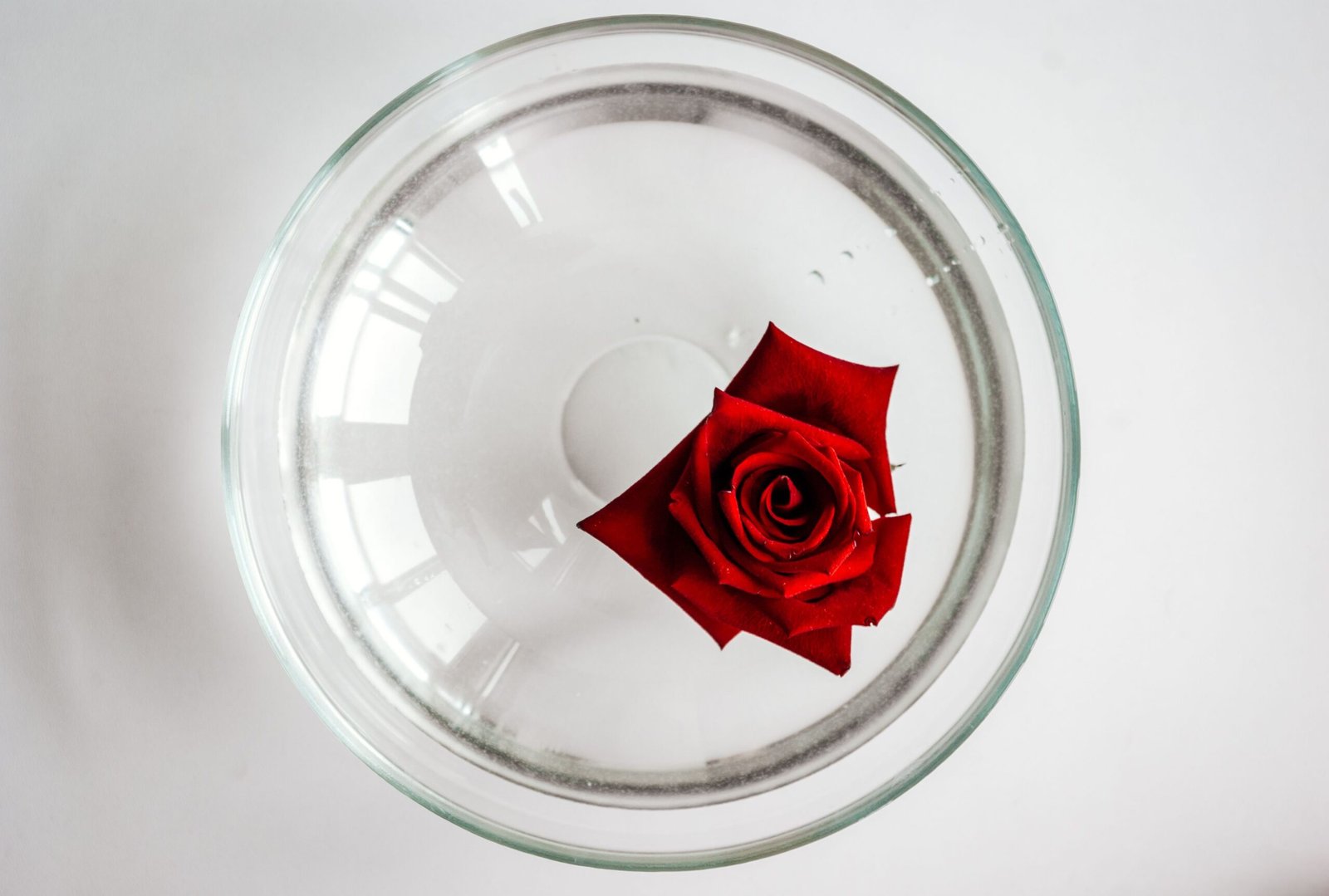
Rose water has been a part of skin care for centuries, and it remains popular in homes across the United States and the United Kingdom today. Made from rose petals and water, it has a light floral scent, a clear appearance, and a gentle feel on the skin. Many people keep a small bottle in the bathroom cabinet and reach for it after washing the face, before applying moisturiser, or during a warm afternoon when the skin feels tired. Its appeal is simple: it feels refreshing, it is easy to use, and it fits naturally into an everyday routine without fuss or complicated steps.
Rose Water Benefits for Skin have attracted interest because rose water is often described as a gentle toner and a natural way to refresh the skin. Unlike strong toners that may leave the skin feeling tight or dry, rose water is usually mild and pleasant to use. It may help the skin feel clean, calm, and balanced after cleansing, and it may add a light touch of moisture before other products are applied. For many people, the simple act of patting rose water onto the face feels soothing, and the soft scent can make a daily routine feel a little more pleasant. This article explains what rose water is, how it may support skin toning and freshness, and how to use it safely as part of a balanced skin care routine.
What Rose Water Is and How It Is Made
Rose water is water that has been infused with the scent and gentle properties of rose petals, most often from Damask roses, which are known for their strong fragrance. Traditionally, fresh rose petals are placed in water and heated gently so that steam carries the fragrant compounds, which are then collected as the water cools. This process, known as steam distillation, produces a clear, lightly scented liquid. A simpler method used at home involves simmering fresh petals in water and straining the liquid, although the result may be less concentrated than distilled rose water.
Good quality rose water usually contains only rose water, or rose water with a small amount of a natural preservative. Some products sold as rose water may also contain added fragrance, colour, alcohol, or other ingredients, so reading the label matters. Pure rose water is usually clear or very pale, with a soft floral scent that is pleasant rather than overpowering. It should feel light on the skin, without stickiness or a strong chemical smell. In the United States and the United Kingdom, rose water is widely available in pharmacies, supermarkets, health stores, and online, in small bottles that last for many weeks when stored in a cool, dry place.
Rose Water Benefits for Skin Toning
A skin toner is a light liquid used after cleansing to help the skin feel clean, fresh, and ready for the next step. Rose water is often used in this role because it feels gentle and may help remove the last traces of cleanser, dust, or makeup that washing alone may leave behind. After cleansing, the skin may feel slightly tight or uneven, and a light toner may help it feel more balanced and comfortable before moisturiser is applied.
Rose Water Benefits for Skin Toning are usually described in gentle terms. Rose water may help the skin feel smoother and look a little more even, and it may support a calm, refreshed appearance over time when used regularly. Some people notice that their skin looks less dull after a few weeks of using rose water as a toner, although results vary from person to person and depend on skin type, the product used, and the rest of the routine. Rose water does not tighten the skin in the way that strong astringents may claim to do, and it is not a treatment for skin conditions. Its value lies in its mildness: it offers a light, pleasant step that may help the skin feel clean and settled without dryness or irritation.
Rose Water Benefits for Skin Freshness and Hydration
One of the most common reasons people use rose water is the feeling of freshness it gives. A cool splash or a light mist of rose water may feel instantly refreshing, especially on a warm day, after exercise, or during a long afternoon at work. The gentle scent and cool liquid may help the skin feel awake and comfortable, and many people use it as a quick pick-me-up between morning and evening routines.
Rose Water Benefits for Skin Freshness are linked to its light hydrating quality. Rose water is mostly water, so it may add a small amount of moisture to the surface of the skin, which can be useful before applying a moisturiser that seals that moisture in. Used on its own, rose water is not a moisturiser, and it will not replace a good moisturising cream, but it may help the skin feel less dry for a short while. For best results, many people apply rose water to slightly damp skin and follow it quickly with a moisturiser. This simple pairing may help the skin feel soft and comfortable, and it is a routine that suits many skin types in the United States and the United Kingdom.
How to Use Rose Water as a Skin Toner
Using rose water as a toner is simple, and it takes only a minute or two. Start by washing the face with a gentle cleanser and lukewarm water, then pat the skin dry with a clean towel, leaving it slightly damp. Pour a small amount of rose water onto a cotton pad, or into clean hands, and gently pat or sweep it over the face and neck. Avoid rubbing hard, since gentle patting is kinder to the skin. Allow the rose water to dry for a few moments before applying moisturiser or sunscreen.
Most people use rose water once or twice a day, in the morning and in the evening, as part of their normal routine. A small amount is enough: a few drops on a cotton pad, or two or three sprays if using a mist bottle. Using more will not improve the result, and it may simply waste the product. Rose water may also be used on the neck and the back of the hands, which are areas that are often exposed to the sun and the weather. As with any new product, it is sensible to start slowly, using it once a day for a few days, and to watch how the skin responds before making it a regular twice-daily habit.
Rose Water as a Gentle Face Mist
A face mist is a light spray used to refresh the skin during the day, and rose water works well in this role. A small spray bottle of rose water can be kept in a handbag, at a desk, or in the car, and used whenever the skin feels warm, dry, or tired. Hold the bottle about twenty centimetres from the face, close the eyes, and spray lightly once or twice. Allow the mist to settle for a few moments, then gently pat any excess into the skin with clean hands.
Rose water mist may be especially pleasant in summer, after time outdoors, or in heated rooms during winter, when indoor air may feel dry. It may also be used over makeup, although a heavy spray may disturb makeup, so a light mist is best. Some people keep rose water in the fridge, so the mist feels cool and refreshing when sprayed. A related article is A related article.
Rose Water for Oily and Combination Skin
People with oily or combination skin often look for products that feel light and do not add shine. Rose water may suit these skin types because it is water-based and does not leave a greasy layer on the skin. After cleansing, it may help the skin feel clean and fresh, and it may remove any remaining traces of oil or cleanser without the harshness of alcohol-based toners.
For combination skin, where some areas are oily and others are dry, rose water may be used all over the face, followed by a light moisturiser on the drier areas. Some people with oily skin use rose water in the middle of the day as a quick refresh, although blotting the skin first with a clean tissue may help. Rose water does not control oil production, and it will not prevent spots, but it may be a gentle step that fits well into a routine for oily or combination skin. If spots or breakouts are a concern, it is sensible to keep the routine simple and to seek advice from a healthcare professional or dermatologist.
Rose Water for Dry and Sensitive Skin
Dry skin often feels tight, rough, or uncomfortable, especially in cold weather or after washing with hot water. Rose water may help dry skin feel a little more comfortable when used as a first step before a rich moisturiser. It may add a light layer of moisture and may help the skin feel calmer after cleansing, although it should always be followed by a moisturiser, since rose water alone will not keep dry skin hydrated for long.
People with sensitive skin may find rose water gentle, but sensitivity varies, and even mild products may cause a reaction in some people. It is important to choose a pure rose water without added fragrance or alcohol, since these may irritate sensitive skin. A patch test is a sensible first step: apply a small amount to the inside of the wrist or behind the ear, wait twenty-four hours, and check for redness, itching, or discomfort. If the skin feels calm, rose water may be used on the face, starting once a day and increasing slowly if it feels comfortable.
Rose Water in Everyday Skin Care Routines
Rose water fits easily into most skin care routines because it is simple and does not conflict with many other products. A basic routine may include a gentle cleanser, rose water as a toner, a moisturiser, and sunscreen during the day. In the evening, the same steps may be repeated, with a richer moisturiser if the skin feels dry. Rose water may be used before serums or face oils, since its light texture allows other products to be layered on top.
Some people also mix rose water into other steps of their routine. A few drops may be added to a face mask, such as a clay or honey mask, to make it feel smoother and more pleasant. Rose water may also be used to dampen a cotton pad before removing light makeup, although it is not a makeup remover and will not remove waterproof products. A related article on natural face care is A related article on natural face care.
Rose Water After Sun and Long Days
After time in the sun, the skin may feel warm, dry, or slightly uncomfortable, even when sunscreen has been used. A cool splash of rose water may feel soothing on warm skin, and it may help the skin feel fresher after a long day outdoors. Keep a bottle in the fridge during summer so it feels cool when applied, and pat it gently onto the face and neck after coming indoors.
Rose water is not a treatment for sunburn, and it does not replace sunscreen or shade. If the skin is red, painful, blistering, or peeling after sun exposure, it is sensible to seek advice from a healthcare professional. For everyday warmth and tiredness, however, rose water may be a gentle comfort. It may also be used after a long flight, a hot day at work, or a tiring journey, when the skin feels dull and in need of a refresh. A light mist and a good moisturiser may help the skin feel more comfortable and settled.
Choosing Pure Rose Water and Reading Labels
Not all products labelled as rose water are the same, and choosing a good one makes a difference. Pure rose water should list rose water, or Rosa damascena flower water, as the main ingredient. Some products may list water and rose fragrance, which is not the same as pure rose water, and may contain synthetic scent. Others may contain alcohol, which may dry the skin, or added colour, which offers no benefit.
When shopping, look for a short ingredient list and a product that states it is pure or distilled rose water. In the United States and the United Kingdom, rose water is sold in pharmacies, supermarkets, and health stores, and prices vary. A higher price does not always mean better quality, so the label is a better guide than the price. Store rose water in a cool, dry place, away from direct sunlight, and keep the cap closed. Check the best-before date, and replace the bottle if the scent changes, the liquid becomes cloudy, or it has been open for a very long time.
Safety, Patch Testing and Possible Irritation
Rose water is generally considered gentle, but no skin care product suits everyone. Some people may notice redness, itching, a rash, or a stinging feeling after using rose water, especially if the product contains added fragrance or alcohol. If any of these signs appear, stop using the product and rinse the skin with lukewarm water. If the irritation is severe, spreads, or does not settle within a day or two, seek advice from a healthcare professional.
Patch testing is the simplest way to check whether rose water suits your skin. Apply a small amount to a small area, such as the inside of the wrist or behind the ear, once or twice a day for two or three days, and watch for any reaction. People with known allergies to roses or other flowers should be cautious, and people with eczema, rosacea, or other skin conditions should ask a healthcare professional before adding a new product to their routine. General information about skin care is available at NHS and NCCIH.
Common Mistakes When Using Rose Water
Rose water is easy to use, but a few common mistakes may reduce its benefit or cause discomfort. One mistake is using a product that is not pure rose water, but a scented water with added fragrance or alcohol, which may dry or irritate the skin. Another is using too much at once, which wastes the product without improving the result. A few drops or a light mist is enough.
Some people apply rose water and then wait too long before moisturising, so the light moisture evaporates and the skin feels dry again. Applying moisturiser while the skin is still slightly damp may help. Others use rose water instead of cleansing, but rose water does not remove dirt, oil, or makeup properly, so it should follow cleansing, not replace it. Finally, some people use rose water every hour, hoping for faster results, but more frequent use does not improve the skin and may cause irritation. Once or twice a day is enough for most people.
Rose Water Benefits for Skin as Part of a Balanced Routine
Rose Water Benefits for Skin are best understood as part of a balanced, everyday approach to skin care, rather than as a single remedy. A light toner that feels gentle, a refreshing mist during the day, and a calm step before moisturiser may help the skin feel clean, fresh, and comfortable. Combined with gentle cleansing, a suitable moisturiser, daily sunscreen, enough water, and good sleep, rose water can be a pleasant and sensible part of a healthy routine. It does not promise dramatic changes, but for many people it offers a small, enjoyable moment of care in a busy day.
Disclaimer: This article is for educational information only and is not medical advice. Rose water may help some people feel their skin is fresher and more comfortable, but it does not diagnose, treat, cure, or prevent any disease or skin condition. If you are pregnant, breastfeeding, taking medication, or have a skin condition such as eczema or rosacea, please consult a qualified healthcare professional before adding rose water to your routine. Seek prompt medical advice if you notice a severe rash, swelling, blistering, or any other worrying reaction.
In closing, Rose Water Benefits for Skin offer a simple, gentle, and enjoyable way to support everyday skin care. A light splash after cleansing, a cool mist on a warm afternoon, or a calm step before moisturiser can help the skin feel fresh, clean, and comfortable. Used sensibly, alongside gentle cleansing, moisturising, and sunscreen, rose water may help many people feel a little fresher and more confident, one soft, floral step at a time.




One Comment