Joint pain has a way of quietly taking over daily life. Stiff knees in the morning, aching fingers on a cold day, a shoulder that complains every time you reach for a high shelf — these small discomforts add up, and many people look for gentle, natural ways to ease them alongside their usual care. Black seed oil is one of the oldest remedies people have turned to for this purpose. Pressed from the tiny black seeds of the Nigella sativa plant, it has been used in traditional medicine across the Middle East, South Asia, and North Africa for centuries, and modern interest in it has grown as researchers study its best-known active compound, thymoquinone.
This article explains what black seed oil is, how it may help sore joints, and how to use it safely on the skin and by mouth — while being clear that it is a supportive home remedy, not a cure, and that the evidence is still limited.
What Black Seed Oil Is and Its Long History
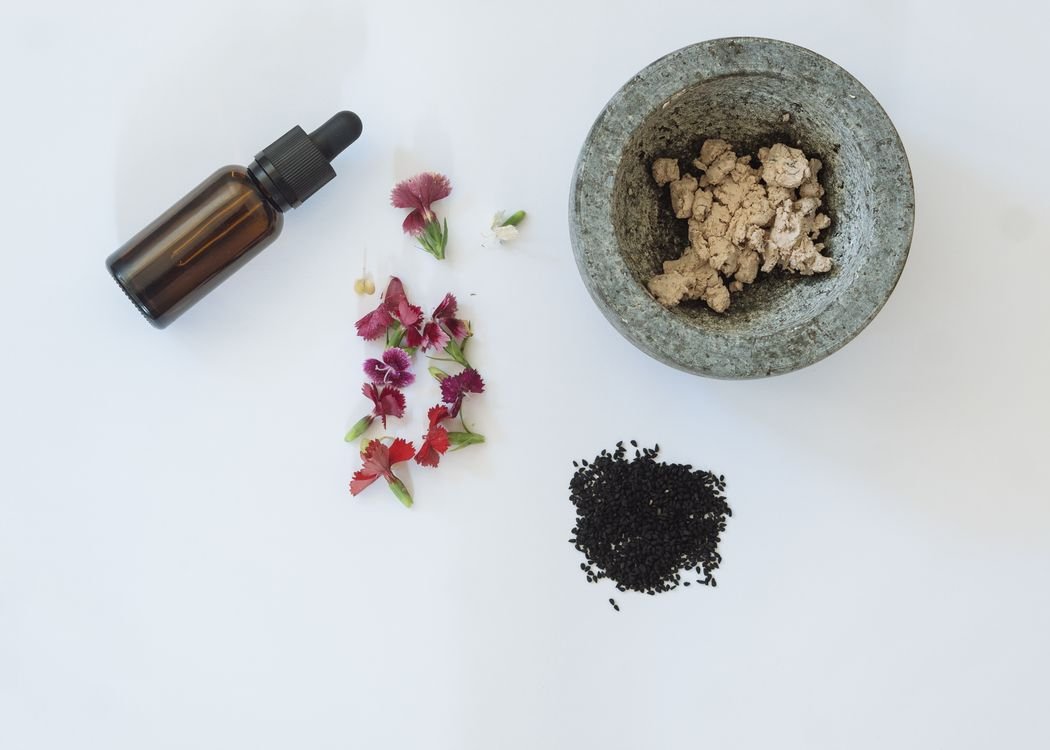
Black seed oil is pressed from the seeds of Nigella sativa, a flowering plant in the buttercup family that grows across Southwest Asia, the Middle East, and parts of North Africa and Southern Europe. The seeds are small, black, and angular, with a slightly bitter, peppery taste. They have been used as both a spice and a medicine for a very long time — sprinkled over breads, pickles, and curries in the kitchen, and used in traditional medicine for digestive troubles, skin problems, and aching joints.
The history of black seed is unusually well documented for a traditional remedy. Seeds have been found in ancient Egyptian tombs, and the plant appears in old medical texts from several cultures. Traditional healers in Unani and Ayurvedic medicine valued black seed for its warming quality and rubbed the oil into sore joints and stiff muscles. In the Middle East it earned a reputation as a general tonic, taken daily for overall wellbeing. This long history is part of the reason black seed oil is still popular today, but traditional use is not the same as proof. The US National Center for Complementary and Integrative Health (NCCIH) notes that there is not enough scientific evidence to establish whether black seed is effective for any health condition, and most available research is small or preliminary. More information is available from the NCCIH (https://www.nccih.nih.gov/health/black-seed).
Thymoquinone and the Active Compounds Behind the Oil
The main reason researchers are interested in black seed oil is a compound called thymoquinone. It is the most abundant active compound in the volatile oil of Nigella sativa seeds, and it is the compound most often credited with the oil’s effects. Laboratory studies have found that thymoquinone has antioxidant and anti-inflammatory activity, meaning it can help neutralise harmful free radicals and may reduce some of the chemical signals involved in inflammation.
It is worth understanding what the research actually shows and what it does not. Most studies of thymoquinone have been carried out in laboratories or on animals, and only a small number of human studies exist. A few small trials have looked at black seed oil for joint pain, including some involving people with osteoarthritis or rheumatoid arthritis, and some reported improvements in pain and stiffness. However, these studies were small, short, and varied in quality, and larger, well-designed trials are still needed before any firm claims can be made. The reasonable way to view black seed oil is as a traditional remedy with promising early signs and a plausible mechanism, not as a proven treatment.
How Black Seed Oil May Help Joint Pain and Inflammation
Joint pain usually involves inflammation, the body’s response to irritation, wear, or injury in and around a joint. In osteoarthritis, the cartilage that cushions the joint wears down over time, and the surrounding tissues can become inflamed. In rheumatoid arthritis, the immune system attacks the joint lining, causing swelling, warmth, and pain. Joints can also ache from overuse, old injuries, or simply from sitting still for too long. Black seed oil cannot repair worn cartilage or change an immune condition, but it may help in a few practical ways.
First, the anti-inflammatory compounds in the oil may help calm some of the local inflammation that makes a joint feel swollen and tender, and the massage itself increases blood flow to the area, which can ease stiffness. Second, the oil’s antioxidant activity may help protect joint tissues from some of the damage caused by oxidative stress, one of the processes involved in long-term joint wear. Third, the warming, soothing massage can relax the muscles around a joint, and tense muscles often make joint pain feel worse.
The effect is usually gradual rather than dramatic: regular use over a few weeks may make a joint feel a little looser and more comfortable, especially with gentle movement, warmth, and rest. It is a supportive remedy, not a replacement for medical treatment or prescribed medicines, and anyone with a diagnosed joint condition should keep following their doctor’s advice.
Topical Application of Black Seed Oil for Sore Joints
Applying black seed oil to the skin is the most direct and most popular way to use it for joint pain, and it is also the safest way to start. The skin over a sore joint absorbs a small amount of the oil, and the massage itself brings warmth and movement to the area. Because the oil is used on the outside of the body, it avoids most of the concerns that come with taking it by mouth, such as interactions with medicines.
Before using black seed oil on a joint for the first time, do a patch test. Apply a small amount of the diluted oil to the inside of the forearm and wait 24 hours. If the skin stays calm, with no redness, itching, or rash, the oil is likely safe for wider use. If any irritation appears, wash the area with soap and water and do not use the oil on the skin again.
Black seed oil is quite strong, so dilute it before massaging it in: a good starting blend is one part black seed oil to two or three parts of a carrier oil such as sweet almond oil, olive oil, or coconut oil. Warm a small amount between the palms and massage it gently into the skin over the sore joint using slow, circular movements for five to ten minutes, once or twice a day — morning and before bed are the most helpful times. Knees, fingers, wrists, elbows, shoulders, the lower back, and the neck all respond well. Wash the hands afterwards, keep the oil away from the eyes, and never apply it to broken or irritated skin. Stop using it if the skin becomes red, itchy, or sore.
Warm Compress With Black Seed Oil for Stiff Joints
A warm compress is a simple way to combine the soothing effect of heat with the benefits of black seed oil, and it is especially helpful for joints that feel stiff and tight rather than hot and swollen. Heat relaxes the muscles around a joint, increases blood flow, and makes the joint feel looser, while the oil adds a layer of skin nourishment and gentle warmth.
To make a warm compress, mix a teaspoon of black seed oil with two teaspoons of a carrier oil such as olive oil or coconut oil. Soak a clean cloth or flannel in warm water — comfortably warm, not hot enough to scald — wring it out, and then rub the diluted oil onto the sore joint. Place the warm cloth over the joint, cover it with a dry towel to hold the heat in, and rest for 15 to 20 minutes. The cloth can be re-warmed once or twice during that time if it cools down. This can be done once a day, and it is a good routine before bed or before gentle stretching.
Taking Black Seed Oil by Mouth for Joint Support
Some people take black seed oil by mouth, either as a liquid or in capsules, in the hope that its anti-inflammatory compounds will work throughout the body rather than only where the oil is rubbed in. This is a traditional way of using black seed, and some of the small human studies on joint pain used oral black seed oil or seed powder. The evidence is still limited, and oral use carries more precautions than topical use, so it should be approached carefully.
A commonly used amount in studies and in traditional practice is around one teaspoon, or about 5 millilitres, of cold-pressed black seed oil once or twice a day, taken with food to reduce stomach upset. Capsules are a convenient alternative for people who dislike the bitter taste, and the dose on the product label should be followed. Start with half a teaspoon once a day for the first week, and increase only if it is well tolerated. Taking the oil with honey, warm water, or juice makes the taste easier to bear.
Oral black seed oil is not suitable for everyone. It may lower blood sugar and blood pressure slightly, so people who take medicines for diabetes or high blood pressure should speak to their doctor first. It may also slow blood clotting, so people on blood-thinning medicines, or about to have surgery, should avoid taking it by mouth. Pregnant women should not take it in medicinal amounts, although using the seeds as a food spice is generally considered fine. Anyone on regular prescription medicines should check with a doctor or pharmacist first, since the oil can affect how the liver processes some medicines. Stop using it and seek medical advice if stomach upset, nausea, or allergic symptoms appear.
Combining Black Seed Oil With Other Natural Remedies
Black seed oil works well as part of a wider routine, combined with other gentle home remedies for joint pain, as long as each remedy is used correctly and nothing is overdone.
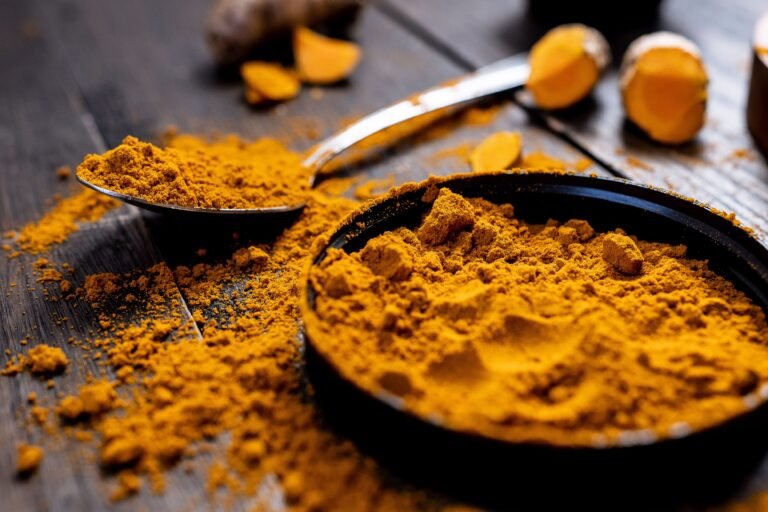
Turmeric is one of the best-known partners for black seed oil. Turmeric contains curcumin, a compound studied for its anti-inflammatory effects, and many people take turmeric in food or as golden milk while also massaging their joints with black seed oil. The two remedies work in different ways — one from the inside, one from the outside — and they can be used together comfortably. Readers who want to learn more about turmeric for joints can read our guide to turmeric benefits for joint pain and inflammation (https://99naturalhomeremedies.com/turmeric-benefits-for-joint-pain-and-inflammation).
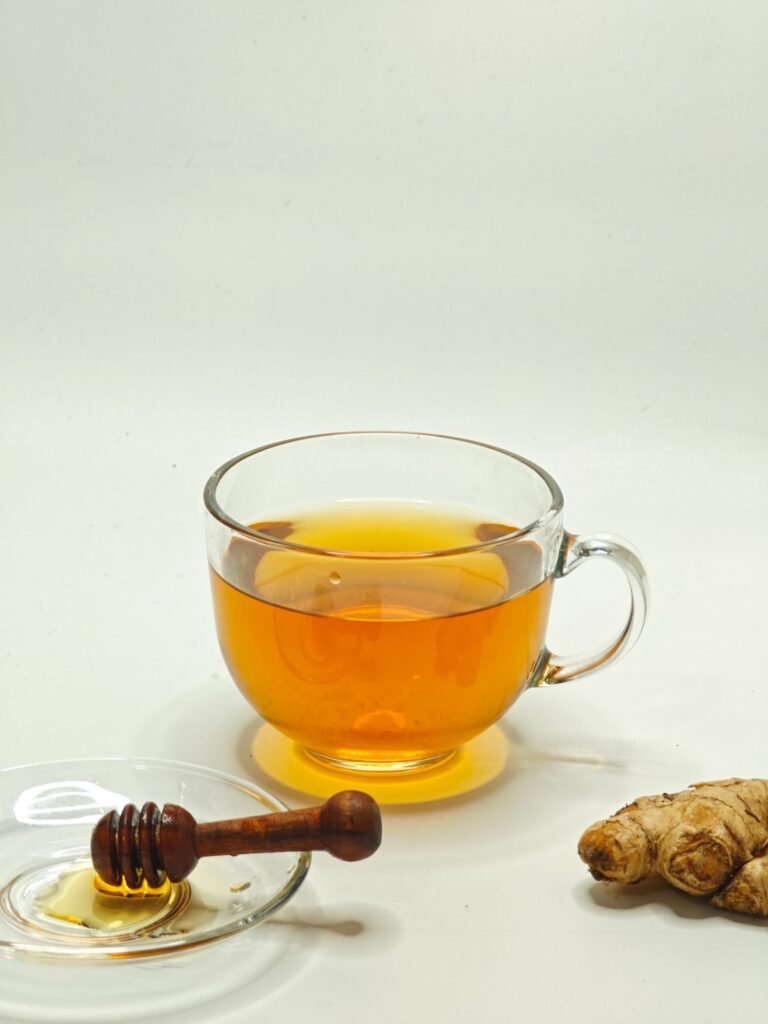
Ginger is another useful companion. A warm cup of ginger tea can ease stiffness from the inside, while black seed oil massage works on the outside. Ginger also makes a warming compress and a soothing bath soak, and its long history in traditional medicine is similar to that of black seed. Our article on ginger tea benefits for muscle pain and inflammation (https://99naturalhomeremedies.com/ginger-tea-benefits-for-muscle-pain-and-inflammation) explains how to prepare it and when to use it.
An Epsom salt bath is a relaxing way to finish the day when joints ache. The warm water relaxes muscles, and the magnesium sulphate in the salts is traditionally used to ease soreness. A bath can be followed by a gentle black seed oil massage on the sorest joints, which adds warmth and moisture to the skin. Our guide to Epsom salt bath benefits for muscle pain relief (https://99naturalhomeremedies.com/epsom-salt-bath-benefits-for-muscle-pain-relief) gives a simple method for a safe and comfortable soak. Gentle movement also helps: short walks and stretching keep joints mobile, and the NHS offers practical advice on living with arthritis (https://www.nhs.uk/conditions/arthritis/living-with/).
Precautions and Who Should Avoid Black Seed Oil
Black seed oil is generally considered safe in small amounts, especially on the skin, but it is not suitable for everyone.
People with sensitive skin or a history of skin allergies should be especially careful, since black seed oil can cause contact dermatitis in some people, with redness, itching, or a rash. A patch test is essential for these people, and if any irritation appears, the oil should not be used. The oil should never be applied to broken skin, open wounds, or areas affected by eczema or psoriasis without medical advice, since it can sting and make irritation worse.
People who are pregnant should not take black seed oil by mouth in medicinal amounts. There is a traditional concern that large amounts may stimulate the uterus, and there is not enough reliable safety information to recommend it during pregnancy. Topical use in small amounts is less of a concern, but it is still sensible to check with a doctor or midwife first. Breastfeeding mothers should also ask a healthcare professional before taking it by mouth.
People with low blood pressure or low blood sugar, and anyone taking medicines for these conditions, should speak to their doctor before taking black seed oil by mouth, because the oil may lower both blood pressure and blood sugar further. People taking blood-thinning medicines such as warfarin should avoid oral black seed oil, since it may increase the risk of bleeding, and they should stop taking it at least two weeks before any planned surgery. People with liver or kidney disease should also check with their doctor, since supplements are processed by these organs.
Choosing a Good Quality Black Seed Oil
The quality of black seed oil varies a great deal between products, and a good oil makes a real difference both to the results and to the safety of using it. The best oils are cold-pressed, which means the oil is squeezed from the seeds without high heat, preserving the thymoquinone and other active compounds that heat can damage. Look for the words “cold-pressed” and “100% pure Nigella sativa oil” on the label, and check that there are no added oils, flavourings, or preservatives.
A dark glass bottle is a good sign, since it protects the oil from light, which can degrade it over time. The oil should be dark amber in colour, with a strong, peppery, slightly smoky smell and a bitter taste. If the oil smells faintly of nothing, or tastes oddly sweet, it may be diluted or of poor quality. Some brands state the thymoquinone content on the label, often between 1% and 3%, and a higher thymoquinone content generally indicates a stronger oil, though the exact figure is not the only measure of quality.
How Long It Takes Before Black Seed Oil May Help Joint Pain
Black seed oil is not a fast-acting painkiller, and anyone who tries it should expect gradual change rather than instant relief. For most people, the earliest change is a feeling of warmth and comfort in the joint during and after a massage, which can make the joint feel looser for a few hours. Real improvement in stiffness and aching usually takes longer, and many people who use it regularly report noticing a difference after two to four weeks of daily use.
This slow, steady pattern is normal for a gentle natural remedy, and the benefits are greatest when the oil is used consistently, once or twice a day. Keeping a simple weekly note of morning stiffness and how far the joint bends comfortably can help track progress. If there is no improvement after six to eight weeks of regular use, black seed oil may not be the right remedy for that joint.
Can Black Seed Oil Be Used Every Day on Joints
For most adults with healthy skin, daily use of diluted black seed oil on a sore joint is reasonable, and it is how the oil has traditionally been used. A once-daily or twice-daily massage with the diluted oil is a safe routine for most people, as long as the skin stays calm and comfortable. If the skin becomes dry, red, or itchy, the oil should be used less often, diluted further, or stopped altogether.
Taking it by mouth every day is different: it is best used in cycles, such as daily for eight to twelve weeks followed by a break of a few weeks. Anyone taking it by mouth for more than a few weeks should mention it to their doctor, especially if they take regular medicines.
Is Black Seed Oil Safe for Sensitive Skin
People with sensitive skin can often use black seed oil, but they need to be more careful than most. The oil should always be diluted, with one part black seed oil to at least three or four parts of a gentle carrier oil such as sweet almond oil or jojoba oil. A patch test on the inside of the forearm, left for 24 hours, is essential before the oil is used on a joint.
If the patch test causes no reaction, apply a small amount to the joint and leave it for a few hours before washing it off; if the skin stays comfortable, it can be used more regularly. People with eczema, psoriasis, or an allergy to plants in the buttercup family should speak to a doctor or dermatologist first. If any redness, itching, swelling, or burning appears, wash the oil off with soap and water and do not use it again.
Important Disclaimer About This Information
The information in this article is provided for educational purposes only and is not medical advice. It is not intended to diagnose, treat, cure, or prevent any disease, and it should not be used as a substitute for professional medical advice, diagnosis, or treatment. Black seed oil is a traditional home remedy, and the evidence for its benefits is limited. Individual results vary, and what works for one person may not work for another.
Readers should always consult a qualified healthcare professional before starting any new supplement or remedy, especially if they are pregnant, breastfeeding, taking prescription medicines, or living with a medical condition. If joint pain is severe, sudden, or accompanied by swelling, redness, fever, or an inability to move the joint, seek medical attention promptly.