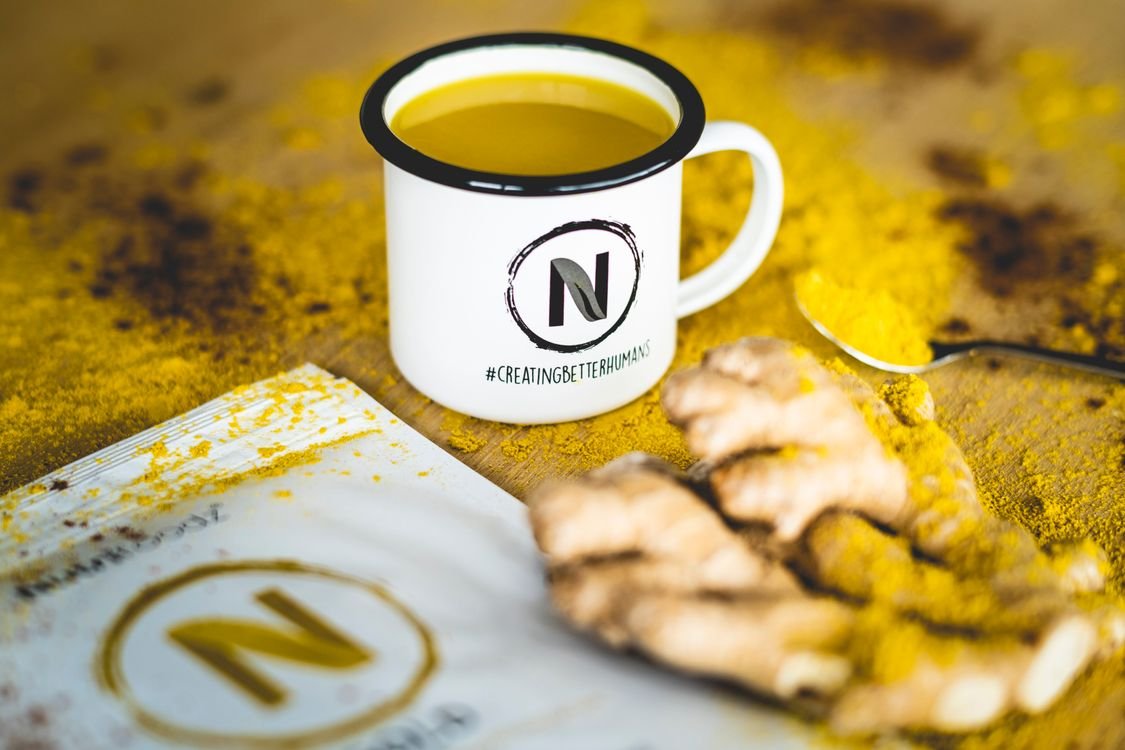
Ginger Benefits for Digestion and Bloating Relief
A warm cup of ginger tea after a heavy meal, or a little fresh ginger grated into soup, can feel like a small act of care for the stomach. For many households in the United States and the United Kingdom, ginger has been a familiar kitchen ingredient for generations, valued for its bright, warming flavour and its place in home routines for comfort after eating. Ginger Benefits for Digestion are often discussed in that everyday context, not as a dramatic cure, but as a gentle, food-based habit that may support a more settled stomach when used regularly and in sensible amounts. Bloating and sluggish digestion are common, with causes ranging from eating quickly and swallowing air to large portions, rich foods, fizzy drinks, stress, and lack of movement. Ginger is not a replacement for medical care, yet many people find that a modest amount, taken at the right time and in a form they enjoy, may help them feel a little lighter after meals.
Ginger Benefits for Digestion: A Familiar Root With a Long Kitchen History
Ginger comes from the rhizome, or underground stem, of the plant Zingiber officinale, and it has been used in cooking and traditional wellness practices in Asia for thousands of years before becoming a regular ingredient in Western kitchens. Fresh ginger is pale yellow inside, with a sharp, slightly sweet warmth that becomes more mellow when cooked. Dried ginger, ground into powder, is stronger by weight, while preserved ginger, pickled ginger, and ginger tea each offer a different balance of flavour. This long history does not prove that ginger works the same way for every person, but it explains why so many people reach for it first when their stomach feels unsettled. In the United States and the United Kingdom, ginger appears in biscuits, curries, soups, and herbal teas, pairing well with lemon, honey, and mint without adding caffeine. Starting with food amounts is usually the most comfortable approach.
Ginger Benefits for Digestion Through Gingerol and Related Compounds
Much of the interest in Ginger Benefits for Digestion centres on gingerol, the main active compound in fresh ginger, along with shogaol, which forms in larger amounts when ginger is dried or heated, and zingerone, which develops during cooking. These compounds give ginger its pungent taste and are thought to interact with the digestive system in several gentle ways. Researchers have explored whether ginger may support the movement of food through the stomach, known as gastric motility, and whether it may help the stomach empty a little more efficiently after a meal. When food moves along at a steady pace, some people report less of the heavy, full feeling that can follow a large or fatty meal, although responses vary. The National Center for Complementary and Integrative Health provides a careful overview of ginger research, including its use for nausea, at Ginger – National Center for Complementary and Integrative Health.
Ginger Benefits for Digestion and Nausea Support
Nausea is one of the most widely recognised areas where ginger may offer support, and it is also one of the areas with the most research behind it. Many people use ginger for the queasy feeling that can follow travel, a rich meal, or a change in routine, and it has been studied in contexts such as motion sickness, nausea after surgery, and nausea in early pregnancy, always with guidance from a healthcare professional in those sensitive situations. Ginger Benefits for Digestion in this area are often described as a calming influence on the stomach, and some researchers suggest that ginger may interact with receptors involved in nausea signals, although the exact mechanisms are still being studied. For everyday use, ginger is often taken as tea, chews, or a small amount of fresh ginger, and the effect, when it occurs, is usually mild and gradual rather than instant. Pregnant readers should be especially careful, because even familiar herbs deserve a conversation with a doctor or midwife first, and this article does not give a pregnancy dose.
Ginger Benefits for Digestion, Bloating and Gas
Bloating can feel like pressure, tightness, or a swollen abdomen after eating, and it often comes with gas, burping, or a sense of fullness that lingers long after the meal has finished. The causes are varied, and ginger may help some people while making little difference for others, depending on the underlying cause. Ginger Benefits for Digestion, Bloating and Gas are often linked to the idea that ginger may support smoother stomach movement and may help gas move through the digestive tract more comfortably, rather than building up and causing pressure. Foods that commonly contribute to bloating include large portions of beans, lentils, cabbage, and onions, as well as carbonated drinks, eating quickly, and chewing gum, all of which can increase swallowed air. Ginger does not remove those triggers, so it works best alongside attention to eating habits. Persistent bloating that happens most days, comes with pain, changes in bowel habits, unexplained weight loss, or blood in the stool deserves medical attention, because it can be linked to conditions that need proper assessment. Ginger should not be used to mask symptoms that need investigation.
Ginger Benefits for Digestion in a Simple Cup of Ginger Tea
Ginger tea is one of the easiest ways to enjoy Ginger Benefits for Digestion, and it requires only fresh ginger, hot water, and a few minutes of patience. To make a basic cup, peel a small piece of fresh ginger, about the size of a thumb tip for a mild cup, and slice it thinly or grate it coarsely. Place the slices in a mug, pour over freshly boiled water, cover the mug to keep the aromatic compounds in, and let it steep for five to ten minutes. Strain if preferred, and add lemon or a teaspoon of honey only after it has cooled slightly. Many people enjoy a cup about twenty to thirty minutes after a meal, while others prefer a small cup before a meal. Drinking ginger tea with food, rather than on a completely empty stomach, is often gentler, especially for people who notice heartburn from strong ginger. For a milder version, use fewer slices and a shorter steeping time, and increase the ginger gradually over several days rather than doubling the amount in one go. Ginger tea bags offer a convenient alternative, and loose dried ginger can also be used, with about half a teaspoon per cup as a starting point.
Fresh Ginger, Powder and Capsules: Choosing a Form That Suits Daily Life
Fresh ginger, ground ginger powder, and ginger capsules each have a place in a digestive routine, and the best choice often depends on taste, convenience, and tolerance. Fresh ginger offers the brightest flavour and the full range of gingerol compounds, and it works well in tea, soups, stir fries, smoothies, and salad dressings. To store fresh ginger, keep it unpeeled in the refrigerator in a paper bag or airtight container, where it can last for a couple of weeks, or peel and freeze it in small pieces for longer storage, grating it directly from frozen when needed. Ground ginger powder is convenient, shelf stable, and easy to measure, with a warmer, slightly spicier character because drying concentrates shogaol. It works well in baking, porridge, curries, and spice blends, and a quarter to half a teaspoon in a dish is usually enough. Ginger capsules can contain much higher amounts than a normal food serving. Capsules are not necessary to enjoy Ginger Benefits for Digestion from food, and anyone considering a supplement should discuss it with a healthcare professional or pharmacist first, especially if they take blood-thinning, diabetes, or blood pressure medication, or if they have gallstones.
Ginger Benefits for Digestion Around Meals
The way ginger is used around meals can shape how comfortable it feels. Adding ginger to cooking, rather than taking it in isolation, spreads the flavour and active compounds across a meal. Grated ginger in a vegetable soup, stir fry, or lentil dish adds warmth and depth, while a small amount in a marinade for chicken or fish can make a plain meal more appealing. Ginger also pairs well with garlic, spring onions, soy sauce, and lime in savoury dishes, and with cinnamon, nutmeg, and honey in sweeter dishes such as baked apples or porridge. Portion size and eating pace deserve attention alongside ginger. Eating slowly, chewing well, and putting cutlery down between bites may reduce swallowed air and give the stomach time to signal fullness. A short, gentle walk after eating, even for ten minutes around the home or garden, may support digestion for many people, and it pairs naturally with a cup of ginger tea once back indoors.
Ginger Benefits for Digestion Alongside Peppermint and Fennel
Ginger is often enjoyed alongside other traditional digestive herbs, and peppermint and fennel are two of the most familiar companions. Peppermint tea has a cooling, refreshing character and is often chosen after meals for a sense of lightness, while fennel seeds, chewed after eating or brewed as tea, have a mild aniseed flavour and a long history in digestive routines. Combining ginger with peppermint or fennel can create a more rounded flavour, and some people find that a blend suits them better than ginger alone. A simple blend can be made by steeping fresh ginger slices with a peppermint tea bag, or by adding a small pinch of crushed fennel seeds to ginger tea and straining well before drinking. Readers who want to explore peppermint may find our earlier article helpful: Peppermint Tea Benefits for Digestion and IBS Relief. Peppermint may not suit everyone, particularly people with heartburn or acid reflux, so ginger alone or ginger with fennel may feel more comfortable for those readers.
Ginger Benefits for Digestion and Everyday Digestive Habits
Ginger works best as part of everyday habits that support digestion as a whole. Adequate hydration helps food move through the digestive tract and supports regular bowel movements, and warm drinks such as ginger tea can count towards daily fluid intake for many people. Fibre from vegetables, fruits, whole grains, beans, and lentils also supports digestion, but it is best increased gradually, with enough water, to avoid extra gas while the gut adjusts. Movement pairs well with ginger too. A gentle walk or light stretching can support the natural movement of the gut and may ease the heavy feeling after a meal, while lying down immediately after a large meal can make reflux and bloating more likely for some people. Sleep and stress also play a role, because poor sleep, irregular meals, and busy periods can affect how the stomach feels.
Realistic Expectations From Ginger Benefits for Digestion
Realistic expectations make a ginger routine more sustainable. For most people, ginger may offer mild, gradual support rather than immediate or complete relief, and the effect may be subtle, such as feeling a little less full after a meal or noticing less queasiness on a journey. Some people notice a difference within a few days of regular use, while others notice little change and decide that ginger is not the right option for them. Both outcomes are normal. A fair trial usually means using a modest amount regularly for one to two weeks, in a form that is enjoyable and easy to repeat, while keeping other habits reasonably steady. Ginger is a food and a traditional remedy, not a medicine for digestive disease. It does not treat irritable bowel syndrome, inflammatory bowel disease, coeliac disease, gallbladder disease, or acid reflux disease, and it should not delay medical care. The Cleveland Clinic offers a balanced overview at Ginger Benefits – Cleveland Clinic, which can help readers separate well-supported uses from exaggerated claims.
Ginger Benefits for Digestion: Safety, Side Effects and Cautions
Ginger is generally considered safe in food amounts for most healthy adults, but it can cause side effects, especially in larger amounts or in supplement form. The most common are heartburn, stomach discomfort, mouth irritation, and a warming sensation in the throat, particularly when strong ginger is taken on an empty stomach. These effects are usually mild and settle when the amount is reduced or ginger is taken with food, but persistent discomfort is a sign to pause. Ginger may affect blood clotting, so people who take blood-thinning or antiplatelet medication should speak to a doctor or pharmacist before using supplements or large amounts regularly. People who take diabetes or blood pressure medication should also check with a healthcare professional. Ginger may stimulate bile flow, so people with gallstones or gallbladder disease need medical advice first. People with stomach ulcers, severe reflux, or a known sensitivity to ginger should also be cautious.
People Who Should Be Especially Cautious With Ginger
Certain groups should seek professional advice before making ginger a regular habit. Pregnant people should discuss ginger with a doctor or midwife, including amount and form, because guidance can vary by trimester and by individual health. Breastfeeding parents should also check with a healthcare professional if they plan to use ginger in larger than food amounts. Children should not be given ginger supplements, and ginger tea for children should be mild, in small amounts, and discussed with a paediatrician or family doctor first. Older adults who take several medications should be particularly careful, because the chance of an interaction increases with multiple medicines. A pharmacist can review the full list and advise whether food amounts are suitable and whether supplements should be avoided. Anyone who notices unusual bruising, bleeding, dizziness, or an allergic reaction such as a rash, swelling, or difficulty breathing after using ginger should stop using it and seek medical help promptly.
A Simple Daily Routine Built Around Ginger Benefits for Digestion
A simple daily routine can make Ginger Benefits for Digestion easier to enjoy without turning ginger into a chore. In the morning, a small cup of mild ginger tea with breakfast, or grated ginger in porridge with apple and cinnamon, can start the day with a warming flavour. At lunchtime, ginger can appear in a soup, salad dressing, or stir fry. In the afternoon, a cup of ginger tea can replace a second coffee for some people, offering warmth without caffeine, and in the evening, a light meal with ginger, followed by a gentle walk and rest before bed, can help the day end on a settled note. The routine does not need ginger at every meal. Two or three ginger moments a day, in food amounts, are enough for most people who enjoy it, and a day without ginger is perfectly fine. If a form causes heartburn, it can be swapped for a milder form or a smaller amount.
Common Mistakes That Limit Ginger Benefits for Digestion
Several common mistakes can limit the enjoyment of ginger. The first is using too much too soon, especially as a very strong tea on an empty stomach, which can cause heartburn or mouth irritation. Starting small, using food amounts, and increasing gradually is a kinder approach. The second mistake is expecting ginger to replace medical care or to cancel out very large, rich, or rushed meals. Ginger may support comfort, but it cannot undo consistently overeating, large amounts of fizzy drinks, or regular late-night eating. A third mistake is using ginger inconsistently, such as taking a large amount once when bloating is already severe and then not using it again for weeks. Regular, moderate use is more likely to be informative. A fourth mistake is choosing products with a lot of added sugar, such as ginger ale with little real ginger, and expecting the same effect as fresh ginger or plain tea. Finally, some people continue using ginger even when it clearly causes discomfort. If ginger consistently causes heartburn or stomach pain, it is better to stop and seek advice if symptoms continue.
Final Thoughts on Ginger Benefits for Digestion and Bloating Relief
Ginger Benefits for Digestion and Bloating Relief are best understood as a gentle, food-based tradition that may support comfort for some people when used thoughtfully and in moderation. Fresh ginger, ground ginger, and ginger tea each offer a simple way to include this warming root in everyday meals, and pairing ginger with unhurried eating, adequate hydration, gentle movement, and attention to personal triggers may make the routine more helpful than ginger alone. The evidence is promising for nausea and for general digestive comfort, but it is not a guarantee, and individual responses vary. For readers who decide to try ginger, the most practical next step is a small, simple start: a mild cup of ginger tea after a meal, a little grated ginger in a familiar dish, and a short note of how the stomach feels over the next week or two.
Important Disclaimer About Ginger and Digestive Health
This article is for educational information only and is not medical advice. It does not diagnose, treat, or prevent any disease, and it does not replace advice from a qualified healthcare professional. Readers should consult a doctor, pharmacist, or other healthcare professional before using ginger regularly, in large amounts, or in supplement form, especially if they are pregnant or breastfeeding, have a digestive condition, gallbladder disease, diabetes, low blood pressure, or a bleeding disorder, or if they take blood-thinning medication, diabetes medication, blood pressure medication, or any other regular medication. Anyone with persistent bloating, pain, changes in bowel habits, unexplained weight loss, blood in the stool, or other concerning symptoms should seek medical care promptly rather than relying on home remedies alone. If ginger causes discomfort, an allergic reaction, or any worrying symptom, stop using it and seek appropriate medical advice.


4 Comments