Natural Remedies for Constipation Relief
Natural Remedies for Constipation may offer a gentle starting point for people who want to support regular digestion through everyday habits. Constipation is a common digestive experience, and for many people it appears from time to time with changes in diet, fluid intake, activity, routine, stress, travel, or sleep. Bowel habits vary a great deal from person to person. Some people pass stools several times a day, while others feel comfortable with a less frequent pattern, as long as stools are not hard, dry, painful, or difficult to pass. When stools become infrequent, hard, or difficult to pass, simple daily choices may help the digestive system work more smoothly over time.
This guide explores Natural Remedies for Constipation in a practical, balanced way. It looks at fibre-rich foods, fluids, movement, routine, kitchen staples, stress, and sleep, and it explains how these factors may work together to support digestive comfort. The aim is not to promise instant relief or a cure, but to offer steady, realistic habits that many people find helpful as part of a healthy lifestyle. Natural approaches tend to work best when they are introduced gradually and used consistently, rather than all at once or in large amounts.
It is also important to recognise that constipation can sometimes be linked to medication, a health condition, pregnancy, or a change that needs medical attention. If constipation is persistent, severe, painful, or accompanied by other worrying symptoms, professional advice matters more than any home remedy. This article is educational information only, and it is not a substitute for medical advice. Readers are encouraged to listen to their own bodies, to avoid forcing or straining, and to seek support from a healthcare professional when something does not feel right.
Understanding Constipation and Everyday Digestive Rhythm
Constipation is often described as difficulty passing stools, or passing stools less often than usual, with stools that may feel hard, dry, or lumpy. Some people also notice bloating, a feeling of fullness, mild abdominal discomfort, or a sense that the bowel has not emptied completely. These sensations can be uncomfortable, and they can affect appetite, energy, mood, and sleep. For many people, occasional constipation passes on its own as diet, fluids, and routine return to normal. For others, it may recur, especially during periods of low activity, travel, stress, or dietary change.
Digestion is influenced by many everyday factors. Fibre adds bulk to stools and may help them move through the bowel more easily. Fluids help keep stools softer. Movement may support the natural motion of the gut. Routine and timing may help the body develop a regular pattern. Sleep and stress may also play a role, because the digestive system responds to rest, tension, and daily rhythm. When several of these factors are out of balance at the same time, constipation may be more likely. When they are gently supported together, digestion may feel more comfortable.
It can be helpful to notice personal patterns without becoming anxious about them. Keeping a simple mental note of meals, fluids, activity, sleep, and bowel habits for a few days may reveal useful clues, such as low fluid intake on busy days, long periods of sitting, or a diet low in plant foods. Such observations are not a diagnosis, but they may help a person choose which gentle changes to try first. Authoritative health information can provide useful background on constipation and when to seek care. The NHS offers guidance, and the National Institute of Diabetes and Digestive and Kidney Diseases provides information.
Natural Remedies for Constipation Through Fibre-Rich Foods
Natural Remedies for Constipation often begin with fibre, because fibre is one of the most widely recognised dietary factors in digestive health. Fibre is found in plant foods, and it may help add bulk and softness to stools. There are two broad types of fibre, soluble fibre and insoluble fibre, and both may play a part in digestion. Soluble fibre dissolves in water and may form a gel-like substance in the gut, while insoluble fibre adds bulk and may help stools move along. A varied diet that includes both types may be more helpful than relying on a single food.
Fibre-rich foods include fruits, vegetables, whole grains, beans, lentils, chickpeas, nuts, and seeds. Apples, pears, berries, oranges, prunes, figs, and kiwi fruit are often mentioned in discussions of digestive comfort, and many people find them gentle and easy to include in meals or snacks. Vegetables such as broccoli, carrots, sweet potatoes, leafy greens, and peas may also contribute fibre, along with vitamins and minerals. Whole grains such as oats, whole wheat bread, brown rice, and whole grain pasta may provide more fibre than refined versions. Beans and lentils are rich in fibre and plant protein, although some people find them best introduced in small portions, well cooked, and chewed slowly.
Increasing fibre too quickly may cause gas, bloating, or discomfort for some people, so a gradual approach is often recommended. Adding one fibre-rich food at a time, over several days, may allow the gut to adjust. Drinking enough fluids alongside extra fibre is also important, because fibre absorbs water and may work more comfortably when fluids are adequate. Chewing food well and eating meals at a relaxed pace may also support digestion.
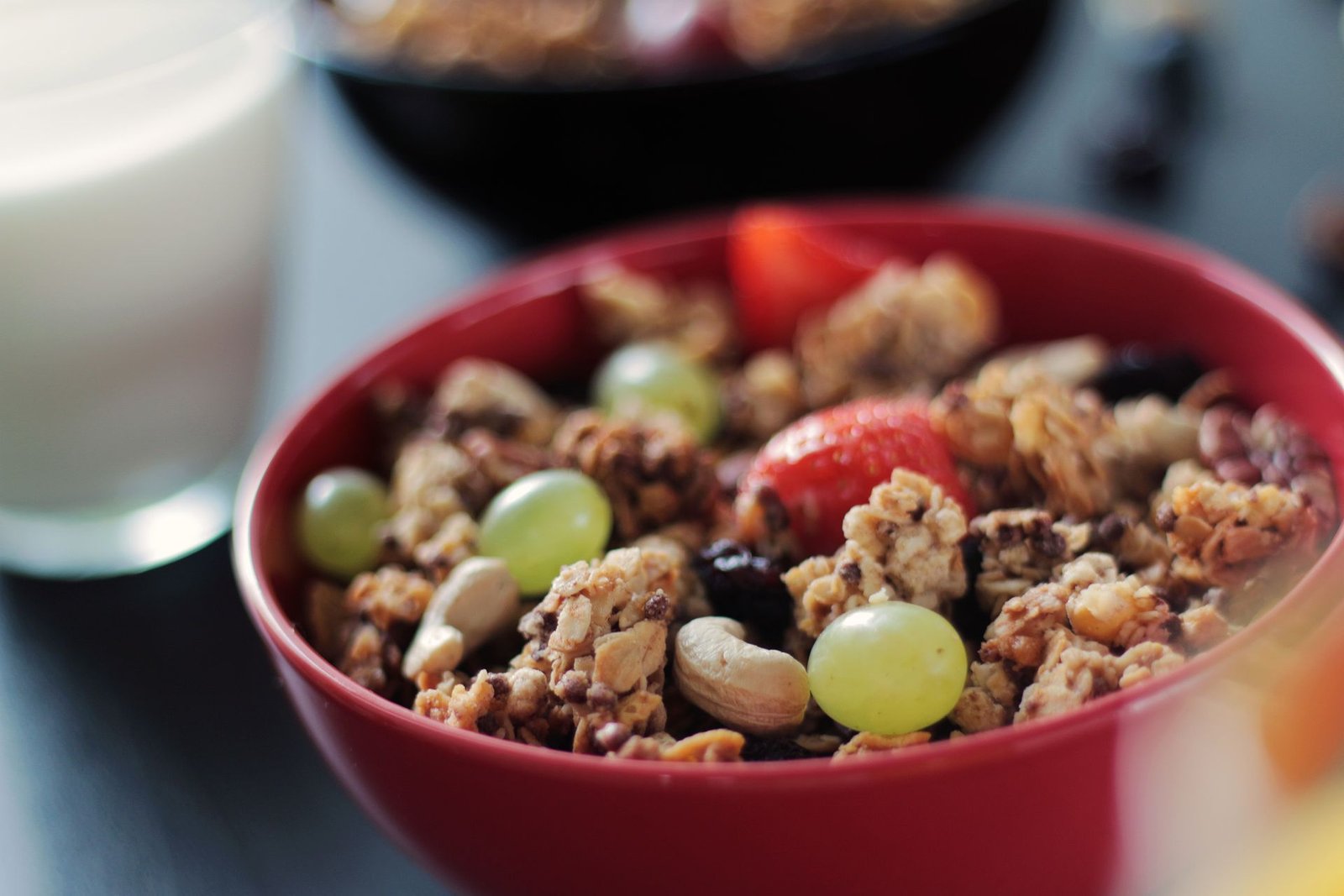
Prunes and prune juice are traditional foods often associated with digestive support. Prunes contain fibre and sorbitol, a naturally occurring sugar alcohol that may have a mild laxative effect for some people. Some people find a small portion of prunes in the morning, or a small glass of prune juice, helpful as part of a balanced diet. Others may prefer other fruits instead. A fibre-rich breakfast may be a useful place to start, such as oats with fruit, whole grain toast with nut butter and sliced banana, or yoghurt with berries and seeds.
Natural Remedies for Constipation With Fluids and Hydration
Natural Remedies for Constipation also include attention to fluids, because hydration may help keep stools soft and easier to pass. Water is the simplest choice, and many people find that drinking water regularly through the day supports digestion more comfortably than drinking a large amount all at once. Carrying a water bottle, keeping water nearby during work, and drinking a glass of water with meals may help build a steady habit. Some people find that starting the day with a glass of water helps them feel more awake and supports a morning routine.
Fluid needs vary with age, activity, climate, and overall health, and there is no single amount that suits everyone. Thirst, urine colour, and general comfort may offer simple clues, although they are not precise measures. People with certain health conditions, or those who take medication that affects fluid balance, should follow professional advice about fluid intake rather than trying to drink large amounts on their own.
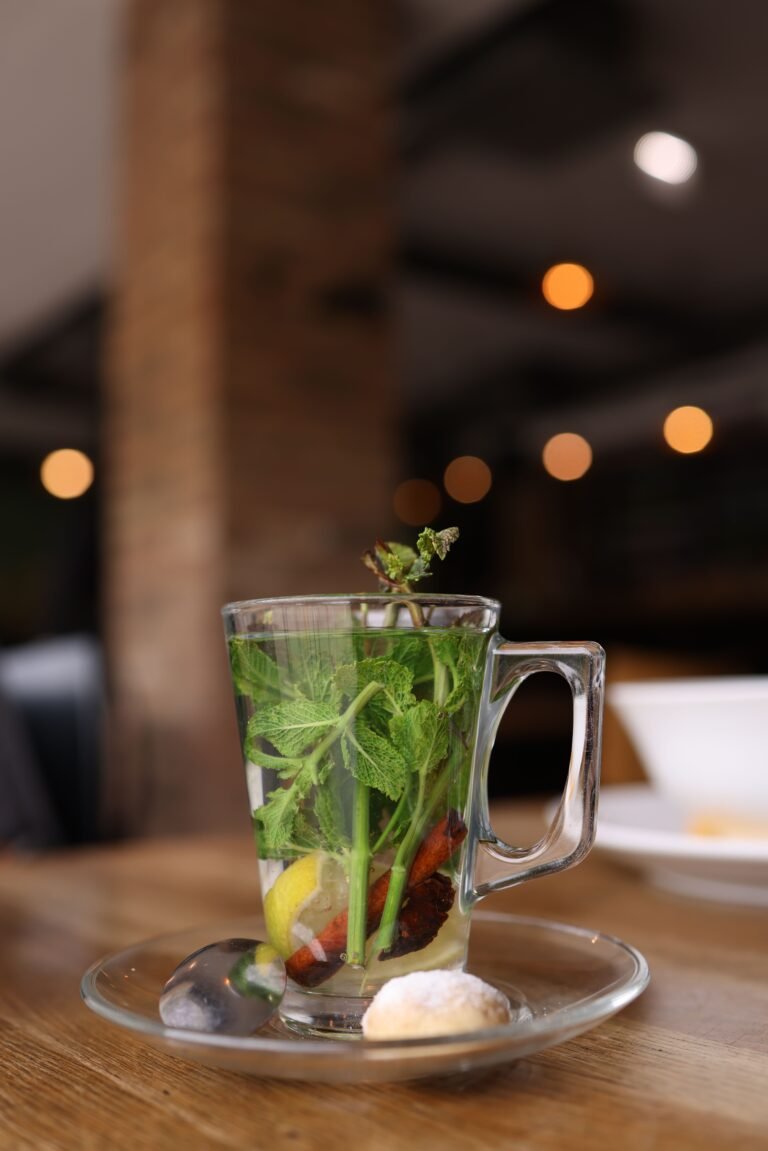
In addition to water, other fluids may contribute to hydration, including herbal teas, diluted fruit juice, milk, and soups. Warm drinks may feel soothing for some people, especially in the morning or in cooler weather. Herbal teas such as peppermint, chamomile, or ginger tea are often enjoyed for comfort, although their effects on digestion vary from person to person. Caffeinated drinks such as coffee and tea may have a stimulating effect on the bowel for some people, although they may also increase urination, so they are best enjoyed in moderation and balanced with water. Alcohol may contribute to dehydration for some people, and it may also disturb sleep, so limiting alcohol may support both hydration and digestive comfort. Soups, stews, and foods with a high water content, such as cucumbers, tomatoes, oranges, and berries, may also contribute to fluid intake.
Natural Remedies for Constipation Supported by Daily Movement
Natural Remedies for Constipation may be supported by daily movement, because physical activity may encourage the natural motion of the intestines. The gut has its own rhythm of contractions, sometimes called peristalsis, which moves food and waste along the digestive tract. Gentle movement may help support this rhythm, while long periods of sitting still may be linked with sluggish digestion for some people. Movement does not need to be intense or strenuous to be helpful. Regular, moderate activity that fits a person’s fitness and health may be enough.
Walking is one of the simplest and most accessible forms of movement. A short walk after meals, a walk during a lunch break, or a gentle evening stroll may support digestion and may also help with mood, energy, and sleep.
Other gentle activities may include stretching, yoga, swimming, cycling, dancing, gardening, or light housework. Yoga poses that involve gentle twisting, bending, or abdominal breathing are sometimes described as supportive for digestion, although effects vary, and any movement should be comfortable and safe for the individual. People with joint problems, back pain, heart conditions, or other health concerns should choose activities that suit their condition and seek professional advice before starting a new exercise routine. Breaking up long periods of sitting may also help. Standing up, stretching, and walking around for a few minutes every hour may support circulation and digestion, especially for people who work at a desk. Movement should feel gentle and enjoyable, not forced or painful, and listening to the body, resting when needed, and building up activity gradually may be more helpful than pushing through pain.
Natural Remedies for Constipation Using Gentle Routine and Timing
Natural Remedies for Constipation may include a gentle routine and attention to timing, because the bowel often responds to regular patterns. Many people find that the urge to pass a stool is strongest after waking or after a meal, when the digestive system becomes more active. Responding to that urge promptly, rather than delaying or ignoring it, may help support regularity. Repeatedly delaying may make stools harder and more difficult to pass for some people, so allowing enough time for the toilet, without rushing, may be helpful.
Establishing a regular time for the toilet may be useful, even if there is no immediate urge. Some people find that sitting on the toilet for a few minutes after breakfast, in a relaxed way, helps train a routine over time. This should be done without straining, pushing hard, or sitting for a very long time. Straining may cause discomfort and may increase the risk of haemorrhoids for some people, so a relaxed approach is important. Using a small footstool to raise the knees slightly may help some people find a more comfortable position.
Eating meals at regular times may also support digestive rhythm. Skipping meals, eating very late at night, or eating at very different times each day may disturb digestion for some people. Regular meals, with time to eat slowly and chew well, may help the digestive system work in a steadier way. Sleep routine may also play a part. Going to bed and waking at similar times, and allowing enough time for sleep, may support overall health and digestion. Travel, shift work, and changes in routine may temporarily disturb bowel habits, and planning ahead, by carrying water, choosing fibre-rich snacks, moving during breaks, and allowing time for the toilet, may help reduce disruption.
Kitchen Staples and Traditional Comforts for Digestive Ease
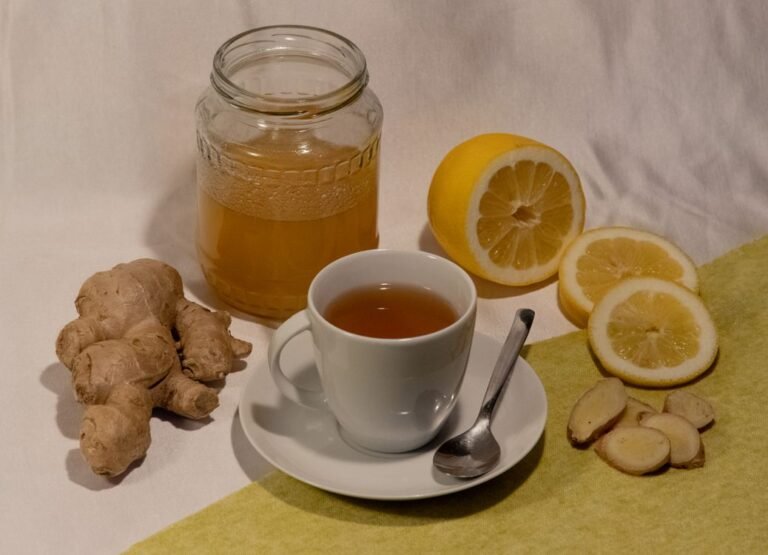
Kitchen staples and traditional comforts may offer gentle support for digestion, and many of them have been used in home cooking for generations. These foods and drinks are not medicines, and they should be enjoyed as part of a balanced diet rather than relied on as a cure. Ginger is one such staple, and it is often used in teas, soups, and cooking for its warming flavour and digestive comfort. Some people find ginger tea soothing after meals. Readers who would like to learn more about ginger and digestion may find the earlier article on this site helpful: Ginger Benefits for Digestion and Bloating Relief
Other kitchen staples that people often associate with digestive comfort include warm water with lemon, herbal teas, soaked seeds, and fermented foods. Herbal teas such as fennel, chamomile, peppermint, and ginger may feel calming, and they may be enjoyed without added sugar. Flaxseeds and chia seeds are rich in fibre and may help add bulk to stools when eaten with enough fluid. A small spoonful of ground flaxseed stirred into porridge, yoghurt, or a smoothie may be a simple way to include them. It is important to drink enough water with seeds, because dry seeds without fluid may cause discomfort for some people. Yoghurt and other fermented foods, such as kefir, may contain live cultures that some people associate with gut health. Plain yoghurt with fruit may be a gentle snack or breakfast option. A drizzle of olive oil on vegetables or salads may add flavour and may help meals feel satisfying. Kitchen remedies work best alongside fibre, fluids, movement, and routine, rather than on their own.
Stress, Sleep and Digestive Comfort
Stress, sleep, and digestive comfort are closely connected for many people. The gut and the brain communicate through nerves and hormones, and feelings of stress, anxiety, or tension may affect digestion. Some people notice that stress makes their bowel habits change, with constipation, bloating, or abdominal discomfort. Others notice that poor sleep or irregular sleep makes digestion feel worse. These links are personal and complex, and they do not mean that stress alone causes constipation, but they may help explain why digestion sometimes feels worse during difficult periods.
Gentle stress management may support digestion as part of overall wellbeing. Slow breathing, relaxation, meditation, prayer, journaling, spending time in nature, listening to music, or talking with a trusted friend may help some people feel calmer. Regular breaks during work, time away from screens, and activities that bring enjoyment may also help reduce tension. Sleep deserves attention as well. A consistent bedtime, a dark and quiet bedroom, limited caffeine late in the day, and a calm wind-down routine may support better sleep. Avoiding large, heavy meals close to bedtime may also help some people sleep more comfortably. If sleep problems are persistent, or if stress and anxiety are affecting daily life, professional support may be helpful. Feeling embarrassed or anxious about bowel habits is common, and a kind, patient approach to the body, with steady habits and professional support when needed, may be more helpful than strict rules or self-criticism.
Common Mistakes to Avoid With Natural Approaches
Common mistakes to avoid with natural approaches may help readers use home remedies safely and realistically. One common mistake is increasing fibre too quickly, in large amounts, without enough fluids. This may cause gas, bloating, cramping, or discomfort for some people. A gradual increase, with plenty of water, may be more comfortable. Another mistake is relying on a single food, drink, or supplement as a quick fix, while ignoring other factors such as fluids, movement, sleep, and routine. Digestion usually responds best to a combination of habits, rather than a single remedy.
Another mistake is using laxatives frequently without professional advice. Over-the-counter laxatives may help in the short term for some people, but frequent or long-term use may affect bowel function and may hide an underlying issue. People who feel they need laxatives often, or who have tried natural approaches without improvement, should speak to a healthcare professional or pharmacist for guidance. Ignoring warning signs is another mistake to avoid. Constipation that lasts for a long time, or that is accompanied by severe pain, blood in the stool, unexplained weight loss, vomiting, fever, or a sudden change in bowel habits, should be checked by a healthcare professional. Straining, sitting for a long time on the toilet, or forcing bowel movements may also cause discomfort and may increase the risk of haemorrhoids for some people. Finally, it is a mistake to expect instant results or to give up after a day or two. Natural approaches often take time, and the body may need several days or weeks to adjust to new habits.
Disclaimer
This article is educational information only, and it is not medical advice. The content is intended to provide general information about Natural Remedies for Constipation and everyday digestive habits, and it should not be used to diagnose, treat, or prevent any health condition. Readers should consult a healthcare professional before making major dietary changes, starting supplements or herbal products, or using laxatives, especially if constipation is persistent, if there is severe pain, blood in the stool, unexplained weight loss, vomiting, fever, or a sudden change in bowel habits, or if the reader is pregnant, breastfeeding, taking medication, or living with a health condition that affects digestion. A healthcare professional can provide personalised advice based on individual health, medication, and circumstances. If symptoms worsen, or if natural approaches do not help, professional support should be sought promptly.
Final Thoughts on Gentle Daily Relief
Natural Remedies for Constipation may offer a gentle path towards more regular digestion, when they are used patiently and consistently as part of a healthy lifestyle. Fibre-rich foods may help add bulk and softness to stools. Fluids may help keep stools easier to pass. Daily movement may support the natural motion of the gut. A gentle routine, with regular meals, time for the toilet, and attention to sleep and stress, may help the body develop a steadier rhythm. Kitchen staples such as ginger, herbal teas, seeds, and fermented foods may add comfort and variety, although they are best enjoyed as part of a balanced diet rather than relied on alone. The key is to start small, to introduce changes gradually, and to notice what feels helpful. A daily walk, a glass of water with meals, a fibre-rich breakfast, and a regular bedtime may seem simple, yet together they may make a real difference for many people. If constipation continues, worsens, or causes concern, professional advice is the safest next step.