Most skincare trends require a shopping list. A honey face mask requires a spoon. Honey has been used on skin for centuries — in ancient Egypt, in Ayurvedic practice, and in old-fashioned cold-cream recipes — and modern skincare science has caught up enough to explain why this sticky pantry staple keeps earning its place: it draws water into the skin, feels calming on irritated faces, and rinses away to leave skin noticeably softer.
This guide covers what a honey mask actually does, the basic method, the best ingredient pairings for different skin types, and the honest limits — because honey is a lovely moisturizing mask, not a miracle treatment, and your expectations should match what it can deliver.
Why Honey Works on Skin
It Is a Natural Humectant
Honey’s main skincare talent is that it attracts and holds water. Substances that do this are called humectants, and glycerin — the backbone of countless commercial moisturizers — is honey’s closest cosmetic cousin. Applied as a mask, honey pulls moisture toward the surface of the skin, which is why skin feels plumper and softer after rinsing. For dry or tight-feeling skin, this is the benefit you will notice most.
It Feels Calming on the Skin
Honey has mild antibacterial properties in its undiluted form (it is naturally low in water activity and slightly acidic, and it produces tiny amounts of hydrogen peroxide when diluted) and a long folk record for use on minor skin irritations. On the face, a honey mask feels soothing on skin that is dry, wind-chapped or mildly reactive. Note the word “mild”: honey on the skin is a comfort measure, not a treatment for infections, eczema flares or stubborn acne.
It Gently Softens and Smooths
Honey contains trace enzymes and gluconic acid, a very gentle alpha-hydroxy acid. The effect is subtle — nothing like a real exfoliating product — but regular honey masks can leave the skin’s surface feeling smoother, simply because well-hydrated skin reflects light better and flakes lie flatter. That “glow” people report is mostly hydration doing its quiet work.
Raw Honey vs. Regular Honey for Your Face
Raw, unfiltered honey retains more of its trace enzymes and pollen compounds, and skincare enthusiasts generally prefer it. That said, plain regular honey from the grocery store still delivers the main event — humectant moisture — perfectly well. What matters more is the ingredient list: choose honey that is actually honey, not “honey-flavored syrup” with corn syrup first on the label. Darker honeys like buckwheat have stronger flavors and more antioxidants; lighter clover honey is the most neutral-smelling for facial use.
The Basic Honey Face Mask: Step by Step
- Step 1 — Patch test first if you have very sensitive skin or any bee or pollen allergy: dab a little honey behind your ear or on your inner wrist and wait a few hours.
- Step 2 — Start with clean, slightly damp skin. Wash your face with lukewarm water and a gentle cleanser, then pat mostly dry. Damp skin helps honey spread and amplifies the hydration effect.
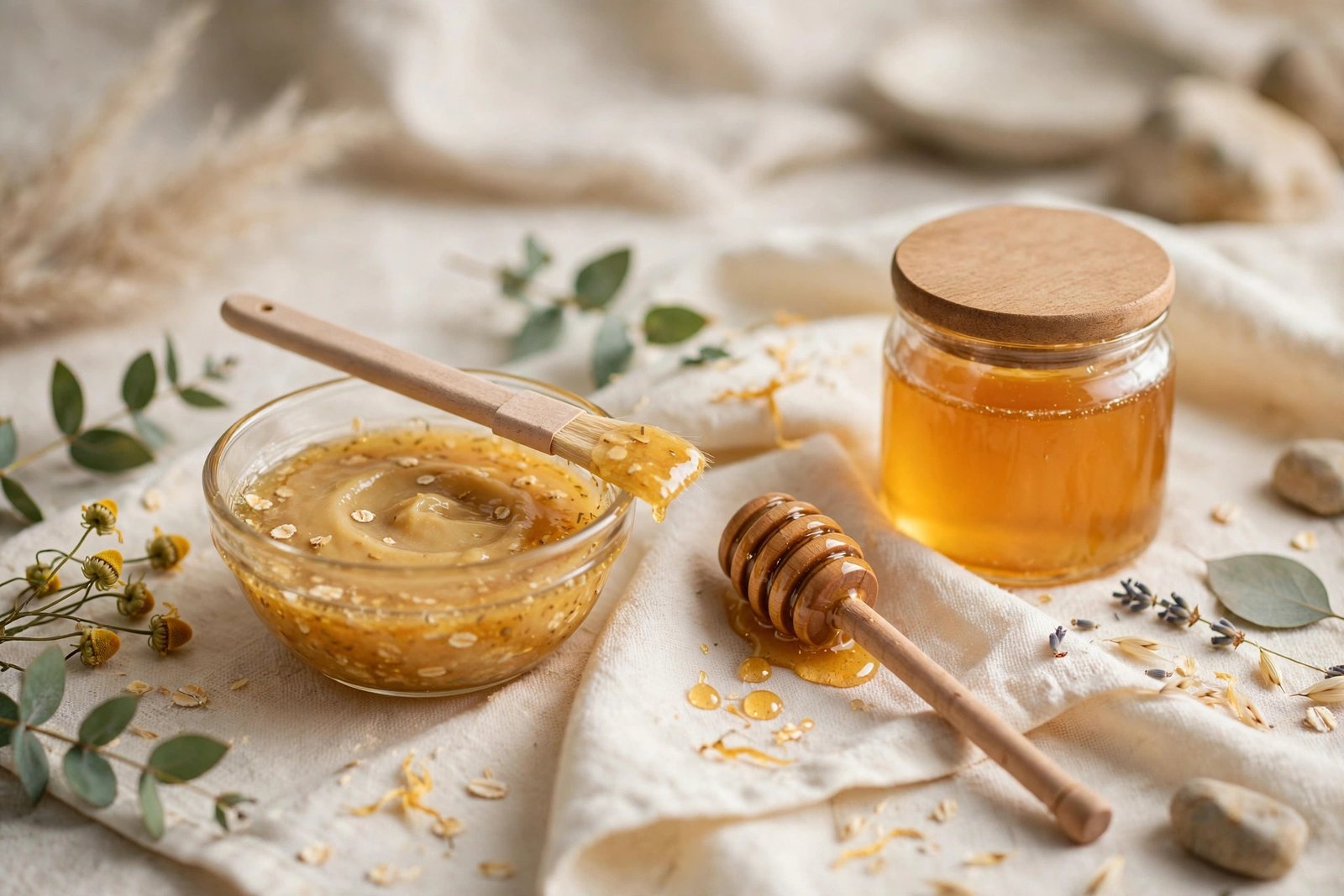
- Step 3 — Apply a thin layer. About 1 tablespoon of honey is enough for the whole face. Spread it with clean fingers, avoiding the eye area. Yes, it is sticky; that is normal.
- Step 4 — Leave for 15–20 minutes. Lie back if you can — honey slowly warms and can drip. A warm, damp washcloth draped over the face for the first few minutes feels wonderful and helps the mask sit comfortably.
- Step 5 — Rinse with lukewarm water, using gentle circular motions. Pat dry and follow with your usual moisturizer while the skin is still slightly damp.
Once or twice a week is a sensible rhythm for most skin types. More frequent use is unlikely to add benefit and can leave skin feeling overhandled.
Simple Variations for Different Skin Goals
Honey + Oatmeal for Dry, Sensitive Skin
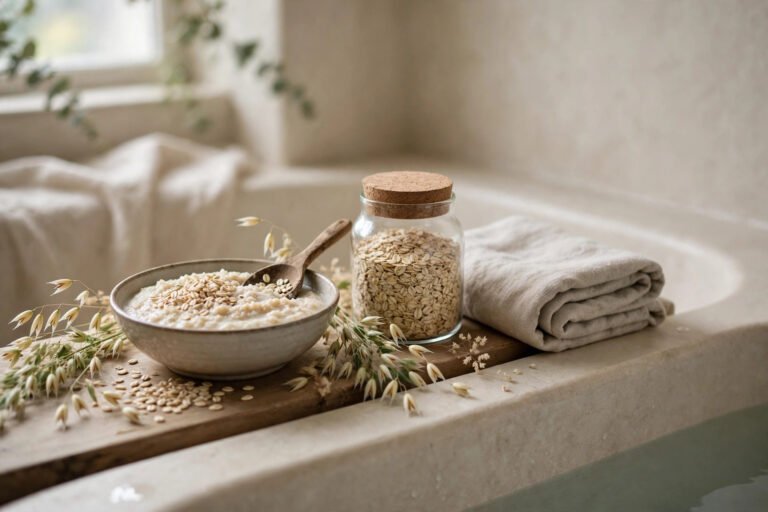
Mix 1 tablespoon of honey with 1 tablespoon of very finely ground oatmeal and a splash of warm water. This pairing adds oatmeal’s itch-calming reputation to honey’s moisture — the most comforting combination for dry, reactive faces, especially in winter.
Honey + Turmeric for a Brighter Look
Adding a small pinch (about ¼ teaspoon) of turmeric to honey is a traditional pre-event mask in South Asian households for a temporary brightened look. It genuinely can leave a yellow tint on fair skin for a few hours, so test it before anything important — our article on turmeric face mask benefits for glowing skin covers the staining issue and how to handle it.
Honey + Aloe for Sun-Stressed or Irritated Skin
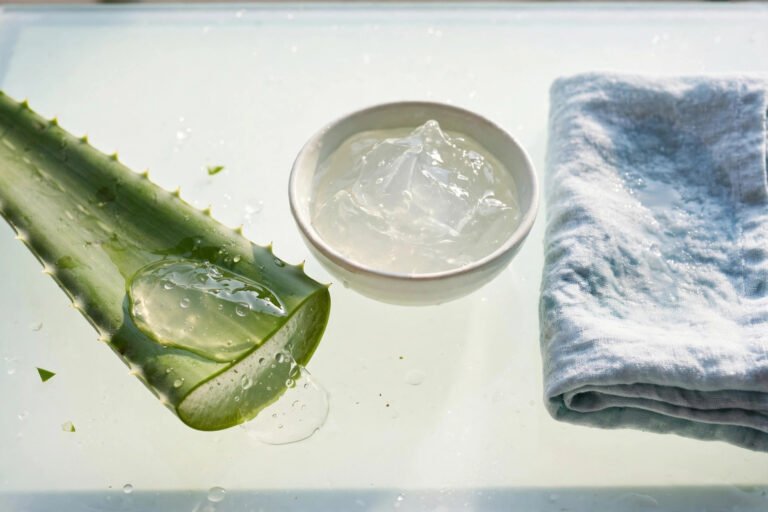
Stir equal parts honey and aloe vera gel for a lighter, cooling mask after a day outdoors. Aloe brings its own hydrating, soothing record, detailed in our guide to aloe vera benefits for skin healing and hydration. This version rinses especially clean and suits combination skin.
Honey for Spot Use on Dry Patches
A tiny dab of honey on a rough, flaky patch (not on broken or weeping skin), left for 20 minutes before rinsing, is a neat targeted trick between full masks. For ongoing breakouts, though, a dab of honey is not a strategy — our guide to natural remedies for acne and clear skin sets out a more complete, honest approach.
Who Should Be Careful
- Bee and pollen allergies: If you are allergic to bee stings or react to pollen, be cautious with raw honey on skin and always patch test first. Stop immediately if you feel burning, swelling or hives.
- Very oily skin: Honey is non-greasy and rinses clean, so most oily skin tolerates it well, but if your face feels coated afterwards, use a thinner layer or the honey + aloe version.
- Broken or infected skin: Medical-grade honey is used in wound care under professional supervision — that is not the same as kitchen honey on an open wound or an infected-looking blemish. Leave broken skin to a doctor.
- Expectations: A honey mask hydrates and softens. It does not remove wrinkles, cure acne or erase dark spots, whatever social media claims. Treat viral before-and-after claims with suspicion.
Making the Most of the Ritual
- Warm the honey slightly (a few seconds in warm water) if it has crystallized — liquid honey spreads far more easily.
- Tie your hair back. Obvious, learned by everyone exactly once.
- Use it as your evening mask. Skin repairs overnight, and moisturizing right after the mask locks in the benefit.
- Keep it simple. Honey plus one partner ingredient is plenty. Five-ingredient kitchen experiments increase the chance of irritation without increasing benefit.
Honey Mask vs. a Store-Bought Sheet Mask
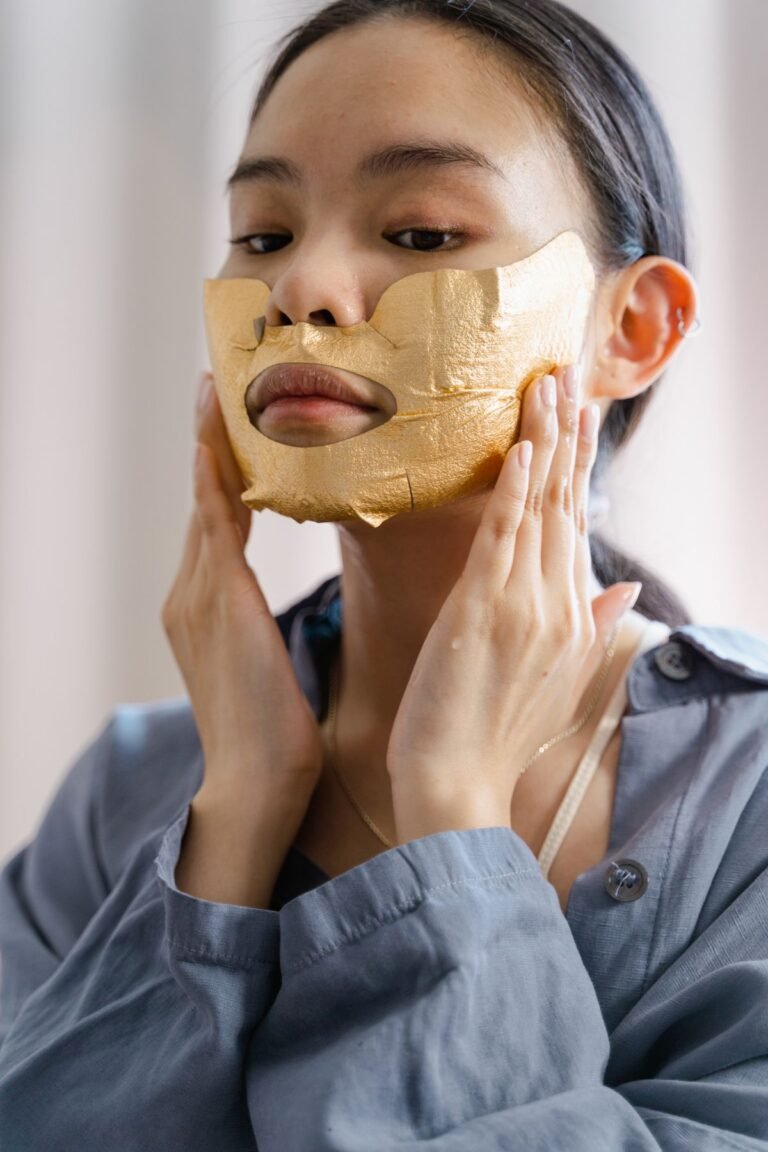
It is a fair question in the age of the $3 sheet mask: why bother with the sticky jar? A honey mask wins on simplicity — one ingredient, no fragrance, no preservatives, almost no cost per use — and on control, since you know exactly what is touching your face. A well-formulated sheet mask or cream mask wins on convenience and can add tested ingredients honey does not have, like ceramides or niacinamide. The two are not enemies; many people use honey as their gentle weekly staple and keep a purchased mask for specific goals. What honey cannot be beaten on is the low irritation risk — for skin that reacts to everything, one pure ingredient is a real advantage.
See a Doctor If…
- A rash, swelling or hives appear after using honey — signs of allergy.
- Acne is persistent, deep, painful or leaving scars.
- Dry patches crack, weep, crust over or look infected.
- A skin patch changes in size, shape or color, or a spot does not heal.
- Redness and irritation keep returning despite gentle care.
Medical Disclaimer
Disclaimer: This article is for general educational purposes only and is not medical advice. Honey face masks are a traditional cosmetic home practice for hydration and comfort; they do not diagnose, treat or cure acne, eczema or any other skin condition. If you have a persistent or concerning skin problem, consult a doctor or dermatologist.
Frequently Asked Questions
How often should I use a honey face mask?
Once or twice a week suits most people. Because honey is gentle, some people with very dry skin use it more often without trouble, but there is little extra benefit beyond twice weekly — consistency and moisturizing afterwards matter more than frequency.
Can I leave honey on my face overnight?
It is not a great idea: honey stays sticky, attracts lint and bedding to your face, and can drip into hair and eyes. Fifteen to twenty minutes gives you essentially all of the hydrating benefit. If you love the ingredient, look for a formulated overnight product containing honey instead.
Does a honey mask help with acne?
Honey’s mild antibacterial reputation makes it a reasonable gentle mask for acne-prone skin, and it will not clog pores the way heavy oils can. But it is not an acne treatment — persistent or severe acne needs proven ingredients and, often, a dermatologist. Use honey for comfort and hydration, not as your acne plan.
Is raw honey better than regular honey for a face mask?
Raw honey keeps more of its natural enzymes and trace compounds, and many people prefer it for skincare. For the main benefit — hydration — regular pure honey works well too. Either way, check the label says 100% honey, not honey-flavored syrup.
Can I use a honey mask if I have sensitive skin?
Usually yes — honey is one of the gentlest mask ingredients there is, which is why it suits dry, reactive skin. Patch test first, use plain honey without added ingredients the first time, and rinse at the first sign of burning or itching rather than pushing through discomfort.