It is 3 a.m. and you are jolted awake by a calf muscle that has locked into a hard, painful knot — the classic “charley horse.” Nighttime leg cramps are extremely common, especially after age 50, and while each one usually passes within a few minutes, those minutes feel endless and the lost sleep adds up.
The good news: there is a lot you can do. This guide covers what to do in the moment when a cramp strikes, the evening habits and stretches that make cramps less likely, what the evidence actually says about minerals and popular fixes like tonic water and pickle juice, and the warning signs that mean cramps deserve a doctor’s attention.
What Are Nighttime Leg Cramps?
A nocturnal leg cramp is a sudden, involuntary contraction of a muscle — most often the calf, sometimes the foot or thigh. The muscle feels rock-hard, and the pain can range from annoying to intense. Unlike restless legs syndrome, which is an urge to move the legs without a hard, painful knot, a true cramp is a muscle visibly and tangibly locked in spasm.
Common contributors include:
- Long periods of sitting or standing during the day
- Unusual exertion — a longer walk, a new workout, yard work
- Dehydration and hot weather
- Pregnancy, especially in the second and third trimesters
- Certain medications, including some diuretics (“water pills”) and asthma inhalers
- Sleeping with the toes pointed (plantar-flexed), which keeps the calf shortened for hours — the position high heels and tight tucked-in blankets can encourage
Often, no single cause is found, and cramps are simply a nuisance of an aging nervous system. That is worth knowing before you spend money on supplements.
What to Do When a Cramp Strikes
Stretch the Muscle — This Is the Main Fix
For a calf cramp, pull your toes up toward your shin (flex the foot upward) and hold. You can do this with your hands, by looping a towel or belt around the ball of the foot, or by standing and leaning into a wall with the cramped leg behind you, heel pressed to the floor. Stretching lengthens the muscle and signals it to release. It hurts for a few seconds, then the knot usually melts.
Walk and Massage
Once you can, stand and walk a few steps — weight-bearing helps switch the cramp off. Firm massage with your thumbs, kneading the hard spot, also helps and improves local blood flow.
Heat or Cold?
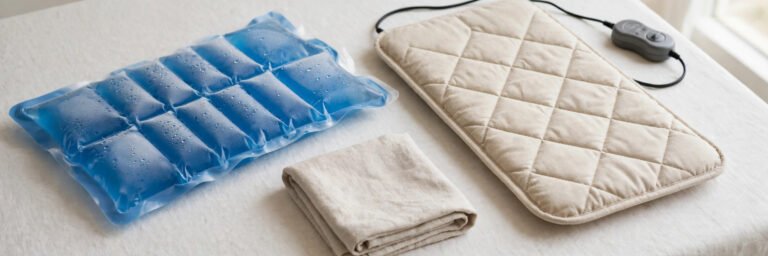
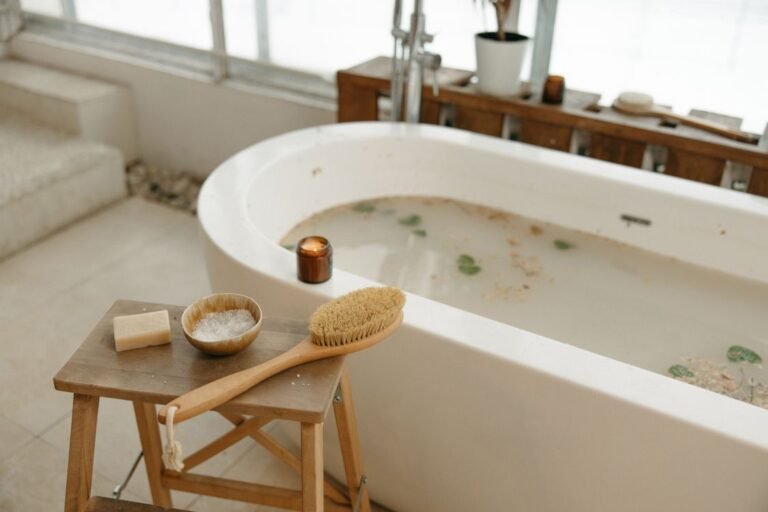
A warm towel or heating pad relaxes most cramping muscles; some people prefer a cold pack to dull the pain afterward. Either is reasonable once the cramp itself is releasing — experiment and keep what works for you. A warm bedtime drink can be part of the wind-down too; ginger tea is a traditional favorite, and our article on ginger benefits for digestion and bloating covers how to prepare it.
Preventing Night Cramps: The Evening Routine
Stretch Before Bed
The single best-supported home habit for night cramps is regular calf stretching. A simple routine, done nightly for a few weeks, reduces cramp frequency for many people in clinical studies:
- Wall stretch: Stand arm’s length from a wall, step one foot back, keep that heel down and lean in until you feel the calf stretch. Hold 20–30 seconds, repeat 3 times per leg.
- Towel stretch in bed: Loop a towel around the ball of your foot and gently pull toes toward you for 20–30 seconds, 3 times per leg.
Set Up Your Sleeping Position
- Keep blankets loose at the foot of the bed so your toes are not forced downward all night.
- If you sleep on your back, a small pillow under your knees — or letting your feet rest against a pillow so they stay flexed — keeps the calf in a neutral position.
- Side sleepers: avoid curling into a tight ball with toes pointed for hours.
Daytime Habits That Matter
- Hydrate steadily through the day rather than loading up right before bed (which just trades cramps for bathroom trips and broken sleep — see our guide to natural remedies for better sleep for building a full wind-down routine).
- Move regularly. Long, unbroken sitting — desk work, long drives — is a common cramp trigger. Stand and walk briefly every hour or so.
- Build up exercise gradually and include a cool-down with stretching after workouts.
- Check your footwear. Spending all day in high heels or completely flat, unsupportive shoes can both contribute.
Minerals, Foods and Popular Fixes: What Actually Holds Up?
Magnesium
Magnesium is the most marketed cramp supplement, but trials in older adults with night cramps have mostly found little benefit beyond placebo. It may help in pregnancy-related cramps, though the evidence is mixed there too. Food sources — leafy greens, nuts, beans, whole grains — are a sensible foundation. If you try a supplement, tell your doctor: magnesium can interact with some antibiotics and blood-pressure medicines, and too much causes diarrhea.
Potassium and Calcium
True deficiencies of potassium or calcium can cause cramps, but most people with night cramps have normal levels. Eating a varied diet with fruits, vegetables and dairy or fortified alternatives covers the bases. Do not start potassium supplements on your own — excess potassium is genuinely dangerous for people with kidney problems or on certain heart and blood-pressure medications.
Tonic Water and Quinine
Skip this one. Quinine was once prescribed for cramps, but regulators have warned against it because of rare but serious side effects (blood and heart rhythm problems), and the tiny amount in tonic water is not a treatment. This is a folk remedy to retire.
Pickle Juice and Mustard
Small studies in exercise-related cramps suggest a shot of pickle juice can shorten a cramp, possibly through a nerve reflex triggered by the strong sour taste rather than by replacing salts. A tablespoon of mustard is a similar locker-room tradition. Neither is well studied for night cramps specifically, and both are high in sodium — a real consideration if you watch salt for blood pressure. An occasional small amount is unlikely to harm a healthy adult, but don’t build your prevention plan on it.
Cramps During Pregnancy
Leg cramps are very common in the second half of pregnancy. The same stretching routine and in-the-moment foot-flexing apply. Gentle evening walks, staying hydrated, and not standing in one place for long stretches help. Mention frequent cramps at your prenatal visits — occasionally they flag a mineral issue worth checking — and ask before taking any supplement, including magnesium.
See a Doctor If…
- Cramps happen most nights, are getting worse, or regularly destroy your sleep despite stretching and habit changes.
- A cramp comes with muscle weakness, numbness, or the muscle stays sore and weak for days.
- One leg is swollen, red, or warm, especially with calf pain that doesn’t ease — this needs prompt medical attention.
- Cramps started after a new medication (diuretics, statins and some inhalers are common culprits) — do not stop the medicine, but do report it.
- You have diabetes, kidney disease, thyroid problems or circulation issues and cramps are frequent — these conditions change what is safe to try.
- Skin changes, sores, or hair loss appear on the lower legs along with cramps, which can signal circulation problems.
Medical Disclaimer
Disclaimer: The information in this article is for general educational purposes only and is not medical advice. Home remedies are not a substitute for professional diagnosis or treatment, and natural ingredients can still cause allergies or interact with medicines. Talk to your doctor about frequent, severe or changing muscle cramps, especially if you take regular medication.
Frequently Asked Questions
What is the fastest way to stop a leg cramp at night?
Stretch the muscle immediately: for a calf cramp, pull your toes up toward your shin and hold until the spasm releases, then stand and walk a few steps. Firm massage and warmth help afterward. Stretching works faster than any drink or supplement because it mechanically switches the contracted muscle off.
Why do leg cramps happen at night instead of during the day?
At night your muscles are inactive for hours and your feet usually rest in a pointed position, which keeps the calf shortened — a setup that makes a spontaneous cramp more likely. Daytime movement keeps resetting muscle length before a cramp can take hold.
Does magnesium really help night cramps?
For most older adults, studies show little to no benefit over placebo, even though it is widely sold for this purpose. It may help some people during pregnancy, with mixed evidence. Food sources are a safe foundation; supplements should be discussed with your doctor because of interactions and side effects.
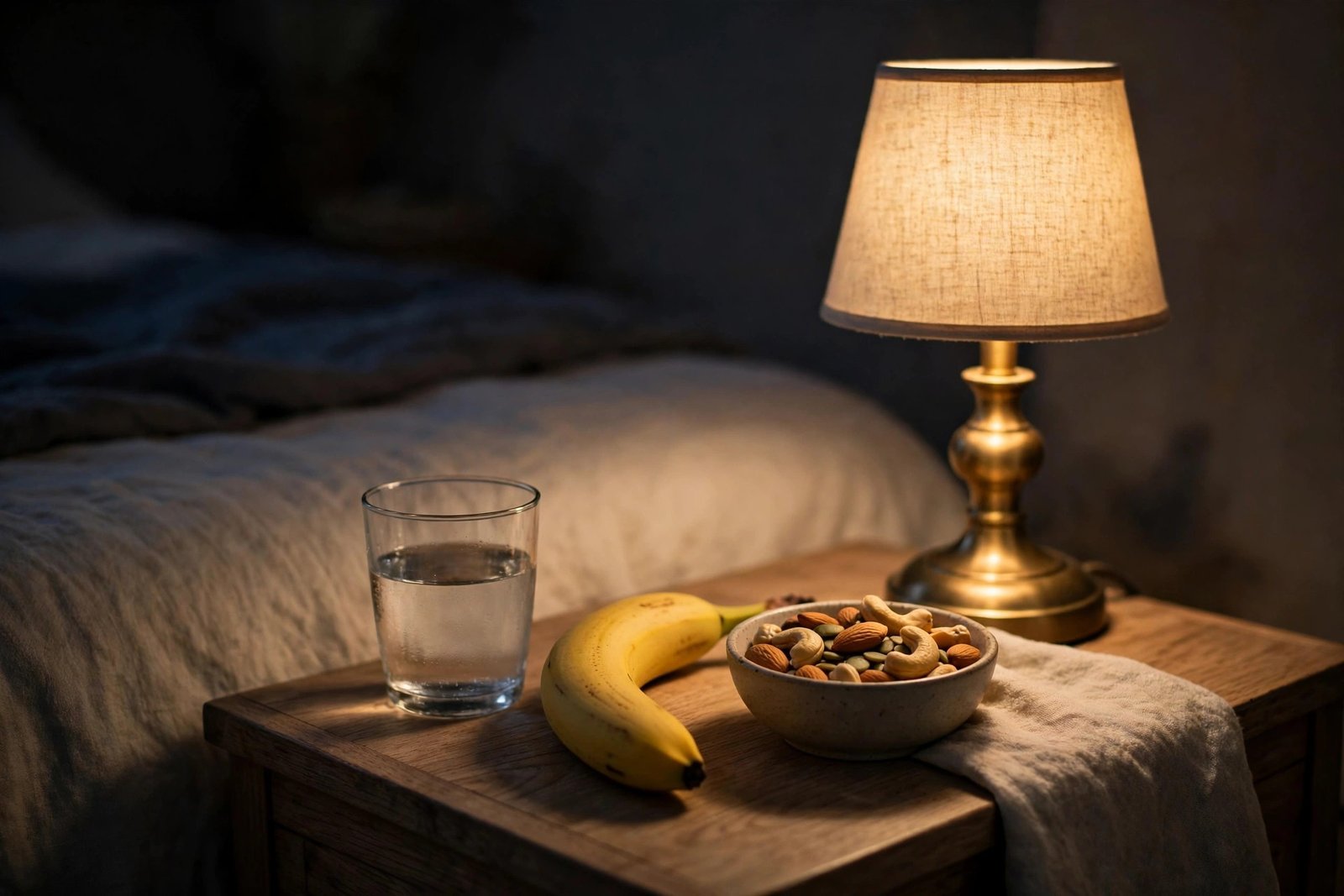
Is a banana before bed a real remedy?
A banana provides potassium, and if your diet is low in potassium it won’t hurt. But most night cramps are not caused by low potassium, so a banana alone rarely fixes them. The stretching routine and sleeping-position changes have much stronger support.
When should I worry that cramps are something more serious?
Worry if cramps come with one-sided leg swelling, redness or warmth; with muscle weakness or numbness; if they start right after a new medication; or if they happen most nights despite several weeks of stretching and habit changes. Those patterns deserve a medical workup rather than another home remedy.