Ginger water is about as simple as a home remedy gets: fresh ginger steeped or simmered in hot water, strained, and sipped warm. No powders, no supplements, no elaborate prep. Yet this plain drink has earned its popularity honestly — ginger is one of the best-studied kitchen remedies in the world, particularly for nausea and everyday digestive discomfort, and warm ginger water is the easiest way to get it into your routine.
This guide covers what ginger water can genuinely do, where the evidence is thinner than the hype, how to make it well (including the mistakes that make it harsh or weak), and who should be careful with it.
What Is Ginger Water?
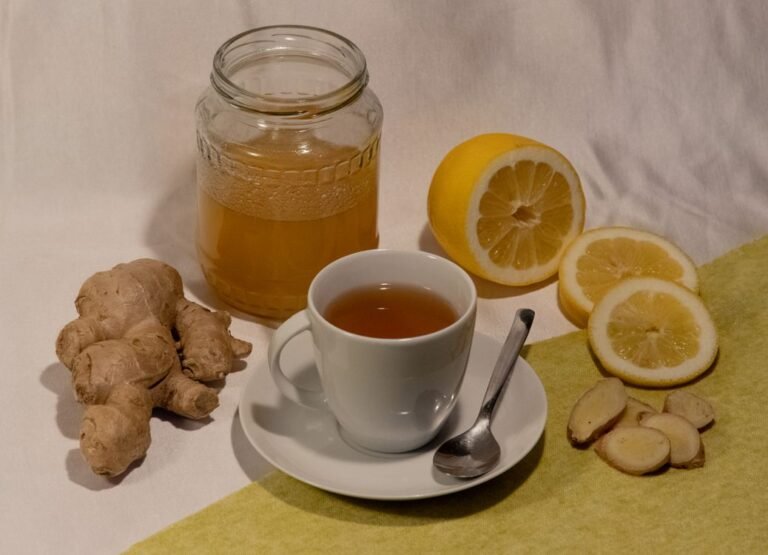
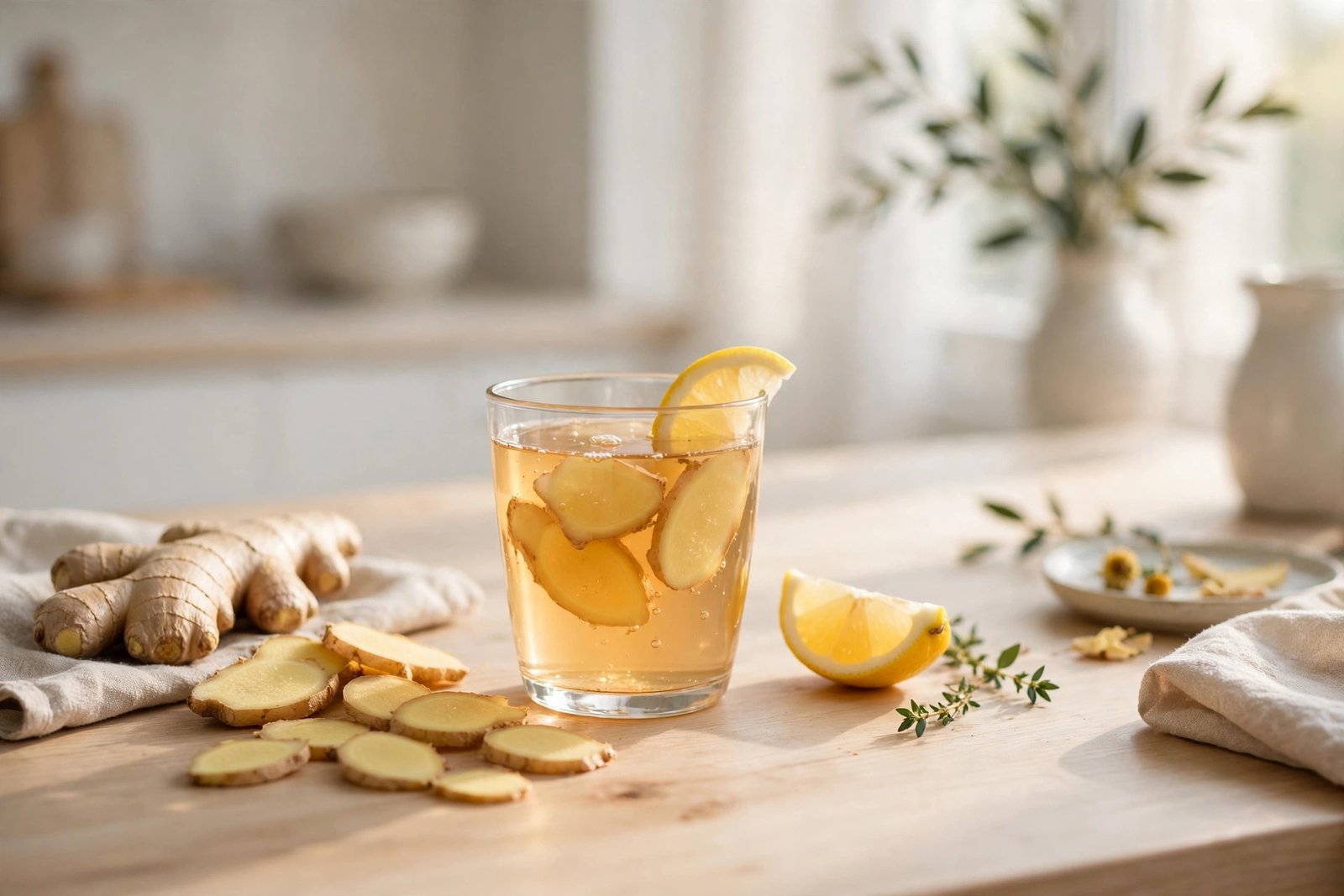
Ginger water is a light infusion of fresh ginger root in water, usually made with about an inch of sliced or grated ginger per large mug of water. It is sometimes confused with ginger tea; the difference is mostly one of strength and extras. Ginger tea is often stronger and may be brewed with tea leaves or spices, while ginger water is just ginger and water — sometimes finished with lemon or a little honey. Because it contains no caffeine and almost no calories, it works at any time of day, including first thing in the morning and after heavy meals.
The active compounds are the gingerols in fresh ginger, which give it both the heat and most of the studied effects. Drying and cooking convert some gingerols into shogaols, which are also active — one reason both raw and simmered preparations are traditionally used.
Benefit 1: Everyday Digestion Support
Ginger has a long-standing reputation as a digestive, and modern research offers a plausible mechanism: ginger appears to help the stomach empty a little more efficiently, so food moves along instead of sitting heavily. That “stuck,” overfull feeling after a rich meal is exactly where a small cup of warm ginger water tends to help most. We explore ginger’s digestive research in more depth in our guide to ginger benefits for digestion and bloating relief.
Practical timing matters more than quantity. A small cup (about 6–8 ounces) sipped slowly after a heavy meal works better than a large mug gulped on an empty stomach, which can irritate some people. If certain foods reliably leave you puffy and uncomfortable, keep our companion article on natural remedies for gas and bloating bookmarked as well — ginger water is one tool in that kit, not the whole kit.
Benefit 2: Nausea — Ginger’s Strongest Claim
If ginger has a headline benefit, it is nausea. Ginger has been studied for motion sickness, morning sickness in pregnancy, and nausea after surgery and during chemotherapy, and reviews of the evidence generally find a modest but real benefit for several of these — enough that ginger is one of the few traditional nausea remedies clinicians commonly accept as a reasonable first step for mild nausea.
Honest limits apply. Ginger water is weaker and less standardized than the ginger capsules used in most studies (typically around 1 gram of ginger), and it will not stop vomiting from food poisoning, stomach flu, or serious illness. For ordinary queasiness — a heavy stomach, travel, mild morning nausea — a small cup sipped slowly is a sensible, low-risk option. Persistent or severe nausea always needs medical attention, not another home remedy.
Benefit 3: A Better Morning Routine
Many people adopt ginger water as a morning ritual, and here the benefit is partly behavioral. Starting the day with a warm, unsweetened drink you made on purpose replaces the autopilot options — a sugary juice, a second coffee on an empty stomach — and pairs naturally with other simple morning habits like those in our guide to lemon water benefits. Ginger water and lemon water are often combined, in fact: lemon softens ginger’s bite and makes the drink easier to enjoy daily.
Does the morning timing itself matter? There is no special metabolic magic to 7 a.m. ginger. What matters is the consistency of the habit and what it displaces. If ginger water becomes your cue to eat a real breakfast, get some daylight, and start the day hydrated, it has done its job.
How to Make Ginger Water
The Basic Simmer Method (Best Flavor and Strength)
- Take about 1 inch of fresh ginger root (roughly a thumb-sized piece). Wash it well; peeling is optional.
- Slice it thinly or grate it — more surface area means a stronger drink.
- Add to 2 cups of water in a small pot, bring to a boil, then simmer gently for 10 minutes.
- Strain into a mug. Drink warm, as-is, or with a squeeze of lemon.
The Quick Steep Method
Pour freshly boiled water over grated ginger in a mug, cover, and steep for 10 minutes before straining. Covering matters: it keeps the aromatic compounds in your cup instead of in the air. This method is a little milder than simmering.
Simple Variations
- Ginger lemon water: add the juice of half a lemon after straining.
- Ginger honey water: stir in a teaspoon of honey once the drink has cooled slightly — soothing when you also have a scratchy throat, though it does add sugar.
- Iced ginger water: brew double-strength, chill, and serve over ice with mint for a caffeine-free afternoon drink.
Common mistakes: using old, dried-out ginger (weak and woody), boiling uncovered for a long time (bitter, flat flavor), and making it so strong it burns — a drink you dread is a habit you will drop.
How Much, and When?
One to two cups a day, made with a thumb-sized piece of fresh ginger each, is a reasonable household amount for most healthy adults. Research on ginger safety generally considers up to about 4 grams of ginger per day acceptable for adults — a cup or two of homemade ginger water sits comfortably below that. Start with one small cup daily for a week and notice how your stomach responds; ginger is stimulating for some people and soothing for others, and your own response is the best guide.
Cautions: Who Should Be Careful
- Heartburn: while ginger helps many stomachs, it can trigger reflux or a burning feeling in others, especially in large amounts on an empty stomach. If that is you, take it with food or skip it.
- Blood thinners and surgery: ginger may have mild blood-thinning effects. If you take warfarin or similar medication, or have surgery scheduled, discuss regular ginger use with your clinician.
- Pregnancy: modest amounts of ginger (food-level, around 1 gram a day) are commonly considered acceptable for morning sickness, but higher doses are debated. Stay at gentle, food-level amounts and check with your obstetric provider.
- Gallstones: ginger can stimulate bile flow, which may be a problem if you have gallstones. Ask your doctor first.
- Diabetes and blood pressure medication: ginger can modestly affect blood sugar and blood pressure, so daily use alongside these medications deserves a quick conversation with your doctor.
See a Doctor If…
- Nausea or vomiting lasts more than a day or two, or you cannot keep fluids down.
- Digestive discomfort is frequent, worsening, or comes with pain that wakes you at night.
- You notice unexplained weight loss, blood in vomit or stool, or black stools.
- You are pregnant and vomiting often, losing weight, or unable to stay hydrated.
- You take blood thinners or other daily medication and plan to drink ginger water every day.
Medical Disclaimer
Disclaimer: The information in this article is for general educational purposes only and is not medical advice. Home remedies are not a substitute for professional diagnosis or treatment. Ginger can interact with certain medications and is not suitable for everyone in large amounts. Talk to your doctor about persistent digestive symptoms or nausea, and before using ginger daily if you take prescription medication.
Frequently Asked Questions
Is ginger water better in the morning or after meals?
It depends on your goal. After meals is the most useful timing for digestion and that heavy, full feeling. In the morning, it works as a hydrating, caffeine-free ritual to start the day. There is no single “correct” time — the best time is the one you will stick with.
Can ginger water help me lose weight?
Only indirectly. Ginger water has almost no calories, and swapping it in for sugary drinks removes calories. Some small studies suggest ginger slightly increases feelings of fullness, but ginger water does not burn fat on its own. Any weight change will come from your overall eating pattern.
Can I drink ginger water every day?
For most healthy adults, one or two cups a day at household strength is fine for daily use. Keep total ginger intake moderate, and note the cautions above if you take medication, are pregnant, have gallstones, or find it triggers heartburn.
Fresh ginger or ginger powder — which is better?
Fresh ginger is the standard choice for ginger water: it has a brighter flavor and the gingerols most studies focus on. Powder works in a pinch (about ¼ to ½ teaspoon per cup) but tastes earthier and is harder to dose gently, so start small.
Why does ginger water sometimes upset my stomach?
Usually the dose or the timing. Very strong ginger water on a completely empty stomach irritates some people. Try a smaller piece of ginger, sip it slowly with or after food, and see if that settles things — if discomfort persists, ginger may simply not suit you.