If you have ever eaten at an Indian restaurant in the US, you may have noticed the small bowl of candy-coated seeds by the register. Those are fennel seeds, and the custom behind them is older than the restaurant itself: chewing a small spoonful of fennel after a meal to help digestion and freshen the breath. It is easy to dismiss this as just a tasty ritual, but fennel has a genuine track record in traditional herbal practice as a digestive seed, and modern research gives us a reasonable idea of why it helps.
This guide explains what fennel seeds actually do after a meal, the best ways to use them — chewed plain or brewed as tea — and the situations where you should be careful. The habit is simple, cheap and pleasant, but like every remedy on this site, it has honest limits.
What Are Fennel Seeds?
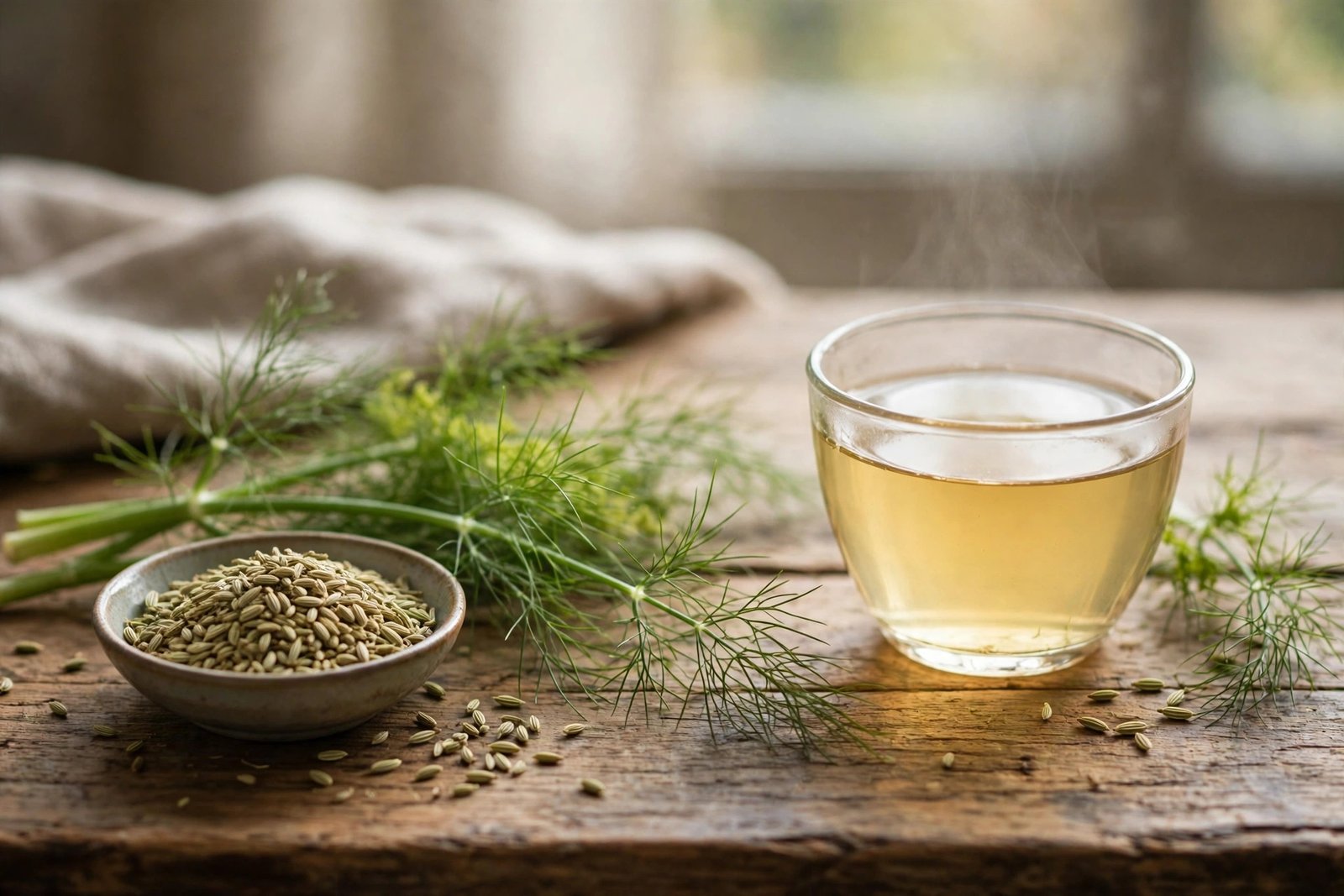
Fennel seeds are the dried seeds of the fennel plant (Foeniculum vulgare), a feathery herb in the same family as carrots, celery and parsley. The seeds are small, ribbed and greenish-yellow, with a sweet, mild licorice-like flavor that comes mainly from a compound called anethole. You will find them in the spice aisle of any large US grocery store, in Indian and Middle Eastern markets, and in bulk spice shops. A small bag costs very little and keeps for months in a sealed jar.
Fennel has been used around food for thousands of years — as a cooking spice, a flavoring for sausages and baked goods in Mediterranean cooking, and, in India, as the base of mukhwas, the after-meal seed mixes served to aid digestion and cleanse the palate.
Why Chew Fennel Seeds After a Meal?
They Are a Classic Carminative
In herbal terms, fennel is a carminative — a substance that helps the digestive tract move gas along and out, instead of letting it build up as pressure and bloating. The aromatic oils in the seed appear to relax the smooth muscle of the intestines slightly, which makes it easier for trapped gas to pass. That gentle effect is exactly what you want after a heavy meal, when the stomach feels tight and over-full.
They Freshen Breath at the Same Time
The same aromatic oils that help digestion also leave the mouth tasting clean and sweet. Chewing stimulates saliva, which itself washes away food particles and odor-causing bacteria. This is why fennel works on two levels as an after-meal habit: comfort in the stomach, freshness in the mouth.
They May Ease Mild Cramps and Fullness
Because fennel relaxes digestive muscle, it has traditionally been used for mild, crampy discomfort after eating — the kind of passing tightness many people get after a large or rich meal. Parents in some cultures have long given weak fennel tea for gassy discomfort, although, as the cautions below explain, concentrated fennel products for infants are a different matter and should only be used with a pediatrician’s guidance.
What the Evidence Says, Honestly
Fennel is one of the better-studied kitchen herbs. Laboratory and animal research supports its antispasmodic (muscle-relaxing) effect on the gut, and fennel is included in traditional-use herbal references in Europe for temporary bloating, gas and mild digestive cramps. Small human studies of fennel preparations — sometimes combined with other herbs — suggest modest benefit for uncomfortable fullness after meals.
What fennel does not do: it does not treat the cause of chronic digestive problems, it does not “detox” anything, and chewing seeds after every meal will not fix a condition like GERD, a stomach ulcer or gallbladder disease. Think of it as a gentle comfort habit, not a treatment. If reflux is your main issue, our guide to natural remedies for acid reflux and heartburn covers that problem in the depth it deserves.
How to Use Fennel Seeds After Meals
Method 1: Chew Them Plain
- Take about ½ to 1 teaspoon of fennel seeds after your meal.
- Chew slowly and thoroughly — the chewing itself releases the oils and stimulates saliva and digestive juices.
- Plain roasted or raw seeds are best. The sugar-coated restaurant version is tasty, but the added sugar makes it more candy than remedy; use it as a treat, not a daily habit.
Method 2: Brew Fennel Tea
- Lightly crush 1 teaspoon of seeds with the back of a spoon to release the oils.
- Pour over 1 cup of freshly boiled water, cover, and steep for about 10 minutes.
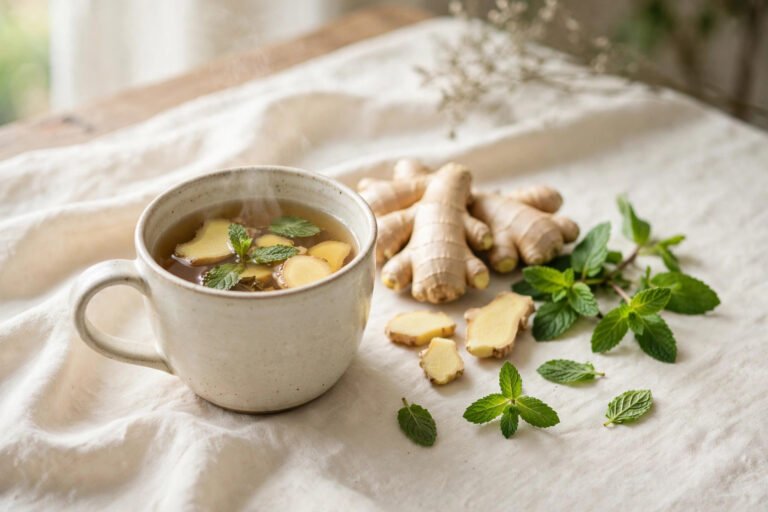
- Strain and sip warm after eating. A slice of fresh ginger can be added for extra warmth — ginger is another classic digestive, covered in our article on ginger benefits for digestion and bloating.
Method 3: Cook With Them
Fennel seeds also earn their place in cooking: toast them briefly in a dry pan and add them to lentil soups, roasted vegetables, tomato sauces or homemade sausage seasoning. You get a smaller digestive effect than chewing them directly, plus a lovely sweet-anise flavor in the food itself.
Fennel Seeds vs. Fennel Tea: Which Is Better?
Both work. Chewing the seeds gives you the fiber of the seed plus the oils, and it doubles as a breath freshener, so it is the more complete after-meal habit. Tea is gentler and more hydrating, and some people simply prefer a warm drink to finish a meal — if that sounds like you, our guide to peppermint tea benefits for digestion is worth reading alongside this one, since peppermint and fennel are the two classic after-dinner digestive drinks, and alternating them keeps the routine interesting.
Who Should Be Careful With Fennel
- Pregnancy: Normal culinary amounts in food are generally considered fine, but concentrated or large medicinal amounts of fennel — and especially fennel essential oil — are best avoided during pregnancy unless your doctor says otherwise, because of possible hormonal effects.
- Allergies: Fennel belongs to the carrot/celery family. People allergic to celery, carrots, mugwort or birch pollen can occasionally react to fennel too. Stop if you notice itching, swelling or hives.
- Essential oil is not the seed: Fennel essential oil is far more concentrated than the seeds or tea. Do not swallow it casually or give it to children; treat it like a medicine, not a food.
- Infants and young children: Weak fennel tea has a long folk history for gassy babies, but dosing for infants is genuinely tricky and some commercial preparations have raised safety questions. Ask your pediatrician first — this is not a DIY area.
- Hormone-sensitive conditions: Fennel has mild estrogen-like activity in laboratory studies. Culinary amounts are not a concern for most people, but if you have a hormone-sensitive condition and plan to use fennel supplements daily, discuss it with your doctor.
Practical Tips for Making It a Habit
- Keep them visible. A small jar of fennel seeds on the dining table or kitchen counter is the easiest reminder — habits stick when the cue is in sight.
- Roast them lightly. Two minutes in a dry skillet makes the seeds crunchier and brings out the flavor; let them cool before jarring.
- Check for freshness. Good fennel seeds smell sweet and aromatic when rubbed between your fingers. Old, dusty-smelling seeds have lost most of their oils — replace them every 6–12 months.
- Start small. If you are new to fennel, begin with ½ teaspoon after your largest meal and see how your stomach responds before making it an after-every-meal routine.
- Pair the habit with slower eating. Fennel helps, but eating more slowly, chewing properly and not overfilling the plate prevent most after-meal discomfort in the first place.
See a Doctor If…
- Bloating, gas or fullness after meals happens almost every day for more than a few weeks.
- You have unintentional weight loss, loss of appetite, or difficulty swallowing.
- You see blood in your stool, black stools, or you vomit repeatedly.
- Abdominal pain is severe, wakes you at night, or keeps getting worse.
- You are over 50 and develop new, persistent digestive symptoms.
Medical Disclaimer
Disclaimer: This article is for general educational purposes only and is not medical advice. Fennel seeds are a traditional food-based remedy for everyday digestive comfort; they do not diagnose, treat or cure any disease. If you have ongoing digestive symptoms or a medical condition, consult a doctor or another qualified health professional.
Frequently Asked Questions
How many fennel seeds should I chew after a meal?
About ½ to 1 teaspoon, chewed slowly, is the usual amount. More is not better — the goal is to release the aromatic oils, and a small handful does that without adding a meaningful amount of sugar or calories (especially if you skip the candy-coated kind).
Can I drink fennel tea every day?
For most healthy adults, a cup of fennel tea after a meal is fine as a regular habit. If you are pregnant, breastfeeding, or taking medication for a hormone-sensitive condition, check with your doctor before making any herbal tea a daily routine.
Do fennel seeds help with bad breath?
Yes, temporarily. The aromatic oils leave a clean, sweet taste, and chewing stimulates saliva, which helps wash away odor-causing bacteria. Fennel freshens breath after a meal, but persistent bad breath usually has a dental or medical cause worth checking.
Are fennel seeds the same as anise seeds?
No, though they are often confused because both taste licorice-like — anethole is present in both plants. Fennel seeds are larger, greener and milder; anise seeds are smaller and stronger. For the after-meal digestion habit, fennel is the traditional choice.
Can fennel seeds help me lose weight?
There is no good evidence that fennel seeds burn fat or cause weight loss. Some people find a cup of fennel tea a helpful replacement for an after-dinner dessert or sugary drink, which can support a weight goal indirectly — but that is about the habit, not the seed itself.