Dry, tight skin and cracked heels are among the most common skin complaints in the United States, the United Kingdom, Canada, and Australia, especially when cold weather, indoor heating, and frequent hand washing strip moisture from the skin. For centuries, people in West Africa have turned to a simple, single-ingredient answer: shea butter.
Shea butter benefits for dry skin have been recognised in traditional home care for generations, and modern dermatology now supports much of that reputation. Shea butter is a thick, creamy fat pressed from the nuts of the shea tree, rich in the fatty acids and vitamins that dry skin needs. It softens rough patches, seals in moisture, and helps the skin barrier recover. This article explains what shea butter is, how it helps dry skin and cracked heels, how to use it safely, and how to choose a good product.
What Shea Butter Is and Where It Comes From
Shea butter comes from the nuts of the shea tree, Vitellaria paradoxa, a slow-growing tree native to the dry savannah belt of West Africa, across countries such as Ghana, Nigeria, Burkina Faso, and Mali. In the communities where it grows, shea butter has been a staple of daily life for hundreds of years, used for cooking and for protecting skin from sun and wind, and it is often called “women’s gold” because its production is traditionally managed by women and provides an important source of income.
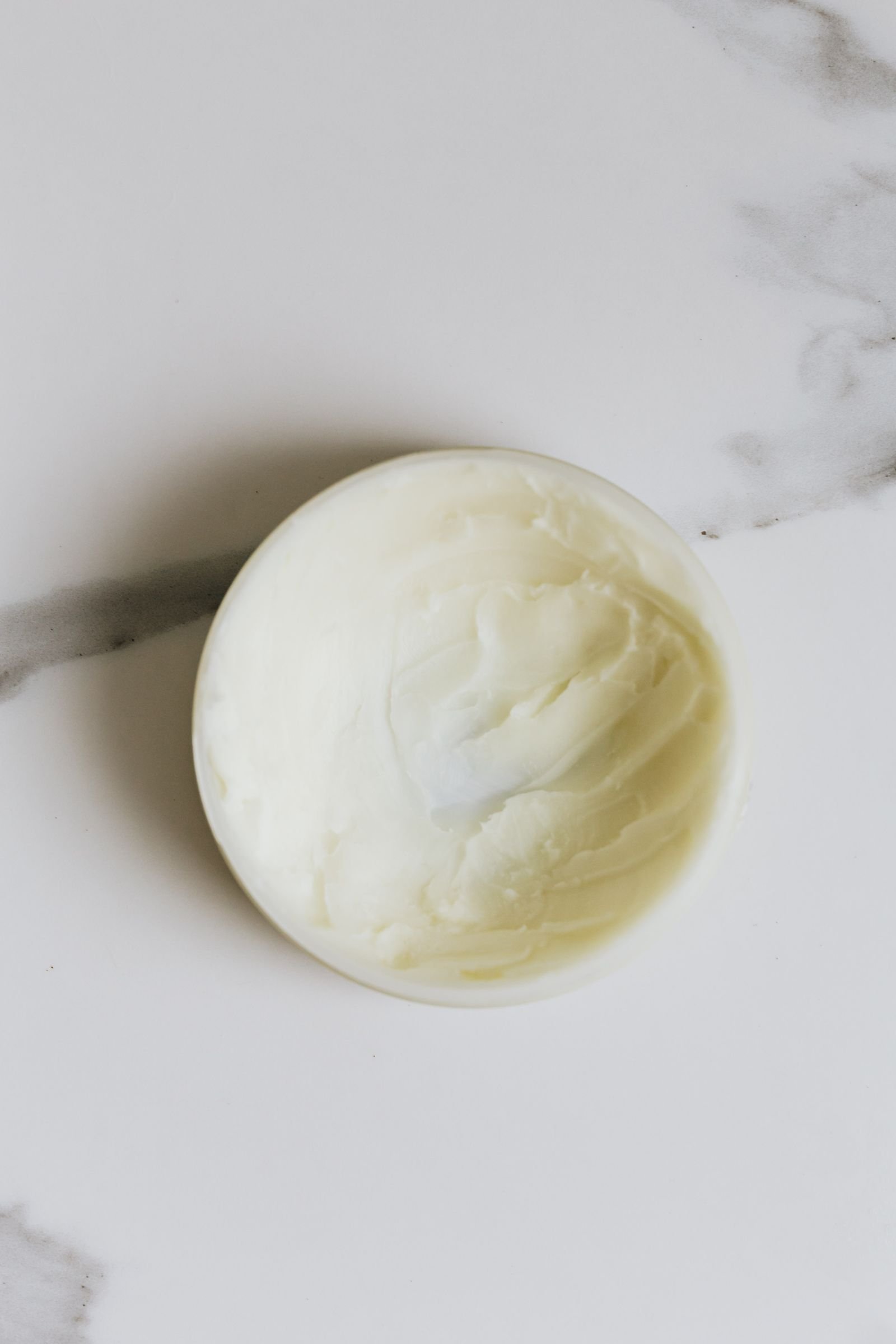
The butter is made by drying and crushing the nuts, then kneading the paste with water until the fat separates and rises to the surface. Traditional production is done entirely by hand, while larger producers use mechanical presses. The finished butter is solid at room temperature, ivory or pale yellow in colour, with a mild, nutty smell, and a small amount melts easily between warm palms into a smooth oil.
Shea butter is now found in moisturisers, lip balms, and body butters sold all over the world. The Cleveland Clinic describes shea butter as a skin care staple that is especially helpful for dry, reactive skin, and explains its benefits in detail at https://health.clevelandclinic.org/shea-butter-benefits
What Is Inside Shea Butter
Shea butter is valuable because of what it contains, and understanding its composition explains why it works so well on dry skin. The butter is made up mainly of fatty acids, the same kinds of fats that healthy skin uses to hold itself together. Oleic acid and stearic acid are the two most abundant. Oleic acid is easily absorbed and helps the butter spread smoothly, while stearic acid gives shea butter its solid texture and helps it form a protective layer on the skin. Smaller amounts of linoleic acid and palmitic acid are also present, and linoleic acid is one of the fats the skin barrier needs to stay strong.
Shea butter also contains natural vitamins. Vitamin E is present in useful amounts, mostly as alpha-tocopherol, the form of vitamin E with the strongest antioxidant activity. Vitamin A is present too, in smaller amounts. Shea butter also contains plant compounds called triterpenes, which are associated with its soothing effect on irritated skin, and cinnamic acid esters, which contribute to its mild anti-inflammatory character.
How Shea Butter Helps Dry Skin
Dry skin happens when the outer layer of the skin loses water faster than it can replace it. That outer layer works like a brick wall: skin cells are the bricks and the fats between them are the mortar. When the mortar is damaged by cold air, hot showers, harsh soaps, or age, water escapes, and the skin becomes rough, tight, flaky, and itchy.
Shea butter benefits for dry skin start with its occlusive action. When it is spread over the skin, it forms a thin, breathable layer that slows water loss from the surface, a process dermatologists call reducing transepidermal water loss. This is the same job that petroleum jelly does, but shea butter feels less greasy and brings vitamins and fatty acids with it. Because it is rich in fats that resemble the skin’s own lipids, it also helps refill the mortar between skin cells, which makes the barrier stronger over time rather than simply covering it up.
The effect is usually noticeable quickly. Rough elbows, knees, and shins feel smoother after a few applications, and flaking often improves within a week of regular use. Dermatologists advise that creams and ointments add more moisture than lotions for dry skin, and shea butter sits firmly on the richer end of that scale. Apply it while the skin is still slightly damp, within a few minutes of a shower, so it traps the water already on the skin surface.
Shea Butter Benefits for Cracked Heels
Cracked heels, sometimes called heel fissures, are one of the most stubborn forms of dry skin. The skin on the heels is thicker than anywhere else on the body, it bears the body’s full weight with every step, and it has very few oil glands of its own. When it dries out, it loses flexibility, and the pressure of walking splits it into cracks that can be sore, catch on socks, and in deeper cases bleed or become infected. People who stand for long hours, walk barefoot, wear open-backed shoes, or live in dry climates are most likely to develop them.
Shea butter benefits for dry skin extend naturally to cracked heels because the same barrier repair is needed there, only more of it. The thick, solid butter stays where it is put, which matters on the feet, where a runny lotion simply rubs off into socks. Applied generously to clean heels and massaged in, shea butter softens the hard, thickened skin, fills the small cracks with a protective layer, and keeps moisture in while the skin repairs itself underneath. Used every night, it can turn rough, sandpaper-like heels noticeably smoother within two to three weeks, and it helps prevent new cracks from forming.
Deep, painful, or bleeding cracks should be shown to a doctor or podiatrist, because they may need medical treatment and should not be treated with home remedies alone.
Shea Butter for Eczema Prone and Sensitive Skin
Many people with eczema-prone or sensitive skin look for moisturisers with short ingredient lists, and shea butter is often one of the first they try. Pure shea butter has a single ingredient, no fragrance, no preservatives, and no alcohol, which makes it a gentle option when the skin reacts to many products. In one small study often cited by dermatologists, shea butter performed better than a petroleum-based product at reducing eczema symptoms, which suggests it can be a genuinely useful part of an eczema skin care routine rather than only a pleasant extra.
That said, shea butter is not a treatment for eczema, and it does not replace prescribed creams or medical advice. Its role is supportive: keeping the skin barrier moisturised and comfortable between flare-ups. Anyone with eczema should patch test first, use it on calm skin rather than on broken or weeping areas, and talk to a doctor or dermatologist if the skin becomes worse. The same care applies to babies and young children, and a check with a paediatrician is wise for a baby with eczema or a known nut allergy.
How to Use Shea Butter for Dry Skin
Using shea butter well is straightforward, and a few small habits make a real difference. The butter is solid in the jar, so scoop out a pea-sized amount for the face or a coin-sized amount for a larger area, warm it between clean palms for a few seconds until it melts into a clear oil, and then press or massage it into the skin. A little goes a long way, and using too much leaves a greasy film that sits on the surface instead of absorbing.
For the body, the best time to apply shea butter is straight after a shower or bath, while the skin is still slightly damp. Pat the skin with a towel rather than rubbing it dry, then massage the melted butter over the arms, legs, and torso, paying extra attention to the elbows, knees, and shins, which dry out first. Repeat once or twice a day through the winter months, and continue for a week or two before judging the result, because barrier repair is gradual.
For the face, shea butter suits normal to dry skin best. A thin layer at night works as a rich night treatment, and it can also be used as a lip balm or on dry patches around the nose in cold weather. People with oily or acne-prone skin should be more careful, because shea butter is heavy and can clog pores for some people. The Cleveland Clinic notes that it may not be the best choice for acne-prone skin, so patch test on a small area first. Readers who want more ideas for dry, irritated skin can also read our guide to coconut oil for dry skin and eczema relief at https://99naturalhomeremedies.com/coconut-oil-benefits-for-dry-skin-and-eczema-relief/ and our article on oatmeal for sensitive skin and sunburn relief at https://99naturalhomeremedies.com/oatmeal-benefits-for-sensitive-skin-and-sunburn-relief/
A Simple Nightly Routine for Cracked Heels
A routine is easier to keep than a single tip, so here is a simple nightly routine for cracked heels that takes about fifteen minutes and uses only shea butter, warm water, and cotton socks. First, fill a basin with warm, not hot, water and soak the feet for ten minutes to soften the thick skin. Hot water feels good in the moment but strips more natural oil from the skin, so warm is better. Second, while the skin is still soft, gently rub the heels with a pumice stone or foot file, using light pressure and stopping well before the skin feels raw. The aim is to smooth the surface, not to remove living skin.
Third, pat the feet dry with a soft towel, leaving them very slightly damp. Fourth, take a generous amount of shea butter, about a teaspoon per foot, warm it between the palms, and massage it into the heels, the soles, and the sides of the feet for a minute or two. The massage itself helps, because it improves circulation and works the butter into the cracks. Fifth, put on clean cotton socks and leave them on overnight. In the morning, wash the feet as usual and apply a small amount of shea butter again before putting on shoes.
Do not file the heels aggressively or every day, because over-filing makes the skin grow back thicker; twice a week is enough. Do not use this routine on feet with open wounds, signs of infection, or diabetes-related foot problems. People with diabetes should never treat foot cracks at home without medical advice.
Simple Shea Butter Recipes to Make at Home
One of the pleasures of shea butter is that it is easy to turn into a personalised skin care product at home, with no special equipment. The simplest recipe is whipped shea butter, which turns the dense butter into a light, fluffy cream that is easier to spread. Take half a cup of raw shea butter, let it soften at room temperature, and whip it with a hand mixer for three to five minutes until it looks like frosting. A teaspoon of a light carrier oil such as jojoba oil can be added for a softer texture, and the result keeps in a clean jar at room temperature for several months. A drop or two of lavender essential oil can be added for scent, but essential oils should always be used sparingly.
A heel balm is the second useful recipe, and it is simply a richer version of the same idea. Melt a quarter cup of shea butter gently in a bowl set over warm water, never over direct heat, and stir in a tablespoon of coconut oil and a teaspoon of beeswax pellets. Pour the mixture into a small tin or jar and let it set. The beeswax gives the balm extra staying power on the heels, and the coconut oil adds glide. Use it in the nightly heel routine described above, and keep the tin by the bed so the routine is easy to remember.
Both recipes share the same rules. Use clean hands and clean jars, keep water out of the mixture, because water encourages mould, and store the finished product away from heat and sunlight. Buying small amounts and using them within a few months is the practical approach.
Shea Butter Compared With Other Moisturisers
Shea butter is not the only natural moisturiser, and it helps to know where it fits beside the alternatives. Coconut oil is lighter, absorbs faster, and smells pleasant, but it is thinner and does not form as strong a barrier, so it suits mildly dry skin and warm weather better than deep winter dryness. Our article on coconut oil for dry skin and eczema relief explains its strengths in detail at https://99naturalhomeremedies.com/coconut-oil-benefits-for-dry-skin-and-eczema-relief/ Cocoa butter is similar to shea butter in richness and is often preferred for its chocolate scent, but it is firmer, harder to spread, and more likely to feel heavy on the skin. Many people prefer shea butter simply because it melts and absorbs more easily.
Petroleum jelly is the strongest occlusive of all and the cheapest, and dermatologists often recommend it for very cracked skin. Its weakness is that it adds no vitamins or fatty acids and does nothing to nourish the skin barrier; it only seals it. Shea butter seals almost as well and feeds the skin at the same time.
How to Choose Good Shea Butter
Not all shea butter is the same, and the jar makes a difference. Raw, unrefined shea butter is the least processed form. It is ivory or pale yellow, has a mild nutty smell, and keeps the most of its vitamins and natural compounds. Refined shea butter is whiter, odourless, and smoother, because it has been filtered and deodorised, but some of its useful compounds are lost in the process. For home skin care, raw or lightly refined shea butter is usually the better choice, and the nutty smell fades quickly once it is on the skin.
Look for a label that says raw, unrefined, Grade A, or cold pressed, and check that shea butter is the only ingredient, or at least the first ingredient. A product that lists shea butter near the end of a long ingredient list contains very little of it. Grade A is the grade used for cosmetics and skin care; lower grades are used in food or industrial products and are not what you want for your skin. Store the jar in a cool, dry place away from sunlight, and use it within a year of opening for the best quality.
Precautions and Possible Side Effects
Shea butter is gentle, but it is not free of precautions, and knowing them keeps a good remedy safe. The most important one is the tree nut question. Shea butter comes from a tree nut, so people with a tree nut allergy often ask whether it is safe. The fats in shea butter contain very little of the protein that triggers nut allergies, and there is no published medical literature documenting an allergic reaction to shea butter applied to the skin, which is why dermatologists generally consider it low risk. Even so, anyone with a severe tree nut allergy should speak to their doctor or allergist before using it and should patch test first.
A patch test is simple: apply a small amount to the inside of the forearm and check after twenty-four hours for redness, itching, or swelling. Stop using shea butter if the skin becomes irritated, and wash it off with lukewarm water and a gentle cleanser.
Shea butter is not a sunscreen, even though it has a very low natural sun protection factor of around three or four, so it must never replace sunscreen. Keep shea butter away from open wounds, and do not apply it to skin that is infected, blistered, or weeping. Moisturiser belongs on intact skin, and broken skin needs medical care.
Common Questions About Shea Butter Use
Can shea butter be used every day. Yes, for most people daily use is fine, and it is often better than occasional use, because the skin barrier improves with consistency. Once or twice a day is enough for the body, and a thin layer at night is enough for the face. If the skin starts to feel greasy or spots appear, reduce the amount or use it less often.
How long does shea butter take to work. Most people notice softer skin within a few days, and flaking often improves within one to two weeks of regular use. Cracked heels take longer, usually two to four weeks of the nightly routine, because the skin on the heels is so thick. Deep cracks should be checked by a doctor rather than treated at home for months.
Is raw shea butter better than refined shea butter. For most home uses, yes. Raw shea butter keeps more of its vitamins and natural compounds, and it has no added processing. Refined shea butter is smoother and odourless, which some people prefer, but it is a little less rich in the compounds that make shea butter special. Either form moisturises well, so personal preference matters too.
A Simple Way to Start With Shea Butter
Shea butter benefits for dry skin are easiest to enjoy when the habit is simple, so start small. Buy a small jar of raw, unrefined shea butter, patch test it on the forearm, and use it for one week as a body moisturiser after the evening shower and as a heel treatment at night with cotton socks. Notice how the skin feels after a week: softer, less tight, less flaky. If the result is good, keep the habit through the dry months, and try one of the simple recipes above when you feel like it.
Shea butter will not fix every skin problem, and it is not a medicine. What it offers is a simple, affordable, time-tested way to care for dry skin and cracked heels, with a short ingredient list and a long history of safe use. Used regularly, applied to damp skin, and chosen well, it earns its place in the bathroom cupboard. If dryness persists despite good skin care, or the skin becomes cracked, bleeding, or infected, see a doctor or dermatologist, because persistent dry skin can sometimes be a sign of an underlying condition that needs proper treatment.
Disclaimer: This article is for educational purposes only and is not medical advice. The information provided here is general in nature and is not intended to diagnose, treat, cure, or prevent any disease. Always consult a qualified healthcare professional before starting any new skin care routine, especially if you have a skin condition, a nut allergy, diabetes, or you are pregnant or caring for a young child.