Thinning hair and a widening part line worry millions of people in the United States, the United Kingdom, Canada, and Australia. Hair changes can come from stress, hormonal shifts, poor sleep, or simply getting older, and many people would rather try a gentle, plant-based remedy at home before reaching for stronger treatments. In the last few years, one remedy has moved from the kitchen herb garden to the top of hair care conversations: rosemary oil.
Rosemary oil is made from the leaves of the rosemary plant, a fragrant evergreen herb long used in cooking and in traditional home care across the Mediterranean. Today it is sold as an essential oil, added to shampoos and scalp serums, and mixed into homemade hair treatments. Its rise is not only a social media trend. A small clinical study compared rosemary oil with a standard hair loss treatment and found similar results over six months, which gave the herb a new level of attention.
Rosemary oil is not a medicine, and it is not a guaranteed cure for hair loss. What it offers is a traditional, low-cost way to care for the scalp and the hair, a pleasant weekly ritual, and a remedy with some early scientific support behind it. This article explains what rosemary oil is, how it may help, what the research says, and how to use it safely.
What Rosemary Oil Is and How It Is Made
Rosemary, known botanically as Salvia rosmarinus and formerly as Rosmarinus officinalis, is a woody evergreen shrub native to the Mediterranean region. It grows wild on dry, sunny hillsides in Spain, Italy, Greece, and North Africa, and it is now grown in gardens all over the world. The plant has narrow, needle-like leaves with a strong, fresh, pine-like scent, and it has been used for thousands of years as a cooking herb, a fragrance, and a traditional remedy.
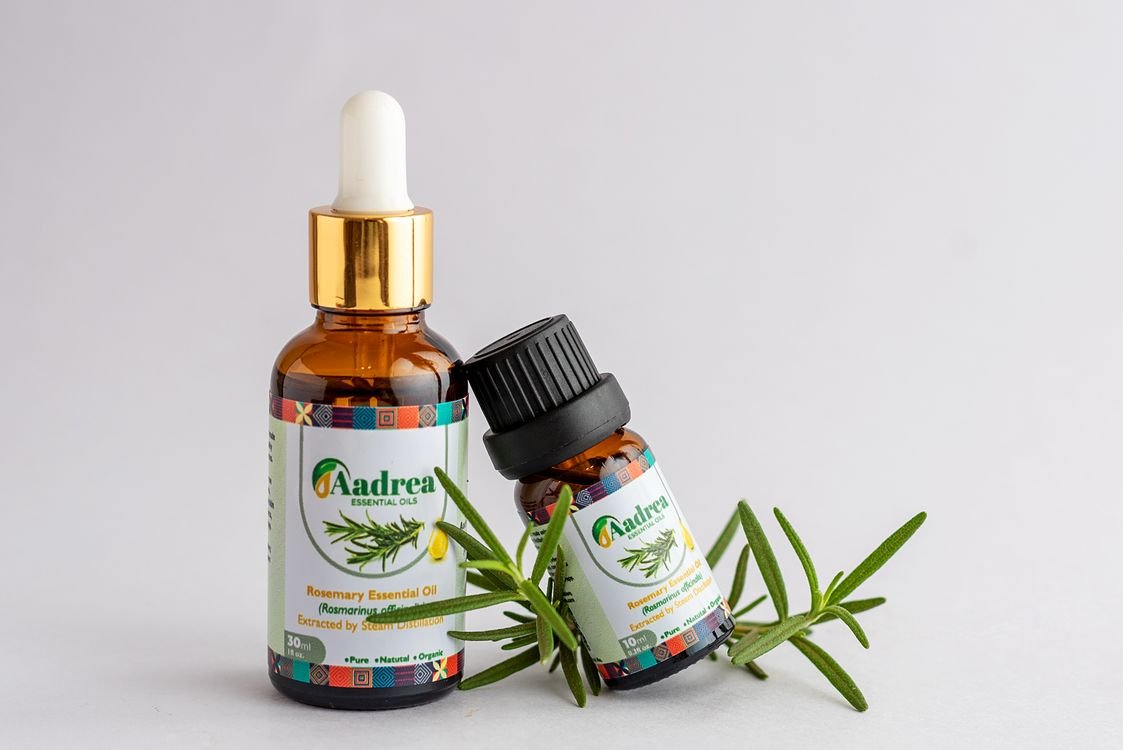
Rosemary essential oil is made by steam distillation. Fresh or dried rosemary leaves are placed in a still, steam is passed through them, and the aromatic compounds are carried away with the steam and then separated from the water. The result is a clear, pale yellow oil with a sharp, herbal, slightly camphor-like scent. A small bottle of rosemary essential oil is highly concentrated: a few drops go a long way, and the oil should never be applied to the scalp undiluted.
The oil contains several natural compounds that researchers study for their effects on the skin and the scalp, including 1,8-cineole, also called eucalyptol, camphor, and alpha-pinene, along with rosmarinic acid and carnosic acid, two antioxidant compounds found in the leaves. These compounds give rosemary oil its scent and its traditional reputation for stimulating the scalp. The National Center for Complementary and Integrative Health (NCCIH) provides a balanced overview of rosemary and its traditional uses at https://www.nccih.nih.gov/health/rosemary
How Rosemary Oil May Support Hair Growth
Hair grows from follicles, tiny structures in the scalp that produce each strand of hair. Each follicle cycles through growth, rest, and shedding, and most hair on a healthy head is growing at any time. When follicles shrink, spend less time growing, or become irritated, hair can look thinner and fall out more easily. Anything that supports a healthy scalp environment and healthy blood flow to the follicles may help hair look fuller over time.
Rosemary oil is thought to support hair growth in two main ways. The first is circulation. Massaging diluted rosemary oil into the scalp is believed to encourage blood flow to the hair follicles, bringing them more oxygen and nutrients. Good circulation matters because follicles need a steady supply of nutrients to keep producing strong hair.
The second way is through its anti-inflammatory and antioxidant activity. The scalp can become irritated by dryness, product buildup, stress, or skin conditions, and an irritated scalp is a poor environment for hair growth. The compounds in rosemary oil, particularly rosmarinic acid and carnosic acid, have antioxidant and anti-inflammatory activity in laboratory studies. Calming the scalp may help follicles stay in their growth phase for longer.
What Research Says About Rosemary Oil and Hair Loss
The study most often quoted about rosemary oil and hair growth was published in 2015 in the journal Skinmed. Researchers in Iran compared rosemary oil with minoxidil 2%, a standard over-the-counter hair loss treatment, in 100 people with androgenetic alopecia. Half used rosemary oil daily and half used minoxidil 2%. After six months, both groups showed a similar increase in hair count, and the rosemary oil group reported less scalp itching than the minoxidil group.
This study is encouraging, but it is only one study, and it was small. It looked at minoxidil 2%, which is the lower strength, and it lasted six months. It does not prove that rosemary oil is equal to stronger treatments, and it does not prove that rosemary oil works for everyone. Larger studies in different populations are still needed before firm claims can be made.
Laboratory studies have also shown that rosemary extracts can encourage hair follicle growth in cell and animal models. Cleveland Clinic has discussed rosemary oil for hair growth, noting that it may help with certain types of hair loss, that it should always be diluted, and that anyone with significant hair loss should speak to a dermatologist first. Readers who want a clear, medically reviewed summary can find it at https://health.clevelandclinic.org/rosemary-oil-for-hair-growth
The honest summary is this: rosemary oil has one small clinical trial showing results similar to minoxidil 2% over six months, plus laboratory evidence that its compounds may support the scalp and follicles. That is promising, but it is not the same as a guarantee. Judge it by your own results over three to six months, and see a doctor if hair loss is sudden, patchy, or severe.
Rosemary Oil for Scalp Health and Dandruff
Healthy hair starts with a healthy scalp, and rosemary oil is often used as a scalp treatment too. The scalp is skin, and like the skin elsewhere on the body, it can become dry, flaky, oily, or irritated. A scalp that is out of balance can make hair look dull and can make shedding worse.
Rosemary oil has natural antimicrobial activity in laboratory studies, which means it can help keep the microbes that live on the scalp in balance. One main cause of dandruff is an overgrowth of a yeast called Malassezia, which irritates the skin in sensitive people. While rosemary oil is not a dandruff medicine, its antimicrobial and soothing qualities may help a flaky scalp feel more comfortable when used regularly as part of a scalp care routine.
For persistent dandruff or an itchy scalp, rosemary oil can be combined with other gentle remedies. Aloe vera is widely used to soothe the scalp and support hair growth, and readers can learn more in our article on aloe vera benefits for hair growth and scalp health at https://99naturalhomeremedies.com/aloe-vera-benefits-for-hair-growth-and-scalp-health/ Our guide to natural remedies for dandruff and itchy scalp at https://99naturalhomeremedies.com/natural-remedies-for-dandruff-and-itchy-scalp/ covers other home options for a flaky scalp.
How to Use Rosemary Oil for Hair Growth
The most important rule with rosemary essential oil is dilution. Essential oils are concentrated plant extracts, and applying rosemary oil directly to the scalp without diluting it can cause irritation, redness, and itching. Always mix a few drops of rosemary essential oil into a carrier oil before use. Good carrier oils for hair include jojoba oil, which is close to the scalp’s natural oils, coconut oil, sweet almond oil, and argan oil.
A safe starting dilution is about three to five drops of rosemary essential oil per tablespoon, which is about 15 millilitres, of carrier oil. This gives a concentration of roughly one to two percent, which is the level used in most scalp care recipes. Sensitive skin should start with two or three drops.
Before the first full application, do a patch test. Put a small amount on the inside of the forearm, leave it for 24 hours, and check for redness or itching. If the skin reacts, do not use the mixture on the scalp. If there is no reaction, the mixture is likely safe to use.
The basic method is simple. Warm the diluted oil slightly first. Part the hair into sections and use the fingertips, not the nails, to massage the oil into the scalp for three to five minutes. After massaging, the oil can be left on the scalp for at least 30 minutes, or overnight for a deeper treatment, with a shower cap or an old towel protecting the pillow. Then wash the hair with a gentle shampoo, using two washes if needed to remove the oil fully. Two to three applications a week is a good routine, and consistency matters more than frequency.
DIY Rosemary Oil Hair Recipes
A simple scalp oil blend is the easiest way to start. Mix three tablespoons of jojoba oil or coconut oil with nine to twelve drops of rosemary essential oil in a small glass bottle with a dropper. Shake gently before each use. Apply a dropperful to the scalp, massage for a few minutes, leave for at least 30 minutes, and wash out.
A rosemary hair rinse is a lighter option for people who dislike oily treatments. Bring two cups of water to a boil, add a small handful of fresh rosemary sprigs or two tablespoons of dried rosemary, and let it steep until cool. Strain the liquid into a bottle and use it as a final rinse after shampooing, pouring it slowly over the scalp and hair and leaving it in rather than rinsing it out. The rinse is much milder than the essential oil, so it is suitable for frequent use, and it leaves a light herbal scent in the hair.
A shampoo boost is the simplest method of all. Add two or three drops of rosemary essential oil to the amount of shampoo used for one wash, mix it in the palm of the hand, and massage it into the scalp as usual. This method is less powerful than a scalp oil treatment, because the shampoo is rinsed out quickly, but it is easy to keep up.
Rosemary oil also combines well with other hair oils. Castor oil is a popular partner because it is thick and rich and is traditionally used for thicker-looking hair. Readers can learn more about it in our article on castor oil benefits for hair growth and thickness at https://99naturalhomeremedies.com/castor-oil-benefits-for-hair-growth-and-thickness/ A blend of one tablespoon of castor oil, two tablespoons of jojoba oil, and ten drops of rosemary oil makes a nourishing overnight scalp treatment. Onion juice is another traditional remedy often used alongside rosemary oil, and our guide to onion juice benefits for hair growth at https://99naturalhomeremedies.com/onion-juice-benefits-for-hair-growth/ explains how to use it without the smell lingering.
Rosemary Oil Compared With Minoxidil and Other Options
Many readers ask how rosemary oil compares with minoxidil, the most widely used over-the-counter hair loss treatment. Minoxidil is a medicine with a long history of use, and it works by widening blood vessels around the follicles and extending the growth phase of the hair cycle. It comes in 2% and 5% strengths and has been studied in large trials. Its side effects can include scalp irritation, itching, and unwanted hair growth on the face if it spreads there.
Rosemary oil is not a medicine, and it has not been studied as thoroughly as minoxidil. The 2015 study found similar hair count increases between rosemary oil and minoxidil 2% over six months, with less scalp itching in the rosemary group, but that is a single small study and it did not test the stronger 5% minoxidil. It requires patience and consistent use, and its results are less predictable.
The two options are not mutually exclusive. Some people use minoxidil as their main treatment and rosemary oil as a complementary step, but they should not be applied together without checking with a doctor or pharmacist. Others prefer to start with rosemary oil alone and move to a medicine only if they do not see results after six months. For readers dealing with general hair fall, our article on natural remedies for hair fall and thicker hair at https://99naturalhomeremedies.com/natural-remedies-for-hair-fall-and-thicker-hair/ covers home remedies in detail.
How Long Before You See Results
Hair grows slowly, about one centimetre a month on average, and the hair growth cycle takes months. This means that no hair remedy, natural or medical, can show real results in a week or two. The 2015 rosemary oil study measured results after three and six months, and the improvement in hair count was clearest at six months. Anyone trying rosemary oil should expect a similar timeline.
In the first month, the most likely change is in how the scalp feels: less dryness, less itching, and a healthier feeling scalp. By two to three months, some people notice less shedding and new fine hairs along the hairline. By four to six months, hair may look slightly fuller and thicker, especially if the routine has been kept up consistently. If there is no improvement after six months of regular use, rosemary oil is probably not the right remedy for that person’s type of hair loss, and a dermatologist can help find the cause.
Who Should Be Careful With Rosemary Oil
Rosemary oil is generally considered safe for adults when properly diluted and used on the scalp, but some people should be careful. Pregnant women should avoid rosemary essential oil, because rosemary in concentrated form has traditionally been used as a uterine stimulant, and there is not enough safety data for its use in pregnancy. Breastfeeding women should also check with a doctor first. Children under six should not be exposed to rosemary essential oil, and older children should only use it in very low dilutions and with adult supervision.
People with epilepsy should be cautious, because rosemary oil contains 1,8-cineole and camphor, compounds that have been linked in rare cases to seizures in susceptible people. People with high blood pressure should also check with a doctor, because rosemary is traditionally thought to raise blood pressure, although the evidence for this from scalp use is limited. Anyone with a known allergy to plants in the mint family, which includes rosemary, lavender, mint, and sage, should do a patch test first or avoid it. Rosemary oil should never be swallowed, and it should never be applied to broken skin, open wounds, or near the eyes.
Common Mistakes to Avoid
The most common mistake is using rosemary essential oil without diluting it. Undiluted essential oil can irritate the scalp and cause redness and itching, and irritation can make shedding worse rather than better. Always dilute, always patch test, and start with a low concentration.
Another mistake is expecting fast results and giving up after two weeks. Hair growth is slow, and any remedy needs at least three months before it can be judged fairly. A related mistake is using the oil once and then forgetting it for weeks. A routine only works if it is repeated, so pick a schedule that is easy to keep, such as Sunday and Wednesday evenings.
Using too much oil is another common problem. A dropperful is enough for the scalp; soaking the whole head in oil does not help more and makes washing out difficult. Heat styling on the same day as an oil treatment can also cause problems, because oil plus high heat can damage the hair shaft. Keep oil treatments and heat styling on different days.
Finally, do not ignore sudden or patchy hair loss. Rosemary oil is for gradual, common thinning. Hair that falls out in patches, hair loss that starts suddenly, a sore or scaly scalp, or hair loss along with other symptoms such as fatigue or weight changes should be checked by a doctor, because these can be signs of a medical condition that needs treatment.
Frequently Asked Questions About Rosemary Oil for Hair
How often should rosemary oil be used on the scalp? Two to three times a week is a good routine for most people. Daily use is also possible, as in the 2015 study, but it can leave hair greasy. Consistency over months matters more than daily use.
Can rosemary oil be left on the hair overnight? Yes, diluted rosemary oil can be left on the scalp overnight with a shower cap or an old towel on the pillow. Wash it out with shampoo in the morning. People with sensitive skin should start with 30 minutes and build up to overnight use.
Does rosemary oil work for all types of hair loss? No. It has the most evidence for gradual pattern hair loss. It is unlikely to help hair loss caused by scarring, by autoimmune conditions such as alopecia areata, or by medical treatments, and those need a doctor’s assessment.
Can rosemary oil be mixed with coconut oil? Yes. Coconut oil is a popular carrier oil for rosemary oil scalp treatments. Use three to five drops of rosemary essential oil per tablespoon of coconut oil, warm it slightly, and massage it into the scalp.
Is rosemary water as good as rosemary oil? Rosemary water, made by steeping rosemary leaves in water, is much milder than the essential oil. It is pleasant and easy to use as a rinse, but it contains far lower concentrations of the active compounds, so it is best seen as a gentle scalp refresher rather than a treatment.
Can rosemary oil be used on coloured or treated hair? Diluted rosemary oil is generally safe on coloured hair, but it is best to apply it to the scalp rather than soaking the lengths, and to check with a hairdresser if the hair has just been coloured or chemically treated.
The Bottom Line on Rosemary Oil for Hair Growth
Rosemary oil is one of the most promising natural remedies for hair growth, with a long history of traditional use, a plausible mechanism, and one small clinical study showing results similar to minoxidil 2% over six months. It supports scalp health and may help circulation. At the same time, the evidence is still limited, results take months, and it does not work for everyone or for every type of hair loss.
The best approach is to treat rosemary oil as one part of a broader hair care routine: dilute it properly, massage it into the scalp two or three times a week, keep the routine going for at least three to six months, and combine it with a balanced diet, gentle hair care, and good sleep. See a dermatologist if hair loss is sudden, patchy, or severe, or if there is no improvement after six months.
Disclaimer: This article is for educational purposes only and is not medical advice. The information provided here is general in nature and is not a substitute for professional medical advice, diagnosis, or treatment. Always consult a qualified healthcare professional before starting any new treatment for hair loss or a scalp condition, especially if you are pregnant, breastfeeding, have epilepsy, high blood pressure, or a known allergy to plants in the mint family. If you experience irritation, a rash, or any unusual symptoms after using rosemary oil, stop using it and seek medical advice.