Few smells are as instantly recognisable as eucalyptus. One breath of its sharp, clean, camphor-like scent seems to cut through a blocked nose, and for generations people have reached for eucalyptus oil when a cold settles in the chest and the sinuses feel full. It is one of the most widely used essential oils in the world, found in chest rubs, cough lozenges, steam inhalers, and bath products, and its reputation as a breathing remedy is older than modern pharmacy.
A cold usually needs time more than anything else, and no oil can cure a viral infection or shorten it on demand. What eucalyptus oil can do is make the days of a cold more comfortable: the cooling vapour can make breathing feel easier, a warm steam inhalation can loosen thick mucus, and a gentle chest rub can soothe the tight, heavy feeling that comes with congestion. Used correctly, it is a simple, inexpensive home remedy. Used carelessly, it can irritate the skin, the airways, and small children, so the safety rules matter as much as the benefits.
What Eucalyptus Oil Is and Where It Comes From
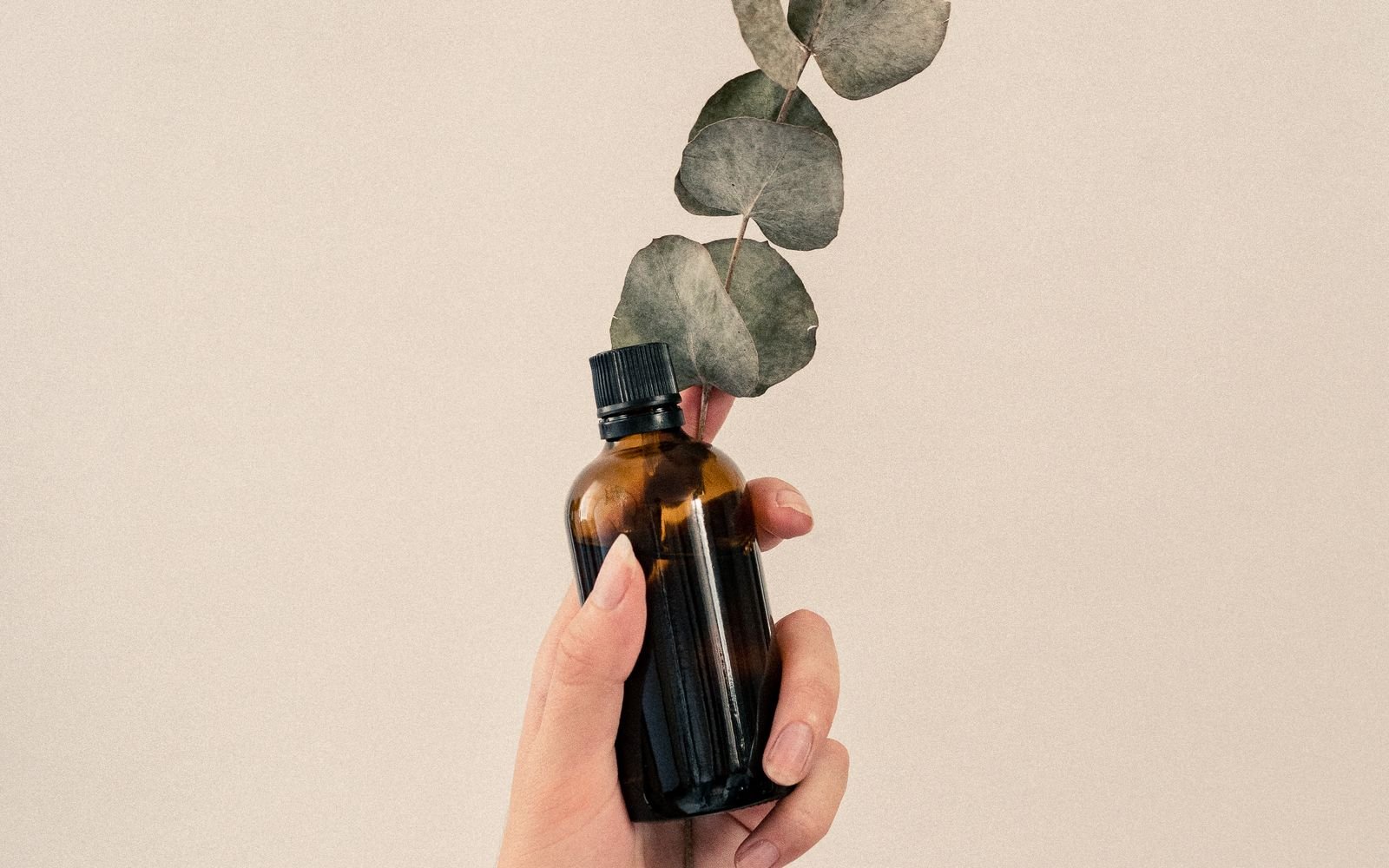
Eucalyptus oil is an essential oil steam-distilled from the leaves of eucalyptus trees, most commonly Eucalyptus globulus, also known as the blue gum tree. The trees are native to Australia, where Aboriginal peoples have used eucalyptus leaves for traditional remedies for a very long time, and they are now grown in many warm countries.
The oil is clear to pale yellow, with a strong, fresh, slightly medicinal scent. It takes a large quantity of leaves to produce a small bottle of oil, which is why genuine eucalyptus oil has a noticeable price even in small bottles, and why very cheap oils are often diluted or mixed with cheaper oils. A good oil should smell clean and sharp, not sweet or flat, and the label should name the botanical species, such as Eucalyptus globulus, and the country of origin.
The Active Compound Behind the Clear Feeling
The main active compound in eucalyptus oil is 1,8-cineole, also called eucalyptol. In a good quality oil it makes up most of the contents, and it is responsible for the sharp, cooling scent and much of the oil’s effect on the airways. When the vapour is breathed in, 1,8-cineole stimulates the cold receptors in the nose, which creates the sensation of cool air flowing freely, even though the nose may still be partly blocked.
This cooling effect is similar to the feeling produced by menthol, and it is one of the reasons eucalyptus feels so effective during a cold. The sensation of airflow improves even when the actual airflow changes only a little, which is still genuinely helpful: feeling able to breathe more easily makes it easier to rest and sleep. Some research has looked at whether 1,8-cineole helps thin mucus, but the evidence so far is limited and mixed. European regulators have recognised eucalyptus oil’s traditional use for relief of cough associated with the common cold, while noting that the evidence comes from long-standing use rather than strong clinical trials.
How Eucalyptus Oil Helps Congestion
Congestion happens when the tissues lining the nose and sinuses become swollen and produce extra mucus, usually in response to a cold virus. The swollen passages narrow, air moves less freely, and the feeling of being blocked can spread to the ears, the head, and the chest. Eucalyptus oil does not shrink swollen tissue or remove a virus, but it can help in three practical ways.
First, the cool vapour gives a strong sensation of open airways, which relieves the stuffy feeling and makes breathing feel less of an effort. Second, warm steam carrying eucalyptus vapour can help loosen thick mucus, making it easier to blow the nose and clear the chest. Third, the scent itself is stimulating and refreshing, which can lift the heavy, foggy feeling that comes with a cold.
Steam Inhalation With Eucalyptus Oil
Steam inhalation is the oldest and most effective way to use eucalyptus oil for congestion, because it carries the vapour directly into the nose and upper airways. It is also the method that needs the most care, since it involves hot water and a concentrated oil.
To prepare a steam inhalation, boil a kettle and pour the hot water into a large bowl. Let it cool for a minute so it is steaming but not violently bubbling, then add just two or three drops of eucalyptus oil. Sit comfortably, lean over the bowl at a safe distance of about 30 centimetres, and drape a towel over the head and the bowl to trap the steam. Breathe in slowly through the nose for five to ten minutes, keeping the eyes closed, since eucalyptus vapour can sting the eyes.
Two or three drops are enough. Adding more oil does not make the steam work better; it makes the vapour harsher, more likely to irritate the throat and eyes, and more likely to trigger coughing. One or two sessions a day during a cold is plenty, and the bowl should be placed on a stable surface where it cannot be knocked over. Never use steam inhalation with a child under ten years old, and never lean over boiling water. People with asthma should be cautious, because strong vapour can trigger an asthma attack in some people, so they should try a very small amount first or skip steam inhalation altogether.
Eucalyptus Oil Chest Rub for Colds
A chest rub is a gentler way to use eucalyptus oil, and it works through the night while a person sleeps. A small amount of diluted oil is massaged onto the chest and upper back, and the warmth of the skin slowly releases the vapour, which is breathed in over several hours.
Never apply undiluted eucalyptus oil to the skin. It is a concentrated essential oil and can cause irritation, redness, and a burning feeling, especially on sensitive skin. To make a chest rub, mix two or three drops of eucalyptus oil into a tablespoon of a carrier oil, such as coconut oil, sweet almond oil, or olive oil, or into a spoonful of plain petroleum jelly. Rub a small amount onto the chest and the upper back, and wash the hands afterwards so the oil does not accidentally get into the eyes.
Do not apply a chest rub to the face or near the nose of a baby or young child, and do not use it on broken or irritated skin. If any redness, itching, or discomfort appears, wash the area with soap and water and stop using the oil. A patch test is a sensible first step for anyone with sensitive skin: apply a tiny amount of the diluted oil to the inside of the forearm and wait a day before using it more widely.
Using a Diffuser for Clearer Breathing
An ultrasonic diffuser is a convenient way to fill a room with a light eucalyptus scent, and it is a good option for people who do not want to sit over a bowl of steam. Add water to the diffuser, then add three to five drops of eucalyptus oil, and let it run for 30 to 60 minutes in a bedroom or living room. The cool mist carries a gentle amount of vapour into the air, which can make the room feel fresher and breathing feel easier.
A diffuser should be used in a well-ventilated room, and it should not run all night in a closed bedroom. Too much vapour in a small closed space can irritate the nose, throat, and eyes, and can trigger coughing. It is best to run the diffuser for an hour before bed and then switch it off, or to use the timer setting if the diffuser has one. Eucalyptus oil should not be diffused in a room where a baby or young child is sleeping, and the room should be aired before a child enters it. Cats and dogs are also sensitive to essential oils, and a pet should always be able to leave the room if the scent bothers it.
Eucalyptus Oil for Sinus Pressure Relief
Sinus pressure is one of the most uncomfortable parts of a cold: a heavy, aching feeling across the forehead, behind the eyes, and in the cheeks, sometimes with a dull headache. Eucalyptus oil can help here mainly through steam and warmth, which encourage mucus to drain from the sinuses.
A warm compress is a simple approach. Add two drops of eucalyptus oil to a bowl of warm water, soak a clean cloth, wring it out, and place it over the forehead and the bridge of the nose for five to ten minutes. The warmth relaxes the area, the steam reaches the nose, and the pressure often feels lighter afterwards. A steam inhalation works in a similar way and is often the stronger of the two methods.
It helps to combine eucalyptus with other sinus-friendly habits: drinking enough water so mucus stays thin, keeping the air in the home from becoming too dry, and using a saline nasal spray or rinse. Readers who want a broader set of options can also read our guide to natural remedies for sinus congestion relief at https://99naturalhomeremedies.com/natural-remedies-for-sinus-congestion-relief/. Sinus symptoms that last more than ten days, get worse after first improving, or come with a high fever and severe facial pain may be a sinus infection rather than a simple cold, and they deserve a visit to a doctor.
Eucalyptus Oil for Sore Throat Comfort
A sore throat often arrives with a cold, and eucalyptus oil is sometimes suggested for it. The safest way to use it for throat comfort is through steam, not by swallowing it. Breathing warm eucalyptus steam can soothe an irritated throat and reduce the tickly feeling that triggers coughing, and the moist air itself is helpful for a dry, scratchy throat.
Eucalyptus oil should never be swallowed undiluted, and it should not be added to drinks or gargled in its pure form. Swallowing eucalyptus oil can cause nausea, stomach pain, and in larger amounts serious poisoning, so it must be kept well away from the mouth in its concentrated form.
For a sore throat, the most reliable home measures remain warm fluids, honey in warm water or tea for adults, rest, and keeping the air moist. Our guide to honey and ginger remedies for cough and sore throat at https://99naturalhomeremedies.com/honey-and-ginger-remedies-for-cough-and-sore-throat/ covers a warm drink that many people find genuinely soothing.
Eucalyptus Oil for Better Sleep During a Cold
Sleep is often the first thing a cold takes away. A blocked nose makes breathing noisy and uncomfortable, coughing wakes a person up, and the combination leaves them exhausted the next day. Eucalyptus oil can help make the night easier, though it cannot guarantee a full night of sleep.
A good evening routine is to run a diffuser with a few drops of eucalyptus oil in the bedroom for an hour before bed, then switch it off, and to apply a diluted chest rub before getting into bed. Sleeping with the head slightly raised on an extra pillow can also help mucus drain and reduce the blocked feeling.
What should be avoided is putting undiluted eucalyptus oil on a pillow, on bed linen near the face, or on a child’s bedding. The concentrated oil can irritate the skin and the eyes during the night, and the strong scent in a closed room can become overwhelming.
How to Dilute Eucalyptus Oil Safely
Dilution is the single most important safety rule for eucalyptus oil, and it applies every time the oil touches the skin. Essential oils are highly concentrated: a single drop contains the aromatic compounds of a large quantity of plant material, and applying them neat is asking for irritation.
For adults, a safe general dilution for a chest rub or massage is about two to three drops of eucalyptus oil per tablespoon of carrier oil, which is roughly a one to two percent dilution. Good carrier oils include coconut oil, sweet almond oil, jojoba oil, or olive oil. For a bath, add three to five drops to a tablespoon of carrier oil or to a cup of milk or Epsom salts first, then add the mixture to the bathwater, since oil added straight to water floats on the surface and can irritate the skin.
Always label any diluted mixture with its contents and the date it was made, and store it in a dark glass bottle away from heat and sunlight. Essential oils should be kept out of the reach of children at all times. A bottle of eucalyptus oil looks harmless, but swallowing even a small amount can be dangerous for a child, and any accidental swallowing should be treated as an emergency.
Who Should Be Careful With Eucalyptus Oil
Eucalyptus oil is safe for most healthy adults when used as described in this article, but several groups should take extra care or avoid it altogether.
Children are the most important group. Eucalyptus oil contains 1,8-cineole, which can cause breathing problems in babies and young children. It should not be used on or near babies or children under three years old at all, and for children under ten it should be used only with a doctor’s guidance. Never apply eucalyptus oil to a child’s face, chest, or nose, and never diffuse it in a child’s bedroom.
People with asthma should be cautious. Strong scents and vapours can trigger an asthma attack in some people, and eucalyptus is no exception. Someone with asthma who wants to try eucalyptus should start with a very small amount in a well-ventilated room, stop immediately if breathing feels tighter, and keep their reliever inhaler nearby.
Pregnant and breastfeeding women should speak to a doctor before using eucalyptus oil, especially in the first three months of pregnancy, since safety data for essential oils in pregnancy is limited. People with epilepsy should also be careful, since there are reports of strong-smelling essential oils triggering seizures in people who are sensitive to them. Anyone with epilepsy, or anyone taking medication for a seizure disorder, should check with their doctor first. People with a known allergy to eucalyptus should avoid it; signs of an allergic reaction include a rash, itching, swelling, or difficulty breathing, and medical help should be sought at once if breathing is affected.
Common Mistakes to Avoid
The most common mistake is using too much oil. More drops do not mean more relief; they mean harsher vapour, irritated eyes and throat, and a greater chance of a headache or coughing fit. Two or three drops for steam and three to five for a diffuser are enough.
The second mistake is applying the oil undiluted to the skin, especially on the face, the chest of a child, or on broken skin. This is the fastest route to irritation and a rash, and it is easily avoided with a carrier oil. The third mistake is swallowing eucalyptus oil or adding it to drinks. This is dangerous and should never be done with an essential oil bought for external use. If anyone, especially a child, swallows eucalyptus oil, seek emergency medical help immediately and take the bottle along so the medical team can see exactly what was swallowed.
Other mistakes include diffusing the oil all night in a closed room, using it in a baby’s bedroom, and using eucalyptus as a substitute for medical care when symptoms are serious or getting worse. A home remedy should support recovery, not delay it.
Frequently Asked Questions
Can eucalyptus oil cure a cold? No, eucalyptus oil cannot cure a cold, because colds are caused by viruses and no oil can remove a virus from the body. It can make the symptoms more comfortable by easing the feeling of congestion, loosening mucus, and supporting rest, but the cold itself still needs time to run its course.
Is eucalyptus oil safe for children? Eucalyptus oil should not be used on or near babies or children under three years old, and many health authorities recommend avoiding it for children under ten. Older children can use very diluted preparations, but only with a doctor’s guidance, and the oil should never be applied to a child’s face or diffused in their bedroom.
How often can I use eucalyptus oil during a cold? One or two steam sessions a day, a diluted chest rub once or twice a day, and a diffuser session of 30 to 60 minutes are a reasonable routine for an adult during a cold. Using it more often or in larger amounts does not help more and increases the chance of irritation.
Can eucalyptus oil help with a cough? It can help with the tickly, irritated feeling that comes with a cold, especially through steam, which moistens the airways. It does not treat the cause of a cough, and a cough that lasts more than three weeks, produces blood, or comes with breathing difficulty should be checked by a doctor.
Important Disclaimer
This article is for educational purposes only and is not medical advice. The information here is general in nature and is not a substitute for professional medical advice, diagnosis, or treatment. Eucalyptus oil can support comfort during a cold, but it is not a treatment for colds, flu, sinus infections, asthma, or any other medical condition, and it does not guarantee relief from congestion or any other symptom. Always consult a qualified healthcare professional before using essential oils, especially if you are pregnant, breastfeeding, taking medication, living with asthma or epilepsy, or caring for a young child. If you experience persistent symptoms, such as a fever that does not settle, difficulty breathing, chest pain, or a cough that lasts more than three weeks, seek medical advice promptly.
For further reliable information on cold care, readers can consult the NHS guidance on the common cold at https://www.nhs.uk/conditions/common-cold/ and the Mayo Clinic guide to the common cold at https://www.mayoclinic.org/diseases-conditions/common-cold/symptoms-causes/syc-20351605.