When the days grow shorter and the air turns cold, many families in the United States and the United Kingdom reach for the same trusted home remedies they grew up with. Warm drinks, honey, rest, and a little extra care become part of daily life during cold and flu season. Among these traditional remedies, elderberry has quietly become one of the most popular choices in recent years. The small, dark purple berries of the elder tree have been used in folk medicine in Europe and North America for centuries, and today elderberry syrup, tea, and gummies are sold in health food stores every autumn.
Elderberry is not a medicine, and it is not a cure for colds or flu. What it offers is a traditional, food-based way to support the body during the cold season, along with warmth, comfort, and a simple daily ritual that many people find reassuring. This article explains what elderberry is, how it is traditionally used, how to prepare it safely at home, and who should be careful with it, so that readers can make an informed choice.
Elderberry and Its Long History in Home Remedies
The elder tree, known botanically as Sambucus nigra in Europe and Sambucus canadensis in North America, has been part of traditional home care for hundreds of years. In old European households, elderberries were cooked into syrups, wines, jams, and teas, and elderflowers were brewed into light, fragrant drinks in the spring. The berries were valued as a winter store cupboard food, something that could be preserved and used when fresh fruit was scarce and colds were common. In North America, indigenous communities also used elderberry as food and in traditional preparations, and early settlers adopted the practice from European herbal traditions.
Today, elderberry is one of the most widely sold herbal supplements in the United States, especially during autumn and winter. Its popularity has grown as more people look for gentle, plant-based ways to support their health during cold season. The National Center for Complementary and Integrative Health (NCCIH) provides a balanced overview of what is known about elderberry and where the evidence is still limited, and readers who want an authoritative summary can find it at https://www.nccih.nih.gov/health/elderberry
What Elderberries Contain and How They May Support Immunity
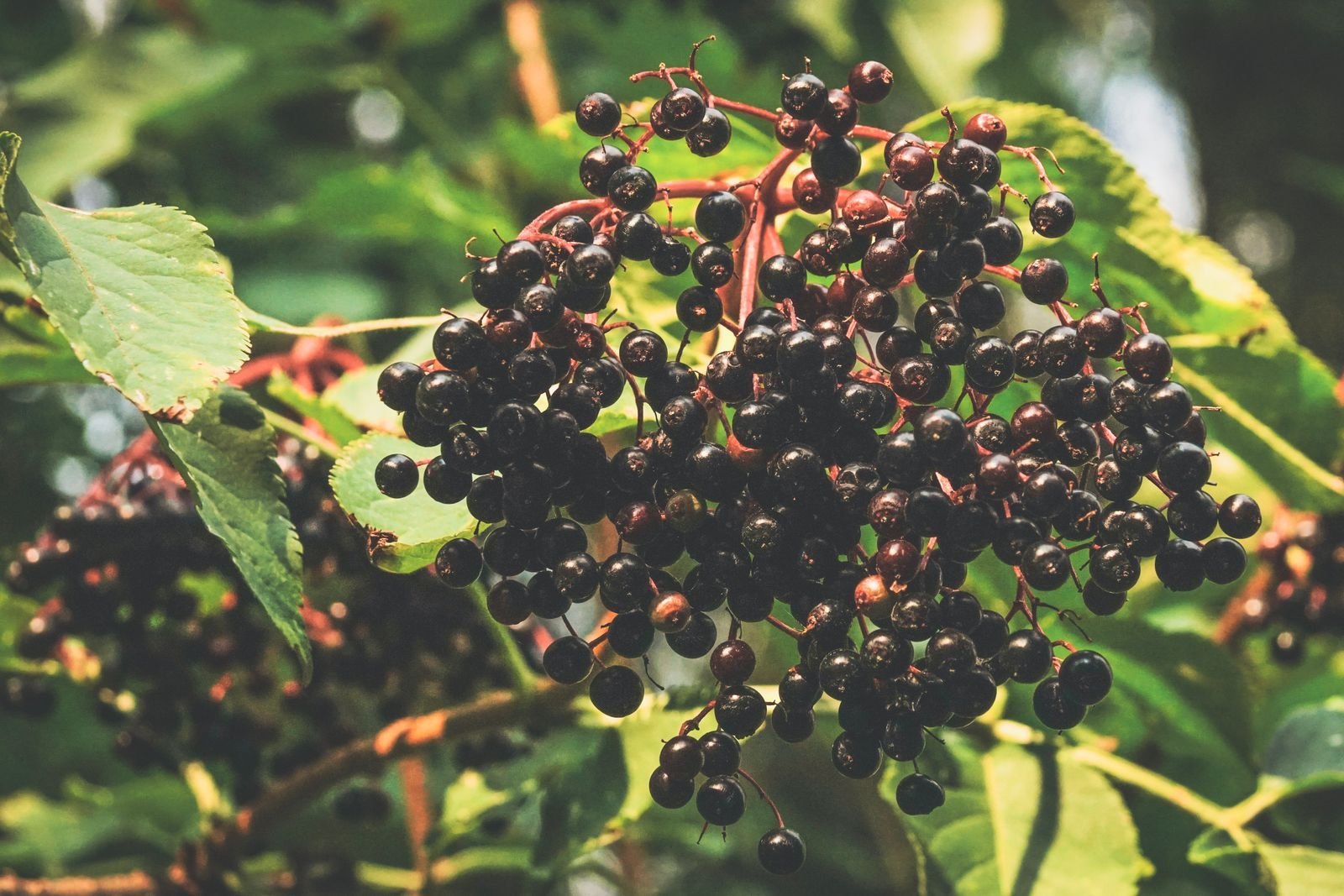
Elderberries are small, dark purple berries with a tart, slightly earthy flavour. Their deep colour comes from anthocyanins, the same family of natural pigments that gives blueberries, blackberries, and blackcurrants their rich colour. Anthocyanins are a type of flavonoid, a group of plant compounds that researchers study for their antioxidant activity. Elderberries also contain vitamin C, vitamin A, potassium, iron, and dietary fibre, along with smaller amounts of other vitamins and minerals.
Antioxidants help the body deal with the unstable molecules known as free radicals, which are produced during normal metabolism and during illness. A diet rich in colourful fruits and vegetables is generally associated with good health, and elderberries fit naturally into that pattern. It is important to keep expectations realistic: eating elderberries does not directly prevent infection, and no single food can replace sleep, a balanced diet, or good hygiene during cold season.
Some laboratory studies have suggested that elderberry extracts may interfere with how certain viruses attach to cells, and some small human studies have suggested that elderberry may shorten the duration of cold and flu symptoms by a modest amount. The evidence is promising but limited, and larger, well-designed studies are still needed. Elderberry should therefore be seen as a supportive food and a comforting remedy, not as a treatment for illness.
Elderberry Syrup for Cold Season Support
Elderberry syrup is the most common way to use elderberries, and it is also one of the simplest. The syrup is made by simmering dried or fresh elderberries in water with warming spices such as cinnamon, cloves, and ginger, then straining the liquid and sweetening it with honey. The result is a dark, rich syrup that can be taken by the spoonful or stirred into warm water or herbal tea.
Many families take a small daily spoonful of elderberry syrup through the autumn and winter as part of their cold-season routine. Others keep a bottle in the cupboard and start using it at the first sign of a scratchy throat or a runny nose, alongside rest and plenty of fluids.
Commercial elderberry syrups are widely available, and they offer convenience and consistent preparation. When buying a ready-made syrup, it is worth reading the label carefully. A good product lists elderberry as the first ingredient, uses a modest amount of sweetener, and does not rely on artificial colours or flavours. Some products combine elderberry with other ingredients such as zinc or vitamin C, and these combinations are a matter of personal preference.
How to Make Elderberry Syrup at Home
Making elderberry syrup at home is straightforward, and it gives full control over the ingredients and the sweetness. Dried elderberries are the easiest option, because they are available all year round and store well in a sealed jar.
To make a basic syrup, place about two-thirds of a cup of dried elderberries in a saucepan with three and a half cups of water. Add a cinnamon stick, two or three whole cloves, and a small piece of fresh ginger if desired. Bring the mixture to a gentle boil, then reduce the heat and simmer, uncovered, for about forty-five minutes, until the liquid has reduced by about half. Remove the pan from the heat and allow the mixture to cool until it is warm but not hot.
Strain the liquid through a fine sieve or a piece of muslin cloth, pressing the berries gently to release the remaining juice, and discard the solids. When the liquid has cooled to lukewarm, stir in about one cup of raw honey and mix until it dissolves. Honey should not be added while the liquid is very hot, because high heat can reduce its quality. Pour the finished syrup into a clean glass bottle or jar with a tight lid and store it in the refrigerator, where it will keep for two to three weeks.
Elderberry Tea for Comfort During a Cold
Elderberry tea is a gentler option than syrup, and it is a good choice for people who prefer a warm drink to a sweet spoonful. The tea can be made from dried elderberries, from elderberry tea bags, or from a spoonful of elderberry syrup stirred into hot water.
To make elderberry tea from dried berries, add one tablespoon of dried elderberries to a cup of freshly boiled water, cover the cup, and leave it to steep for ten to fifteen minutes. Strain the tea, then add a squeeze of lemon and a little honey if desired. Drinking it slowly can feel soothing for a sore throat, and the steam from the cup may help the nose feel clearer.
Elderberry tea also combines well with other traditional cold-season ingredients. A slice of fresh ginger adds warmth, a cinnamon stick adds sweetness and spice, and a few dried rosehips add vitamin C and a pleasant tartness. For readers who enjoy honey and ginger combinations, the article on Honey and Ginger Remedies for Cough and Sore Throat at https://99naturalhomeremedies.com/honey-and-ginger-remedies-for-cough-and-sore-throat/ offers more ideas for warm, comforting drinks.
Elderberry Gummies and Lozenges for Everyday Use
For people who do not enjoy syrups or teas, elderberry gummies and lozenges offer a convenient alternative. Gummies are popular with children and with adults who want a simple, portable option, while lozenges can feel soothing when dissolved slowly in the mouth, especially for a dry or scratchy throat.
When choosing gummies, it is worth checking the label for the amount of elderberry extract per serving and for the amount of added sugar. Some gummies contain a large amount of sugar and only a small amount of elderberry, which makes them more like sweets than a useful preparation. A better product lists a clear elderberry content, uses natural flavours, and keeps the sugar content modest.
Elderberry for Children and Family Use
Elderberry is often used by families, and many commercial products are made specifically for children, with a milder flavour and a lower dose. Parents who want to give elderberry to a child should choose a product made for children and follow the dosage on the label, or ask a pharmacist for advice. As a general guide, children under the age of one should not be given honey, which means that homemade elderberry syrup sweetened with honey is not suitable for babies, and parents should use a honey-free preparation or a commercial product instead.
Children are more sensitive to the stomach upset that raw elderberries can cause, so it is especially important that any elderberry given to a child is properly cooked or comes from a reputable commercial product. Parents should also watch for any sign of an allergic reaction, such as a rash or stomach discomfort, and stop using the product if any reaction appears.
Elderberry and Flu Season Support
Flu season brings a higher risk of feeling unwell, and many people look for extra support during these months. Elderberry is often mentioned in this context, because a few small studies have looked at whether it may help people feel better sooner when they have flu-like symptoms. The results have been encouraging but the studies were small, and health authorities do not recommend elderberry as a treatment for flu.
People who develop flu symptoms should rest, drink plenty of fluids, and seek medical advice if symptoms are severe, if breathing becomes difficult, if a high fever lasts more than a few days, or if the person is in a higher-risk group, such as older adults, young children, or people with long-term health conditions. The NHS provides clear guidance on colds and flu, including when to seek help, at https://www.nhs.uk/conditions/common-cold/ and readers who are unsure should follow that guidance.
Elderberry With Honey and Ginger for Extra Comfort
Elderberry combines naturally with honey and ginger, two of the oldest and most trusted ingredients in home remedies. Honey adds sweetness and a smooth texture, and it is traditionally used to soothe a sore throat. Ginger adds warmth and a gentle spiciness, and it is often used to ease nausea and to make a drink feel more comforting.
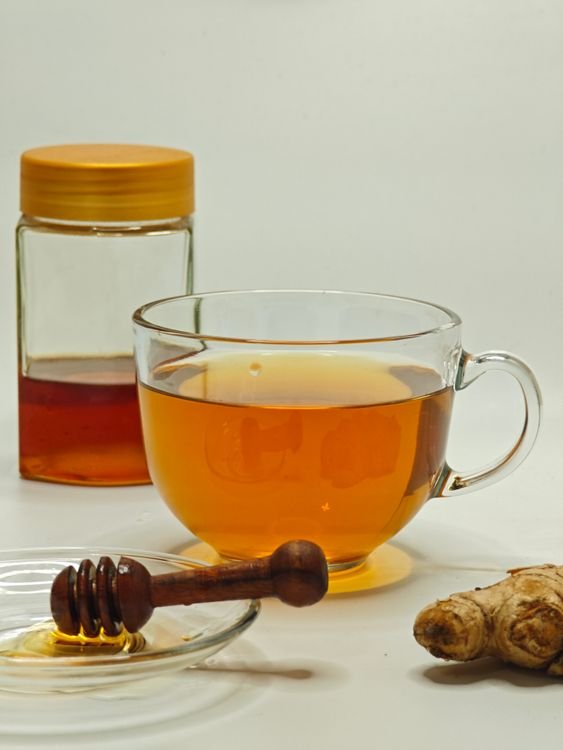
A simple warming drink can be made by stirring a tablespoon of elderberry syrup into a cup of hot water, adding a thin slice of fresh ginger and a teaspoon of honey, and letting it sit for a few minutes before drinking. This drink is pleasant in the evening, when the body is winding down, and it can be part of a bedtime routine during cold season. For a stronger ginger flavour, the ginger can be simmered in the water for five minutes before the elderberry syrup is added.
Elderberry for Sinus Comfort and Congestion
A blocked nose and sinus pressure are among the most uncomfortable parts of a cold, and elderberry is sometimes used alongside steam and warm drinks to help people feel more comfortable. The warm liquid of elderberry tea, the steam rising from the cup, and the soothing effect of a warm drink can all help the nose feel clearer, even though elderberry itself does not directly clear congestion.
Some people find that elderberry syrup taken with warm water helps them feel more comfortable when their sinuses are blocked, especially when combined with other simple measures. Breathing in steam from a bowl of hot water, keeping the air in the bedroom slightly humid, and drinking plenty of fluids are all well-established ways to ease congestion, and they work well alongside a warm elderberry drink. For more ideas on easing a blocked nose, the article on Natural Remedies for Sinus Congestion Relief at https://99naturalhomeremedies.com/natural-remedies-for-sinus-congestion-relief/ covers steam, warm compresses, and other gentle approaches that can be used together with elderberry.
Safe Dosage and How Long to Use Elderberry
There is no single official dosage for elderberry, because it is sold as a food and as a supplement rather than as a licensed medicine. Commercial products give their own dosage guidance on the label, and this should be followed. For homemade syrup, a common traditional amount is one tablespoon for adults and one teaspoon for children, taken once a day for general support during cold season, or up to three times a day for a few days when a cold is starting.
Elderberry is best used for short periods, such as a few weeks during cold season or a few days when symptoms appear, rather than all year round without a break. There is no evidence that taking it continuously for months is helpful, and taking a break allows the body to rest from any supplement. Some people use it only during the winter months and stop when spring arrives, which is a sensible seasonal pattern.
Elderberry Precautions and Possible Side Effects
Elderberry is generally considered safe when it is properly prepared and used in normal amounts, but there are important precautions. Raw or unripe elderberries, and the leaves, stems, and bark of the elder tree, contain natural compounds called cyanogenic glycosides, which can cause nausea, vomiting, and diarrhoea. This is why elderberries should always be cooked before eating, and why the leaves and stems should never be used in home preparations.
Some people experience mild stomach upset even from cooked elderberry, especially if they take a large amount or take it on an empty stomach. Taking elderberry with food or in a smaller amount usually helps. Allergic reactions are uncommon, but they can happen, particularly in people who are allergic to other plants in the same family.
Who Should Avoid Elderberry or Ask a Doctor First
Some people should be careful with elderberry or avoid it altogether. Pregnant and breastfeeding women should ask a doctor before using elderberry, because there is not enough reliable information about its safety in pregnancy. People with autoimmune conditions, such as rheumatoid arthritis or lupus, should also seek medical advice, because elderberry is thought to stimulate the immune system and could in theory affect these conditions.
People who take medicines that suppress the immune system, such as medicines used after an organ transplant or for certain long-term conditions, should not use elderberry without asking their doctor first. Children, older adults, and people with long-term health conditions should always check with a doctor or pharmacist before starting a new supplement, including elderberry.
Choosing a Good Quality Elderberry Product
With so many elderberry products on the market, choosing a good one can feel confusing. A few simple checks can help. First, look for a product that clearly states the amount of elderberry extract in each serving, rather than hiding it in a vague blend. Second, check the other ingredients: a short list with recognisable ingredients is usually a better sign than a long list of additives, artificial colours, and preservatives.
Elderberry in a Balanced Winter Wellness Routine
Elderberry works best as one small part of a balanced winter routine, not as a single answer to cold season. The foundations of staying well in winter are simple and well established: eating a varied diet with plenty of fruit and vegetables, drinking enough water, sleeping well, staying active, and spending some time outdoors in daylight when possible. Elderberry can sit comfortably alongside these habits.
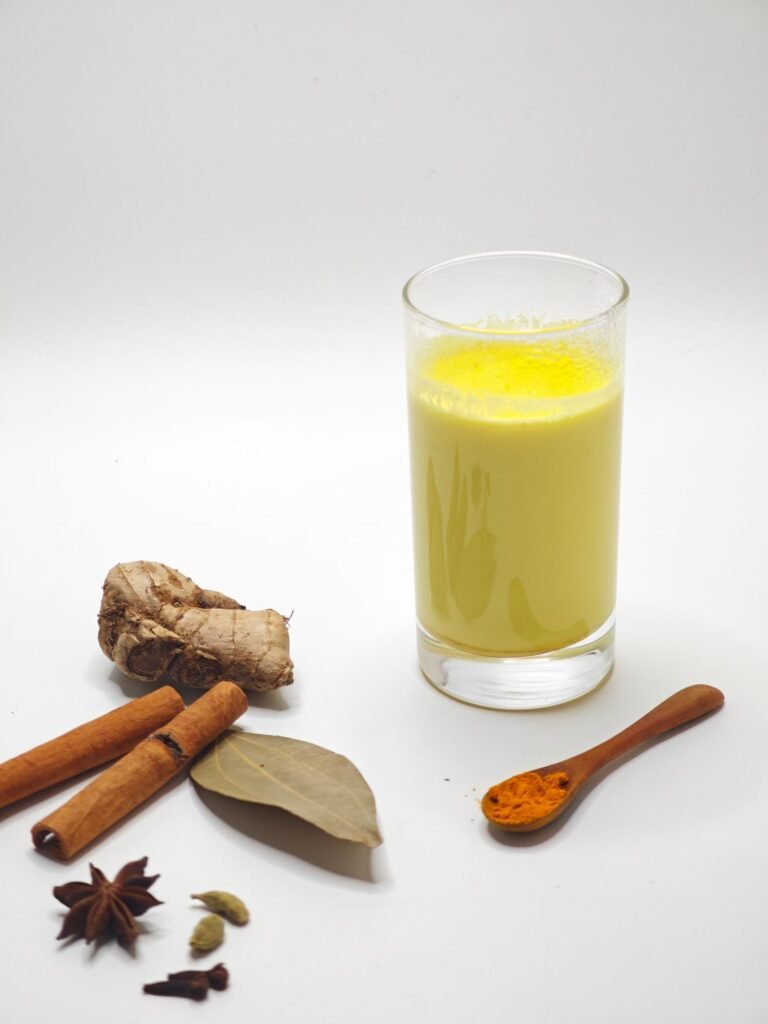
A simple winter routine might include a warm elderberry drink in the evening, a balanced breakfast with fruit, a walk outdoors during the day, and a regular bedtime. Washing hands often, ventilating rooms, and avoiding close contact with people who are unwell are also important, especially when colds are spreading. For readers who enjoy building a collection of gentle, food-based remedies for the winter months, the article on Turmeric Milk Benefits for Immunity and Cold Relief at https://99naturalhomeremedies.com/turmeric-milk-benefits-for-immunity-and-cold-relief/ offers another warm, comforting drink that pairs well with elderberry in a cold-season routine.
Common Questions About Elderberry Answered
Many readers ask whether elderberry can be taken every day, and the answer is that a small daily amount during cold season is the usual pattern, with breaks from time to time. Another common question is whether elderberry can replace flu medicine or a flu vaccination, and the answer is no. Elderberry is a supportive food, not a treatment, and it does not replace medical care or vaccination.
Finally, some readers ask how quickly elderberry works. There is no fixed answer, because elderberry is not a medicine with a predictable effect. Some people feel that it helps them feel a little better sooner when they have a cold, while others notice no difference. The most realistic expectation is gentle, general support during cold season, along with the comfort of a warm, traditional remedy.
Disclaimer: This article is for educational purposes only and is not medical advice. Elderberry is a traditional food-based remedy, and it is not a treatment or a cure for colds, flu, or any other illness. The information here is general in nature and may not apply to everyone. Always consult a qualified healthcare professional before starting elderberry or any new supplement, especially if you are pregnant, breastfeeding, taking medication, or living with a long-term health condition. If symptoms are severe or do not improve, seek medical advice promptly.