A bruise after a bump against the edge of a table, sore muscles the morning after a long hike, a stiff shoulder from a weekend of gardening — these small injuries are part of everyday life for most people in the United States, the United Kingdom, and Canada. They are rarely serious, but they can be uncomfortable for days, and many people look for a gentle home remedy that can help them feel better a little sooner. Arnica is one of the oldest and most widely used of these remedies. For centuries, people in Europe have turned to the bright yellow arnica flower for bruises, sprains, and aching muscles, and today arnica gel and cream are sold in pharmacies and health food stores across North America and Europe.
Arnica is not a medicine in the usual sense, and it is not a cure for pain or injury. What it offers is a traditional, plant-based way to support the body’s natural healing process after a minor bump or strain, along with a simple routine that many people find comforting. Arnica benefits for bruises and muscle soreness have been discussed in home remedy traditions for a long time, and the evidence is mixed, so realistic expectations matter as much as the remedy itself.
What Arnica Is and Where It Comes From
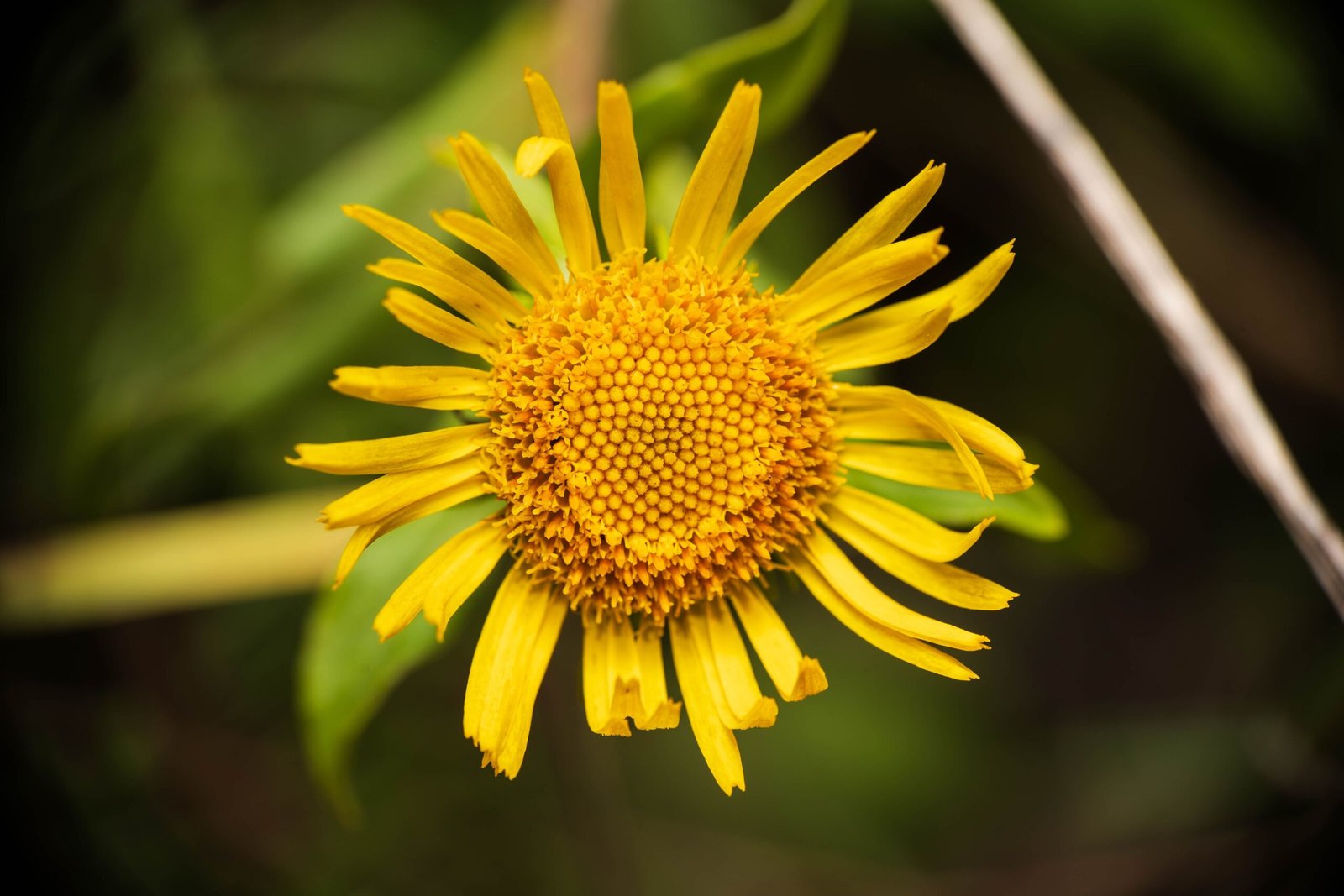
Arnica is a flowering plant in the daisy family, and the species most often used in home remedies is Arnica montana, a perennial herb that grows in the mountain meadows of Central Europe. Its bright yellow, daisy-like flowers have been gathered in summer and used in traditional European folk medicine for hundreds of years. Common names include mountain arnica, leopard’s bane, and wolf’s bane, and its use is recorded in herbal texts going back to the sixteenth century. In the mountain regions of Germany, Switzerland, and Austria, arnica was a household remedy for falls, blows, and sprains, long before modern pharmacies existed.
The flowers contain a group of natural compounds called sesquiterpene lactones, the most studied of which is helenalin. These compounds are thought to be responsible for much of arnica’s traditional reputation, and laboratory research has suggested that they may have anti-inflammatory activity. Arnica flowers also contain flavonoids and essential oils that contribute to its scent and its traditional use. This combination of compounds makes arnica interesting to researchers, even though the clinical evidence for its benefits remains limited and mixed.
It is important to understand the difference between arnica used on the skin and arnica taken by mouth. Homeopathic arnica tablets are highly diluted preparations sold for oral use, while herbal arnica is used as a gel, cream, oil, or tincture applied to unbroken skin. Whole arnica plant material is not safe to eat, and arnica should never be taken by mouth as a herbal tea or a concentrated extract, because it can be toxic. This article is about arnica applied to the skin, which is the traditional and commonly sold form. The National Center for Complementary and Integrative Health (NCCIH) provides a balanced overview of what is known about arnica and where the evidence is still limited, and readers who want an authoritative summary can find it at https://www.nccih.nih.gov/health/arnica
How Arnica May Help Bruises Heal
A bruise forms when small blood vessels under the skin are damaged by a bump or a blow. Blood leaks into the surrounding tissue, and the trapped blood shows through the skin as a dark purple or blue mark that slowly changes colour to green, yellow, and brown as the body clears it away. Most bruises fade on their own within one to two weeks, and the process is a sign that the body is healing. The main things most people want from a bruise remedy are less swelling, less tenderness, and a shorter time before the mark fades.
Arnica has traditionally been used to support this healing process. The sesquiterpene lactones in arnica, particularly helenalin, have been shown in laboratory studies to influence the activity of certain inflammatory pathways in the body. Inflammation is part of healing, but too much of it can mean more swelling and tenderness. The theory behind arnica is that by gently calming this response, it may help a bruise feel less sore and clear a little faster. This is a plausible mechanism, but laboratory results do not always translate into clear benefits in real people, and the clinical studies of arnica for bruising have produced mixed results.
For everyday bruises, many people apply arnica gel two or three times a day and report that the area feels less tender. Whether this is due to the arnica itself, the gentle massage of applying it, or simply the passage of time is hard to say. What matters is that arnica gel is generally considered safe when used on unbroken skin, and that it can be part of a sensible home care routine. It should never be applied to broken skin, open wounds, or the eyes, and it should not be used as a substitute for medical care when an injury is serious.
Arnica for Muscle Soreness After Exercise
Muscle soreness after exercise, especially after a workout that is new or more intense than usual, is one of the most common reasons people reach for arnica. This delayed soreness usually appears twelve to twenty-four hours after the activity and peaks after a day or two. It is caused by tiny damage to muscle fibres during exercise, and the body repairs that damage as part of getting stronger. The soreness is normal, and it usually fades within a few days without any treatment at all.
Arnica gel and cream are often rubbed into sore muscles after a run, a gym session, a long hike, or a day of heavy physical work. Users commonly report that the area feels soothed and that the stiffness eases a little. As with bruises, the evidence is mixed. A few small studies have suggested that arnica may help reduce muscle soreness after exercise, while others have found no clear benefit compared with a placebo. The massage involved in rubbing the gel in may itself be part of the benefit, since gentle massage increases blood flow to the area and can ease the feeling of stiffness.
For people who use arnica for muscle soreness, the most practical approach is to apply it after the activity, once the skin is clean and dry, and to combine it with the measures that are known to help recovery: gentle movement, stretching, plenty of water, and a good night’s sleep. Arnica is not a substitute for warming up before exercise, cooling down afterwards, or resting when a muscle is genuinely injured. If soreness is severe, if a muscle is very swollen, or if pain lasts more than a week, the problem may be more than ordinary soreness, and a doctor or physiotherapist should be consulted.
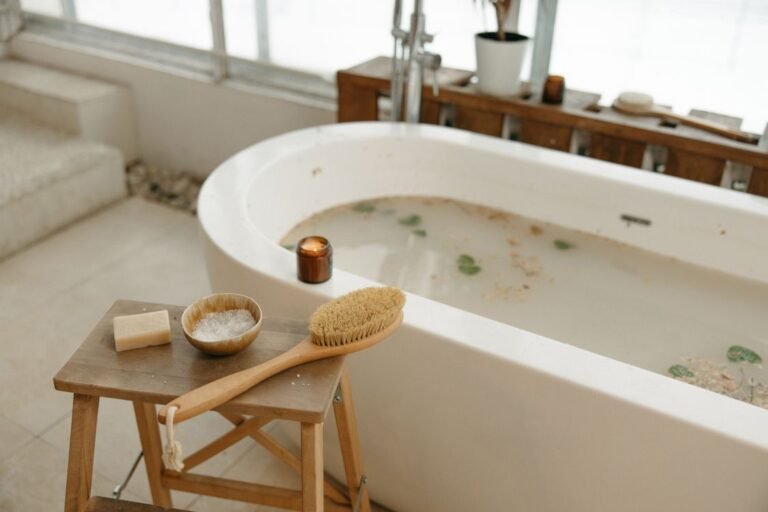
Readers who deal with muscle pain regularly may also want to read about other traditional remedies for the same problem. A warm Epsom salt bath can be a relaxing way to ease tired muscles after a long day, as described in our article on Epsom salt bath benefits for muscle pain relief (https://99naturalhomeremedies.com/epsom-salt-bath-benefits-for-muscle-pain-relief/), and ginger tea is another warming home remedy that many people use for muscle aches and inflammation (https://99naturalhomeremedies.com/ginger-tea-benefits-for-muscle-pain-and-inflammation/).
Arnica Gel, Cream, and Oil: Choosing the Right Form
Arnica is sold in several forms, and choosing the right one depends on how it will be used. Arnica gel is the most common form, and it is often the best choice for bruises and sore muscles. Gels are light, absorb quickly, feel cooling on the skin, and do not leave a greasy residue, which makes them easy to use during the day and under clothing. Most arnica gels contain arnica extract in a water-based gel, sometimes with added ingredients such as menthol for a cooling sensation.
Arnica cream is thicker and more moisturising than a gel, and it is a good choice for people with dry skin or for areas where the skin needs a little extra care. Creams take slightly longer to absorb, and they can feel more nourishing on the skin, but they may leave a light residue. Some people prefer cream for use at night, when there is time for it to sink in slowly.
Arnica oil is usually made by infusing arnica flowers in a carrier oil such as sunflower oil or olive oil. It is the most traditional form, and it is often used for massage, because the oil allows the hands to glide over the skin. Arnica oil is a good choice for larger areas, such as the back or the legs, or for a gentle massage of a sore muscle. It should not be used on broken skin, and it should be kept away from the eyes and the mouth.
When buying arnica, it is worth reading the label carefully. A good product lists arnica montana as an ingredient, gives clear instructions for use, and states how often it can be applied. Products vary in strength, and some contain additional ingredients such as witch hazel, menthol, or essential oils. People with sensitive skin or allergies should check the full ingredient list, because it is the added ingredients, rather than the arnica itself, that most often cause irritation.
How to Apply Arnica Safely at Home
Applying arnica gel or cream is simple, but a few basic rules make it safer and more effective. Start by washing the hands and making sure the skin is clean and dry. Check that the skin is unbroken: arnica should only be applied to intact skin, never to cuts, grazes, open blisters, or areas with a rash. Squeeze a small amount of gel or cream onto the fingertips and rub it gently into the bruised or sore area, using light, circular movements. A little goes a long way, and there is no need to use a large amount.
Most products suggest applying arnica two or three times a day. Follow the instructions on the product label, and do not apply it more often than recommended. After applying, wash the hands, especially before touching the face or the eyes, and avoid getting the product near the mouth. Arnica products should not be used under a tight bandage or a heat pad unless the label specifically says so, because covering the area can increase absorption and the risk of irritation.
It is a good idea to do a patch test the first time a new arnica product is used, particularly for people with sensitive skin. Apply a small amount to a small area of skin, such as the inside of the forearm, and wait twenty-four hours to see whether any redness or itching appears. If the skin reacts, stop using the product and try a different one, or avoid arnica altogether. Arnica should be stored in a cool, dry place, out of the reach of children, and it should not be used after its expiry date. Children should only use products labelled as suitable for their age, and pregnant and breastfeeding women should check with a doctor or pharmacist before using arnica, as a precaution.
Who Should Avoid Arnica and Important Precautions
Arnica is generally considered safe when used on unbroken skin, but it is not suitable for everyone. People who are allergic to plants in the daisy family, including ragweed, chrysanthemums, marigolds, and daisies, should be cautious, because they may also react to arnica. Signs of an allergic reaction include redness, itching, swelling, or a rash where the product was applied. If any of these appear, stop using the product, wash the area with water, and seek medical advice if the reaction is severe or does not settle.
Arnica should never be applied to broken skin, open wounds, or the eyes, and it should never be taken by mouth as a herbal preparation. Swallowing arnica can cause serious side effects, including nausea, vomiting, diarrhoea, dizziness, and heart problems, and it can be dangerous in large amounts. Arnica products are for external use only, unless they are specifically labelled as homeopathic preparations for oral use, and even then they should be used only as directed.
People who take blood-thinning medicines, such as warfarin, should ask a doctor or pharmacist before using arnica, because there is a theoretical concern that arnica could affect bleeding, although the risk from topical use is thought to be low. Long-term, daily use of arnica on the same area of skin is not recommended either. Prolonged use can irritate the skin and, in some people, can cause a skin condition called contact dermatitis, with redness, itching, and blistering. If the skin becomes irritated, stop using the product and let the skin recover. Arnica is best used for a few days at a time for a specific bruise or sore muscle, rather than as a daily routine.
The National Health Service (NHS) in the United Kingdom provides clear guidance on bruises, including when a bruise is normal and when it needs medical attention, and readers who want a reliable reference can find it at https://www.nhs.uk/conditions/bruises/
When to See a Doctor for a Bruise or Muscle Pain
Most bruises and sore muscles heal on their own, but there are situations where medical advice is needed. A doctor should be seen if a bruise is very large, very painful, or does not start to fade after two weeks. Bruises that appear without any injury, or bruises that appear very easily, should also be checked, because they can sometimes be a sign of a medicine side effect or an underlying health condition. People who take blood-thinning medicines and notice unusual bruising should mention it to their doctor.
Muscle pain needs medical attention if it is severe, if the muscle is very swollen or deformed, if the area cannot bear weight, or if there is numbness or tingling. Pain that follows a fall or an accident, pain that does not improve after a week, or pain that keeps coming back should also be checked. A doctor can rule out a fracture, a torn muscle, or another injury that needs specific treatment.
Head injuries deserve special care. Any head injury with dizziness, confusion, vomiting, unusual sleepiness, or a loss of consciousness needs urgent medical attention. The same applies to any injury to the abdomen or the chest that causes severe pain or difficulty breathing. In these cases, no home remedy should be used as a substitute for medical care, and help should be sought immediately.
Common Questions About Arnica
How quickly does arnica work on a bruise?
There is no fixed answer, because bruises heal at different speeds and the evidence for arnica is mixed. Some people feel that the area is less tender within a day or two of using arnica gel, while others notice no difference. A bruise normally takes one to two weeks to fade, and arnica is unlikely to shorten that time dramatically. If a bruise has not started to improve after two weeks, it should be checked by a doctor.
Is arnica safe to use with other medicines?
Topical arnica is generally considered safe, but people who take blood-thinning medicines, such as warfarin, should check with a doctor or pharmacist before using it. There is a theoretical concern that arnica could affect bleeding, although the risk from a gel applied to the skin is thought to be low. Anyone who is unsure should ask a pharmacist, who can check the specific product and the medicines being taken.
A Gentle Remedy With Realistic Expectations
Arnica has been part of home care for centuries, and it remains one of the most popular remedies for bruises and sore muscles in the United States, the United Kingdom, and across Europe. Its long history, its wide availability, and its generally good safety record when used on unbroken skin explain why so many households keep a tube of arnica gel in the medicine cabinet. At the same time, the scientific evidence for its benefits is mixed, and its effects, if any, are likely to be modest. The honest view is that arnica can be a soothing, supportive part of home care for a minor bruise or a sore muscle, alongside rest, cold, gentle movement, and time.
The best approach is a practical one. Keep a tube of arnica gel at home, use it on unbroken skin two or three times a day for a few days after a minor bump or a hard workout, and combine it with the simple steps that are known to help healing. Watch for any skin reaction, do not use it on broken skin or near the eyes, and seek medical advice when an injury is serious or does not improve.
Disclaimer
This article is for educational purposes only and is not medical advice. The information provided here is based on traditional use and publicly available information, and it is not a substitute for professional medical advice, diagnosis, or treatment. Arnica products should be used only as directed on the product label, and only on unbroken skin. Never take herbal arnica by mouth, and never apply arnica to open wounds, broken skin, or the eyes. If you are pregnant, breastfeeding, taking blood-thinning medicines, or have an allergy to plants in the daisy family, consult a healthcare professional before using arnica. If a bruise or muscle pain is severe, does not improve, or is accompanied by other symptoms, seek medical attention promptly. Always consult a qualified healthcare professional about any health concern or before starting a new remedy.