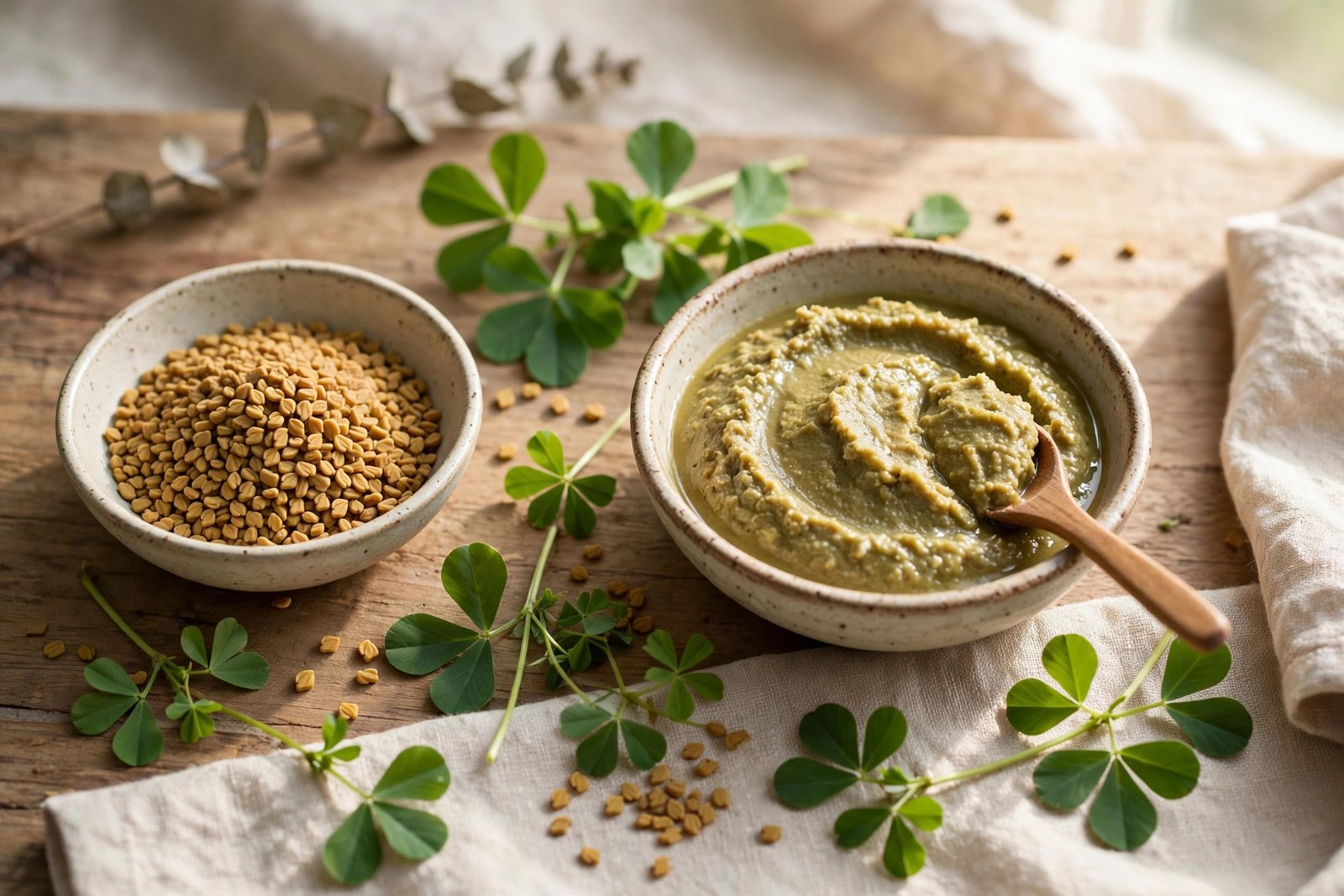
Fenugreek — also called methi — is a small golden seed with a big reputation in traditional hair care. For generations, women in South Asia have soaked, ground and applied these seeds to keep hair soft, strong and manageable. Today fenugreek shows up in US grocery stores, Indian markets and natural beauty shops alike, usually right next to the other seeds and spices.
But what can fenugreek actually do for your hair, and what is just tradition talking? This guide covers the realistic benefits, the three main ways to use it — paste, water and oil — and the safety points that matter, especially if you are pregnant or take medication.
What Is Fenugreek?
Fenugreek (Trigonella foenum-graecum) is a plant in the legume family. Its seeds are used as a spice in cooking and have a long history in Ayurvedic and traditional home remedies. The seeds contain protein, iron, and compounds such as nicotinic acid and lecithin, which is why they are so often mentioned in connection with hair strength and scalp care. When soaked, the seeds swell and release a slippery, gel-like coating called mucilage — that natural slip is a big part of why fenugreek pastes and rinses make hair feel so smooth.
Why People Use Fenugreek for Hair
Let’s be honest about the evidence first: there are no large clinical trials proving that fenugreek makes hair grow faster. Most of its reputation comes from traditional use and its nutrient profile. What it can reasonably do is support the conditions healthy hair needs:
- Conditioning and softness. The gel from soaked seeds coats the hair shaft, reducing friction and making detangling easier — which means less breakage during combing.
- Protein support. Hair is made of protein, and fenugreek’s protein content is one reason masks made from it can leave hair feeling stronger and less brittle.
- A calmer scalp. Fenugreek has mild anti-inflammatory and antimicrobial properties in laboratory studies, and many people use it for an itchy, flaky scalp alongside other natural remedies for hair fall.
- Less visible shedding from breakage. Hair that is moisturized and handled gently breaks less, so more of your length is retained. That is not the same as growing new hair, but it does make hair look fuller over time.
Method 1: Fenugreek Paste Mask
The paste is the classic method and the best starting point if your hair is dry, rough or breaking easily.
What You Need
- 2–3 tablespoons of whole fenugreek seeds
- Water for soaking
- Optional: 1–2 tablespoons of plain yogurt or coconut milk for extra conditioning
Step by Step
- Soak overnight. Cover the seeds with plenty of water and leave them for 8–12 hours. They will swell and soften.
- Blend into a paste. Grind the soaked seeds with a little of the soaking water until you get a smooth, spreadable paste. A few stubborn seed bits are normal, but the smoother the paste, the easier it rinses out.
- Apply to scalp and hair. Work the paste through damp hair, massaging it into the scalp and coating the lengths.
- Leave for 30–45 minutes. Cover with a shower cap so it does not dry out.
- Rinse very well, then shampoo gently. Fenugreek residue is the number-one complaint with this mask. Rinse longer than you think you need to, and let the water do most of the work before shampooing.
Method 2: Fenugreek Water Rinse
If the paste sounds like too much effort, fenugreek water is the lighter option — good for fine hair that gets weighed down easily.
- Soak 2 tablespoons of seeds in 2 cups of water overnight.
- Strain the liquid into a spray bottle or jug. It will feel slightly slippery — that is the mucilage, and it is the useful part.
- After shampooing, pour or spray the water over your scalp and hair.
- Leave it on for 5–10 minutes (or leave a little in as a light final rinse), then rinse with plain water if you prefer.
- Use within 2–3 days and store it in the refrigerator; discard it if it smells sour.
Some people also drink fenugreek water in the morning as a general wellness habit. If you try that, read the caution section below first — fenugreek is a food, but it is an active one, and it is not right for everyone.
Method 3: Fenugreek-Infused Oil
For a shelf-stable option, fenugreek can be infused into a carrier oil. Warm 1/2 cup of coconut or olive oil gently (do not boil it), add 2 tablespoons of lightly crushed fenugreek seeds, and let it sit on the lowest heat for 5–10 minutes until the oil takes on a golden color. Cool it completely, strain out the seeds, and store the oil in a clean glass bottle.
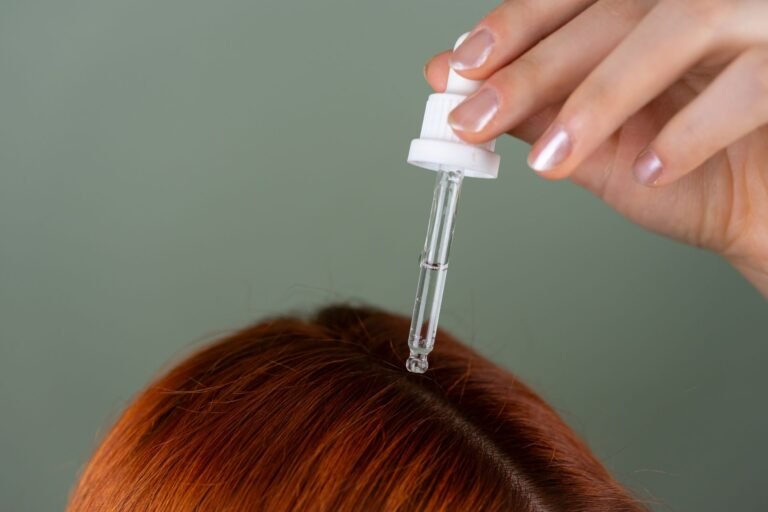
Use it like any pre-wash scalp oil: massage a small amount into the scalp, leave for at least 30 minutes or overnight, then shampoo out. It pairs well with other traditional oils — our guide to castor oil for hair growth and thickness explains how to layer a thicker oil like castor with a lighter infused oil like this one. Some people also alternate fenugreek treatments with onion juice for hair growth, using each once a week rather than stacking everything on the same day.
How Often Should You Use It?
Once a week is plenty for the paste or oil; the water rinse can be used once or twice a week. More is not better — overdoing protein-rich masks can actually leave some hair types feeling stiff and dry, a problem sometimes called protein overload. Balance fenugreek weeks with plain moisturizing care, and pay attention to how your hair responds.
What Results Can You Realistically Expect?
- After 1–2 uses: softer, smoother hair that’s easier to detangle, mostly from the conditioning gel.
- After 4–6 weeks: less breakage during washing and styling, if you are consistent and gentle.
- After 3+ months: better length retention, which can make hair look thicker at the ends.
What fenugreek will not do: regrow hair on areas where follicles are no longer active, reverse pattern hair loss, or work overnight. Treat anyone promising that with suspicion. Hair grows roughly half an inch a month, and any honest routine works on that timeline.
Who Should Be Careful with Fenugreek
- Pregnancy: Fenugreek in amounts larger than normal food use has traditionally been linked with uterine stimulation. Avoid drinking fenugreek water or taking supplements during pregnancy, and check with your doctor before heavy topical use.
- Diabetes and blood-sugar medication: Fenugreek can lower blood sugar. If you drink fenugreek water and take diabetes medication, monitor carefully and talk to your doctor first.
- Legume allergies: Fenugreek is related to peanuts, chickpeas and soy. If you are allergic to any of these, patch test first or skip it.
- Skin sensitivity: Always patch test a new paste or oil on a small area of skin and wait 24 hours before a full application.
- The smell: Fenugreek has a strong maple-syrup-like scent that can linger in hair for a day or two. Most people don’t mind it, but plan your mask day accordingly.
See a Doctor If…
- You are losing hair in patches, or your scalp is red, scaly, painful or has sores.
- Shedding is sudden, heavy, or comes with other symptoms such as fatigue or unexplained weight change (these can point to thyroid or iron issues that no mask can fix).
- Hair loss runs with a receding hairline or widening part and keeps progressing despite 3–4 months of gentle care.
- You are pregnant, breastfeeding, or taking medication and want to use fenugreek internally.
Medical Disclaimer
Disclaimer: The information in this article is for general educational purposes only and is not medical advice. Home remedies are not a substitute for professional diagnosis or treatment, and natural ingredients can still cause allergies or interact with medicines. Talk to your doctor or a dermatologist about ongoing hair loss or scalp problems.
Frequently Asked Questions
Can fenugreek really regrow hair?
There is no solid clinical proof that fenugreek regrows hair. Its realistic value is conditioning the hair you have, supporting a healthy scalp and reducing breakage, which helps you keep more length over time. Hair loss with an underlying medical cause needs a doctor, not a mask.
Should I use fenugreek paste or fenugreek water?
The paste gives the strongest conditioning and is best for dry, thick or damaged hair. The water rinse is lighter, quicker and better for fine or oily hair. Many people start with the rinse and move to the paste once they know their scalp tolerates fenugreek well.
How long should I leave a fenugreek mask on?
Thirty to forty-five minutes is enough. Leaving it on much longer makes it dry out and become harder to rinse, without adding benefit. Covering your hair with a shower cap keeps the paste moist and active while you wait.
Why does my hair smell like maple syrup after using fenugreek?
That sweet, curry-like smell is natural — fenugreek contains a compound also found in maple syrup flavoring. A thorough rinse and a gentle shampoo usually reduce it, and the scent fades within a day or two.
Can I drink fenugreek water every day for hair growth?
Fenugreek water is a traditional morning drink, but daily internal use is not suitable for everyone: it can lower blood sugar and should be avoided during pregnancy. If you take any regular medication, check with your doctor before making it a daily habit — topical use is the safer default for hair goals.