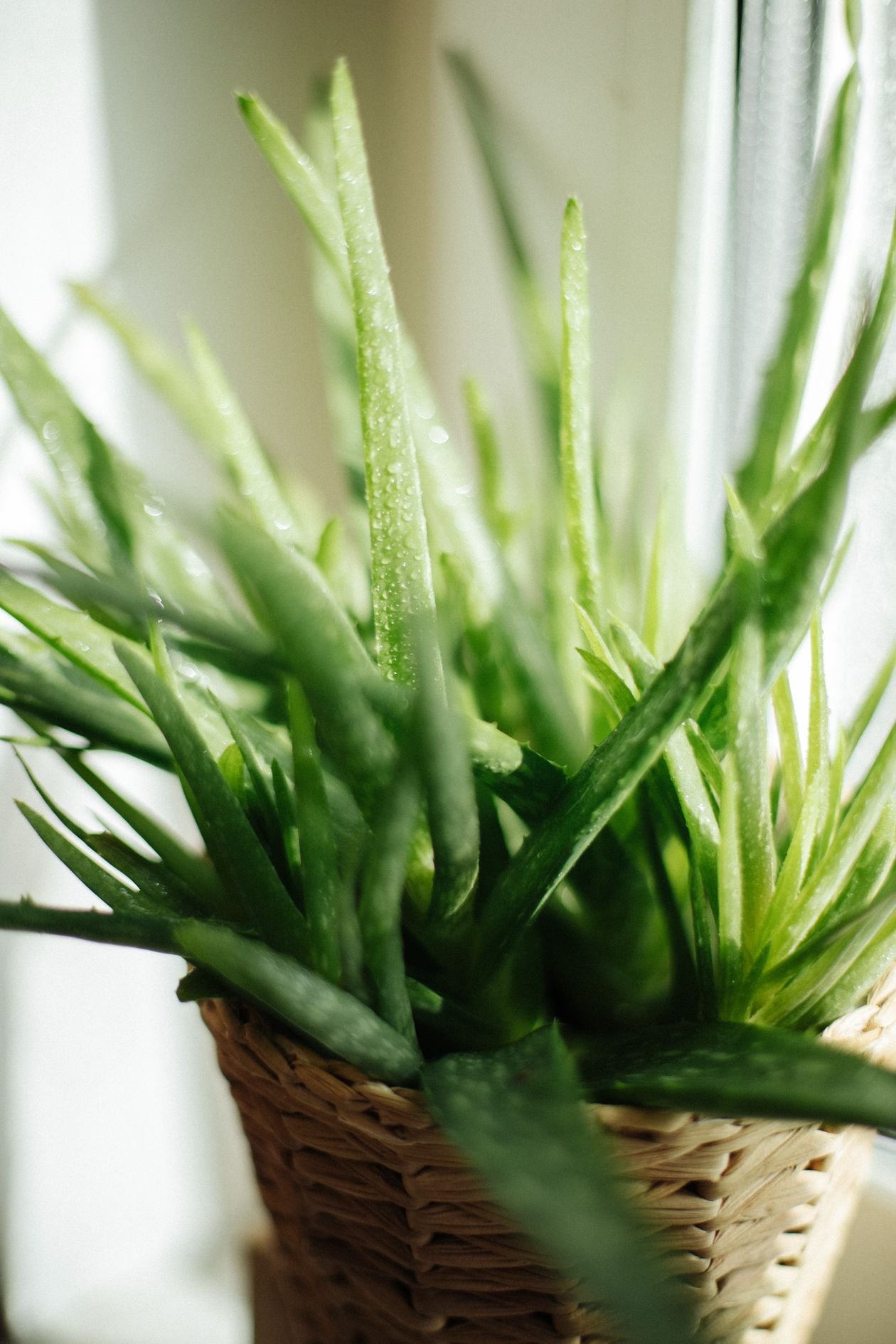
Hair is part of how many people in the United States and the United Kingdom see themselves, and changes in hair can feel personal. Hair may become thinner with age, drier after colouring or heat styling, or weaker after illness or stress. A scalp that feels dry, itchy, or flaky can make hair care frustrating, and many people look for gentle, natural options before trying stronger treatments. Aloe vera is one of the most familiar of these options, and the thick, clear gel inside its fleshy leaves has been used for centuries in home care for skin and hair.
Aloe Vera Benefits for Hair Growth have attracted interest because aloe vera is gentle, widely available, and easy to use at home. The gel feels cool and soothing, washes out easily, and mixes well with familiar ingredients such as coconut oil, honey, or yoghurt. Many people use it as a scalp treatment, a hair mask, or a light leave-in conditioner, valuing it most for comfort: a calmer scalp, softer hair, and less breakage during brushing and styling. This article explains what aloe vera may offer, how to use it in simple routines, and when to seek professional advice instead.
Understanding How Hair Grows and Why It Thins
Hair grows from small structures in the skin called follicles, and each strand follows a natural cycle of growth, rest, and shedding. During the growth phase, which may last for several years, hair grows steadily. This is followed by a short rest phase, and then the old hair falls out so that a new strand can take its place. Most people shed between fifty and one hundred hairs daily without noticing any thinning.
Hair may become thinner for many reasons. Age is a common cause, since follicles may produce finer hair over time. Hormones also play a role, and hair may thin during and after pregnancy, during the menopause, or when thyroid levels change. Family history matters too. Stress, illness, poor sleep, and a diet low in protein, iron, or vitamins may also affect hair, as may harsh styling, frequent heat, and strong chemical treatments.
Scalp health matters because the follicle lives in the scalp. A scalp that is dry, irritated, or covered in flakes may make hair look dull and lifeless. Keeping the scalp clean, calm, and moisturised is a sensible foundation for any hair care routine, and this is where aloe vera is most often used.
Aloe Vera Benefits for Hair Growth and What Is in the Gel
Aloe vera gel is mostly water, but it also contains vitamins, minerals, enzymes, and plant compounds that have made it popular in home care. The gel contains vitamins A, C, and E, which are linked in general terms with healthy skin, as well as vitamin B12, folic acid, and small amounts of zinc and copper. Its enzymes may help to clear away dead skin cells from the scalp, and its polysaccharides help the gel hold moisture against the skin and hair.
One reason aloe vera is used on the scalp is its soothing character. The gel feels cool when applied, and it may help to calm itching, tightness, or mild irritation. Its moisturising quality may help dry hair feel softer and more flexible, and softer hair may break less easily. Aloe vera also has a mild cleansing action, and it may help to remove excess oil and product build-up from the scalp.
It is important to be honest about what aloe vera can and cannot do. There is no strong scientific proof that aloe vera grows new hair or reverses hair loss, and most support comes from traditional practice, small studies, and everyday experience rather than large clinical trials. Aloe vera may support a healthy scalp and help existing hair look and feel better, but it is not a treatment for medical hair loss. General information about hair loss and its causes is available at the National Health Service and the National Center for Complementary and Integrative Health.
Aloe Vera for Scalp Health and Soothing Irritation
A calm scalp is the foundation of comfortable hair care, and aloe vera is most often praised for the way it feels on the skin. The gel is cool, light, and non-greasy, and it spreads easily across the scalp. Many people find that a short scalp massage with aloe vera gel eases dryness and itching, especially in colder months when indoor heating may dry the skin, or in summer when the scalp has been exposed to sun and sweat.
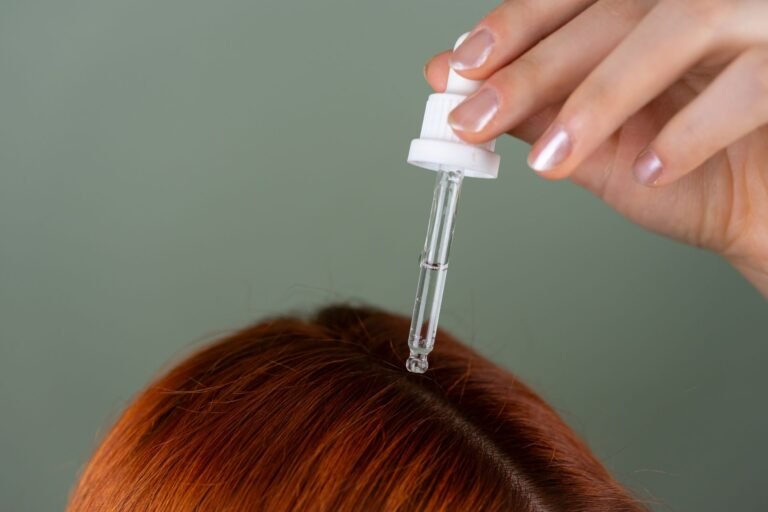
To use aloe vera on the scalp, start with clean, slightly damp hair. Part the hair in sections so the scalp is easy to reach, and apply a small amount of pure gel directly to the skin with clean fingertips. Massage gently in small circles for two or three minutes, working across the whole scalp. Leave it on for twenty to thirty minutes, then rinse with lukewarm water and wash as usual with a mild shampoo.
This simple treatment may be repeated two or three times a week. Some people notice that their scalp feels less tight and itchy after a few uses, while others value mainly the cooling, refreshing feeling. If the scalp is red, sore, broken, or very flaky, seek advice from a pharmacist or a healthcare professional before applying any home treatment, including aloe vera.
Aloe Vera Hair Mask for Stronger Hair
A hair mask is a deeper treatment than a quick rinse, and an aloe vera hair mask is one of the simplest to prepare at home. It uses only a few familiar ingredients, takes only a few minutes to mix, and may help hair feel softer, smoother, and easier to manage. A mask may be especially useful for hair that feels dry, rough, or brittle after colouring, heat styling, or sun and wind.
To make one mask, mix three tablespoons of pure aloe vera gel with one tablespoon of coconut oil and one teaspoon of honey, stirring until smooth. If the coconut oil is solid, warm it gently in warm water until liquid, then mix it in. Apply the mask to damp hair, from roots to ends, and use a wide-tooth comb to spread it evenly. Cover the hair with a shower cap or a warm towel, leave it on for thirty minutes, then rinse thoroughly and wash with a mild shampoo and conditioner as usual.
Use this mask once a week to begin with. Hair that feels heavy or greasy may need a smaller amount of oil, or a mask used every two weeks instead. A patch test on a small area of skin is sensible before the first full application, especially for people with sensitive skin.
Aloe Vera and Coconut Oil for Dry Hair
Dry hair may feel rough, look dull, and break more easily than healthy hair. It may follow frequent washing with strong shampoo, regular heat styling, colouring or bleaching, swimming in chlorinated water, or long exposure to sun and wind. Dry hair often needs both moisture and protection, and this is where aloe vera and coconut oil together may help.
Aloe vera gel is mostly water, so it may help to hydrate the hair shaft. Coconut oil is different: it is a rich oil that may sink into the hair and help to reduce moisture loss from inside the strand. Used together, the gel may add moisture while the oil helps to seal it in, leaving hair feeling softer and looking shinier.
To use the two together, mix two tablespoons of aloe vera gel with one tablespoon of coconut oil. Apply the mixture to the lengths and ends of damp hair, where dryness is usually worst, and use only a small amount near the roots if the scalp tends to become oily. Leave it on for twenty to thirty minutes, then rinse well and wash with a mild shampoo. For very dry ends, a tiny amount may be smoothed over the ends after washing, used sparingly to avoid a greasy feeling.
Aloe Vera Leave-In Treatment for Daily Care
Not every aloe vera treatment needs to be a weekly mask. A light leave-in treatment may help with everyday problems such as frizz, tangles, and dry ends. Because it stays on the hair after washing, it should be much lighter than a mask, and only a small amount should be used.
To make a simple leave-in spray, mix one tablespoon of pure aloe vera gel with about one hundred millilitres of clean water in a small spray bottle. Shake well, then spray lightly over damp hair after washing, focusing on the lengths and ends. Comb through gently with a wide-tooth comb, and style as usual. The spray may help to smooth the hair surface, making it easier to comb and less likely to tangle.
Aloe Vera for Dandruff and Flaky Scalp
Dandruff is a common scalp concern, and it may appear as white or yellowish flakes on the scalp and in the hair, sometimes with itching. It is often linked with a yeast that lives naturally on the skin, with dry skin, or with sensitivity to hair products. Dandruff is not usually a sign of poor hygiene, but it can be uncomfortable and embarrassing.
Aloe vera may help a flaky scalp feel more comfortable, because the gel is moisturising and soothing, and it may help to loosen flakes so they wash away more easily. Apply pure gel to the scalp, massage gently for a few minutes, and leave it on for twenty to thirty minutes before washing with a mild shampoo. This may be repeated two or three times a week.
Aloe vera is not a cure for dandruff, and it may not be enough on its own if flakes are severe, if the scalp is very red or sore, or if flaking does not improve after a few weeks. In those cases, a medicated shampoo from a pharmacy may help, and a pharmacist can advise on the best option. If the scalp is cracked, bleeding, or painful, seek professional advice before applying home treatments.
Building a Weekly Aloe Vera Hair Routine
A weekly routine does not need to be complicated, and simple routines are often the easiest to maintain. The aim is to give the hair and scalp regular, gentle care without overdoing any single treatment. A routine that fits naturally into the normal washing schedule is more likely to last.
A simple weekly plan may look like this. On wash day, apply the hair mask once a week, leaving it on for thirty minutes before washing with a mild shampoo and conditioner. On one or two other days, massage a small amount of pure gel into the scalp, leave it for twenty minutes, and rinse. After each wash, use the leave-in spray on the lengths and ends.
It may take several weeks to notice any change. If a routine causes itching, greasiness, or discomfort, it should be changed or stopped, and a simpler approach tried instead.
Combining Aloe Vera With Gentle Hair Care Habits
Aloe vera may work best as part of wider gentle hair care, rather than being used on its own. Hair that is washed, brushed, and styled gently is less likely to break, and it may look healthier even before any treatment is applied. Small changes in daily habits may make a noticeable difference over time.
Wash hair with lukewarm water rather than very hot water, and use a small amount of mild shampoo massaged gently into the scalp, with conditioner mainly on the lengths and ends. Brush gently, starting at the ends and working upward, preferably with a wide-tooth comb on wet hair, since wet hair is more fragile. Keep heat styling to a minimum, and use a lower temperature with a heat protectant when heat is needed. A related article is Onion Juice Benefits for Hair Growth.
Diet also plays a part in general hair health. Hair is made mainly of protein, so enough protein from foods such as eggs, beans, lentils, fish, or dairy may support normal hair growth in general terms. Iron, zinc, and vitamins from a varied diet may also help. No single food can guarantee thicker hair, but a balanced diet is a sensible foundation for any hair care routine.
Safety and Possible Side Effects of Aloe Vera on Hair
Aloe vera is generally considered gentle on the skin and hair, and most people use it without problems. Even so, side effects can occur. The most common problem is mild irritation, such as itching, redness, or a burning feeling on the scalp, which may happen if the gel is left on too long, used very often, or applied to sensitive or broken skin.
A patch test is the simplest way to reduce this risk. Before the first full use, apply a small amount of gel to a small area of skin, such as the inside of the wrist or behind the ear, and wait twenty-four hours. If there is no redness, itching, or swelling, the gel is probably safe to use more widely. If irritation appears, wash the area with water and stop using the product.
Some people are allergic to plants in the lily family, which includes aloe vera, garlic, onions, and tulips, and they may react to aloe vera gel. The yellow liquid found just under the leaf skin, known as aloe latex, may irritate the skin and should be avoided; only the clear gel from the centre of the leaf should be used. Aloe vera gel should not be swallowed, and it should be kept away from the eyes.
People Who Should Be Cautious With Aloe Vera
Most adults may use aloe vera gel on the hair and scalp without difficulty, but some people should be more careful. People with very sensitive skin, eczema, or a history of skin allergies should start with a patch test and use only a small amount at first. If the scalp is broken, infected, or very sore, wait until the skin has healed.
Pregnant and breastfeeding readers are often advised to be cautious with herbal products, even those used on the skin. Aloe vera gel on the scalp in small amounts is generally considered low risk, but it is still sensible to ask a healthcare professional before starting a new routine during pregnancy or while breastfeeding. Children may use weak aloe vera treatments in small amounts, but parents should ask first.
People who take regular medication do not usually need to worry about aloe vera gel used on the hair, since very little is absorbed through the skin. Even so, anyone with a serious health condition, or anyone who is unsure, should ask a doctor or pharmacist before using aloe vera regularly.
Common Mistakes When Using Aloe Vera for Hair
Aloe vera is simple to use, but a few common mistakes can reduce its benefits or cause discomfort. Avoiding them may help readers get more from their routine.
One common mistake is using the whole leaf, including the yellow latex layer under the skin, instead of only the clear gel. The latex may irritate the scalp and should be drained away before the gel is used. Another mistake is leaving a mask or gel on the scalp for many hours or overnight, which may cause itching or a heavy, coated feeling; twenty to thirty minutes is usually enough. Using too much product is another common error, since a thick layer may be hard to rinse out and may leave hair feeling greasy. A related article is Castor Oil Benefits for Hair Growth and Thickness.
Some people expect overnight results and give up after one or two uses, but hair care takes time, and several weeks of gentle, regular use may be needed before any change is noticed. Others use gel with alcohol, fragrance, or strong colouring, which may dry or irritate the scalp; a plain gel with few ingredients is usually a better choice. Skipping the patch test is another mistake, especially for sensitive skin. Finally, sudden, patchy, or rapid hair loss should be checked by a healthcare professional rather than treated at home.
Choosing Quality Aloe Vera Gel for the Best Results
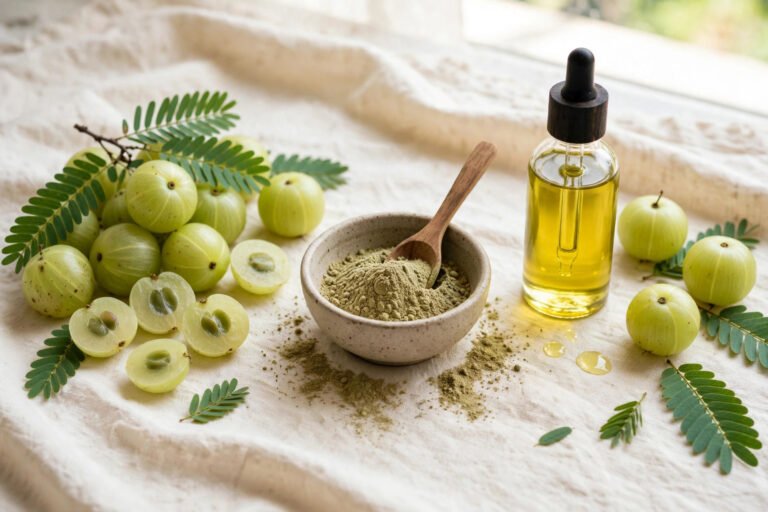
The quality of the gel used can make a noticeable difference. Fresh gel from a leaf is the purest option, and it may be prepared at home by cutting a thick leaf, draining the yellow latex, peeling away the green skin, and scooping out the clear gel. Fresh gel should be used within a few days and kept in the fridge, since it contains no preservatives.
Store-bought gel is more convenient, and it is widely available in pharmacies and supermarkets. When choosing a gel, read the ingredients list: a good gel should list aloe vera as the first ingredient and contain few added ingredients. Gels with alcohol, strong fragrance, or bright green colouring may be less gentle on the scalp and are best avoided. A plain, clear gel is usually the safest choice. Keep it in a cool, dry place, away from direct sunlight, and use it before its best-before date.
Aloe Vera Benefits for Hair Growth as Part of a Balanced Approach
Aloe Vera Benefits for Hair Growth are best understood as part of a balanced, everyday approach to hair care, rather than as a single remedy. Aloe vera gel may help to soothe the scalp, add moisture to the hair, and reduce breakage during brushing and styling. Combined with gentle washing, careful brushing, limited heat styling, and a balanced diet, it can be a pleasant and sensible part of a healthy hair routine. A related article is Natural Remedies for Hair Fall and Thicker Hair.
Disclaimer: This article is for educational information only and is not medical advice. Aloe vera may help some people care for their hair and scalp, but it does not diagnose, treat, cure, or prevent any disease, and it does not guarantee hair growth. If you are pregnant, breastfeeding, taking medication, or have a medical condition, please consult a qualified healthcare professional before using aloe vera regularly. Seek prompt medical advice if hair loss is sudden, severe, or patchy, or if scalp irritation, swelling, or other worrying symptoms occur.
In closing, Aloe Vera Benefits for Hair Growth offer a simple, gentle, and affordable way to care for hair and scalp at home. A spoonful of clear gel, massaged into the scalp or smoothed through the ends, can be a small act of self-care in a busy week. Used sensibly, alongside gentle hair habits and professional advice when needed, aloe vera may help many people enjoy softer, calmer, and healthier-looking hair.