Sensitive skin can feel like a daily negotiation. A new soap, a hot shower, a windy afternoon, or a few extra minutes in the sun can leave the skin feeling tight, red, itchy, or uncomfortable. For many people in the United States and the United Kingdom, these reactions are a familiar part of life, especially in the summer months when sunburn is common, or in the winter when cold air and indoor heating dry the skin out. Finding a gentle, affordable, and simple way to calm the skin matters, and oatmeal is one of the oldest and most widely trusted choices.
Understanding Sensitive Skin and Sunburn in Everyday Life
Sensitive skin is skin that reacts more easily than usual to everyday things. It may sting or burn after washing, turn red after a hot shower, feel tight after using a scented lotion, or become itchy when the weather changes. Some people are born with skin that is naturally more reactive, while others develop sensitivity after years of using strong products, after spending too much time in the sun, or as part of a skin condition such as eczema. Sensitive skin is not a single diagnosis, and its causes can vary from person to person, but the experience is often similar: discomfort, redness, dryness, and a feeling that the skin needs something gentle.
Sunburn is one of the most common causes of sudden skin discomfort. It happens when the skin is exposed to too much ultraviolet light from the sun, and it can occur even on a cloudy day or in a short time outdoors. Sunburned skin often feels hot, tender, and tight, and it may turn red or pink within a few hours of exposure. In more severe cases, the skin may blister or peel as it heals. Sunburn is a sign that the skin has been damaged by ultraviolet light, and repeated sunburn increases the risk of longer-term skin damage, so protecting the skin with shade, clothing, and sunscreen remains the most important step. General guidance on sunburn and skin protection is available at https://www.nhs.uk and https://www.nccih.nih.gov
Oatmeal does not replace sunscreen, shade, or medical care, and it cannot undo sun damage. What it may offer is gentle, everyday comfort while the skin recovers.
Oatmeal Benefits for Skin and the Role of Colloidal Oatmeal
Oatmeal Benefits for Skin are linked to the natural compounds found in oats. Oats contain beta-glucan, a type of soluble fibre that can form a thin, moisturising film on the surface of the skin, helping it hold on to water. Oats also contain avenanthramides, a group of natural compounds that have been studied for their calming effect on irritated skin. Oats contain small amounts of vitamins and minerals, and the fine, soft texture of ground oats means they can cleanse very gently without the harsh scrubbing of a coarse exfoliant.
Colloidal oatmeal is the key to using oats on the skin. Ordinary rolled oats are too coarse and do not mix well with water, but colloidal oatmeal is ground so finely that it disperses evenly in water and forms a smooth, milky liquid. This fine powder is the form used in many over-the-counter skin care products for eczema and itching, and it is recognised by skin care professionals as a skin protectant. Making a simple version at home is straightforward: plain, unflavoured rolled oats or steel-cut oats can be ground in a clean coffee grinder or a food processor until they become a very fine powder. A simple test is to stir a spoonful into a glass of water; if the powder stays mixed and the water turns milky, it is fine enough to use.
Oatmeal Bath for Sensitive Skin and Sunburn Relief
An oatmeal bath is one of the simplest and most relaxing ways to use oatmeal on the skin, and it is especially helpful when a large area of skin feels irritated, itchy, or sunburned. A bath allows the oatmeal to touch the skin all over, and the warm water itself can feel calming, provided it is not too hot.
To prepare an oatmeal bath, grind about one cup of plain, unflavoured oats into a fine powder. Run a bath with lukewarm water, never hot, because hot water can dry the skin further and make irritation worse. As the bath fills, sprinkle the ground oatmeal into the running water and stir it with your hand so it disperses evenly. The water should look milky and feel silky. Soak for about fifteen to twenty minutes, resting quietly and allowing the water to cover the irritated areas. There is no need to scrub or to use soap during an oatmeal bath, and plain water with oatmeal is enough.
After the bath, pat the skin dry gently with a soft towel instead of rubbing, and apply a plain, fragrance-free moisturiser while the skin is still slightly damp. This helps lock in the moisture from the bath. An oatmeal bath can be taken two or three times a week for general comfort, or daily for a few days while sunburned or irritated skin recovers, as long as the skin feels comfortable. If the skin feels worse after a bath, stop and allow it to rest, and seek advice if the irritation continues.
Oatmeal Face Mask for Calm and Hydrated Skin
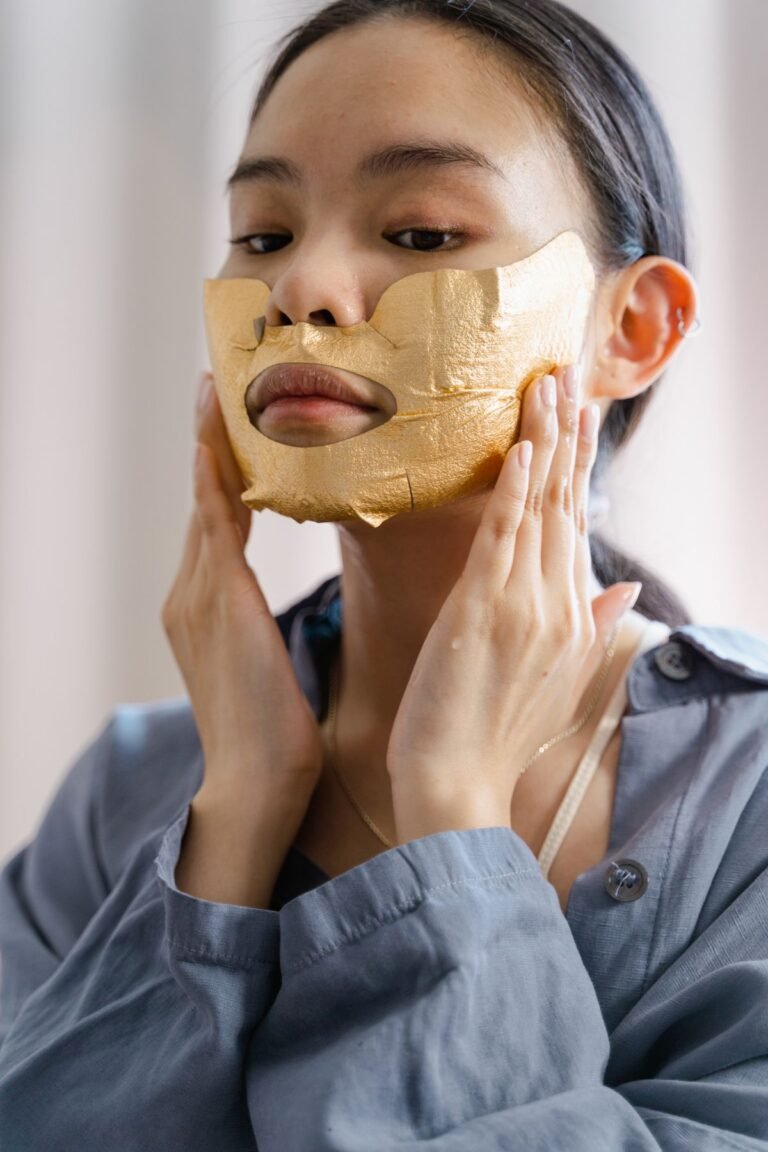
An oatmeal face mask is a gentle way to care for sensitive skin on the face, where the skin is thinner and often more reactive than on the rest of the body. A simple mask made from oatmeal and water can feel cooling and soothing, and it can be made in a few minutes with ingredients already in the kitchen.
To make a basic oatmeal face mask, mix two tablespoons of finely ground oatmeal with enough warm water to form a smooth, spreadable paste, usually about one to two tablespoons of water. Stir the mixture and leave it to sit for two or three minutes so the oatmeal absorbs the water and softens. Apply the paste evenly over clean, damp skin, avoiding the eyes and the lips, and leave it in place for about ten to fifteen minutes. The mask will feel cool and soft as it dries slightly, and it should not sting. Rinse it away with lukewarm water, using gentle circular movements with the fingertips, and pat the skin dry with a soft towel.
A related article is https://99naturalhomeremedies.com/aloe-vera-benefits-for-skin-healing-and-hydration/
After removing the mask, the skin often feels softer and less tight, and a light layer of plain moisturiser can help keep that feeling. An oatmeal face mask can be used once or twice a week. People with very sensitive skin may wish to try the mask on a small area first, such as the inside of the wrist, and wait a day to see how the skin responds before using it on the whole face.
Oatmeal Compress for Sunburn and Itchy Skin
When sunburn or itching affects only a small area, an oatmeal compress can bring targeted relief without the need for a full bath. A compress is a clean cloth soaked in an oatmeal mixture and placed directly on the uncomfortable area, and it can feel especially cooling on hot, sunburned skin.
To make an oatmeal compress, stir two tablespoons of finely ground oatmeal into a bowl of cool or lukewarm water until the water turns milky. Soak a clean, soft cotton cloth in the mixture, wring it out lightly so it is damp rather than dripping, and lay it gently over the affected skin. Leave the compress in place for ten to fifteen minutes, and re-soak the cloth if it dries out or warms up. The cool, milky water can feel very soothing on sunburned shoulders, a sunburned back, or an itchy patch of skin.
A compress can be repeated two or three times a day while the skin recovers. It is important to use a clean cloth each time and to avoid placing a compress over broken, blistered, or infected skin. Sunburn that blisters, covers a large area, or is joined by fever, chills, or severe pain should be checked by a healthcare professional, and home remedies should not be used as a substitute for proper care.
Oatmeal With Honey for Extra Soothing Care
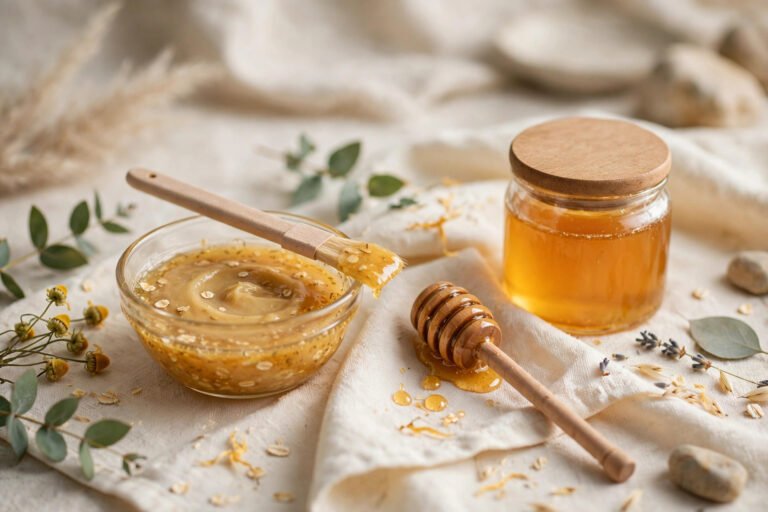
Oatmeal and honey are a classic pairing in home skin care, and they work well together because honey adds moisture and a soft, smooth texture to the oatmeal paste. Honey has been used on the skin for centuries, and it is a familiar ingredient in many traditional remedies. A mask made from oatmeal and honey can feel richer and more comforting than oatmeal and water alone, and it is a good choice when the skin feels very dry as well as sensitive.
To make an oatmeal and honey mask, mix two tablespoons of finely ground oatmeal with one tablespoon of plain honey and one tablespoon of warm water. Stir the mixture until it forms a smooth, thick paste, and leave it for a couple of minutes so the oatmeal softens. Apply the paste to clean, damp skin, leave it for about fifteen minutes, and rinse it away with lukewarm water. The mask should feel gentle and comfortable, and the skin often feels soft and hydrated afterwards.
A related article is https://99naturalhomeremedies.com/coconut-oil-benefits-for-dry-skin-and-eczema-relief/
Honey should be plain and unflavoured, and people with a known allergy to honey or to bee products should not use it on the skin. As with any new skin remedy, a patch test on a small area of skin is a sensible first step. This mask can be used once a week, and it can also be used as a gentle cleanser by massaging a small amount over damp skin and rinsing it away straight away.
Oatmeal With Aloe Vera for Sunburn Comfort
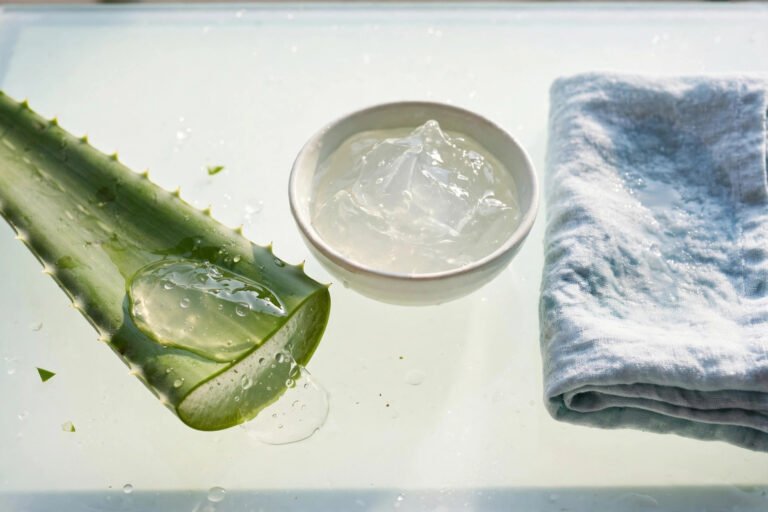
Oatmeal and aloe vera are two of the most widely used home remedies for sunburn, and using them together can feel especially cooling. Aloe vera gel is clear, light, and naturally cooling, and it is a familiar sight in many households during the summer months. Combined with finely ground oatmeal, it makes a smooth gel that can be spread over sunburned skin.
To make an oatmeal and aloe vera treatment, mix two tablespoons of finely ground oatmeal with three tablespoons of plain aloe vera gel. Stir the mixture until it forms a smooth gel, and leave it for a minute or two so the oatmeal softens. Spread a thin layer over clean, sunburned skin and leave it in place for about fifteen to twenty minutes, then rinse it away with cool or lukewarm water and pat the skin dry gently. The combination often feels cool and calming, and it can be repeated once or twice a day while the skin recovers.
A related article is https://99naturalhomeremedies.com/rose-water-benefits-for-skin-toning-and-freshness/
Plain aloe vera gel is the best choice for this treatment, ideally a gel with no added fragrance, colour, or alcohol, because those extras can irritate sunburned skin. Aloe vera gel can be taken from a fresh aloe leaf at home or bought as a plain gel from a shop. People who have never used aloe vera on their skin should try a small amount first, because a small number of people are sensitive to it.
Oatmeal for Eczema-Prone Skin and Everyday Itching
Eczema is a common skin condition that causes dry, itchy, and inflamed skin, and it affects many people in the United States and the United Kingdom, including children. Colloidal oatmeal is widely used in skin care products designed for eczema, and it is recognised as a skin protectant that may help calm itching and support the skin barrier. For many families, an oatmeal bath is a familiar part of managing eczema-prone skin at home.
An oatmeal bath for eczema-prone skin follows the same method described earlier: lukewarm water, about one cup of finely ground oatmeal, and a soak of fifteen to twenty minutes, followed by gentle patting dry and moisturising while the skin is still damp. This routine can be repeated several times a week, and many people find that it helps the skin feel calmer and less itchy, especially in the evening before bed, when itching can make it hard to sleep.
It is important to be clear about what oatmeal can and cannot do for eczema. Oatmeal may help with comfort and moisture, but it does not cure eczema, and it should not replace prescribed treatment. Eczema that is severe, spreading, infected, or not improving with simple care should be seen by a healthcare professional. A doctor or dermatologist can advise on the right treatment and on whether oatmeal baths are suitable for a particular person.
Choosing and Storing Oatmeal for Skin Care
Choosing the right oats matters. Plain, unflavoured rolled oats or steel-cut oats are the best choice for skin care, because they contain no added sugar, flavourings, or salt. Instant oatmeal sachets with added flavours should be avoided, because the flavourings and sweeteners can irritate the skin. Organic oats are a fine choice, but ordinary plain oats work well too, as long as they are unflavoured and unsweetened.
Grinding the oats is the most important step. A clean coffee grinder, a spice grinder, or a food processor can turn rolled oats into a fine powder in less than a minute. The powder should feel soft and flour-like between the fingers, with no large flakes or hard pieces. A batch of ground oatmeal can be stored in a clean, dry, airtight jar in a cool cupboard, and it will keep for several weeks. It should be kept away from moisture, because damp powder can spoil. Each time a mask or a bath is prepared, a clean, dry spoon should be used to take the powder from the jar.
Safety Tips and When to Seek Professional Advice
Oatmeal is generally well tolerated, but a few safety points are worth remembering. People with a known allergy to oats should not use oatmeal on their skin. People with coeliac disease should be aware that some oats may contain traces of gluten from processing, and they should choose certified gluten-free oats if they are concerned, although skin contact is different from eating oats. A patch test is a simple precaution for anyone trying oatmeal on the skin for the first time: apply a small amount to the inside of the wrist, leave it for a day, and watch for redness, itching, or swelling.
Oatmeal should not be applied to broken, blistered, or infected skin, and it should not be used inside the body. A bath should always be supervised for children, and the bath floor can become slippery from the oatmeal, so care should be taken when stepping in and out. If the skin becomes redder, more painful, or more itchy after using oatmeal, stop using it and allow the skin to rest. Medical advice should be sought promptly for severe sunburn, blistering, signs of infection such as spreading redness or pus, or any skin problem that does not improve within a few days.
Frequently Asked Questions About Oatmeal for Skin
Oatmeal baths for children are a common question for parents, and the answer is that an oatmeal bath is often used for children with itchy or irritated skin, using lukewarm water and a short soak of about ten to fifteen minutes, with an adult present at all times. A patch test on a small area first is a good idea, and a healthcare professional can advise if the child has eczema or any other skin condition.
The difference between colloidal oatmeal and ordinary oats is another common question. Colloidal oatmeal is simply oats ground into a very fine powder that disperses in water, while ordinary rolled oats are whole flakes that do not mix well. Grinding plain oats at home produces a similar fine powder, and it works in the same way for a bath or a mask.
How often oatmeal can be used on the skin is also often asked. A gentle oatmeal mask or compress can be used once or twice a week, and an oatmeal bath can be taken two or three times a week, or more often for a few days while sunburned skin recovers. If the skin feels comfortable and calm, the routine can continue; if the skin feels dry or irritated, the frequency can be reduced.
Whether oatmeal can be used with other skin products is a practical question. Oatmeal is generally compatible with plain, fragrance-free moisturisers, and moisturising after an oatmeal bath is recommended. It is best to avoid using oatmeal at the same time as strong exfoliants or other active skin treatments, unless a healthcare professional advises otherwise.
Final Thoughts on Oatmeal Benefits for Skin
Oatmeal is a simple, affordable, and gentle remedy that has earned its place in home skin care. From a soothing bath to a cooling compress, from a soft face mask to a daily cleanser, finely ground oatmeal offers a practical way to comfort sensitive skin and to support sunburned skin while it heals. Its long history of use, its soft texture, and its ability to hold moisture make it a useful addition to a simple skin care routine.
The best results come from keeping things simple: plain oats, ground finely, used gently, and followed by a plain moisturiser. Oatmeal is not a cure for skin conditions, and it cannot replace sunscreen, shade, or medical care, but for everyday comfort it is a remedy that many people return to again and again.
Disclaimer: This article is for educational purposes only and is not medical advice. The information provided here is general in nature and is not a substitute for professional medical advice, diagnosis, or treatment. Always consult a qualified healthcare professional before trying a new remedy, especially if you have a skin condition, an allergy, or if symptoms are severe or do not improve. If you experience a serious reaction, seek medical attention promptly.