Bloating is a familiar and uncomfortable part of everyday life for many people in the United States and the United Kingdom. It may appear after a large meal, after eating too quickly, or after a rich or spicy dish. The stomach may feel full, tight, or swollen, and there may be feelings of gas, pressure, or heaviness that linger for an hour or two. Mild bloating is common, and it usually passes on its own, but it can still spoil a meal, a social occasion, or a good night of sleep. Many people look for simple, gentle home comforts that may support digestion, and fennel seeds are one of the oldest and most widely used choices.
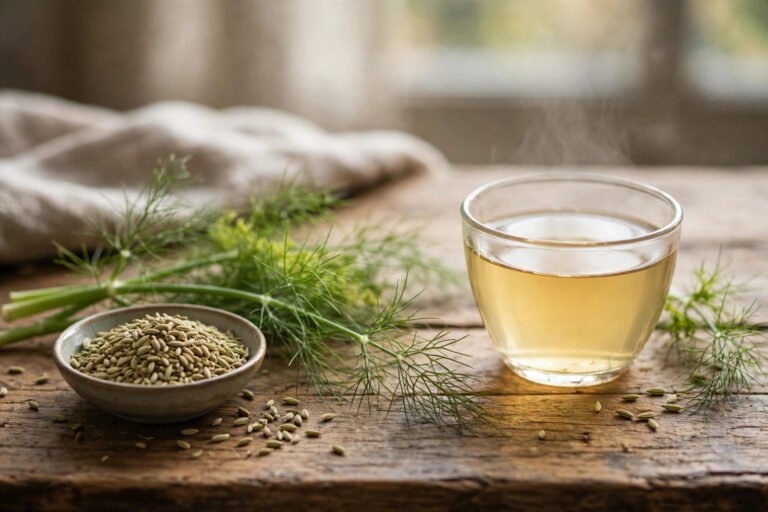
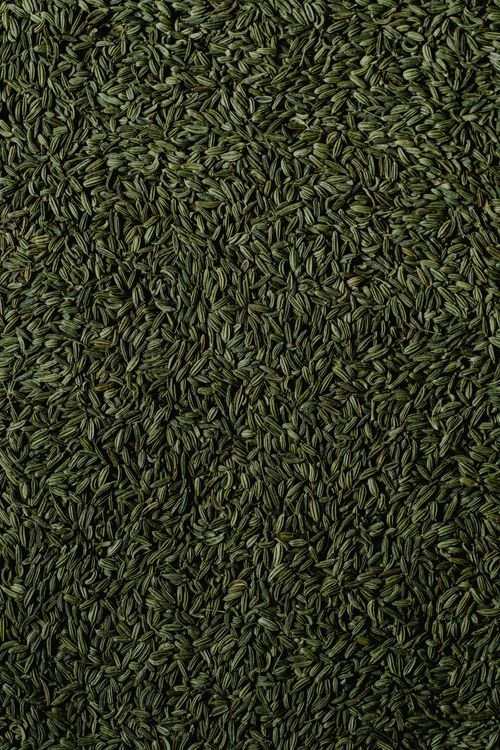
Fennel Seeds Benefits for Digestion have been valued for centuries in kitchens and in traditional home care across many cultures. Fennel seeds are small, pale green, oval seeds with a mild, sweet flavour that reminds many people of liquorice or anise. They are widely used in cooking in India, the Middle East, and the Mediterranean, and they are a familiar ingredient in spice blends, breads, teas, and after-meal mouth fresheners. A cup of fennel tea or a small pinch of seeds after a meal is a simple habit, and it can be enjoyed plain or with ginger, peppermint, or lemon.
Understanding Bloating and Digestive Discomfort in Everyday Life
Bloating usually happens when gas builds up in the stomach or the intestines, or when the digestive system moves food along more slowly than usual. Certain foods, such as beans, lentils, cabbage, onions, and fizzy drinks, may produce more gas than others. Eating quickly, talking while eating, chewing gum, or drinking through a straw may also increase the amount of air swallowed, which may add to feelings of fullness and pressure.
In many everyday cases, bloating is mild and short-lived, and it may ease on its own as the body finishes digesting a meal. However, bloating that is severe, happens very often, lasts for a long time, or is joined by other symptoms such as pain, unexplained weight loss, persistent diarrhoea or constipation, blood in the stool, or difficulty swallowing should not be ignored. These signs may need a healthcare professional to look into them, and home remedies should not be used as a substitute for proper advice. General guidance on digestive symptoms is available at NHS and NCCIH.
Fennel Seeds Benefits for Digestion and the Role of Anethole
Fennel is the plant Foeniculum vulgare, and its seeds have been used as a spice and as a traditional home remedy for a very long time. The seeds are harvested from the fennel plant after flowering, then dried so they can be stored and used throughout the year. Fresh fennel bulbs are also eaten as a vegetable, but the dried seeds are the form most often used for digestive comfort.
One of the natural compounds in fennel seeds is anethole. Anethole is the main aromatic compound in fennel, and it gives the seeds their sweet, liquorice-like smell and taste. Fennel seeds also contain fibre and small amounts of minerals such as potassium, calcium, and iron. In traditional use, fennel seeds are often described as carminative, a word that means they may help the body release trapped gas and ease feelings of fullness. Some small studies have explored whether fennel extracts may help relax the smooth muscle of the digestive tract, but results vary and more research is needed. Fennel Seeds Benefits for Digestion are best understood in these cautious, general terms.
Fennel Seed Tea for Bloating Relief
Fennel seed tea is the simplest and most popular way to use fennel seeds for digestion, and it is a good place to start. It needs only fennel seeds and water, and it takes only a few minutes to prepare. The flavour is mild, sweet, and slightly like liquorice, without being overpowering when made with a modest amount of seeds.
To make one cup, start with one teaspoon of fennel seeds, about two to three grams. Place the seeds in a mug or a small saucepan. Lightly crushing the seeds before brewing may help release more of their aromatic oils and flavour. Add about one cup of freshly boiled water, cover the mug or pan, and let the tea steep for five to ten minutes. Strain the tea through a small sieve into a clean mug, and drink it while warm. Drinking the tea slowly, about twenty to thirty minutes after a meal, may feel most comfortable for many people.
Fennel Seeds Benefits for Digestion After Meals
In many cultures, fennel seeds are eaten after a meal as a digestive aid and a mouth freshener. In Indian restaurants in the United States and the United Kingdom, a small dish of sugar-coated fennel seeds is often offered at the end of a meal.
To use fennel seeds after a meal, take a small pinch, about half a teaspoon, of plain dried fennel seeds and chew them slowly and thoroughly for a minute or two before swallowing. Chewing the seeds releases their aromatic oils and may encourage saliva production, which is the first step of digestion. Some people prefer lightly roasted fennel seeds, which have a warmer, nuttier flavour and a pleasant crunch. To roast fennel seeds, warm them in a dry pan over low heat for one or two minutes, stirring often, until they smell fragrant, then allow them to cool before storing in an airtight jar.
Fennel Seeds With Ginger for Digestive Comfort
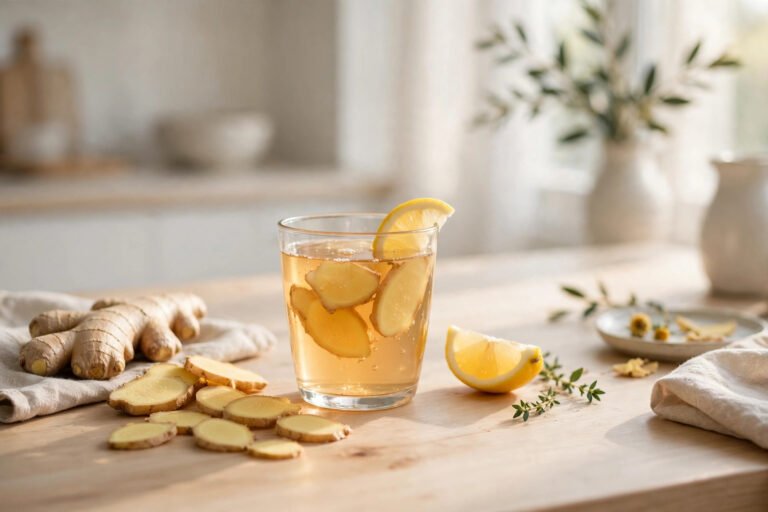
Fennel seeds and ginger are often used together in cooking and in traditional home care, and their flavours complement each other well. Ginger has a warm, spicy character, while fennel is mild and sweet, so the combination makes a balanced and pleasant tea.
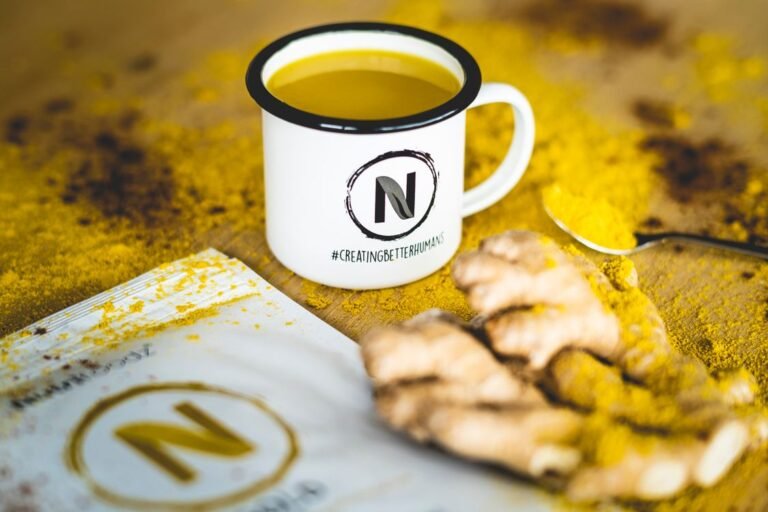
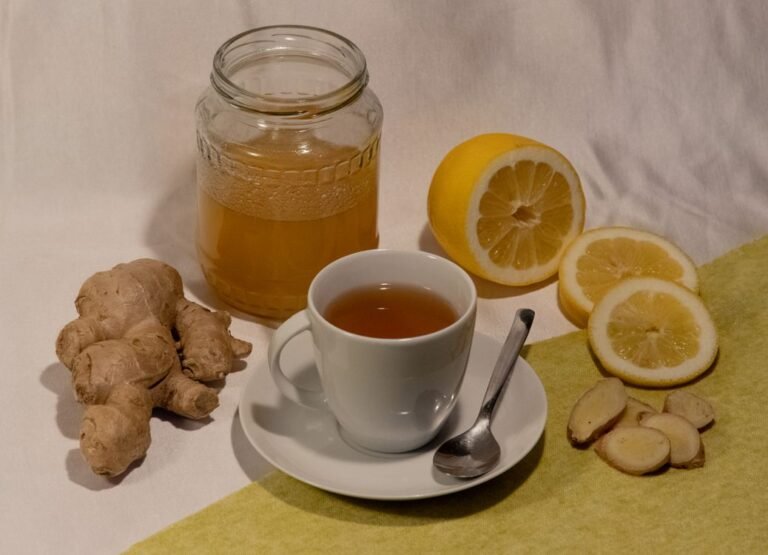
To make fennel and ginger tea, prepare fennel seed tea as described above, using one teaspoon of fennel seeds and one cup of freshly boiled water. Add a few thin slices of fresh ginger, about a one-centimetre piece peeled and sliced, to the mug before pouring in the water. Cover and let the tea steep for eight to ten minutes, then strain and drink while warm. A squeeze of lemon may be added for extra freshness. A related article.
Fennel Seeds With Peppermint for a Calmer Stomach
Fennel seeds also pair well with peppermint, another herb with a long history of use for digestive comfort. Peppermint has a cool, fresh flavour, and peppermint tea is widely enjoyed in the United States and the United Kingdom after meals.
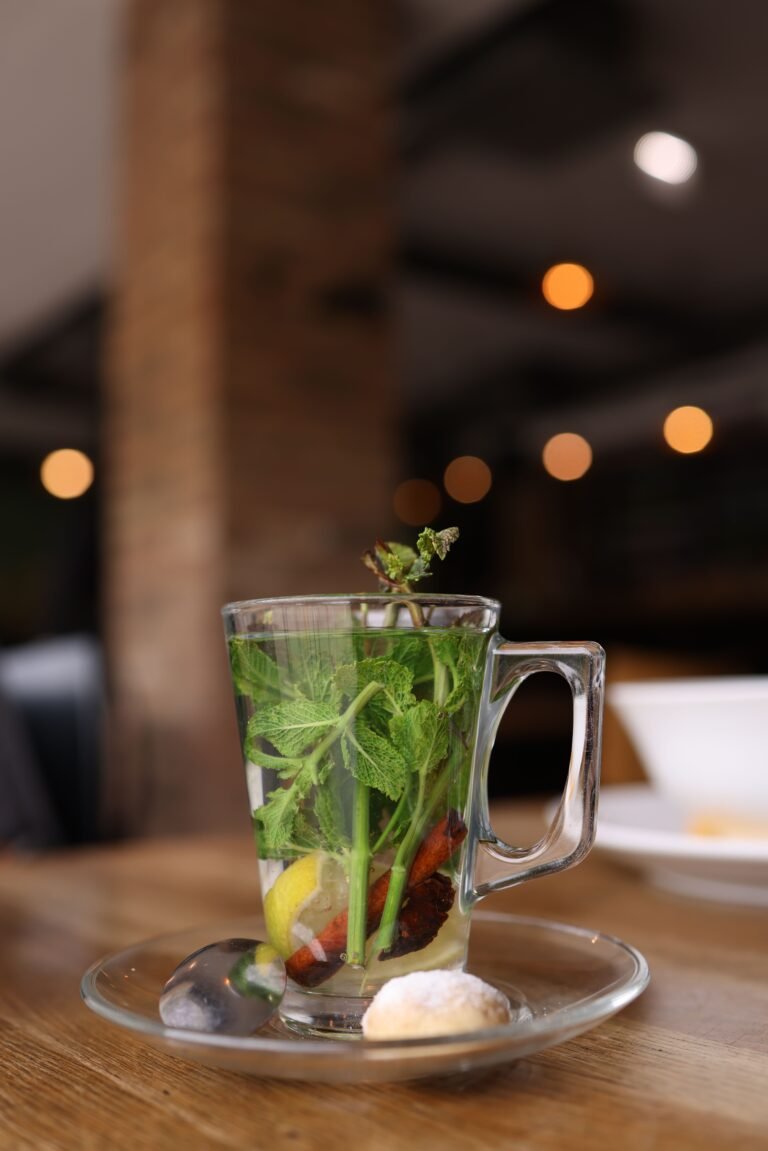
To make fennel and peppermint tea, use one teaspoon of fennel seeds and one peppermint tea bag, or a small handful of fresh mint leaves if available. Place both in a mug, add one cup of freshly boiled water, cover, and let the tea steep for five to ten minutes. Remove the tea bag or strain out the leaves and seeds, then drink the tea while warm. This combination may feel most helpful when the stomach feels unsettled or when bloating is joined by a feeling of heaviness after eating. A related article.
Chewing Fennel Seeds as a Simple Daily Habit
Chewing fennel seeds is perhaps the easiest way to include them in daily life, because it needs no preparation, no equipment, and no extra time. A small container of fennel seeds can be kept in a kitchen cupboard, in a desk drawer, or in a bag, ready to use after meals or whenever the stomach feels uncomfortable.
A reasonable amount is a small pinch, about half a teaspoon, chewed slowly after a meal. Chewing thoroughly matters, because it breaks the seeds open and releases their aromatic oils. Some people enjoy fennel seeds mixed with a few other seeds, such as cumin or coriander seeds, which are also used in traditional cooking for digestion, although plain fennel seeds are fine on their own. Fennel seeds are also used as a mouth freshener, and chewing them after a meal may leave the breath feeling fresher, which is a pleasant side benefit.
Fennel Seeds in Cooking for Everyday Digestion
Fennel seeds are a versatile spice, and using them in everyday cooking is an easy way to enjoy their flavour and their traditional digestive role without making a special tea or remedy. Fennel seeds are a common ingredient in Italian, Indian, and Mediterranean cooking.
To use fennel seeds in cooking, add half a teaspoon to a teaspoon to soups, stews, roasted vegetables, or lentil dishes. The seeds can be added whole at the start of cooking, or lightly toasted in a dry pan first to bring out their flavour. Ground fennel seeds can be mixed into spice rubs for fish or chicken, stirred into bread dough, or sprinkled over roasted carrots, potatoes, or squash. Using fennel seeds regularly in cooking may be a gentle and enjoyable way to include them in the diet, and it suits people who do not enjoy herbal teas.
Building a Daily Fennel Seed Routine
A daily fennel seed routine does not need to be complicated. Simple routines are often the easiest to maintain, and the aim is to make fennel seeds a pleasant, regular habit that fits naturally into the day, rather than a chore or a treatment to be followed strictly. One cup of fennel tea a day, or a small pinch of seeds after the main meal, is a common amount for many adults who enjoy fennel, although individual tolerance varies, and some people prefer to use fennel only a few times a week.
A cup of fennel tea after lunch may help the afternoon feel more comfortable, especially for people who eat their largest meal in the middle of the day. An evening cup, made with plain fennel seeds or fennel with peppermint, may be a calming part of a wind-down routine, since fennel tea is naturally caffeine-free and will not interfere with sleep in the way that coffee or strong black tea might. Whatever the routine, it is best to keep it gentle and regular.
Fennel Seeds in Research on Digestion
Fennel seeds have been studied in general terms by researchers interested in digestion and gut comfort. Some small studies have looked at fennel tea, fennel extracts, and fennel oil in relation to bloating, gas, and stomach discomfort, and some of these studies have reported that participants felt more comfortable after using fennel. Other studies have combined fennel with other herbs, such as peppermint, ginger, or chamomile, which makes it difficult to tell how much of the effect came from fennel alone. Results across studies vary, and many studies have been small or short, so researchers generally say that more high-quality research is needed.
It is also worth noting that traditional use and modern research are not the same thing. Readers should view fennel seeds as a gentle, traditional home comfort rather than as a proven treatment for digestive disease. Anyone with ongoing digestive problems should seek advice from a healthcare professional, who can look into the cause and suggest appropriate care. Public health guidance on digestive health is available at NHS.
Combining Fennel Seeds With Gentle Movement and Good Eating Habits
Fennel seeds may feel most helpful when they are part of a wider approach that includes good eating habits and gentle movement. Eating slowly, chewing food well, and taking time over meals may reduce the amount of air swallowed and give the stomach time to signal fullness. Smaller, regular meals may feel more comfortable than very large meals, and drinking water through the day may help digestion.
Gentle movement after a meal may also help. A short, slow walk of ten to fifteen minutes after eating may encourage digestion and help gas move through the system more comfortably. Light stretching or gentle yoga may also ease feelings of tightness. A balanced approach, with sensible eating, light activity, adequate sleep, and a calming cup of fennel tea, is usually the most sensible path.
Safety and Possible Side Effects of Fennel Seeds
Fennel seeds are generally considered safe when used in the small amounts found in food and in weak tea, and most people who use them have no problems. However, like any plant product, they can cause side effects in some people. The most common effects are mild digestive effects, such as an upset stomach, nausea, or a feeling of fullness, especially if a large amount is eaten or if the tea is very strong.
Allergic reactions to fennel are uncommon, but they can occur, particularly in people who are allergic to plants in the same family, such as celery, carrots, or mugwort. Signs of an allergic reaction may include a rash, itching, swelling of the lips or face, or difficulty breathing, and anyone who notices these symptoms after using fennel should stop and seek medical help promptly. Fennel seeds may also affect blood sugar levels, and they contain compounds that may act like oestrogen in the body, so people with hormone-sensitive conditions should seek advice before using fennel regularly.
People Who Should Be Cautious With Fennel Seeds
Pregnant people are often advised to be cautious with herbal products, including fennel seeds and fennel tea. Anyone who is pregnant, trying to become pregnant, or breastfeeding should ask a healthcare professional before using fennel seeds regularly or in larger amounts.
People who take regular medication should ask a doctor or pharmacist before using fennel tea or fennel supplements often. People who are about to have surgery, or who have a bleeding disorder, should also seek advice, since fennel may affect blood clotting in general terms. Children may enjoy weak fennel tea in small amounts, but strong fennel tea and fennel supplements are not usually suitable for young children, and parents should seek advice from a healthcare professional before offering herbal teas regularly. When in doubt, the safest step is to ask a professional, to start with a small amount, and to stop if any discomfort occurs.
Common Mistakes When Using Fennel Seeds
Fennel seeds are simple to use, but a few common mistakes can affect their flavour, comfort, or safety. Avoiding these mistakes can help readers enjoy fennel seeds more sensibly and get more from them.
One common mistake is using too many seeds at once. A large handful of seeds, or a very strong tea, may cause stomach upset rather than relief, and one teaspoon per cup, or a small pinch for chewing, is usually enough. Adding too much honey or sugar may make the drink overly sweet and add unnecessary sugar to the diet. Fennel seed supplements and concentrated fennel oil are much stronger than tea or food amounts, and anyone considering them should speak to a healthcare professional first.
Choosing Quality Fennel Seeds for the Best Results
The quality of the fennel seeds used can make a noticeable difference to the flavour of the tea. Good fennel seeds are pale green to yellowish green, dry, and aromatic when crushed between the fingers. They should smell sweet and fresh, with a clear liquorice-like scent. Avoid seeds that look dull, brown, or dusty, or that smell faint or musty, since these may be old or poorly stored. Fennel seeds are usually available in supermarkets, health food shops, and South Asian grocery stores in the United States and the United Kingdom throughout the year.
Store fennel seeds in an airtight jar in a cool, dark cupboard, away from direct sunlight and moisture, and use them within six to twelve months for the best flavour. Ground fennel should be stored in the same way and used before its best-before date.
Fennel Seeds Benefits for Digestion as Part of a Balanced Approach
Fennel Seeds Benefits for Digestion are best understood as part of a balanced, everyday approach to digestive comfort, rather than as a single remedy. A warm cup of fennel tea may offer gentle warmth and a calming pause after a meal, and a small pinch of seeds chewed slowly may help the stomach feel settled. Combined with slower eating, smaller meals, gentle movement after eating, adequate sleep, and a balanced diet, fennel seeds can be a pleasant and sensible part of a healthy routine. A related article.
Disclaimer: This article is for educational information only and is not medical advice. Fennel seeds may help some people feel more comfortable, but they do not diagnose, treat, cure, or prevent any disease. If you are pregnant, breastfeeding, taking medication, or have a medical condition, please consult a qualified healthcare professional before using fennel seeds regularly or in larger amounts. Seek prompt medical advice if bloating is severe, lasts for more than a few days, keeps coming back, or is joined by pain, unexplained weight loss, or other worrying symptoms.
In closing, Fennel Seeds Benefits for Digestion offer a simple and gentle way to support everyday digestive comfort. A cup of fennel tea, enjoyed slowly after a meal, can be a small act of self-care in a busy day, and used sensibly, fennel seeds may help many people feel a little lighter and more comfortable, one small pinch at a time.