After a heavy meal, many people reach for an antacid or a cup of tea. In tropical countries, people have long reached for something simpler: a slice of ripe papaya. This bright orange fruit has been a traditional digestive remedy for generations, eaten after meals to settle the stomach and keep digestion moving smoothly. Its reputation rests on more than folklore: papaya contains a natural enzyme that helps break down protein, plenty of fiber, and plenty of water.
Digestive problems are among the most common health complaints in the United States, the United Kingdom, Canada, and Australia. Bloating, constipation, and heaviness after meals are often linked to low fiber intake, hurried eating, stress, and diets heavy in processed food. No single food can fix every digestive problem, but a fruit that actively supports digestion can make a real difference. This guide explains how papaya benefits digestion, what the science says, how to eat it for the best effect, and when to be careful.
What Papaya Is and Why It Helps Digestion
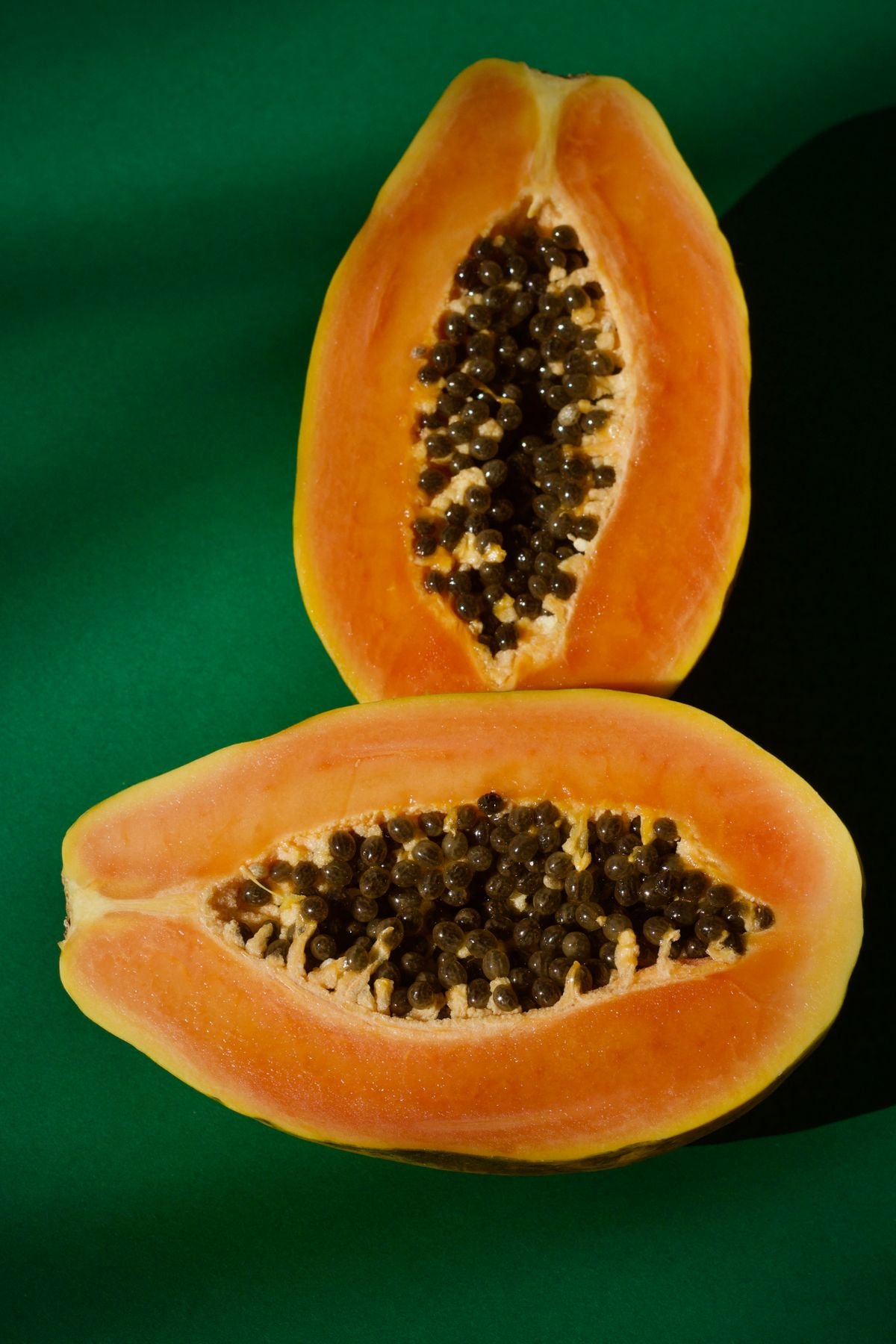
Papaya, also called pawpaw in some countries, is the fruit of the Carica papaya tree, which grows in tropical and subtropical regions. The fruit is pear-shaped, with smooth green skin that turns yellow-orange as it ripens, and soft, sweet, bright orange flesh with a cluster of small black seeds in the center. Its mild sweetness and buttery texture make it easy to eat on its own or blend into smoothies and salads.
Papaya has been used as a digestive aid for centuries in Central America, where the plant originates, and later across Asia, Africa, and the Caribbean. The reason for this long history is now well understood: papaya is one of the few fruits that contains a powerful protein-digesting enzyme, and it is also rich in fiber, water, and vitamins that support the gut.
Papain: The Digestive Enzyme in Papaya
The most famous feature of papaya is papain, a natural enzyme that breaks down protein into smaller pieces. Papain is found in the milky sap of the papaya plant and is most concentrated in the unripe green fruit, though ripe papaya still contains useful amounts. It works in a similar way to the digestive enzymes the body produces in the stomach and pancreas, so when papaya is eaten with a meal, papain can help break down the protein in that meal and reduce the heavy, sluggish feeling that sometimes follows a large, protein-rich meal.
Papain is so effective at breaking down protein that it has long been used as a meat tenderizer and in some commercial digestive enzyme supplements. The National Center for Complementary and Integrative Health (NCCIH) notes that digestive enzyme supplements are widely used to support digestion, although more research is needed to confirm their benefit for healthy people. Eating papaya provides papain in its natural food form, along with fiber and nutrients, which is a gentler way to use it.
Expectations should stay realistic. Papain can support the digestion of protein, but it does not replace the body’s own digestive enzymes, and it cannot fix serious digestive conditions. People with a diagnosed condition such as coeliac disease, inflammatory bowel disease, or chronic pancreatitis need proper medical care, not a fruit remedy.
How Papaya Supports Digestion
Papaya supports digestion in several ways working together. The first is papain, which helps break down protein. The second is fiber: a cup of cubed papaya provides around 2.5 grams of fiber, which adds bulk to the stool and helps food move through the digestive tract at a healthy pace.
The third is water content: papaya is about 88 percent water, and staying hydrated is one of the simplest ways to support digestion, because water softens the stool and helps the digestive system move food along. Many people who struggle with constipation are mildly dehydrated without realizing it, and water-rich fruits like papaya help on both fronts.
Papaya is also a good source of vitamin C, vitamin A in the form of beta-carotene, folate, and potassium. Vitamin C supports the health of the gut lining, while potassium helps maintain the fluid balance the digestive system needs. Its soft texture also makes it easy to digest for people with sensitive stomachs.
Papaya and Constipation Relief
Constipation is one of the most common reasons people turn to papaya. Its fiber adds bulk and softness to the stool, its water content helps it pass more easily, and papain may help by breaking down food more completely. In several countries, papaya is traditionally eaten first thing in the morning on an empty stomach to encourage a bowel movement.
Some small studies of papaya preparations for constipation and digestive discomfort have been encouraging, though larger studies are still needed, and the evidence is not yet strong enough to call papaya a treatment for constipation. What is certain is that fiber-rich, hydrating foods support regular bowel habits.
For best results, papaya should be part of a broader approach: plenty of water, regular physical activity, and a diet rich in fruits, vegetables, and whole grains. Eating a cup of ripe papaya a day, especially in the morning, is a pleasant and practical step, and readers who want more ideas can read our guide to natural remedies for constipation relief at https://99naturalhomeremedies.com/natural-remedies-for-constipation-relief/.
Papaya for Bloating and Gas
Bloating is a feeling of fullness, tightness, or swelling in the abdomen, often caused by gas, slow digestion, or eating too quickly. Papaya may help in two ways: papain breaks down protein more completely, reducing the undigested food that reaches the colon, where gut bacteria ferment it and produce gas; and the fiber and water in papaya help keep food moving, so it spends less time sitting in the gut.
Eating papaya after a heavy meal is a traditional practice in many tropical countries: a small bowl of ripe papaya after lunch or dinner can help the stomach feel lighter. In Thailand, green papaya salad is a popular dish, and in India, ripe papaya is often eaten with black salt or lime after meals.
Eating too much papaya at once, or eating it alongside large amounts of other high-fiber foods when the body is not used to fiber, can temporarily increase gas rather than reduce it. Start with a modest portion, about one cup, and increase gradually while drinking enough water. People who regularly feel bloated may also find our article on fennel seeds for digestion helpful, at https://99naturalhomeremedies.com/fennel-seeds-benefits-for-digestion-and-bloating-relief/.
Papaya for Gut Health and the Microbiome
The gut microbiome is the community of trillions of bacteria and other microbes that live in the intestines, and modern research has shown that it influences digestion, immunity, and even mood. Diet is the most important factor in shaping it: fiber is the main food for beneficial gut bacteria, and when they ferment fiber they produce short-chain fatty acids, which nourish the cells of the gut lining and help keep the intestinal barrier strong.
Papaya contributes to gut health in several ways. Its soluble fiber feeds beneficial bacteria, its water content supports the mucus layer that protects the gut lining, and its vitamin C and beta-carotene act as antioxidants that help protect gut cells from damage.
A healthy gut also depends on variety: no single food can create a healthy microbiome on its own. The best approach is to eat a wide range of plant foods, and papaya is a valuable part of that variety.
Green Papaya Versus Ripe Papaya
Papaya can be eaten at two stages, and each stage has different uses. Ripe papaya is sweet, soft, and orange, and it is the form most people eat as a fruit, in smoothies, or in desserts. It contains moderate amounts of papain, good fiber, and plenty of vitamins, and it is gentle on the stomach.
Green papaya is unripe, firm, and pale, with white flesh and a mild, almost savoury flavour. It contains much more papain than ripe papaya, which is why it is used as a meat tenderizer and in salads such as Thai som tam. It is usually cooked or shredded raw into salads rather than eaten on its own, and it is the form most often used in traditional digestive remedies and papain supplements.
For everyday digestive support, ripe papaya is the better choice: it is pleasant to eat, easy to find, and gentle on the stomach. Green papaya is useful in cooking and may provide more papain, but it should be cooked before eating in large amounts, and pregnant women should avoid unripe papaya entirely.
How to Eat Papaya for Better Digestion
Eating papaya for digestion is simple. The most traditional way is a cup of ripe papaya after a meal, especially after a heavy or protein-rich meal, when papain can help with the protein. Eating it on an empty stomach in the morning is another popular approach, and many people find it helps start the day with a comfortable stomach and a regular bowel movement.
Papaya can also be eaten as a snack between meals, blended into a smoothie, or mixed into yoghurt, which adds probiotics. A squeeze of lime juice adds vitamin C and flavour, and a pinch of black salt is a traditional addition in South Asia. Eat papaya fresh rather than as a sugary canned product or sweetened juice, because added sugar and processing reduce its benefits.
A sensible portion is about one cup of cubed papaya, roughly 140 grams, once a day. A cup contains only about 60 calories. Build up gradually if papaya is new to the diet, since increasing fiber too quickly can cause temporary bloating.
Papaya Recipes for a Healthy Gut
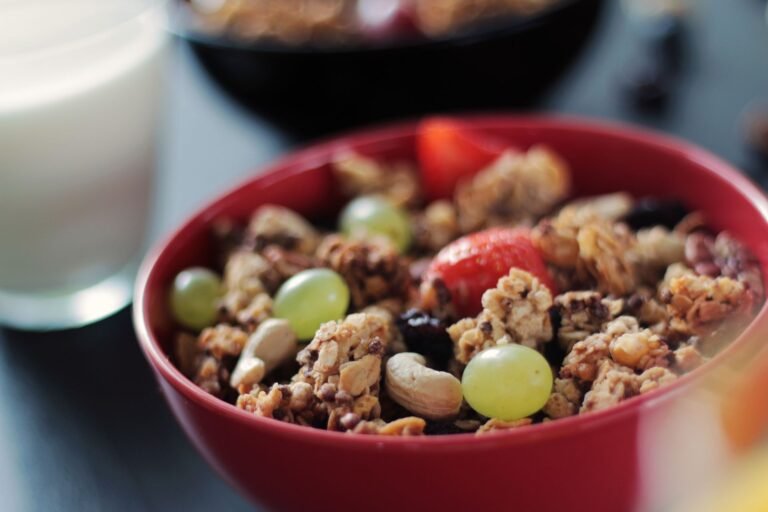
Papaya is easy to use in the kitchen. A papaya and yoghurt bowl is one of the simplest options: spoon natural yoghurt into a bowl and top it with cubes of ripe papaya, a tablespoon of oats, and a few chopped walnuts. The yoghurt adds probiotics, the oats add soluble fiber, and the papaya adds enzymes and sweetness, making a breakfast that supports digestion from the start of the day.
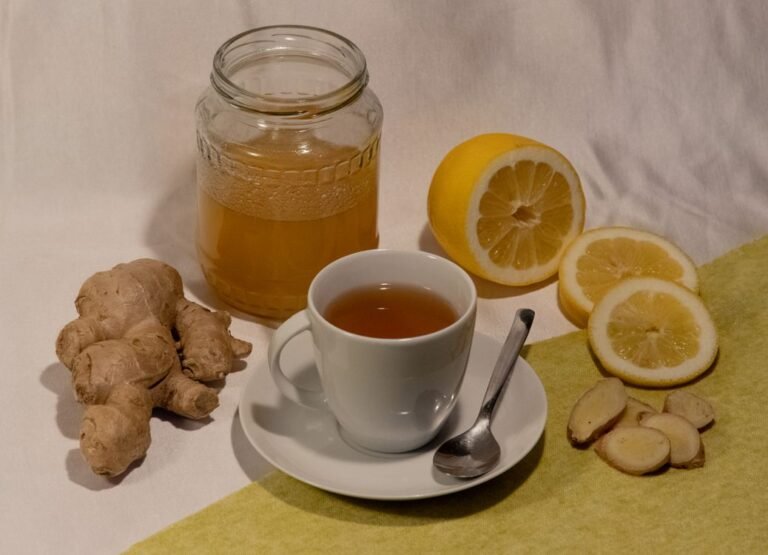
A papaya smoothie is another easy choice. Blend one cup of ripe papaya with half a banana, half a cup of natural yoghurt or kefir, a small piece of fresh ginger, and a splash of water or milk until smooth. Ginger is itself a well-known digestive remedy, and readers can learn more in our article on ginger for digestion at https://99naturalhomeremedies.com/ginger-benefits-for-digestion-and-bloating-relief/.
For a savoury option, try a green papaya salad in the Thai style: shred peeled green papaya finely and toss it with grated carrot, chopped green beans, cherry tomatoes, lime juice, a little fish sauce or soy sauce, a pinch of sugar, and crushed peanuts.
The easiest recipe of all is papaya with lime: cut a ripe papaya in half, scoop out the seeds, and squeeze fresh lime juice over the flesh. Eat it with a spoon, straight from the skin. It takes less than a minute to prepare.
Papaya Versus Other Digestive Fruits
Papaya is not the only fruit that supports digestion. Pineapple contains bromelain, another protein-digesting enzyme, though it is more acidic and can irritate sensitive stomachs. Bananas are gentle and rich in prebiotic fiber but contain no digestive enzyme. Kiwifruit contains actinidin, an enzyme that helps digest protein, and is also very high in vitamin C and fiber, making it a strong rival to papaya.
Apples provide pectin, a soluble fiber that feeds gut bacteria, while prunes are famous for their natural laxative effect. Papaya’s advantage is its combination of an enzyme, fiber, water, and a soft texture that is easy on the stomach. Rotating papaya with these fruits through the week gives the gut a range of fibers, enzymes, and nutrients.
Precautions and Side Effects
Papaya is safe for most people in normal food amounts, but there are precautions worth knowing. The most important is that unripe papaya and papaya latex should be avoided during pregnancy: unripe papaya contains high levels of papain and latex, which in large amounts have been linked to uterine contractions in animal studies. Ripe papaya in normal amounts is generally considered safe during pregnancy, but pregnant women should check with their doctor before making it a daily habit.
Some people are allergic to papaya, especially people who are allergic to latex, because papaya contains proteins similar to those in natural latex. This is known as latex-fruit cross-reactivity, and symptoms can include itching, swelling of the lips or tongue, hives, or difficulty breathing. Anyone with a latex allergy should speak to a doctor before eating papaya.
Papain can interact with blood-thinning medication such as warfarin, and large amounts of papaya or papain supplements may increase the risk of bleeding, so people who take blood thinners should speak to their doctor first. Papaya seeds should not be eaten in large quantities and are best discarded.
Eating very large amounts of papaya can also turn the skin, especially on the palms and soles, a yellow-orange tint. This is caused by the beta-carotene in the fruit and is known as carotenemia.
Choosing and Storing Papaya
A ripe papaya has skin that is mostly yellow or orange, with a little green still showing, and it gives slightly when pressed gently, similar to a ripe avocado. It should feel heavy for its size and smell sweet at the stem end. Avoid papayas with large dark soft spots, mould, or a fermented smell.
An unripe papaya is firm and green, and it can be ripened at home by leaving it on the kitchen counter for a few days; placing it in a paper bag with a banana speeds this up. Once ripe, papaya should be eaten within a day or two, or stored in the fridge, where it will keep for up to a week.
To prepare papaya, wash the outside, cut it in half lengthways, and scoop out the seeds. The flesh can be sliced, cubed, or scooped out with a spoon, and the skin should not be eaten.
Frequently Asked Questions
Is papaya good for digestion? Yes, papaya is widely regarded as one of the best fruits for digestion. It contains papain, an enzyme that helps break down protein, along with fiber and water that support regular bowel movements, and it is gentle on the stomach.
Can papaya help with constipation? Papaya can help with constipation as part of a fiber-rich diet: its fiber adds bulk to the stool, its water content softens it, and papain helps break down food more completely. A cup a day, along with enough water and physical activity, supports regular bowel habits. Readers with persistent constipation can also read our remedies for constipation relief at https://99naturalhomeremedies.com/natural-remedies-for-constipation-relief/.
When is the best time to eat papaya for digestion? Many people eat papaya after a meal, when papain can help with the protein in that meal, or first thing in the morning to encourage a bowel movement. Both approaches are traditional, and the best time is the one that fits easily into a daily routine.
Can I eat papaya every day? Yes, most healthy adults can eat about one cup of papaya a day. It is nutritious and low in calories, and daily use is the best way to gain its digestive benefits, though it is still a good idea to rotate it with other fruits.
Is green papaya better than ripe papaya for digestion? Green papaya contains more papain, but it is less pleasant to eat raw and should be cooked or used in salads. Ripe papaya is easier to eat daily, gentler on the stomach, and still provides useful papain and fiber, so it is the better everyday choice.
Can papaya cause gas or bloating? Papaya usually helps reduce bloating, but eating a large amount suddenly can temporarily increase gas. Starting with a modest portion and drinking enough water usually prevents this. If bloating persists, readers may also find our guide to peppermint tea for digestion useful, at https://99naturalhomeremedies.com/peppermint-tea-benefits-for-digestion-and-ibs-relief/.
Is papaya safe during pregnancy? Ripe papaya in normal food amounts is generally considered safe, but unripe or semi-ripe papaya should be avoided because it contains high levels of papain and latex. Pregnant women should speak to their doctor before eating papaya regularly.
A Simple Daily Routine With Papaya
A simple routine makes papaya easy to keep up with. Start the morning with a cup of ripe papaya on an empty stomach, or add it to a yoghurt and oat bowl for breakfast, and drink a glass of water, because fiber needs fluid to work well. At lunch, if the meal is heavy, finish with a few cubes of papaya instead of a sugary dessert.
In the afternoon, a papaya smoothie with ginger makes a light snack that supports digestion without adding many calories. At dinner, keep portions moderate, eat slowly, and chew food well, since hurried eating is a common cause of bloating. Over a few weeks, this simple routine can make a noticeable difference to digestive comfort.
Important Disclaimer
This article is for educational purposes only and is not medical advice. The information here is general in nature and is not a substitute for professional medical advice, diagnosis, or treatment. Papaya can support healthy digestion, but it is not a treatment for constipation, irritable bowel syndrome, inflammatory bowel disease, or any other medical condition, and it does not guarantee relief from digestive symptoms. Always consult a qualified healthcare professional before making significant changes to your diet, especially if you are pregnant, breastfeeding, taking medication, or living with a medical condition. If you experience persistent symptoms, such as ongoing abdominal pain, blood in the stool, or unexplained weight loss, seek medical advice promptly.
For further reliable information on digestive health, readers can consult the Cleveland Clinic’s guide to papaya and its benefits at https://health.clevelandclinic.org/papaya-benefits and the NHS guidance on constipation and healthy digestion at https://www.nhs.uk/conditions/constipation/.